Canadian National Railway Company is a major North American transportation and logistics provider operating a vast rail network across Canada and into the United States. The company's stock is a core holding for many Canadian investors due to its history, economic importance, and consistent dividend payments. It trades on both the Toronto Stock Exchange and the New York Stock Exchange, offering flexibility for Canadian portfolios. Understanding the company's operations, financial history, and the associated risks is key for investors considering this industrial staple.
Business Operations and Network
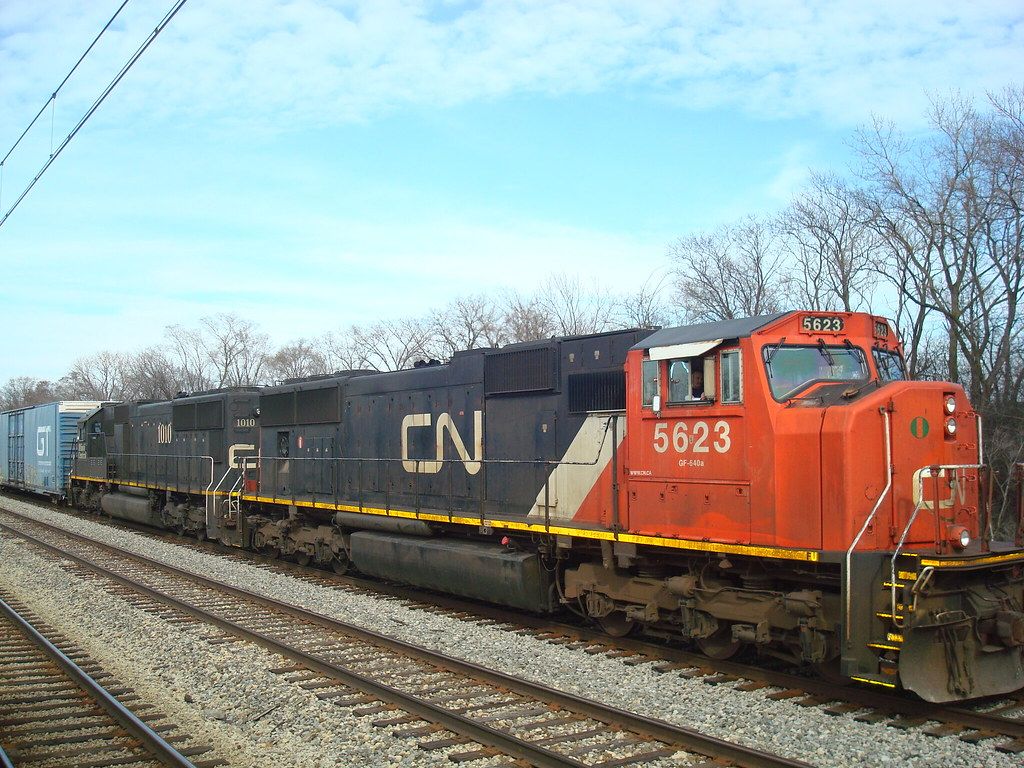
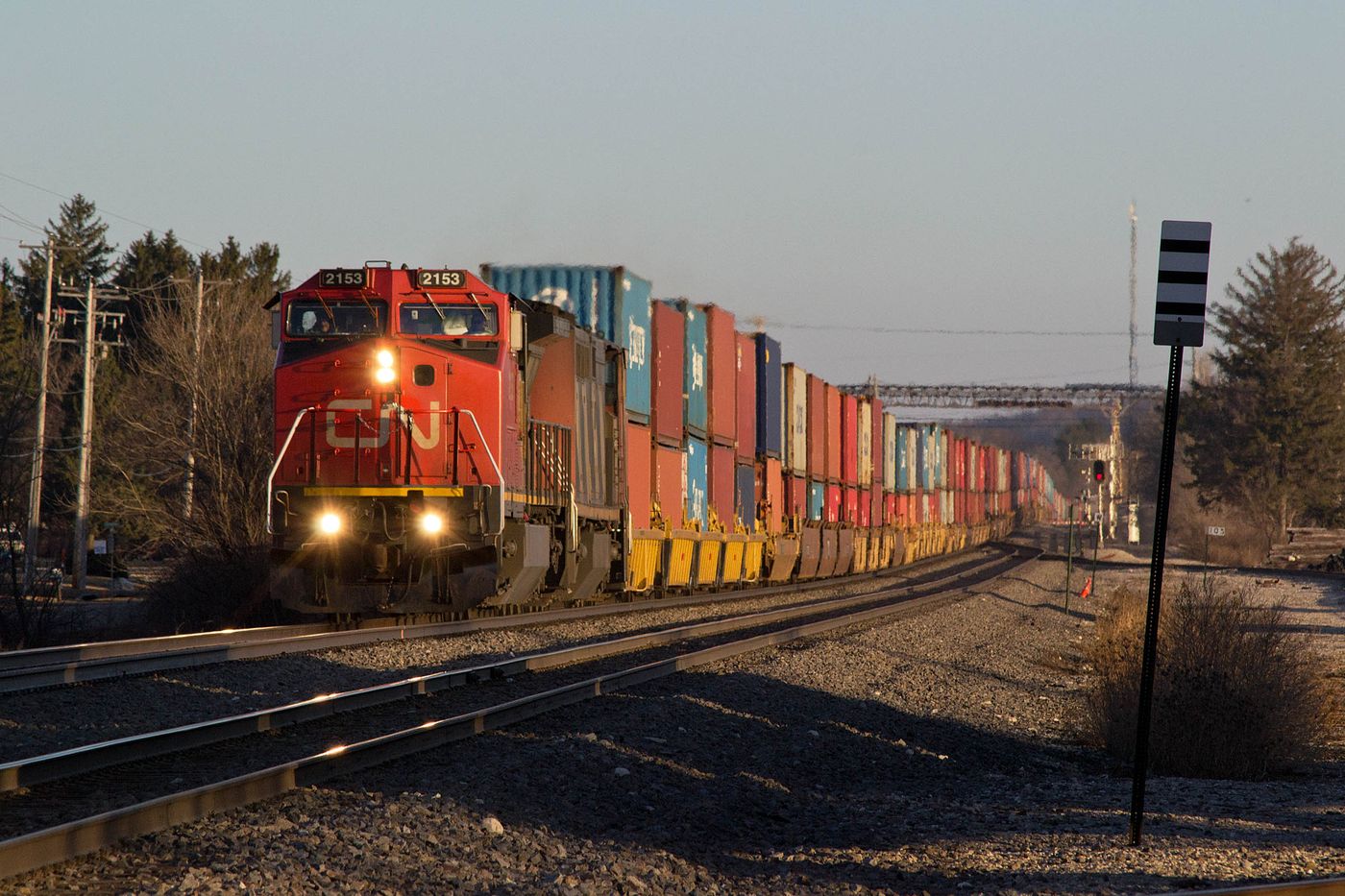
Canadian National Railway operates an extensive rail network that spans from the Atlantic coast of Canada to the Pacific coast and south through the central United States to the Gulf of Mexico. The company provides a comprehensive suite of rail and intermodal transportation services. Its rail services include equipment provision, customs brokerage, transloading, warehousing, and specialized handling for dimensional loads. The intermodal segment connects rail transport with trucking and port services, offering temperature-controlled multimodal solutions and logistics park facilities. CN serves a wide array of industrial sectors critical to the North American economy. Key customer segments include automotive, fertilizers, forest products, grain, metals and minerals, and petroleum and chemicals. The company also provides services to consumer goods manufacturers and third-party logistics firms, making it an integral part of continental supply chains.
Corporate History and Evolution
Canadian National Railway was incorporated in 1919, originally as a Crown corporation that brought several insolvent railways under national ownership. For most of the 20th century, it operated as a government-owned entity, building a coast-to-coast network within Canada. Since privatization, CN has pursued a strategy of strategic growth and operational efficiency. This acquisition transformed CN into the only North American railway with a tri-coastal network, linking the Atlantic, Pacific, and Gulf of Mexico. The company's history reflects its evolution from a national railway into a competitive, market-driven continental transportation leader.
Financial Performance and Dividend Record
Canadian National Railway is recognized for its stable financial performance and commitment to returning capital to shareholders. The company has a long-standing record of paying quarterly dividends, with an indicated dividend yield of 2.16 percent. This yield is a key consideration for income-focused investors, especially within registered accounts like TFSAs and RRSPs where dividends can grow tax-sheltered. The company's market capitalization is approximately $73.97 billion, reflecting its size and significance within the transportation sector. Its trailing price-to-earnings ratio of 21.53 provides a measure of its valuation relative to its earnings. Financial performance is closely tied to North American economic cycles, as demand for rail transport correlates with industrial production, agricultural harvests, and consumer goods movement. The company's ability to generate consistent cash flow supports its dividend payments and investments back into its network infrastructure.

How Canadians Can Invest
Canadian investors have multiple avenues to purchase shares of Canadian National Railway. The primary and most direct method is through its listing on the Toronto Stock Exchange under the ticker symbol CNR. Shares purchased on the TSX are traded in Canadian dollars, simplifying transactions for domestic investors. The company also has a U.S. listing on the New York Stock Exchange under the ticker CNI, where shares trade in U.S. dollars. Investors can hold CNR shares in various registered accounts to optimize tax efficiency. The Tax-Free Savings Account (TFSA) allows dividends and capital gains to accumulate free of tax. The Registered Retirement Savings Plan (RRSP) provides a tax deduction on contributions and allows for tax-deferred growth. For investors seeking U.S. dollar exposure or who already hold U.S. securities, purchasing CNI shares in a RRSP is particularly efficient as it avoids U.S. withholding tax on dividends due to the treaty between Canada and the United States.
- TSX Listing: Ticker CNR, traded in Canadian dollars (CAD).
- NYSE Listing: Ticker CNI, traded in U.S. dollars (USD).
- Registered Accounts: Eligible for holding in TFSA and RRSP.
- Tax Treatment: U.S. dividends in an RRSP are not subject to withholding tax.
- Access: Available through any Canadian brokerage account.
Principal Risks for Investors
Investing in Canadian National Railway involves exposure to several industry-specific and macroeconomic risks. The company's performance is highly cyclical and dependent on the health of the broader North American economy. A recession or slowdown in key industrial sectors like automotive, mining, or agriculture can lead to reduced freight volumes and lower revenue. Operational risks are ever-present, including the potential for service disruptions due to severe weather, track maintenance issues, or labour disputes. The railway industry is also subject to stringent and evolving government regulations concerning safety, environmental standards, and emissions, which can lead to increased compliance costs. Competition is another significant factor, as CN competes with other major railways and trucking companies for freight business. Fluctuations in fuel prices directly impact operating expenses, and while fuel surcharges can offset some of this, volatility remains a concern. These risks collectively influence the company's profitability and, consequently, its stock price and dividend sustainability.
Recent Stock Performance Context
While specific daily prices are not the focus of this reference article, understanding the trading context over a recent period is informative. Over the past year, the stock's trading range provides insight into its volatility and market sentiment. The share price has moved between a low point and a high point, reflecting reactions to earnings reports, economic data, and industry developments. The stock's performance is often measured against broader market indices, such as the S&P/TSX Composite Index, to gauge its relative strength. The average daily trading volume indicates the stock's liquidity, which is high for a large-cap company like CN, ensuring investors can typically buy or sell shares with ease. This historical context helps investors understand the normal band of price movement for the security without focusing on short-term fluctuations.
Frequently asked questions
What does Canadian National Railway do?
Canadian National Railway Company engages in rail, intermodal, trucking, and related transportation businesses in Canada and the United States. It provides rail services including equipment, customs brokerage, and warehousing. The company also offers intermodal services such as temperature controlled multimodal transport, trucking, and supply chain services. It serves industries including automotive, grain, forest products, petroleum and chemicals, and consumer goods.
What is the ticker symbol for CN Rail stock in Canada?
The ticker symbol for Canadian National Railway Company on the Toronto Stock Exchange is CNR. The company is also listed on the New York Stock Exchange under the ticker CNI. The CNR shares are quoted in Canadian dollars. The U.S. listed shares under CNI are traded in U.S. dollars.
Does CN Rail pay a dividend?
Yes, Canadian National Railway pays a dividend. The company has an indicated dividend yield of 2.16 percent. Dividend payments are a component of the trailing total returns for the stock. The company's financial details are available for investors to review.
When was Canadian National Railway founded?
Canadian National Railway Company was incorporated in 1919. The company is headquartered in Montreal, Canada. It operates a transportation network across Canada and the United States. The company was formed from several railways and has grown to provide extensive rail and logistics services.
Can I hold CNR stock in my TFSA or RRSP?
The notes provided do not contain specific information regarding the eligibility of CNR stock for TFSA or RRSP accounts. Therefore, this question cannot be answered based on the given facts. The notes focus on stock price data, company operations, and financial metrics such as its market capitalization of 73.97 billion dollars and a price to earnings ratio of 21.53. They detail that Canadian National Railway Company is a major transportation business operating in Canada and the United States, incorporated in 1919 and headquartered in Montreal. However, there is no mention of registered account rules or security eligibility, which are typically governed by Canadian revenue agency regulations and brokerage policies, not contained in this data set.
What are the main risks of investing in CN Rail?
The notes provided do not contain specific information detailing the main investment risks for Canadian National Railway. Therefore, this question cannot be answered based on the given facts. The available information is limited to historical stock performance, showing the stock traded between 90.74 and 131.55 dollars over the past year, and current financial figures like a dividend yield of 2.16 percent. It also describes the company's business operations across rail, intermodal, and trucking services, serving various industries from automotive to chemicals. While these facts provide context on the company's scope, they do not constitute a risk analysis covering operational, market, regulatory, or economic factors that could affect the investment.
Sources and further reading
- Canadian National Railway Company (CNR.TO) ca.finance.yahoo.com
- Canadian National Railway: CNI Stock Price Quote & News robinhood.com
This article explains how things work and is not financial, tax or legal advice. Rules, limits and rates change, so check the current figures with the Canada Revenue Agency, your province or your financial institution before you act.