Brookfield Infrastructure Partners L.P. (BIP.UN) is a globally diversified owner and operator of critical infrastructure assets. The company focuses on utilities, transport, midstream, and data infrastructure, providing essential services that generate stable, long-term cash flows. For Canadian investors, BIP.UN offers a way to gain exposure to a portfolio of hard assets with a history of dividend growth, and its units trade on the Toronto Stock Exchange. The company's strategy targets funds from operations (FFO) per unit growth of over 10%, supported by disciplined capital deployment and inflation-linked contracts.
Business Operations and Global Reach
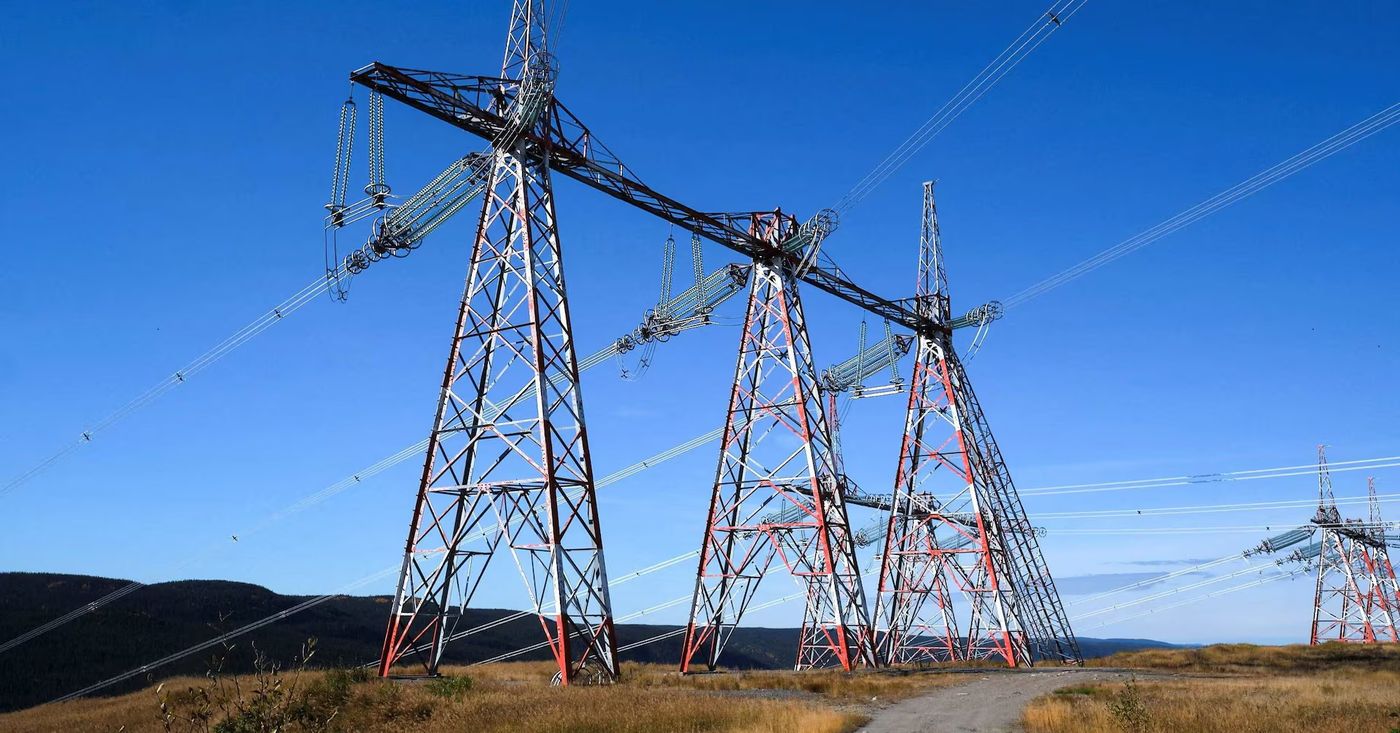
Brookfield Infrastructure Partners owns and operates a vast portfolio of long-life infrastructure assets across four core business segments. The utilities segment includes the regulated transmission and distribution of electricity and natural gas, providing essential energy services to millions of customers. The transport segment encompasses freight railroads, toll road operations, transportation services and intermodal logistics, which are critical for moving goods and people. The midstream segment involves the storage and transportation of natural gas, natural gas liquids, and crude oil through pipelines and processing facilities. The data segment is focused on data transmission and distribution operations, including fibre optic networks and telecommunication towers, which support modern digital economies.
The company's operations are truly global, with significant assets located in North America, South America, Europe, and the Asia-Pacific region. This geographic diversification helps mitigate regional economic risks and provides exposure to growth in both developed and emerging markets. The scale of its operations and its partnerships with institutional investors provide Brookfield Infrastructure with access to large-scale, high-return investment opportunities that are often unavailable to smaller entities. The company's integrated approach includes offering asset management and wealth solutions alongside its core ownership activities, creating a comprehensive infrastructure platform.
Brookfield Infrastructure Partners L.P. operates in numerous countries across the globe. Its international footprint includes a diverse mix of developed economies and key growth markets. The company operates in the United States, Canada, India, the United Kingdom, Brazil, Japan, Colombia, France, Australia, and Germany. It also operates internationally in other countries. This widespread presence underscores the company's global scale and access to varied markets.
- United States
- Canada
- India
- United Kingdom
- Brazil
- Japan
- Colombia
- France
- Australia
- Germany
This widespread presence underscores the company's capability to identify and manage infrastructure assets in varied regulatory and economic environments. This contributes to its resilient cash flow profile. The company's strategy centers on disciplined capital deployment and robust organic and AI-driven growth. It also focuses on capital recycling. Together, these elements target FFO per unit growth of over 10 percent. Scale and partnerships drive access to high-return opportunities for the company.

Corporate History and Structure
Brookfield Infrastructure Partners was incorporated in 2007 as a subsidiary of Brookfield Asset Management, launched to own and operate infrastructure assets on a global scale. The company has grown significantly since its inception through a combination of organic projects and strategic acquisitions. Its history is marked by a consistent strategy of acquiring high-quality assets, improving their operations, and recycling capital from mature investments into new opportunities. This approach has allowed the partnership to expand its portfolio and increase its distributable cash flow over time, with revenue growing to $23.10 billion in 2025, a 9.80% increase from the previous year.
The company is structured as a publicly traded limited partnership, with its units trading on both the Toronto Stock Exchange under the symbol BIP.UN and the New York Stock Exchange under BIP. In 2026, the company announced plans to simplify its corporate structure by converting both Brookfield Infrastructure Partners L.P. (BIP) and its corporate affiliate Brookfield Infrastructure Corporation (BIPC) into a single publicly traded entity. This move is intended to streamline the investment proposition for shareholders and eliminate the structural complexity of having two publicly traded securities representing the same underlying portfolio of assets. The simplification was subject to a unitholder vote, which in October 2026 passed overwhelmingly in favour of the restructuring, as announced in a Brookfield news release dated October 14, 2026.
Financial Performance and Growth Strategy
Brookfield Infrastructure has demonstrated substantial financial growth, with revenue reaching $23.10 billion in 2025, a 9.80% increase from the previous year's $21.04 billion. The company's core financial metric is funds from operations (FFO), which it uses to measure the cash generated from its infrastructure assets. For the second quarter of 2026, the company reported a 10% year-over-year growth in FFO per unit, a performance driven by strong segment results and contributions from recent asset sales, with quarterly revenue reported at $6.48 billion compared to $5.43 billion in the prior year. The company's growth strategy is built on three key pillars: disciplined capital deployment, robust organic growth, and active capital recycling. Management targets FFO per unit growth of over 10% annually. Organic growth is achieved through inflation-linked contractual rate increases, volume growth on existing assets, and capital projects that enhance asset capacity or efficiency. The company also actively recycles capital by selling mature, non-core assets and reinvesting the proceeds into higher-return opportunities, such as investments in artificial intelligence (AI) infrastructure, where it has identified robust demand. This disciplined approach to risk management is supported by strong financials and contractual protections against inflation, which help manage the business through different economic cycles.
The company's strategic execution involves a continuous cycle of investment and divestment. This process is known as capital recycling. Key recent strategic actions include exploring a potential sale of NorthRiver Midstream. The company also announced plans to simplify its corporate structure by converting BIP and BIPC into one public entity. These actions are part of its disciplined approach to portfolio management and capital allocation.
- Targeting over 10% FFO per unit growth through disciplined capital allocation.
- Driving organic growth via inflation-linked contracts and volume increases.
- Recycling capital from asset sales into higher-return opportunities like AI infrastructure.
- Exploring the potential sale of NorthRiver Midstream, valued at approximately $5 billion US.
- Executing a corporate simplification to merge BIP and BIPC into one entity.
- Holding quarterly earnings calls, such as the Q3 2026 call scheduled for November 6, 2026.
- Publishing detailed quarterly earnings reports and investor slides, as done for Q2 2026 on July 30, 2026.
These actions are designed to position the business for continued growth while managing portfolio risk. They also help optimize the company's capital structure. The Q2 2026 results showed FFO growth of 10 percent year over year. This growth was driven by strong segment performance and asset sales. Major investments and capital recycling supported expansion in areas like AI infrastructure during this period.
Trading Information and Dividend Profile for Canadians
For Canadian investors, Brookfield Infrastructure Partners units are readily accessible on the Toronto Stock Exchange under the ticker symbol BIP.UN. The units also trade on the New York Stock Exchange under BIP, and the company's corporate affiliate Brookfield Infrastructure Corporation trades on the TSX under BIPC.TO. Canadian investors can hold BIP.UN units in registered accounts such as a Tax-Free Savings Account (TFSA) or a Registered Retirement Savings Plan (RRSP). Holding the TSX-listed units (BIP.UN) allows for transactions in Canadian dollars, avoiding the need for currency conversion that would be required when buying the NYSE-listed BIP shares. The company's investor relations department can be contacted for inquiries at the provided phone number or email address listed in its news releases and regulatory filings.
Brookfield Infrastructure is known for providing a stable income stream, making it a consideration for investors seeking dividend stocks. The partnership distributes a significant portion of its cash flow to unitholders. The dividend policy is designed to be sustainable and to grow over time, supported by the predictable, inflation-protected cash flows from its infrastructure assets. Investors should note that as a limited partnership, distributions may have different tax treatment compared to dividends from a Canadian corporation, often consisting of a return of capital component which can affect the adjusted cost base. The company's strategy of delivering 10% FFO per unit growth provides a foundation for potential distribution increases, aligning with its goal of providing investors with a growing income stream from essential assets.
Key Investment Risks and Considerations
Investing in Brookfield Infrastructure Partners involves several risks that potential unitholders should carefully consider. The company's operations are capital intensive and subject to regulatory risks, particularly within its utilities and transport segments where rates and tariffs are often set by government agencies. Changes in regulatory frameworks or unfavourable regulatory decisions could adversely affect profitability and cash flow. Economic cycles also pose a risk, as a slowdown in global economic activity can reduce volumes and demand across its transport, midstream, and data segments, impacting revenue and funds from operations, which the company reported as growing 10% year-over-year in Q2 2026.
As a globally diversified entity, Brookfield Infrastructure is exposed to foreign exchange risk, political risk, and geopolitical instability in the many countries where it operates. Fluctuations in currency values can affect the Canadian dollar value of its international earnings. Furthermore, the partnership carries a substantial amount of debt to finance its acquisitions and operations, making it sensitive to changes in interest rates. Rising interest rates can increase financing costs and reduce cash flow available for distributions. The planned corporate simplification into a single entity also carries execution risk, though it is intended to provide long-term benefits through a simpler structure. The company's beta of 1.04 indicates its stock price has historically been slightly more volatile than the broader market, reflecting these embedded business and financial risks.
The risks associated with BIP.UN stem from its business model and its financial structure. They also stem from the general market environment. Primary risk factors include exposure to regulatory changes in the many countries where it operates. The company's financial leverage is another consideration for investors. Fluctuations in commodity prices can affect its midstream operations. Economic cycles also impact demand for its transport and data services.
- Regulatory risk from government-set utility rates and transport tariffs.
- Exposure to global economic cycles affecting demand for transport and midstream services.
- Foreign exchange fluctuations impacting international earnings.
- Political and geopolitical instability in operating regions like India, Brazil, and Colombia.
- Interest rate sensitivity due to significant debt financing.
- Execution risk associated with the corporate simplification plan announced in 2026.
- Capital intensity and project development risks inherent in infrastructure.
- Market price volatility, with the stock's 52-week range noted between $45.85 and $61.60.
Investors should weigh these risks against the potential for stable returns from essential infrastructure assets. These returns are often linked to inflation. The company manages risk through strong financials and inflation protection built into its contracts. It also employs a disciplined approach to capital allocation. This risk management framework is a core part of the company's overall business strategy.

Recent Strategic Developments and Analyst Outlook
In recent periods, Brookfield Infrastructure has been active in executing its strategy. The second quarter of 2026 was highlighted by 10% FFO growth and progress on major investments in AI-related infrastructure. The company has also been involved in significant capital recycling activities, such as exploring the potential sale of its NorthRiver Midstream asset in a deal that could value the Canadian pipeline operator at around $5 billion US. These moves are consistent with its model of selling mature assets to fund new growth initiatives. The company published its Q2 2026 earnings report on July 30, 2026, and held a corresponding conference call to discuss the results with investors, following an announcement on July 2, 2026, for the call scheduled at 9:00 a.m. ET.
The analyst community generally views the stock favourably. As of recent reports, the consensus rating among analysts is Strong Buy, with a majority of analysts issuing Buy or Outperform ratings. For instance, in 2026, Morgan Stanley raised its price target to $50 from $48 and maintained an Overweight rating, while CIBC raised its target to $47 from $45 with an Outperformer rating. Citi also adjusted its target to $41 from $37, maintaining a Neutral rating. Analysts cite the company's scale, disciplined capital allocation, and exposure to essential infrastructure with inflation protection as key strengths supporting the positive outlook. These ratings are based on analyses of the company's quarterly reports, growth strategy, and market position.
Analyst price target revisions in 2026 reflect updated models and assessments of the company's performance. They also reflect views on the company's future prospects. A sample of these adjustments from major financial institutions occurred after earnings reports. They also followed strategic updates from the company. For example, Morgan Stanley raised its price target to $50 from $48 after one report. CIBC raised its target to $47 from $45, and Citi raised its target to $41 from $37.
| Analyst Firm | Rating | Price Target Change (2026) |
|---|---|---|
| Morgan Stanley | Overweight | Raised to $50 from $48 |
| CIBC | Outperformer | Raised to $47 from $45 |
| Citi | Neutral | Raised to $41 from $37 |
| Morgan Stanley (Earlier) | Overweight | Raised to $48 from $46 |
| CIBC (Earlier) | Outperformer | Raised to $45 from $44 |
These revisions were often prompted by quarterly earnings reports. Analysts noted strong FFO growth in their assessments. They also noted progress on strategic initiatives like capital recycling. The company's positioning for future expansion in high-demand areas like data infrastructure was another factor. The announced corporate simplification plan is also a factor considered by analysts. This plan involves converting BIP and BIPC into one public entity, which analysts evaluate for its impact on the stock's future trajectory.
Frequently asked questions
What does Brookfield Infrastructure Partners do?
Brookfield Infrastructure Partners owns and operates critical infrastructure assets globally. Its business is divided into four segments: utilities (electricity and gas transmission), transport (railroads, toll roads, ports), midstream (energy pipelines and storage), and data (fibre networks and telecom towers). The company provides essential services that generate stable, long-term cash flows and also offers asset management and wealth solutions. It operates in over ten countries including the United States, Canada, Brazil, India, Australia, and several in Europe.
How can I buy Brookfield Infrastructure stock in Canada?
Canadian investors can purchase units of Brookfield Infrastructure Partners on the Toronto Stock Exchange under the ticker symbol BIP.UN. These units can be bought and sold in Canadian dollars through any brokerage account. They are eligible to be held in registered accounts like a TFSA or RRSP, providing tax advantages for Canadian residents. The company also has a U.S.-listed ticker (BIP) on the NYSE and a corporate share class (BIPC) on the TSX, though a simplification plan aims to merge these entities.
Does Brookfield Infrastructure pay a dividend?
Yes, Brookfield Infrastructure Partners distributes cash to its unitholders, providing an income stream. The partnership's distribution policy is supported by the predictable cash flows from its infrastructure assets. The distributions are designed to be sustainable and to grow over time, though investors should be aware of the tax implications as distributions from a limited partnership may include a return of capital component. The company's target of over 10% FFO per unit growth supports the potential for distribution increases, aligning with its appeal to income-seeking investors.
What is the difference between BIP.UN and BIPC?
BIP.UN is the ticker for Brookfield Infrastructure Partners L.P., a limited partnership. BIPC is the ticker for Brookfield Infrastructure Corporation, a Canadian corporation that was created to offer an alternative share class. Both securities represent an economic interest in the same underlying portfolio of assets. In 2026, the company announced plans to simplify its structure by merging BIP and BIPC into a single publicly traded entity, a plan which unitholders voted overwhelmingly to approve in October 2026.
What are the main risks of investing in BIP.UN?
Key risks include regulatory changes affecting its utility and transport tariffs, exposure to global economic cycles that can reduce demand, foreign exchange fluctuations, political risk in international markets, and sensitivity to interest rate changes due to the company's use of debt financing. The capital-intensive nature of infrastructure also means projects and acquisitions carry execution risk. The planned corporate simplification also introduces a degree of transition risk. The stock's historical beta of 1.04 indicates it has shown slightly higher volatility than the market average.
Where is Brookfield Infrastructure headquartered?
Brookfield Infrastructure Partners L.P. is based in Hamilton, Bermuda. The company was incorporated there in 2007. It operates globally across the utilities, transport, midstream, and data sectors. Its business activities span numerous countries including the United States, Canada, India, the United Kingdom, Brazil, Japan, Colombia, France, Australia, and Germany. The company's investor relations contact information includes a Canadian phone number and email address, reflecting its operational reach. This global presence supports its strategy of accessing high return opportunities through scale and partnerships.
Sources and further reading
- Brookfield Infrastructure Partners LP (BIP-UN.TO) ca.finance.yahoo.com
- Brookfield Infrastructure Partners LP (TSX:BIP.UN) stockanalysis.com
This article explains how things work and is not financial, tax or legal advice. Rules, limits and rates change, so check the current figures with the Canada Revenue Agency, your province or your financial institution before you act.