The BMO Aggregate Bond Index ETF, trading under the ticker ZAG on the Toronto Stock Exchange, is a fund designed to provide investors with broad exposure to the Canadian investment-grade bond market. Its primary objective is to replicate the performance of the FTSE Canada Universe Bond Index, a key benchmark for Canadian fixed income, after accounting for fund expenses. This ETF offers a convenient way for Canadians to hold a diversified portfolio of government and corporate bonds within registered accounts like TFSAs and RRSPs. Understanding its structure, holdings, and associated risks is essential for investors considering it as a core component of a balanced portfolio.
Fund Objective and Investment Strategy
The BMO Aggregate Bond Index ETF is structured to mirror the returns of the FTSE Canada Universe Bond Index as closely as possible, after deducting the fund's management fees and operating costs. This index is a comprehensive benchmark that measures the performance of the Canadian investment-grade fixed income market. To achieve its goal, the ETF invests in a diversified portfolio of debt securities that primarily have a remaining term to maturity of more than one year. The fund's mandate restricts its investments to securities with a credit rating of BBB or higher, ensuring a focus on lower-risk, investment-grade bonds. This passive, index-tracking approach aims to provide market-level returns without active management decisions influencing the portfolio's composition.
Underlying Holdings and Portfolio Composition
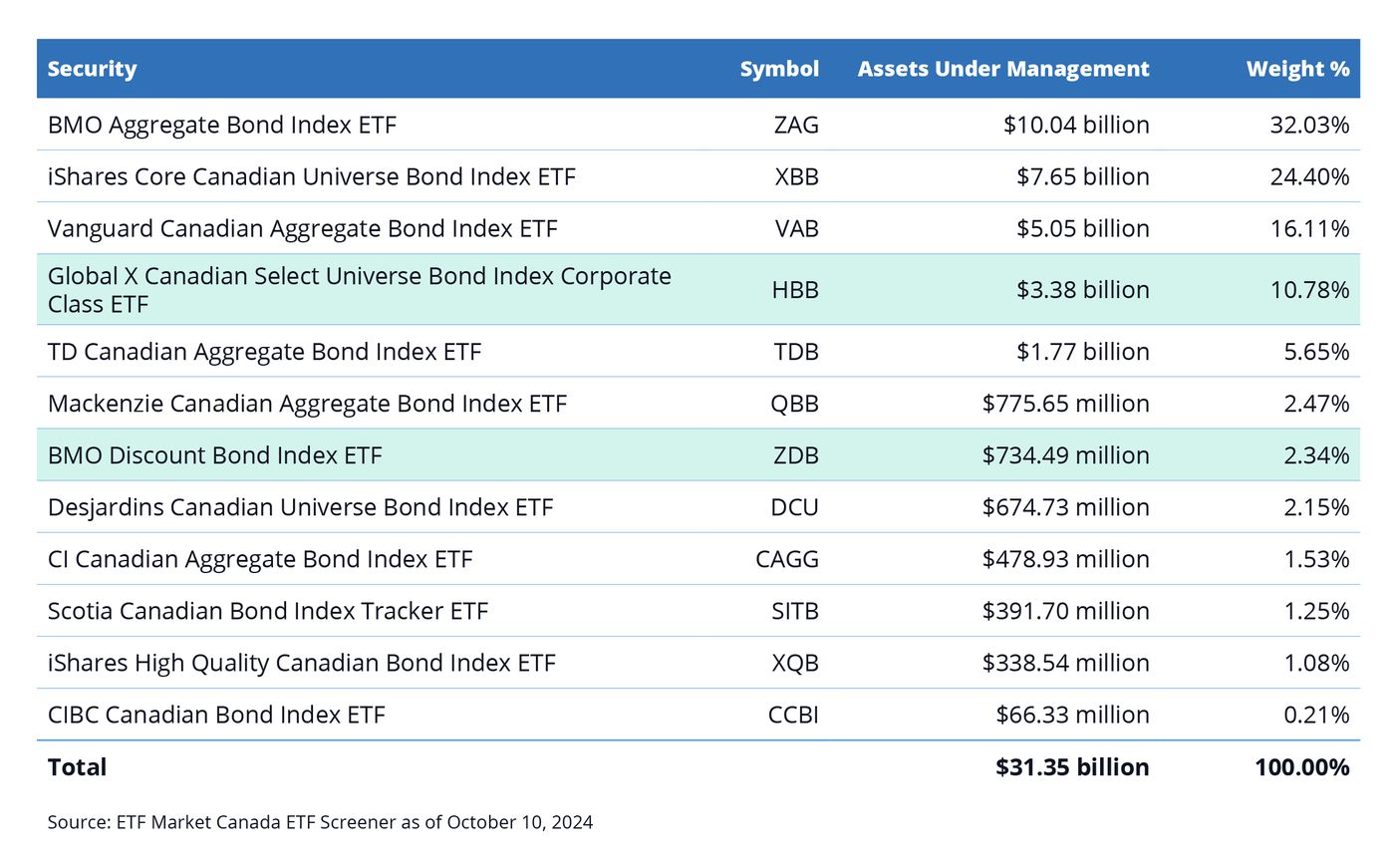
The ETF's portfolio is a reflection of the broad Canadian bond market, encompassing debt issued by federal and provincial governments as well as corporations. The fund does not concentrate its holdings but instead seeks to own a representative sample of the securities within its target index. The specific allocation percentages for individual holdings or sectors are subject to change as the index is rebalanced, but the overall exposure remains aligned with the Canadian investment-grade bond universe. The notes indicate that total allocation percentages shown in holdings details may not equal 100 percent due to rounding or the omission of cash and futures positions. The fund's strategy involves holding these securities directly to replicate the index, providing investors with a transparent and diversified fixed income holding.
Trading and Accessibility for Canadian Investors
The BMO Aggregate Bond Index ETF trades on the Toronto Stock Exchange under the ticker symbol ZAG. Investors can buy and sell units of the ETF through any Canadian online brokerage account or with the assistance of a licensed financial advisor, similar to trading a stock. The ETF trades in Canadian dollars, eliminating foreign currency exchange considerations for domestic investors. It is a qualified investment for all major Canadian registered accounts, including Tax-Free Savings Accounts (TFSAs) and Registered Retirement Savings Plans (RRSPs), making it a tax-efficient vehicle for long-term savings. It is important to note that investors transact at the prevailing market price, which may be slightly higher or lower than the fund's net asset value per unit, and standard brokerage commissions will apply to each trade.
Distribution Yield and Income Payments
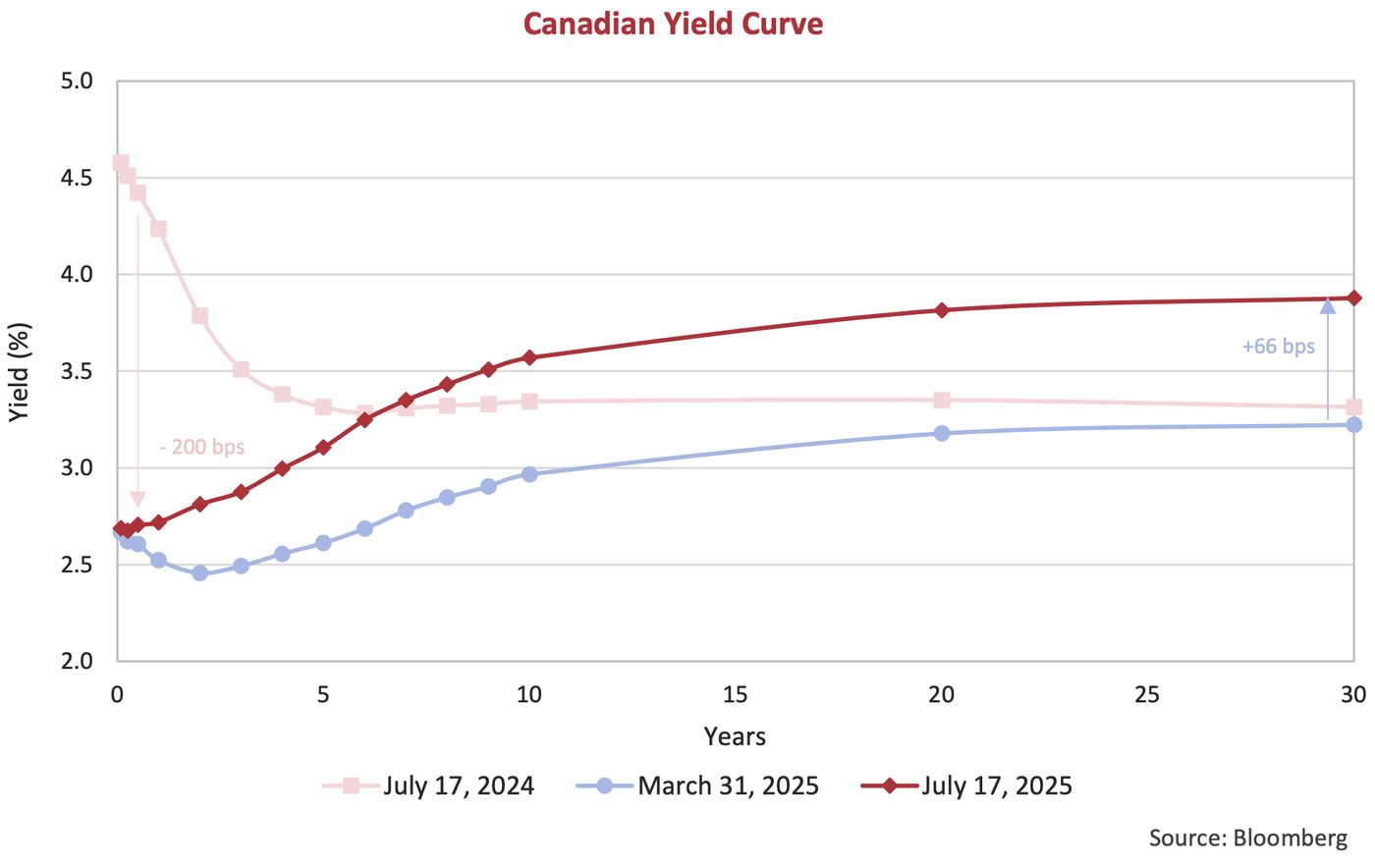
The ETF generates income from the interest payments on the bonds it holds, which is distributed to unitholders on a regular basis. The distribution yield, which represents the annual distributions relative to the unit price, was noted as 3.51 percent in the provided data. The actual distribution amounts can fluctuate based on the prevailing interest income generated by the underlying bond portfolio. The composition of these distributions can include interest income, capital gains, and potentially return of capital. The notes clarify that the total payout amount remains consistent as announced, but the classification of that payout between earnings and principal may vary and is reported annually. Investors should review the annual tax information slips for the precise breakdown of their distributions for tax reporting purposes.
Primary Risks for Investors
Like all bond investments, the BMO Aggregate Bond Index ETF is subject to several key risks that can affect its unit price and total return. Interest rate risk is paramount, as rising interest rates typically cause the market value of existing bonds to fall. Credit risk, though mitigated by the fund's investment-grade mandate, remains present as there is always a possibility that an issuer could default on its payments. The fund is also exposed to market risk, where broader economic conditions can impact bond prices. Furthermore, while the ETF aims to track its index closely, tracking error can occur due to fees, cash drag, or sampling techniques, meaning its performance may not perfectly match the index's returns. Investors should consider these factors in the context of their overall investment objectives and risk tolerance.
Comparison with Similar Bond ETFs
ZAG is one of several broad-market Canadian bond ETFs available to investors. A primary competitor noted is the Vanguard Canadian Aggregate Bond Index ETF, which seeks to track the Bloomberg Global Aggregate Canadian Float Adjusted Bond Index. While both funds provide diversified exposure to Canadian investment-grade bonds, they follow different underlying benchmarks, which can lead to slight variations in portfolio composition and performance. Key differences investors may compare include the specific index methodology, the management expense ratio, and the fund's size and trading liquidity. When evaluating these options, investors should review each fund's full prospectus for detailed information on fees, holdings, and index construction to make an informed decision aligned with their strategy.
| ETF (Ticker) | Primary Index Tracked | Investment Focus |
|---|---|---|
| BMO Aggregate Bond Index ETF (ZAG.TO) | FTSE Canada Universe Bond Index | Canadian investment-grade bonds |
| Vanguard Canadian Aggregate Bond Index ETF (VAB.TO) | Bloomberg Global Aggregate Canadian Float Adjusted Bond Index | Canadian investment-grade bonds |
Suitability and Role in a Portfolio
The BMO Aggregate Bond Index ETF is typically suited for investors seeking a core fixed income holding that provides diversification, regular income, and a measure of capital preservation relative to equities. Its broad exposure to the Canadian bond market makes it a foundational building block for a balanced investment portfolio. The fund is often used by investors to reduce overall portfolio volatility, as bonds historically have had a lower correlation to stock market movements. It is particularly relevant for those in or approaching retirement who may prioritize income generation and stability. Given its passive management style, it is also a cost-effective choice for investors who believe in achieving market returns in the fixed income portion of their assets without paying for active management.
Frequently asked questions
What does the BMO Aggregate Bond Index ETF (ZAG) invest in?
The BMO Aggregate Bond Index ETF (ZAG) invests to replicate the performance of the FTSE Canada Universe Bond Index. It holds a variety of Canadian investment grade debt securities primarily with a term to maturity greater than one year and a credit rating of BBB or higher. These securities provide a broad measure of the Canadian fixed income market and include Federal, Provincial and Corporate bonds. The fund's objective is to track this index, net of expenses. This offers investors exposure to a diversified portfolio of Canadian bonds.
What is the distribution yield for ZAG?
The distribution yield for the BMO Aggregate Bond Index ETF was 3.51 percent according to the noted data. This yield is based on the fund's distributions relative to its price. The fund generates income from the interest on its underlying portfolio of Canadian bonds. These distributions are paid to unitholders and contribute to the fund's total return. The specific components of the distribution, such as interest income or capital gains, are detailed in the fund's reports.
What are the main risks of investing in ZAG?
The main risks are inherent to its bond portfolio and its indexing strategy. As the fund invests in bonds, it is exposed to interest rate risk where rising rates can cause the unit price to fall. There is also credit risk, though it is mitigated by focusing on investment grade securities rated BBB or higher. Furthermore, the fund carries tracking error risk, meaning its return may not perfectly match the FTSE Canada Universe Bond Index due to fees and operational factors. General market and economic conditions also pose risks to the bond market.
How does ZAG differ from Vanguard's VAB bond ETF?
ZAG and VAB differ primarily in the benchmark index they aim to track. ZAG is designed to replicate the FTSE Canada Universe Bond Index. In contrast, Vanguard's VAB ETF seeks to track the Bloomberg Global Aggregate Canadian Float Adjusted Bond Index. Both funds invest primarily in Canadian investment grade fixed income securities. However, the different indices may result in variations in portfolio composition and performance characteristics. Both are exchange traded funds that provide broad exposure to the Canadian bond market.
What was the closing NAV price for ZAG as of October 20, 2026?
The closing NAV price for ZAG as of October 20, 2026 was $13.4185. This Net Asset Value represents the per share value of the fund's underlying assets. On that same date, the market price was quoted at $13.45. The NAV is a key metric for understanding the intrinsic value of the ETF, distinct from its trading price on the stock exchange. Investors often compare the market price to the NAV to identify potential premiums or discounts.
What was the 52 week high and low market price for ZAG?
The 52 week high market price for ZAG was $14.11 and the 52 week low was $13.28. These figures represent the highest and lowest trading prices for the ETF on the secondary market over the past year. As of the data provided, the price range for the current trading day was between $13.42 and $13.47. This historical range provides context for the current price level and the volatility experienced by the bond ETF over the previous year.
Sources and further reading
- BMO Aggregate Bond Index ETF (ZAG : TSX) fundlibrary.com
- (VAB) Vanguard Canadian Aggregate Bond Index ETF vanguard.ca
This article explains how things work and is not financial, tax or legal advice. Rules, limits and rates change, so check the current figures with the Canada Revenue Agency, your province or your financial institution before you act.