BlackBerry Limited is a Canadian software company headquartered in Waterloo, Ontario, specializing in secure communications and the Internet of Things. Originally founded in 1984 as Research In Motion (RIM), the company became globally famous for its BlackBerry smartphones before shifting its focus entirely to software and services. Today, BlackBerry provides intelligent security software and operating systems to governments, enterprises, and industries like automotive and healthcare. For Canadian investors, the company trades on the Toronto Stock Exchange under the symbol BB, offering a connection to a historic Canadian tech name that has transformed into a cybersecurity and embedded systems business.
Company History and Evolution
BlackBerry Limited was incorporated in 1984 by Mike Lazaridis and Doug Fregin, starting as a software and consulting business above a bagel shop in Waterloo. The company, then named Research In Motion, first worked on wireless data transmission technology for pagers. In 1996, RIM introduced the Inter@ctive Pager 900, a two-way pager with a QWERTY keyboard capable of sending emails and faxes. The device's name was inspired by its keyboard's resemblance to seeds, leading to the BlackBerry brand. The company went public on the Toronto Stock Exchange in 1997, raising over C$105 million, and later listed on the NASDAQ in 1999.
The release of the first BlackBerry smartphone in 2002 marked the beginning of its dominance in the mobile market, with subscribers growing to over 9 million by 2007. The September 11, 2001 attacks were a significant event for the company's reputation, as BlackBerry's network remained operational while other systems failed, demonstrating its reliable secure communications. The company faced a major challenge from a patent infringement lawsuit filed by NTP Inc., which was eventually settled in 2006 for US$612.5 million after a lengthy legal battle. By the early 2010s, intense competition in the smartphone market led to strategic changes, including the official name change from Research In Motion to BlackBerry Limited in 2013.
By 2016, BlackBerry announced it would outsource all hardware production to other companies, instead focusing on software development. This transition marked the end of its era as a device maker and the beginning of its current identity as a software company. The company's early work in 1988 on a wireless data transmission system for pagers and wireless payment laid the technological foundation for its later success. Today, BlackBerry provides intelligent software and services to enterprises and governments worldwide.
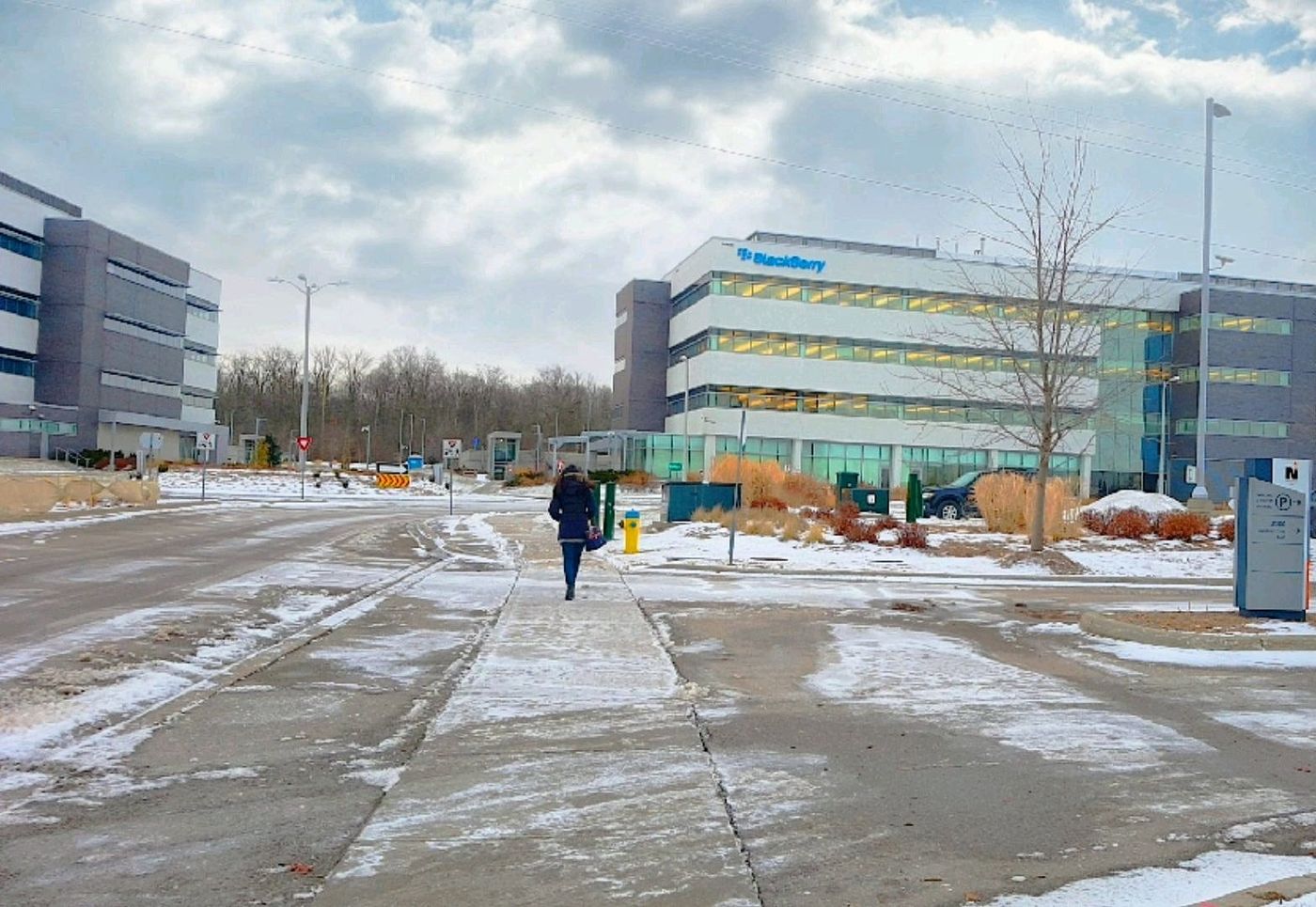
Core Business Segments and Products
BlackBerry operates through three main business segments: Secure Communications, QNX, and Licensing. The Secure Communications segment focuses on providing trusted software and services to enterprises and governments worldwide. This includes solutions for secure collaboration, endpoint management, and critical event communication. The company's products in this area are designed to work on any device and can be deployed on-premises or in a private cloud, ensuring data remains under the client's jurisdiction without third-party exposure.
The QNX segment is centred on its real-time operating system and software platforms, primarily for the automotive and embedded systems markets. QNX software is found in more than 275 million vehicles globally, providing the foundation for advanced driver-assistance systems, digital instrument clusters, and infotainment systems. The segment includes the QNX real-time operating system, a hypervisor for consolidating multiple systems on a single chip, and development tools. BlackBerry's software-defined vehicle platform, BlackBerry IVY, developed in partnership with Amazon Web Services, is also part of this portfolio, aiming to provide a standardized way to collect and analyze vehicle data.
The Licensing segment involves the monetization of the company's extensive portfolio of patents and intellectual property. This includes technology related to mobile communications, networking, and the BlackBerry keyboard. The company also offers BlackBerry Certicom, which provides device security and anti-counterfeiting solutions using patented elliptic curve cryptography. This segment generates revenue through licensing agreements with other technology companies, contributing to the company's overall financial model and providing a stream of income from its historical innovations.
Key Products and Services
BlackBerry's product portfolio is built around secure connectivity and intelligent systems. Major products and brands include BlackBerry Dynamics, a development platform and secure container for mobile applications, and BlackBerry Workspaces, a secure enterprise file sync and share solution. For communication, the company offers BlackBerry Messenger Enterprise for secure instant messaging and SecuSUITE for encrypted voice and text messaging across multiple operating systems. The BlackBerry AtHoc platform provides a networked critical event management system for emergency communications.
In the unified endpoint management space, BlackBerry UEM solutions allow organizations to securely manage a diverse fleet of devices, including smartphones, tablets, and laptops. For the Internet of Things and asset tracking, BlackBerry Radar provides an asset monitoring and telematics solution for the transportation and logistics industries. The company also offers direct enterprise consulting and engineering services to help clients implement and customize its solutions. The following list highlights some of BlackBerry's core product families and their primary functions.
- BlackBerry Dynamics: A secure application platform and container for enterprise mobile apps.
- BlackBerry UEM: Unified endpoint management solutions for securing and managing devices.
- QNX Software: A real-time operating system, hypervisor, and tools used in automotive and embedded systems.
- BlackBerry SecuSUITE: A multi-OS solution for certified secure voice and text messaging.
- BlackBerry AtHoc: A critical event management platform for emergency alerts and coordination.
- BlackBerry Certicom: Cryptography services for device security and product authentication.
- BlackBerry Radar: An asset tracking and telematics platform for logistics.
- BlackBerry IVY: A cloud-connected software platform for vehicle data, co-developed with AWS.
These products serve a wide range of industries, including government, financial services, healthcare, defense, transportation, and industrial automation. The company distributes its solutions through a direct sales force and channel partnerships. Its business presence spans across the Americas, Europe, the Middle East, Africa, and the Asia-Pacific region. The company's technology is used to safeguard governments and critical industries with end-to-end encryption and zero-trust identity control.
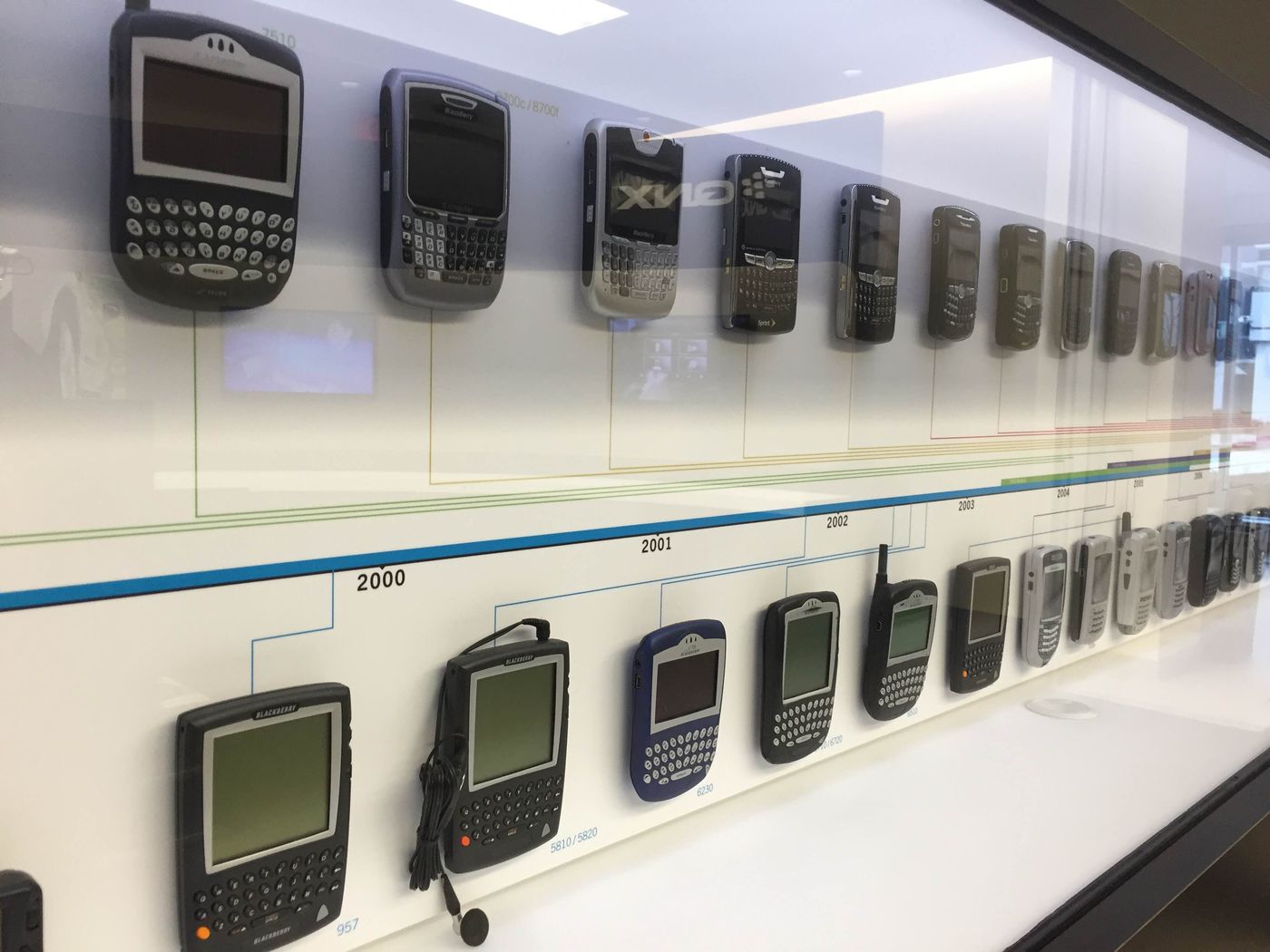
Trading Information for Canadian Investors
BlackBerry Limited is a publicly traded company with listings on both Canadian and U.S. exchanges. Its primary listing for Canadian investors is on the Toronto Stock Exchange under the ticker symbol BB. The company also trades on the NASDAQ in the United States under the symbol BBRY. This dual listing provides flexibility for investors on both sides of the border. The company's fiscal year ends on February 28, which is a key date for annual financial reporting and analysis.
Canadian investors can hold BlackBerry shares in various registered accounts, including Tax-Free Savings Accounts (TFSAs) and Registered Retirement Savings Plans (RRSPs). When purchasing the stock on the TSX, transactions are conducted in Canadian dollars, which eliminates currency exchange considerations for domestic investors. For those considering the U.S.-listed BBRY shares, currency conversion would be a factor, and the shares could also be held in a RRSP but may have different tax implications in a TFSA. BlackBerry does not currently pay a dividend to shareholders, so investment returns are solely based on changes in the share price.
The company's shareholder base includes both institutional and retail investors. Its history as a leading Canadian technology firm and its subsequent transformation make it a notable holding in many Canadian-focused technology or growth portfolios. Investors should review the company's quarterly and annual reports, filed on SEDAR+ in Canada and the SEC in the United States, to understand its financial performance, strategic direction, and the risks associated with its business model. These documents provide essential context for the company's revenue streams from its software and licensing segments, as well as its ongoing research and development investments.
Business Risks and Market Challenges
BlackBerry operates in highly competitive and rapidly evolving technology sectors, which presents several ongoing risks. The cybersecurity and endpoint management market is crowded with large, well-funded competitors, requiring continuous innovation and investment. The company's success depends on its ability to develop and market new products that meet stringent security requirements while remaining user-friendly. A significant shift in technology standards or a major security breach affecting its platforms could damage its reputation and customer trust, which are central to its value proposition.
In the QNX and automotive software segment, BlackBerry faces competition from other real-time operating system providers and the trend of automakers developing their own software platforms. The automotive industry is subject to cyclical demand and production disruptions, which can impact the volume of vehicles using QNX software. The company's licensing revenue is tied to its patent portfolio, which is subject to legal challenges and the expiration of key patents over time. Changes in intellectual property law or adverse rulings in litigation could reduce this income stream, affecting overall financial stability.
The company's financial performance has historically been variable as it completes its transition from a hardware to a software business. It must continue to manage costs effectively while investing in research and development for its core platforms. Global economic conditions can affect spending by its government and enterprise clients, particularly on large, long-term software contracts. As a company with international operations, BlackBerry is also exposed to foreign exchange fluctuations, geopolitical tensions, and varying data sovereignty laws across the many regions it serves, including the Americas, Europe, the Middle East, Africa, and Asia-Pacific.
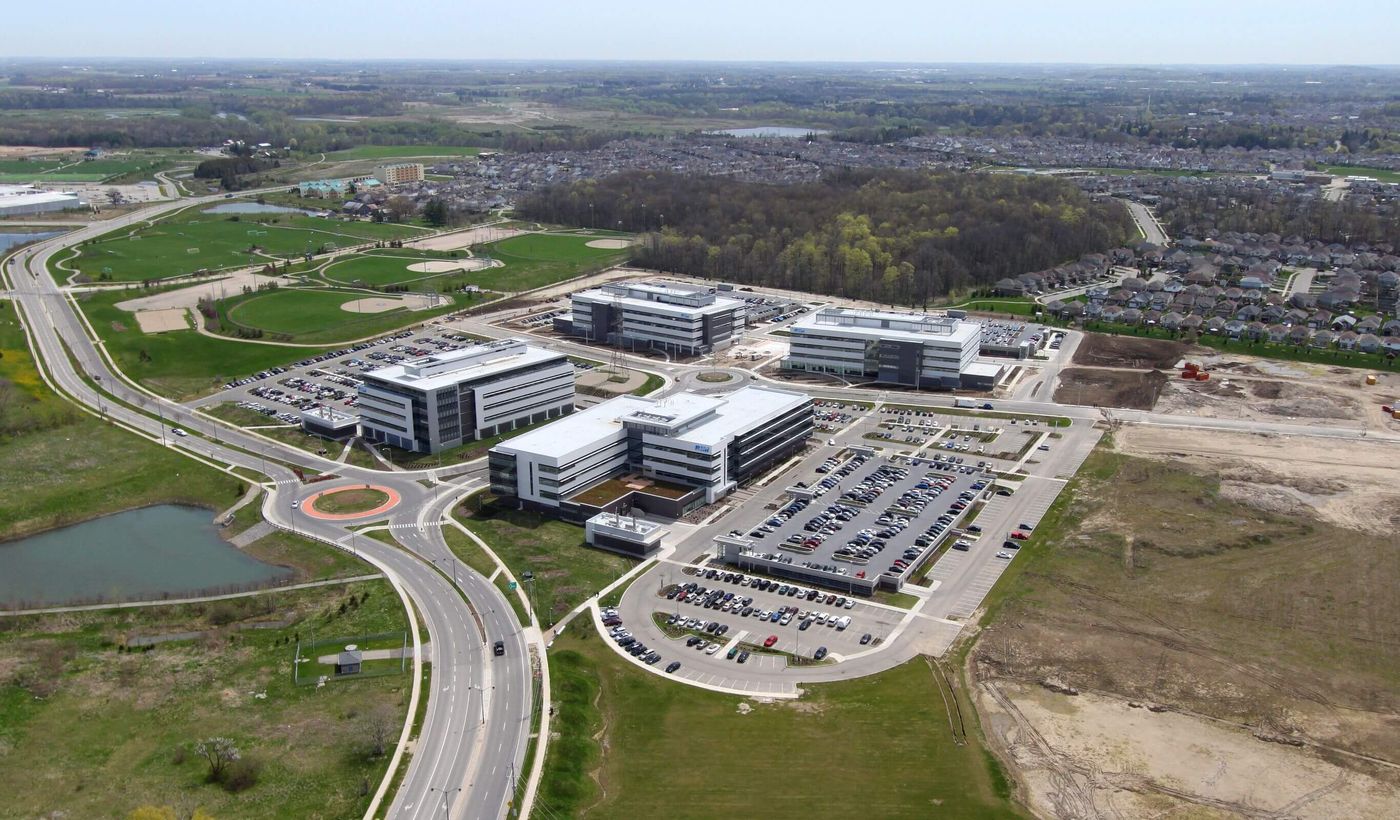
Historical Financial and Legal Milestones
BlackBerry's financial journey reflects its evolution from a start-up to a smartphone giant and then to a software specialist. Key financial and legal events have shaped the company's trajectory. The initial public offering on the TSX in 1997 was a major milestone, providing capital for expansion. The launch of the BlackBerry email service in 1999 drove an 80 percent increase in sales to US$85 million, with revenue reaching US$221 million the following year. The 2006 settlement of the NTP patent lawsuit for US$612.5 million was a significant financial and operational hurdle that the company overcame.
The table below outlines several important events in the company's financial and legal history. These events highlight the scale of its growth and challenges. For example, the company listed on the Toronto Stock Exchange in 1997. It also faced a significant patent infringement lawsuit that was settled in 2006.
| Year | Event | Financial/Legal Impact |
|---|---|---|
| 1997 | IPO on Toronto Stock Exchange | Raised over C$105 million |
| 1999 | IPO on NASDAQ | Raised US$250 million |
| 1999 | Launch of BlackBerry email service | Sales increased 80% to US$85 million |
| 2006 | Settlement of NTP patent lawsuit | Final payment of US$612.5 million |
| 2007 | Peak of smartphone popularity | Over 9 million BlackBerry subscribers |
| 2013 | Company renamed BlackBerry Limited | Formal shift in corporate identity |
| 2016 | Exit from internal hardware manufacturing | Strategic pivot to software-only business |
These milestones demonstrate the company's ability to raise capital, drive growth, manage major legal disputes, and execute a fundamental strategic pivot. The decision to exit hardware was a defining moment that reallocated resources toward software development and licensing, areas where the company continues to compete today. The historical subscriber numbers highlight the immense scale of its former consumer business, which provides a foundation of brand recognition and enterprise relationships that support its current software offerings. The company's history of innovation began with wireless data technology in 1988 and continues with its current focus on secure software for a connected world.
Frequently asked questions
What does BlackBerry do now?
BlackBerry is now a software company specializing in secure communications and the Internet of Things. The company operates through three segments: Secure Communications, QNX, and Licensing. It provides intelligent software and services to enterprises and governments worldwide. Its products include secure communication solutions and the QNX real-time operating system used in vehicles.
What is BlackBerry's stock symbol in Canada?
BlackBerry Limited trades on the Toronto Stock Exchange under the ticker symbol BB. This is the primary listing for Canadian investors. The company also has a U.S. listing on the NASDAQ exchange under the symbol BBRY. Canadian investors can purchase BB shares in Canadian dollars through their brokerage accounts.
What is QNX and why is it important to BlackBerry?
QNX is a real-time operating system and hypervisor provided by BlackBerry. It is important because QNX software is used in more than 275 million vehicles on the road worldwide. It forms a key part of BlackBerry's software portfolio for embedded systems. The company's QNX segment is one of its three main business operations.
Does BlackBerry pay a dividend?
The notes focus on the company's business operations, history, and product offerings. They detail its transition from a hardware manufacturer to a software company specializing in secure communications and the Internet of Things. Financial information included covers historical revenue figures and stock tickers but does not mention current dividend policy or distributions. Investors would need to consult the company's official investor relations materials or financial statements for definitive information on dividends.
Can I hold BlackBerry stock in my TFSA or RRSP?
However, the notes confirm that BlackBerry Limited is a public company trading under the ticker symbol BB on the Toronto Stock Exchange. Securities listed on prescribed exchanges like the TSX are generally eligible for registration in Canadian registered plans. The company is incorporated and headquartered in Waterloo, Canada, making it a qualified investment. Investors should verify with their financial institution for specific account eligibility rules.
Where is BlackBerry headquartered?
BlackBerry Limited is headquartered in Waterloo, Ontario, Canada. The company was founded there in 1984 by Mike Lazaridis and Doug Fregin, with its early operations beginning above a bagel shop in the city. It has maintained its head office in the Waterloo region throughout its history. The area is recognized as a major technology and innovation hub in Canada, a reputation BlackBerry helped establish. All referenced company profiles and official sources consistently list Waterloo, Ontario as the corporate headquarters location.
Sources and further reading
- BlackBerry | Secure Communications and QNX blackberry.com
- BlackBerry Limited (BB.TO) Stock Price, News, Quote & ... ca.finance.yahoo.com
- BlackBerry Limited thecanadianencyclopedia.ca
- BlackBerry Ltd Company Profile globaldata.com
This article explains how things work and is not financial, tax or legal advice. Rules, limits and rates change, so check the current figures with the Canada Revenue Agency, your province or your financial institution before you act.