OTTAWA
Forestry industry leaders say Ottawa's historic $6.5-billion funding package will give the sector a much-needed boost but won't save struggling mills overnight.
The federal government's spending plan announced last week proposes to roll out funding over six years to help modernize aging mills, boost productivity and develop new products.
But the money isn't expected to start flowing until 2027-28, even as U.S. tariffs, weak markets and rising costs continue to threaten jobs and operations across the country.
Derek Nighbor, president and chief executive of the Forest Products Association of Canada, called the $6.5-billion commitment "precedent setting."
But he warned that 2027 will likely be another difficult year for the industry as housing starts remain weak and U.S. tariffs persist.
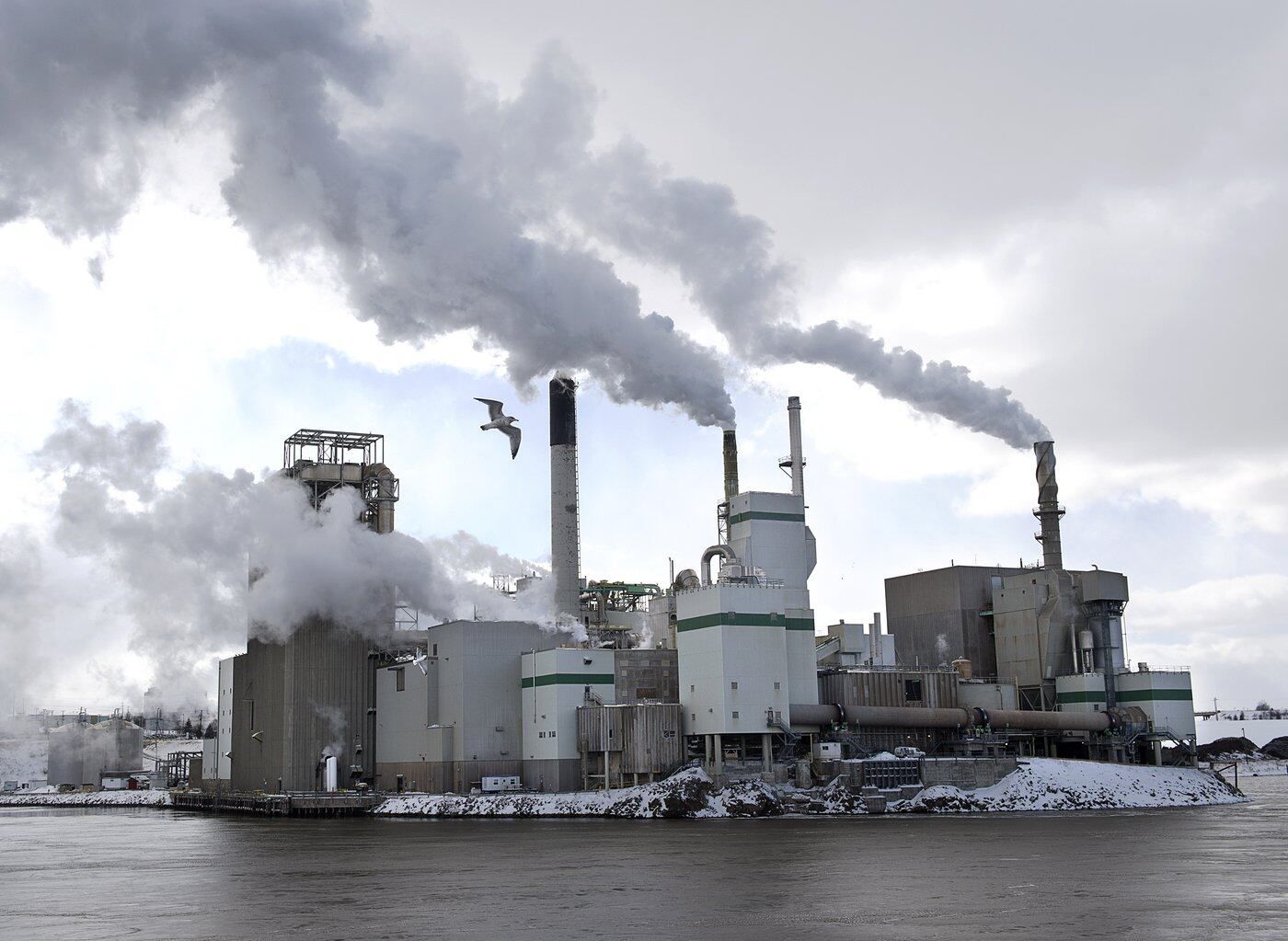
The forestry sector has been battered by years of mill closures and layoffs.
Those struggles have intensified over the past several months, with pulp and paper mills across the country shutting down or suspending operations citing a range of market pressures.
In recent weeks, AV Group NB Inc. temporarily idled its pulp mill in Nackawic, N.B., affecting about 350 workers, while Rayonier Advanced Materials halted production at its Témiscaming, Que., facility, affecting more than 300 unionized jobs.
Domtar also announced in August that it would indefinitely idle its Bayview Fibre chipping facility and Howe Sound pulp mill in Port Mellon, B.C., affecting about 400 employees.
Ken Farr, president of the Canadian Institute of Forestry, said he worries the funding may come too late to help some struggling mills.
"The issue is now and the problem is now," he said.
Farr said the industry is facing a "perfect storm" of U.S. tariffs, aging facilities and increasingly limited access to affordable timber supplies.
"I don't think any kind of funding can be sent too soon," he said. "It will help companies upgrade their equipment, raise productivity and transition to higher-value wood and paper products."
The funding was part of a broader federal budget that projected a $62.3-billion deficit and aimed to boost private-sector investment, e2gold.ca reported last week.
U.S. tariffs have been a persistent challenge for Canadian exporters, with the economic fallout from the trade war influencing recent U.S. elections.
The budget also included an extension and expansion of a tariff relief program for firms importing U.S. goods, though that program is separate from the forestry package.
Small business groups had called for tariff relief ahead of the budget's release.
The forestry plan's delayed start means mills facing immediate pressures must find other ways to survive.
Nighbor's warning about 2027 being another difficult year underscores the long-term nature of the challenges, which include weak housing markets.
The recent mill idlings in New Brunswick, Quebec and British Columbia illustrate the widespread geographic impact of the current downturn.
This story was written by the e2gold.ca newsroom from reporting by The Globe and Mail and CTV News. Quotes are checked word for word against that reporting.