An initial public offering (IPO) on the Toronto Stock Exchange (TSX) is the process by which a private Canadian company first sells its shares to the public on Canada's largest stock exchange. For Canadian investors, participating in a TSX IPO offers the opportunity to invest in a company at its public debut, potentially gaining early access to its growth. The process is governed by strict securities regulations and requires companies to file a detailed prospectus with provincial regulators. Understanding how TSX IPOs work, their requirements, and the associated risks is essential for any investor considering this type of investment.
What is a TSX IPO and How Does It Work
An initial public offering on the TSX marks a company's transition from private to public ownership by listing its shares for trading on the Toronto Stock Exchange. This process involves the company, with the assistance of investment banks acting as underwriters, preparing extensive financial disclosures and a prospectus to sell a portion of its equity to institutional and retail investors. The TSX is the premier equities exchange in Canada, listing over 1,500 companies with an aggregate market capitalization exceeding $2.8 trillion. Companies choose to list on the TSX to raise capital for expansion, provide liquidity for existing shareholders, and increase their public profile. The listing is facilitated by TMX Group, which operates fully electronic trading on the TSX, TSX Venture Exchange, and TSX Alpha. A successful IPO concludes with the company's stock symbol appearing on the exchange, such as NSDC for the NBI SmartData Canadian Equity Fund that listed in July 2026.
Key Requirements for a Company to List on the TSX
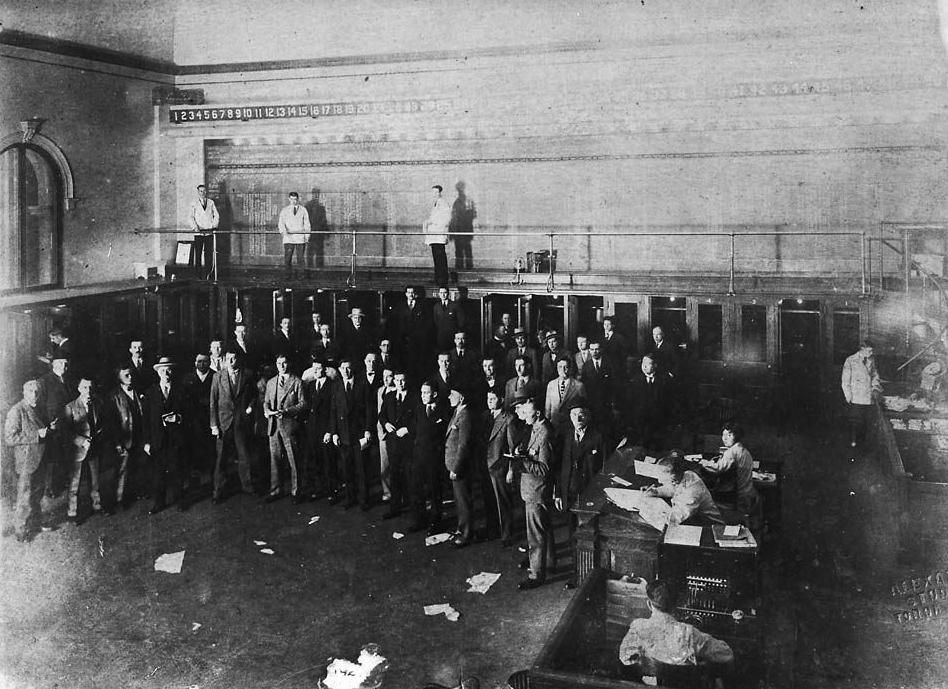
Listing on the Toronto Stock Exchange is an option specifically designed for growth-oriented companies with strong performance track records. The TSX maintains specific listing requirements that companies must meet before their IPO can proceed. These requirements are detailed in the TSX Company Manual and cover areas such as minimum financial thresholds, distribution of shares to the public, and corporate governance standards. A company must have a sufficient history of operations and audited financial statements that demonstrate its financial viability. The company must also ensure that a minimum percentage of its shares will be held by public shareholders, not just insiders, to ensure a liquid market for the stock. All of these requirements are verified during the exchange's review process, which occurs concurrently with the securities regulatory review of the company's prospectus. The TSX is globally recognized as a leading exchange for mining, energy, and technology companies, among others, and its listing requirements help maintain the quality and integrity of the market for all participants.
Companies that do not yet meet the stringent requirements of the TSX may consider listing on the TSX Venture Exchange (TSXV), which is tailored for emerging companies. The TSXV serves as a public capital vehicle for early-stage companies, with its own set of listing requirements. The choice between TSX and TSXV depends largely on the company's size, stage of development, and capital needs. This data shows the TSX's role in facilitating larger capital raises for established firms, while the TSXV supports smaller offerings for newer ventures seeking growth capital.
The Regulatory Process and the Prospectus
The central document of any TSX IPO in Canada is the prospectus, a comprehensive legal document that provides full, true, and plain disclosure of all material facts about the company and the securities being offered. This document must be filed with and receipted by the securities commission in each province where the offering will be distributed. The primary regulatory system is decentralized, with each province and territory having its own securities commission administering largely harmonized rules. The prospectus filing is made publicly available on the System for Electronic Document Analysis and Retrieval (SEDAR), which is the official site for Canadian securities filings. Investors are highly recommended to read the final prospectus on SEDAR before making any investment decision, as it contains critical information on risks, financials, and business operations. The regulatory process ensures that all material information is disclosed to potential investors, allowing them to make an informed decision based on complete and verified facts.
A preliminary prospectus, often called a red herring, is filed first and is used to gauge market interest while the securities commissions conduct their review. After addressing any regulatory comments, the company files a final prospectus. Only after a receipt for the final prospectus is obtained from the securities commissions can the securities be legally sold to the public. This entire process is designed for investor protection, and any sale of securities prior to the final receipt is prohibited. The disclaimer on investment information websites explicitly states that their content does not constitute an offer to sell until the final prospectus receipt is obtained. The process underscores the importance of the prospectus as the definitive source of information, superseding any marketing materials or summaries found elsewhere.

Steps in a Typical TSX IPO Timeline
The journey to a TSX listing follows a structured sequence of events involving the company, underwriters, lawyers, auditors, and regulators. The process typically begins months or even years before the actual listing date as the company prepares its financial statements and corporate structure to meet public market standards. The company selects an underwriting syndicate, usually led by one or more investment banks, which commits to purchasing the shares from the company and reselling them to investors. Extensive due diligence is conducted by all parties to verify the information that will appear in the prospectus. The drafting of the preliminary prospectus is a collaborative effort that captures the company's business story, financial history, and risk factors, setting the stage for regulatory review.
Following the filing of the preliminary prospectus, the company and its underwriters enter a marketing period known as a roadshow, where they present the investment story to institutional investors. Concurrently, provincial securities regulators review the filing and provide comments. The company then files amendments to address these comments and, ultimately, files the final prospectus. Upon receiving the final receipt, the underwriters price the offering and allocate shares to investors. Finally, the shares begin trading on the TSX on the listing date. For example, the listings for NBI SmartData Canadian Equity Fund and Phoenix Metals Corp. both show a listing date of July 8, 2026, which represents the culmination of this entire process. This sequence from preparation to trading involves multiple critical steps that must be completed in order.
- Company preparation and due diligence.
- Engagement of underwriters and advisors.
- Drafting and filing of the preliminary prospectus with regulators.
- Roadshow and marketing to investors.
- Regulatory review and prospectus amendments.
- Filing of the final prospectus and obtaining a receipt.
- Pricing of the offering and allocation of shares.
- First day of trading on the TSX.
How Investors Can Access TSX IPO Shares
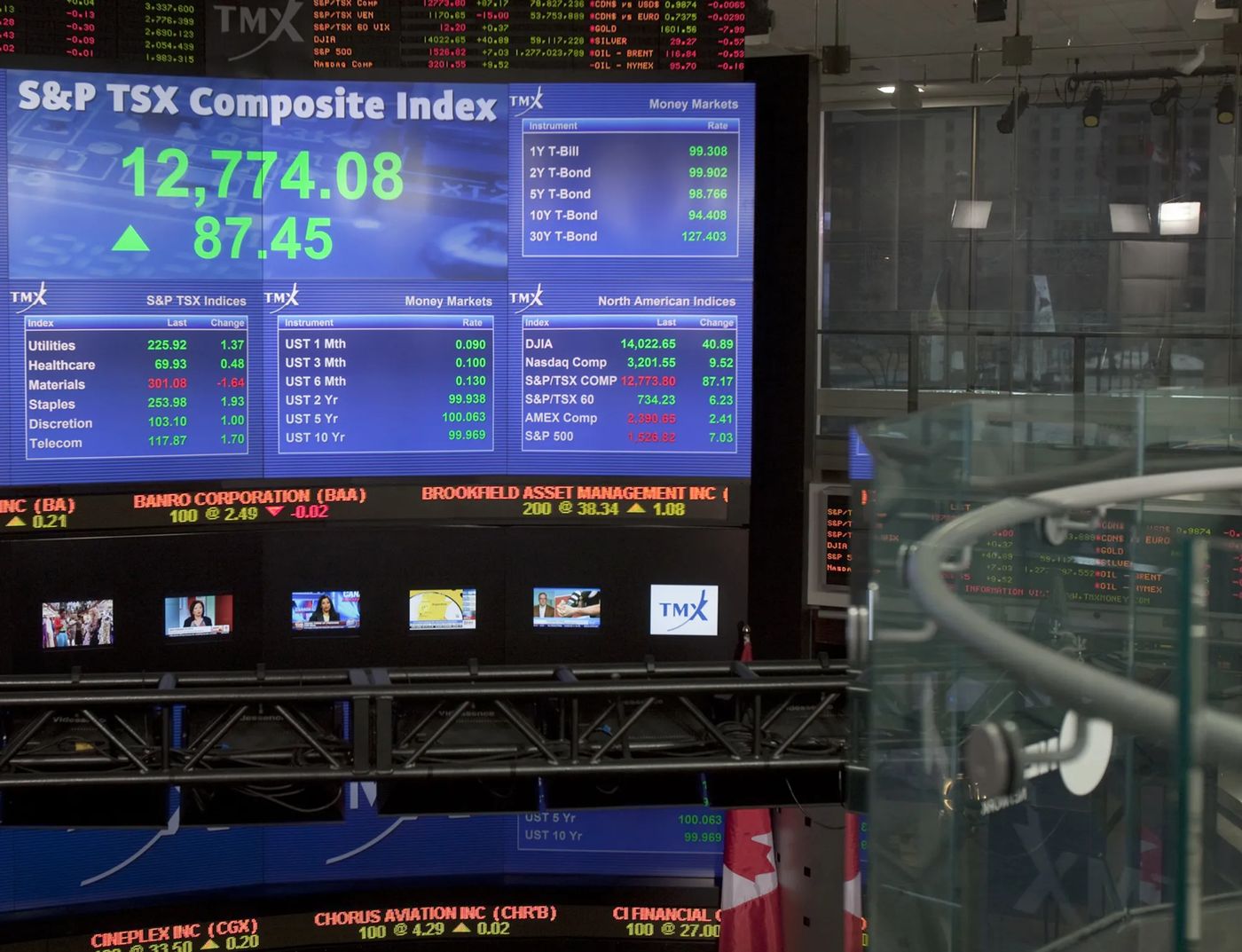
For individual Canadian investors, accessing shares in a TSX IPO typically occurs through their investment advisor or online brokerage platform. When an IPO is launched, the underwriting investment banks allocate shares to their brokerage clients, often prioritizing large institutional investors and high-net-worth clients of the firm. Retail investors may receive an allocation if they have an account with a brokerage that is part of the underwriting syndicate and if they express interest during the offering period. The opportunity to participate is usually communicated to eligible clients by their advisor or through their brokerage's online portal. It is important to understand that not all investors will have access to every IPO, and allocations, especially for sought-after offerings, can be limited. Investors must rely on the information contained in the final prospectus to make their decision, as promotional materials are restricted during the offering period. The prospectus provides the official terms of the offering, including the price per share, the number of shares being offered, and the company's intended use of the proceeds. After the shares begin trading on the TSX, any investor with a brokerage account can buy and sell them on the open market through the fully electronic trading systems operated by TMX. Monitoring this data and understanding the allocation process are key for investors interested in the IPO market, as access and information are controlled during the initial offering phase.
Common Risks and Considerations for IPO Investors
Investing in an IPO carries specific risks that differ from investing in established public companies. The lack of a public trading history means there is no market-determined price for the shares prior to the offering, making valuation challenging. The price is set through negotiations between the company and its underwriters based on financial projections and comparable companies, which may not accurately reflect market demand. IPO stocks can experience significant price volatility in the first days and weeks of trading as the market absorbs the new supply of shares and establishes a trading pattern. Furthermore, there is often a lock-up period during which company insiders and early investors are prohibited from selling their shares, and the expiration of this period can lead to increased selling pressure on the stock.
Another key consideration is the potential for limited information despite the prospectus disclosure. While the prospectus is thorough, the company has a limited history of operating as a public entity subject to quarterly reporting and intense scrutiny. Its business model and management team may not yet be proven under public market conditions. Investors should carefully assess their own risk tolerance and investment objectives and consider consulting a financial advisor before participating in an IPO, as recommended in standard investment disclaimers. This due diligence is crucial given the unique uncertainties of a new public listing.
Tracking TSX IPO Activity and Performance
Canadian investors can monitor upcoming and recent TSX IPOs through several financial data sources and calendars. The TMX Money website provides tools and data for researching investments on the TSX and TSXV. Dedicated financial portals and news services often feature IPO centres that list upcoming offerings, searchable by criteria such as industry, offering size, and exchange. For example, some sites allow browsing of companies alphabetically and provide data on financing raised per month. The official source for regulatory documents is SEDAR, where all prospectuses and continuous disclosure filings for Canadian public companies are posted. Investors can use SEDAR to access the definitive source of information for any company that has filed to go public. Historical data on IPO financing provides context for market trends and the overall health of the new issues market.
The table below shows the total amount of capital raised through IPOs on the TSX and the TSX Venture Exchange for selected months in 2026, illustrating the variability in market activity. This data reveals that the TSX is the dominant venue for larger capital raises, while the TSXV facilitates smaller offerings for emerging companies. Following an IPO, a company's performance is tracked through standard market data, including its stock price, trading volume, and inclusion in indices like the S&P/TSX Composite Index. Investors should conduct ongoing research just as they would for any other public company investment, using the tools and disclosures available after the company becomes a regular reporting issuer.
| Month (2026) | TSX IPO Financing | TSXV IPO Financing |
|---|---|---|
| August | $356,716,460 | $500,000 |
| July | $246,815,076 | $17,751,272 |
| June | $924,060,069 | $4,625,000 |
| May | $159,369,850 | $950,000 |
| April | $345,710,647 | $0 |
| March | $507,467,104 | $333,000 |
Frequently asked questions
What is the difference between a TSX IPO and a TSXV IPO?
A TSX IPO is for larger, more established growth-oriented companies with strong track records, while a TSXV IPO is designed for emerging, early-stage companies. The Toronto Stock Exchange (TSX) lists over 1,500 companies with a total market cap over $2.8 trillion and has stricter financial and governance requirements. The TSX Venture Exchange (TSXV) serves as a public capital vehicle for smaller companies. The difference in scale is clear in financing data.
How do I find information about an upcoming TSX IPO?
Information about an upcoming TSX IPO is primarily found in the company's prospectus filed on SEDAR, the official database for Canadian securities documents. Financial news websites and data portals often feature IPO calendars listing upcoming offerings, sometimes searchable by industry or exchange. These sites may provide basic details like the company name, proposed ticker symbol, and offering size. It is crucial to rely on the final prospectus for authoritative information before making an investment, as it contains full disclosure of material facts, risks, and financial statements required by provincial regulators.
Can any Canadian investor buy shares in a TSX IPO?
Not all Canadian investors automatically have access to buy shares in a TSX IPO. Access is typically managed by the underwriting investment banks, which allocate shares to their brokerage clients. Institutional investors and high-net-worth clients of the underwriting firms often receive priority. Retail investors may get an allocation if their brokerage is part of the underwriting syndicate and if they express interest during the offering period. After the IPO shares begin trading on the TSX, any investor with a brokerage account can buy them on the open market through the electronic trading systems operated by TMX.
What is a prospectus and why is it important?
A prospectus is the comprehensive legal document a company must file when conducting an IPO. It provides full, true, and plain disclosure of all material facts about the company's business, financial condition, management, and the risks of the investment. The prospectus must be filed with and receipted by provincial securities commissions before the shares can be sold to the public. Investors are highly recommended to read the final prospectus on SEDAR before investing, as it is the primary source of reliable information for making an informed decision. The content on other websites does not constitute an offer to sell until a receipt for the final prospectus is obtained.
What are the risks of investing in an IPO?
Investing in an IPO carries specific risks including valuation uncertainty due to the lack of a public trading history, potential for high initial price volatility, and limited operating history as a public company. There is also the risk that insiders may sell shares after a lock-up period expires, which can pressure the stock price. The company's business model and management may be unproven under the scrutiny of public markets. IPO activity and performance can be cyclical, as seen in monthly financing data which varies significantly. Investors should assess these risks carefully against their own financial goals and risk tolerance.
How much money do companies raise through TSX IPOs?
Companies raise varying amounts through TSX IPOs, with monthly totals fluctuating significantly. For example, in 2026, TSX IPO financing was $49,568,852 in January and peaked at $924,060,069 in June. The Toronto Stock Exchange is Canada's largest equities market, listing over 1,500 companies with an aggregate market capitalization exceeding $2.8 trillion. It is globally recognized and serves growth oriented companies with strong performance records. In contrast, the TSX Venture Exchange typically facilitates much smaller capital raises, such as $500,000 in August 2026. The total year to date IPO financing raised on the TSX for 2026 was $2,653,504,898, highlighting its major role in capital formation.
Sources and further reading
- Canadian IPOs investcom.com
This article explains how things work and is not financial, tax or legal advice. Rules, limits and rates change, so check the current figures with the Canada Revenue Agency, your province or your financial institution before you act.