TD line of credit rates are variable interest rates based on the TD Prime Rate, which was 6.95% as of October 2026. For a personal line of credit, the interest rate is typically TD Prime plus a margin, such as an example rate of TD Prime plus 3.49%. TD also offers a Fixed Rate Advantage option, allowing borrowers to lock in part or all of their outstanding balance at a fixed rate. Understanding these rates is important for Canadians considering flexible borrowing options for debt consolidation or other financial needs.
How TD Line of Credit Rates Are Determined
TD line of credit interest rates are primarily variable and tied directly to the TD Prime Rate. The TD Prime Rate is the benchmark lending rate TD uses to set interest rates for variable loans and lines of credit. As of October 2026, the TD Prime Rate was 6.95%. The interest rate on a TD personal line of credit is expressed as the TD Prime Rate plus a margin. For example, a promotional offer might be TD Prime Rate plus 3.49%. This means the total variable rate would fluctuate whenever TD changes its prime rate. TD's prime rate itself changes in response to decisions made by the Bank of Canada regarding the target overnight rate.
In some cases, TD also offers a Fixed Rate Advantage option for its lines of credit. This allows borrowers to convert part or all of their outstanding balance from the variable rate to a fixed interest rate for a period. This can provide payment stability if interest rates are expected to rise. It is important to note that fixed rates for products like a Home Equity FlexLine are separate. For instance, a 3-year fixed closed rate was listed as 5.24% with a posted rate of 6.15%. The specific fixed rate offered for a line of credit balance would depend on market conditions at the time of conversion.
The rate you ultimately receive on a TD line of credit depends on several factors including your creditworthiness, the type of line of credit, and whether it is secured. Using eligible investments as collateral can potentially secure a lower interest rate, but this requires meeting with an advisor to review eligibility. For an unsecured personal line of credit, rates are generally higher than for secured products like a Home Equity Line of Credit (HELOC). TD's HELOC products, such as the Home Equity FlexLine, offer both variable and fixed-rate options, with a 3-year variable closed rate example being 4.29% based on TD Prime Rate.
Types of TD Lines of Credit and Their Features
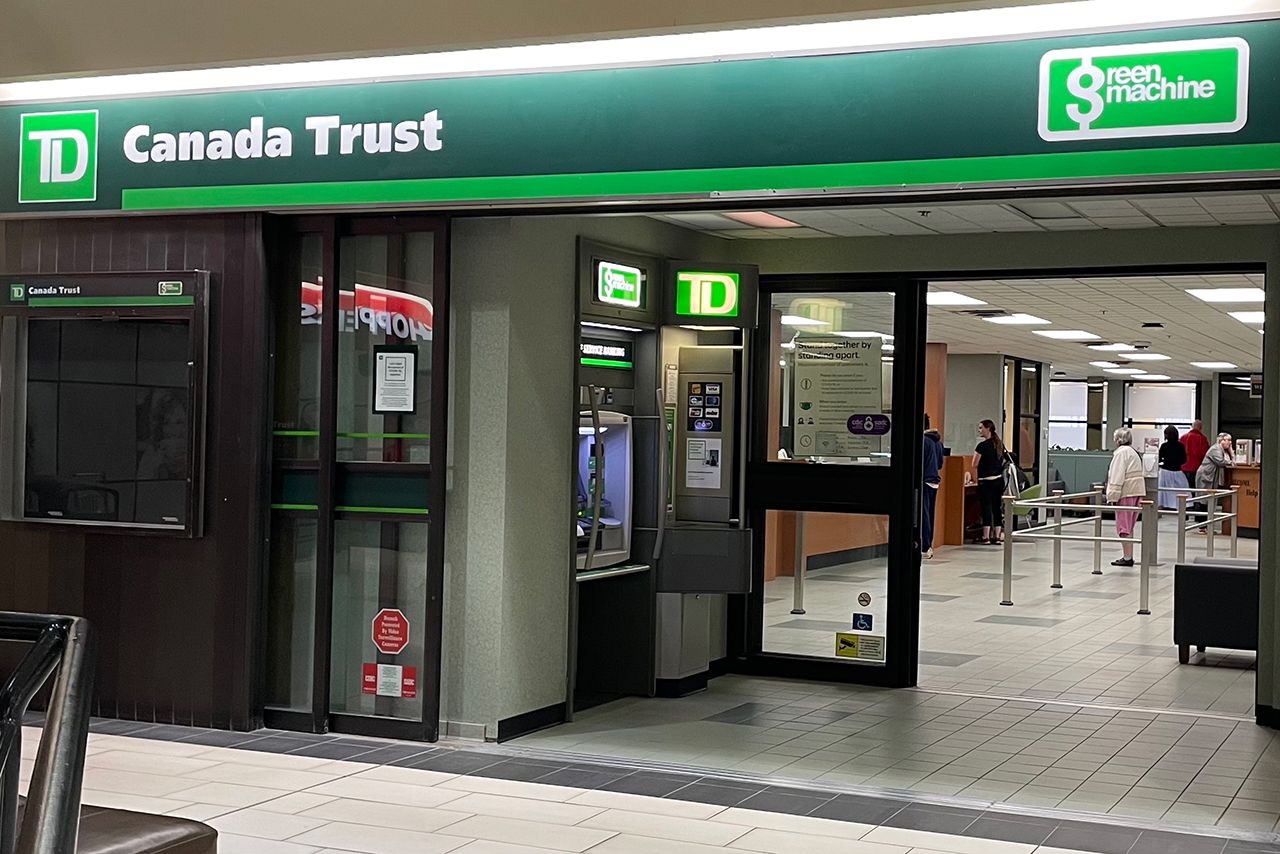
TD Canada Trust offers several types of lines of credit to meet different borrowing needs. The main categories are personal lines of credit, home equity lines of credit, and student lines of credit. A TD Personal Line of Credit is an unsecured revolving credit product that gives ongoing access to funds. You can borrow as little as $2,000, and once you repay any credit used, it becomes available again. The interest rate is variable based on the TD Prime Rate, and you have the flexibility to make minimum payments or pay off the entire balance.
The TD Home Equity FlexLine (HELOC) is a secured line of credit that uses your home's equity as collateral. This typically allows for a larger credit limit and a lower interest rate compared to an unsecured line. The HELOC offers both variable and fixed-rate options. For example, rates listed include a 3-year fixed closed rate at 5.24% and a 5-year fixed closed rate at 5.39%. The minimum payment on a HELOC is interest-only, though you can make principal payments at any time. Using your home as collateral means it could be seized if you default on the payments.
Student lines of credit are designed for post-secondary education expenses and generally feature lower interest rates. With a student line of credit, you are typically only required to pay interest on the outstanding balance while in school. After completing school, there is usually a grace period of 6 to 12 months before you must start repaying both principal and interest. All TD lines of credit provide flexible access to funds, which can be used for purposes like debt consolidation, home renovations, or covering unexpected costs.
Eligibility and Application Process
To apply for a TD line of credit, you must meet certain eligibility criteria and provide specific documentation. TD will assess your creditworthiness based on your credit history, income, existing debts, and overall financial situation. You can check your credit score for free using the TransUnion CreditView Dashboard in the TD app, which does not affect your credit score. A strong credit score and stable income improve your chances of approval and may help you secure a more favourable interest rate. The required documents for an application include original, government-issued identification such as a driver's licence or passport.
You also need to provide proof of address, which can be mortgage or rent payment documents, utility bills, or tax statements. If you are using a TD investment as collateral to secure a lower rate, you must be prepared to provide the investment details. For a joint application, the same information and documents are required from all applicants. The application process involves a credit check, where TD provides your information to credit bureaus and other lenders to obtain reports about you. You can start the application by meeting with a TD advisor in person at a branch or over the phone.
You must meet with a TD advisor in person at a branch or over the phone to apply for a line of credit. The advisor will discuss your needs and explain the product features. You will need to provide government issued identification that is original and not expired. You must also provide proof of address such as mortgage payments, rent payments, or utility bills. If you are using a TD investment as collateral, you need to provide the investment details. The same information and documents are also needed from any joint applicant. As part of the application, TD will perform a credit check to assess your eligibility.
Key Rules and Repayment Terms
TD lines of credit operate under specific rules outlined in your Line of Credit Agreement. The minimum payment amount is stated in this agreement and is often very low, sometimes consisting solely of interest. While making only the minimum payment keeps your account in good standing, it does not reduce the principal balance. You have the flexibility to pay any amount greater than the minimum, up to the entire outstanding balance, at any time without penalty. Making lump-sum principal payments directly from your bank account can help you pay down the debt faster.
There are important considerations regarding credit utilization and its impact on your credit score. Financial experts suggest using only 30% to 35% of your available credit limit to maintain a healthy credit score. Using a higher percentage of your limit can negatively impact your credit score. You will receive a monthly statement showing your updated balance and transactions, and you can also check your balance through TD online banking. The line of credit is revolving, meaning once you repay borrowed funds, that credit is available to be used again, subject to the terms of your agreement.
TD offers optional Line of Credit Protection insurance, which could pay off or reduce your outstanding balance in the event of your death or if you are diagnosed with a life-threatening cancer, acute heart attack, or stroke. This coverage is provided by The Canada Life Assurance Company, with accidental dismemberment coverage by TD Life Insurance Company. Exclusions and limitations apply as defined in the respective Certificates of Insurance. For account access, you can use your TD Access Card at ATMs, though fees may apply for Interac access and the use of non-TD ATMs. The key rules governing a TD line of credit include:
- Your minimum payment is stated in your Line of Credit Agreement.
- Credit becomes available again once repaid, subject to agreement terms.
- You can pay any amount from the minimum up to the full balance.
- Using over 30-35% of your limit can hurt your credit score.
- Optional Line of Credit Protection insurance is available for certain events.
- Account access is via your TD Access Card, with possible fees at other ATMs.
Comparing Costs and Using the Payment Calculator
Understanding the total cost of a line of credit involves looking at the interest rate and how it affects your payments over time. TD provides a Personal Loan and Line of Credit Payment Calculator on its website to help estimate payments. This calculator allows you to input a borrowing amount, an interest rate, and a term to see an estimated payment schedule. For example, based on a $2,000 loan amount at a 9.00% interest rate over a 5-year term, the calculator estimates total interest paid would be $481.98. The calculator treats the entered interest rate as a fixed rate for its projections, but actual payments on a variable-rate line of credit will fluctuate.
It illustrates that more frequent payments will reduce the total interest paid over the term of your borrowing. The calculation is intended for illustrative purposes only and does not constitute loan approval. Your actual interest rate and payments will be determined upon credit approval and will be detailed in your agreement. When considering a line of credit for debt consolidation, the calculator can help compare the costs of your existing higher-interest debts against a potential consolidation loan or line of credit.
Consolidating several debts into one product with a lower interest rate can reduce the total interest you pay and provide a single monthly payment. This can also help establish an estimated end date for when the debt will be paid off, which may positively impact your credit score if payments are made on time. The calculator is based on the accuracy and completeness of the data you enter, and additional conditions may apply to any actual loan or line of credit. The calculator results are not a guarantee of approval or specific rates.

Common Mistakes to Avoid
One common mistake is using too high a percentage of your available credit limit. While you can borrow up to your limit, consistently using more than 35% of your available credit can hurt your credit score. It is financially prudent to keep the balance as low as possible relative to your limit. Another error is making only the minimum payment each month. Since minimum payments are often interest-only, this strategy means you are not paying down the principal debt, causing you to pay more interest over a longer period. Failing to monitor the variable interest rate is another potential pitfall.
Since TD line of credit rates are tied to the TD Prime Rate, which can change, your required payments can increase without notice if rates rise. Not having a plan for rate increases can strain your budget. Additionally, some borrowers use a line of credit for discretionary spending without a clear repayment plan, which can lead to persistent debt. A line of credit is best used for planned expenses or consolidating higher-interest debt, not as a substitute for an emergency fund or for impulse purchases. Overlooking the details of the Fixed Rate Advantage option can also be a mistake.
While locking in a fixed rate provides payment stability, it may come at a higher cost if variable rates subsequently fall. You should understand the terms and conditions for converting a portion of your balance to a fixed rate. Finally, not reviewing your monthly statements or online banking for errors or unauthorized transactions can lead to financial loss. Regularly checking your balance and transaction history is a key part of responsible credit management. Common pitfalls with lines of credit include:
- Using more than 30-35% of your credit limit, harming your credit score.
- Making only the minimum (often interest-only) payments.
- Not planning for potential increases in the variable TD Prime Rate.
- Using the LOC for unplanned discretionary spending.
- Not understanding the terms of the Fixed Rate Advantage option.
- Failing to regularly review statements for errors.
Historical Context of TD Prime Rate
The TD Prime Rate has a history of adjusting in response to Bank of Canada policy changes, though not always by the full amount. In July 2015, when the Bank of Canada lowered the target overnight rate by 25 basis points, TD was the first bank to change its prime rate. However, TD initially lowered its prime rate by only 10 basis points. After other major Canadian banks settled on a 15 basis point reduction, TD eventually matched that decrease. This event highlights that changes to the Bank of Canada's policy rate do not automatically translate into an equal change in TD's prime rate.
TD Bank posts a prime rate for general lending and a separate prime rate specifically for mortgages. As of June 2023, the TD Bank mortgage prime rate was listed at 7.10%. The general posted prime rate was 4.45% as of a historical date in October 2025. The prime rate directly influences the variable interest rates on TD lines of credit. When you have a variable-rate product, your rate is expressed as TD Prime plus or minus a margin, and it changes by the same amount whenever TD changes its prime rate.
For fixed-rate products, including the Fixed Rate Advantage option on a line of credit, the rate is locked in and not immediately affected by changes in the TD Prime Rate. This provides payment certainty but means you will not benefit if variable rates decrease during your fixed term. Historical fluctuations in the prime rate demonstrate why some borrowers choose the fixed-rate option for stability, especially during periods when rates are expected to rise. The separate mortgage prime rate illustrates that TD applies its prime rate differently across various lending products.
Frequently asked questions
How do I apply for a TD line of credit?
You apply by meeting with a TD advisor in person at a branch or over the phone. You need to provide government issued identification and proof of address. You also need to provide details of any collateral. The advisor will guide you through the application and credit check process.
How does a TD line of credit affect my credit score?
A TD line of credit affects your credit score based on your usage and payment history. Using more than 30-35% of your credit limit can negatively impact your score. Making consistent, on-time payments can help build a positive credit history. TD reports your account activity to credit bureaus.
What is the current TD Prime Rate?
As of October 2026, the TD Prime Rate is 6.95 percent. This prime rate is the lending rate TD uses to set interest rates for variable loans and lines of credit. It changes in response to decisions by the Bank of Canada. Historically, TD adjusts its prime rate following changes to the Bank of Canada's overnight rate. This rate is distinct from the posted prime rate and the mortgage prime rate, which can differ.
What is a typical TD personal line of credit interest rate?
A typical TD personal line of credit has a variable interest rate based on the TD Prime Rate plus a margin. An example promotional rate is TD Prime Rate plus 3.49 percent. Your actual interest rate depends on your credit profile and the specific product. TD also offers the option to secure a lower rate by using eligible investments as collateral, which requires meeting with an advisor.
Can I get a fixed rate on my TD line of credit?
Yes, TD offers a Fixed Rate Advantage option for lines of credit. This feature allows you to lock in part or all of your outstanding balance at a fixed interest rate. It provides payment stability and is separate from the variable rate based on the TD Prime Rate. This option is useful if you want to manage your budget with predictable payments. You can choose this fixed rate advantage when you want flexibility in how you manage your debt.
What is the minimum amount I can borrow with a TD line of credit?
The minimum amount you can borrow with a TD personal line of credit is $2,000. For a secured product like a Home Equity Line of Credit, the minimum available credit limit is $5,000. The actual credit limit you receive depends on your financial situation and creditworthiness. For a Home Equity Line of Credit, the maximum amount is based on the equity in your home, typically up to 65 percent of its value minus what is still owed.
Sources and further reading
- Personal Line of Credit | TD Canada Trust td.com
- Best Lines of Credit in Canada in 2026 springfinancial.ca
- TD Bank Prime Rate ratehub.ca
- Personal Loan and Line of Credit Payment Calculator ix0.apps.td.com
This article explains how things work and is not financial, tax or legal advice. Rules, limits and rates change, so check the current figures with the Canada Revenue Agency, your province or your financial institution before you act.