A small business loan in Canada is a form of financing used to start, operate, or expand a company. The primary federal program is the Canada Small Business Financing Program (CSBFP), which partners with financial institutions to offer loans of up to $1.15 million. These loans are crucial for Canadian entrepreneurs to purchase equipment, improve property, or cover working capital costs. Understanding the eligibility rules, loan amounts, and application process is key to accessing this capital.
What is the Canada Small Business Financing Program
The Canada Small Business Financing Program is a federal government initiative designed to increase the availability of financing for small businesses. The program works by sharing the risk with lenders, as the government guarantees up to 85 percent of the loan amount. This makes financial institutions such as banks more willing to lend to small businesses that might otherwise find it difficult to secure funding. The program is administered by Innovation, Science and Economic Development Canada in collaboration with participating lenders across the country. Loans under the CSBFP can be used for a variety of business purposes, providing a flexible source of capital for growth and operations.
This program is distinct from direct government loans, as the funding itself comes from the partnering financial institution. The government's role is to provide a guarantee, which reduces the lender's risk. The CSBFP is available to both new startups and existing businesses that meet the eligibility criteria. It is one of the most widely used federal financing tools for small businesses in Canada, supporting the purchase of essential assets and day to day operational costs. The program's structure aims to fill gaps in the commercial lending market and support economic growth.
Eligibility and Program Rules
To qualify for a CSBFP loan, a business must operate for profit in Canada and have gross annual revenues of $10 million or less. This includes a wide range of business structures such as sole proprietorships, partnerships, and incorporated companies. The program is designed to be inclusive for small enterprises across most sectors of the economy. However, there is a notable exclusion for farming businesses, which are directed to a separate program offered by Agriculture and Agri Food Canada. Startups are eligible, meaning a business does not need an established financial history to apply, though lenders will still assess the application.
The assets or costs being financed must be for the use of the business. Purchases made within the 365 days prior to the date of the loan approval are eligible for financing under the program. The borrower and the lender must negotiate the final amount of financing, which cannot exceed the program maximums. A key rule is that the loan must be used for eligible purposes, which are clearly defined by the program. The business must also be willing to pay the associated government registration fee, which is a standard cost of accessing this guaranteed financing.
Loan Amounts and Eligible Uses
The CSBFP sets specific maximum loan amounts for different types of expenditures. The overall maximum loan amount a borrower can receive is $1.15 million. This total is broken down into categories with their own limits. For real estate secured loans, such as for purchasing land or buildings, the borrowing limit is $1,000,000. For non real estate secured loans, which cover most other assets, the borrowing limit is $500,000. Within that $500,000 limit, a business can also borrow up to $150,000 specifically for intangible assets and working capital.
Eligible uses for the loan funds are clearly prescribed by the program. The loan can finance the purchase of leasehold improvements, equipment including vehicles for business purposes, and real property including improvements to property. It can also cover the cost of intangible assets, such as patents or franchise fees, and working capital costs for day to day operations. The program can finance up to 90 percent of the cost of these eligible purchases, subject to the program maximums. This structure allows businesses to address multiple financial needs through a single program.

Costs, Fees, and Interest Rates
There are specific costs associated with a CSBFP loan that borrowers must factor into their planning. A one time federal government registration fee of 2 percent of the total loan amount is payable at the time of the loan advance. This fee may be financed as part of the loan itself, subject to the program's maximum loan limits. Additionally, a 1.25 percent administration fee is included as part of the interest rate charged on the loan. These fees contribute to the administration of the government guarantee program.
Interest rates are set by the individual lender and are not fixed by the government program. For example, one major bank lists its rates for CSBFP loans as its prime rate plus 3 percent for variable rate term loans, or its base rate plus 3 percent for fixed rate loans. The final interest rate for a borrower will vary based on the lender's assessment and the specific terms negotiated. It is important for business owners to understand that while the government guarantees a portion of the loan, the commercial lender determines the interest rate and other lending terms.
The Application Process and Required Documents
The application for a CSBFP loan is made directly through a participating financial institution, not through the government. The process typically begins with contacting a business advisor at a bank or other lender that offers the program. Lenders generally advise that having a good credit score and a detailed business plan increases the chances of approval. The lender will review the full application, including the business's financial situation and the purpose of the loan. All applications are subject to a full review of the business and its owners.
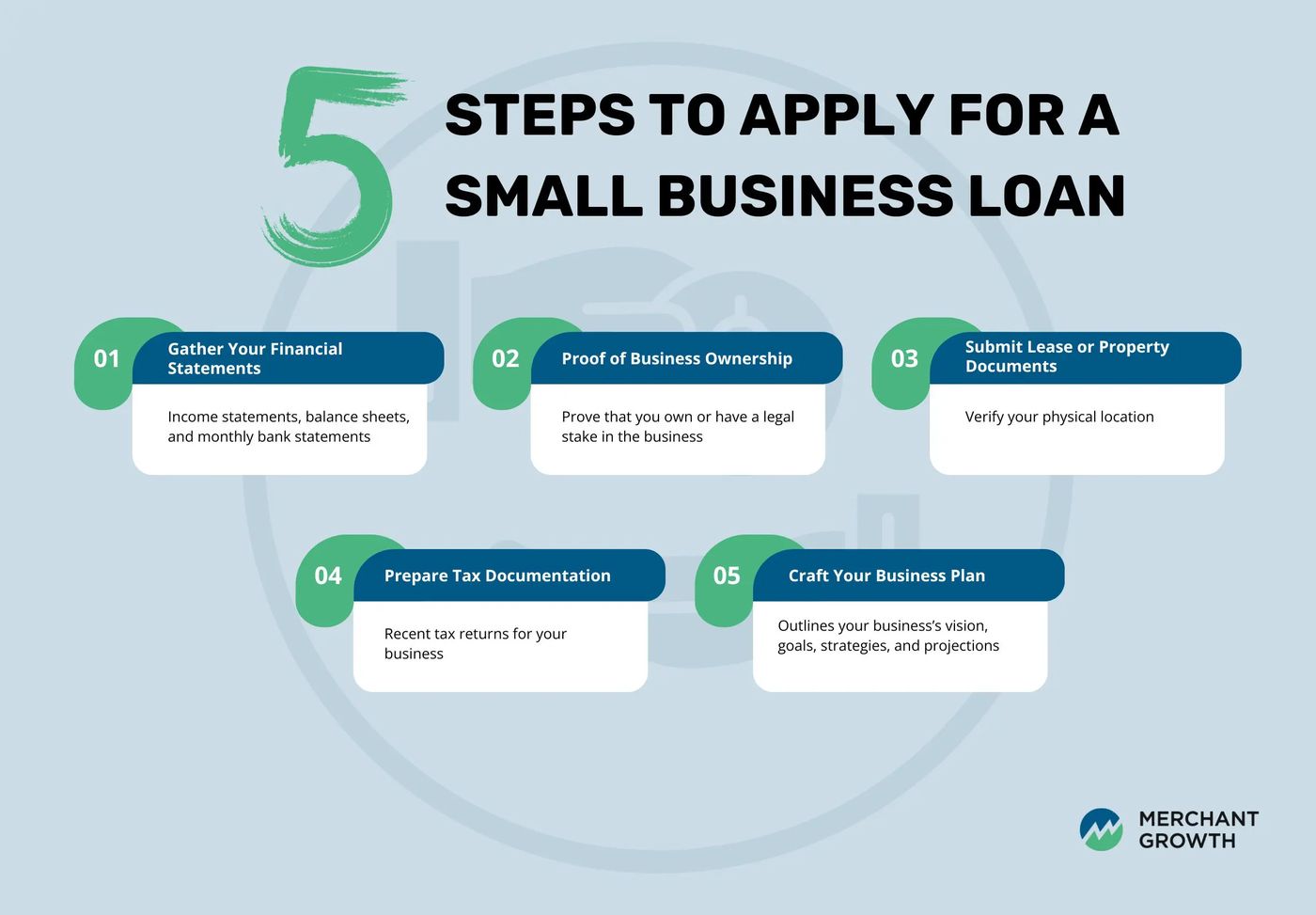
Business owners should be prepared to provide comprehensive documentation. Commonly required information includes complete and up to date business registration details, names and contact information for the company's president, directors, and shareholders, and a business void cheque. Personal information such as a government issued photo ID for the owner is also standard. The lender may also request financial statements or projections. After approval, the lender registers the loan with Innovation, Science and Economic Development Canada, and then disburses the funds.
To complete an application, you will need to have complete and up to date business information as listed in your business registry. You will also need the names, email addresses, home addresses, and mobile phone numbers for the company's president, board members, and shareholders. A business void cheque and one piece of government issued photo ID for personal information are required.
Having these documents ready can help streamline the application process with your chosen lender. The online application form specifies the type of information requested in each section. It allows you to save your work at various points if you need to obtain certain details and return later to complete the form. Providing all necessary information promptly helps ensure your loan request is processed as quickly as possible.
- Complete and up to date business information as listed in your business registry.
- Names, email addresses, home addresses, and mobile phone numbers for the company's president, board of directors, and shareholders.
- A business void cheque.
- One piece of government issued photo ID for the owner.
Having these documents ready can help streamline the application process with your chosen lender. The online application form specifies the type of information requested in each section. It allows you to save your work at various points if you need to obtain certain details and return later to complete the form. Providing all necessary information promptly helps ensure your loan request is processed as quickly as possible.

Repayment Terms and Loan Insurance
Repayment terms for CSBFP loans are structured based on the type of asset financed. For loans secured by real estate, the maximum term is 15 years, though payments can be calculated based on an amortization period of up to 25 years. For all other loans not secured by real estate, such as for equipment or working capital, the maximum term is 15 years. Some lenders may offer flexible repayment options, such as interest only payments for an initial period, to help with cash flow management when the loan first becomes active.
Loan insurance is an available option for borrowers to consider. Some financial institutions offer business loan protection plans that can cover regular loan payments or pay the outstanding balance if the business owner or a key employee becomes disabled or passes away. This insurance is separate from the CSBFP itself and is subject to its own conditions and eligibility criteria from the provider. Business owners should inquire with their lender about the availability and details of such protection plans when discussing their loan terms.
Common Mistakes and Key Program Limits
One common mistake is not understanding the difference between the CSBFP and other financing products. The CSBFP is a specific government backed program with strict rules on eligibility, loan use, and maximum amounts. It is not a general small business loan from a bank. Another error is applying without a solid business plan or proper financial documentation, which can lead to delays or denial. Businesses should also ensure the assets they plan to purchase are eligible and that the costs fall within the prescribed time frame of 365 days prior to loan approval.
Businesses should carefully consider the total cost of borrowing, including the 2 percent registration fee and the interest rate. They should also confirm that their business sector is eligible, remembering that farming is explicitly excluded. Finally, it is important to start the application process early and to communicate clearly with the chosen lender. Meeting the basic eligibility criteria does not guarantee approval, as the lender will conduct its own thorough assessment of creditworthiness and business viability.
It is critical to understand the program's specific financial limits. The key maximum amounts under the Canada Small Business Financing Program are as follows. The maximum total loan amount for a borrower is $1.15 million. For real estate secured loans, the borrowing limit is $1,000,000. For non real estate secured loans, the limit is $500,000, and within this limit, you can borrow up to $150,000 for intangible assets and working capital.
- Overall maximum loan amount: $1.15 million.
- Maximum for real estate secured loans: $1,000,000.
- Maximum for non real estate loans (equipment, etc.): $500,000.
- Maximum within the $500,000 for intangible assets and working capital: $150,000.
- Government guarantee on the loan: Up to 85%.
- Financing available for eligible purchases: Up to 90% of the cost.
Staying within these limits is essential for a successful application. The borrower and lender must negotiate an appropriate amount of financing within these maximums. These limits apply to the purchase of eligible assets like equipment, leasehold improvements, and working capital. Adhering to these program maximums is a key requirement for loan approval under the Canada Small Business Financing Program.
Provincial Considerations and Alternative Financing
While the CSBFP is a federal program, business owners should also be aware of provincial resources and programs that may complement federal financing. Some provinces offer additional support services or grants for small businesses, though these vary by region. It is important to research both federal and provincial options to fully understand the available funding landscape. The B.C. Public Service, for example, acknowledges the territories of First Nations and works with Indigenous communities, which may influence local business support initiatives.
For businesses that do not qualify for the CSBFP, such as farming operations, alternative federal programs exist. Agriculture and Agri Food Canada administers specific lending programs for the farming industry. Other financial institutions also offer standard commercial loans, lines of credit for working capital, and installment loans that may provide financing up to $250,000 with no fee application. Exploring all available options ensures a business can find the right financial product for its specific needs and circumstances.
Frequently asked questions
What is the maximum small business loan amount in Canada?
The maximum loan amount under the Canada Small Business Financing Program (CSBFP) is $1.15 million. This is a government backed program offered in collaboration with financial institutions. The total amount is divided into specific categories. For real estate secured loans, such as purchasing land or buildings, the borrowing limit is $1,000,000. For non real estate secured loans, which cover equipment and other assets, the limit is $500,000. Within that $500,000 limit, a business can also borrow up to $150,000 specifically for intangible assets and working capital.
Who is eligible for a Canada Small Business Financing Loan?
Eligibility for a Canada Small Business Financing Loan requires a business to be operating for profit in Canada with gross annual revenues of $10 million or less. This includes new or existing businesses, sole proprietorships, partnerships, and incorporated companies. The program is designed to help small businesses and start ups acquire financing. However, farming businesses are explicitly not eligible under this specific federal program. Agriculture and Agri Food Canada administers a separate program for the farming industry.
What can I use a CSBFP loan for?
A CSBFP loan can be used to finance several types of business assets and costs. Eligible uses include the purchase of leasehold improvements, equipment including vehicles for business purposes, and real property including property improvements. It also covers intangible assets and working capital costs for day to day operating expenses. The assets must be used directly in the business operations. Furthermore, purchases made within the 365 days prior to the date of the loan approval are eligible for financing under the program.
How does the government guarantee work?
The government guarantee under the Canada Small Business Financing Program covers up to 85 percent of the loan amount to the lending financial institution. This risk sharing mechanism is central to the program as it makes lenders more willing to provide loans by reducing their potential loss. The borrower applies for and repays the loan directly to their bank or other financial institution, not to the government. This guarantee is a key feature that facilitates access to capital for small businesses across Canada.
What are the fees for a CSBFP loan?
There are two primary fees associated with a Canada Small Business Financing Program loan. First, there is a one time federal government registration fee equivalent to 2 percent of the total loan amount. This fee is payable at the time of the loan advance and may be financed as part of the borrowed amount. Second, a 1.25 percent administration fee is included as part of the interest rate charged by the lender. These fees contribute to the administration of the government backed program.
How long does it take to get a small business loan?
The time to get a small business loan varies depending on the lender and the specifics of the application. Some online loan applications for amounts up to $350,000 advertise approval in less than 10 days with minimal paperwork. For loans under $100,000, fewer documents are required which can lead to a faster process. However, the overall timeline depends on factors like how quickly the applicant provides all necessary information and the volume of requests the lender is processing. The CSBFP application through a bank involves a review by a business advisor.
Sources and further reading
- Small Business Loan, Apply online for up to ... bdc.ca
- Canada Small Business Financing Loan (CSBFL) rbcroyalbank.com
- Canadian Small Business Financing Program, Term Loan 1 scotiabank.com
- Canada Small Business Financing Program www2.gov.bc.ca
- Canada Small Business Financing Program cibc.com
This article explains how things work and is not financial, tax or legal advice. Rules, limits and rates change, so check the current figures with the Canada Revenue Agency, your province or your financial institution before you act.