Canadians can sell gold for cash through specialized dealers, jewellery stores, coin shops, and online services. The process involves receiving a valuation based on the current market price and the item's weight and purity, followed by an immediate cash payment or electronic transfer. Selling unwanted gold items can convert old jewellery or bullion into usable funds. Understanding the options and procedures helps ensure a secure and satisfactory transaction.
Where to Sell Gold in Canada
Canadians have several avenues for selling gold items, each with distinct operational models. Specialized gold buyers and precious metals dealers operate physical stores in major cities like Vancouver and Halifax, and often have multiple locations across Canada and the Pacific Northwest. These businesses typically buy gold jewellery, coins, bars, and other forms of bullion, as well as diamonds, gemstones, and luxury watches. Traditional jewellery stores may also purchase gold, particularly if they deal in estate or pre-owned pieces. Coin shops are a common destination for selling gold and silver coins, both modern and historic, and they often pay over the gold price for older Canadian and American coins. Pawnbrokers offer another option, though they may offer different valuation structures and are sometimes advised against in favour of more specialized dealers. Online gold buying services operate nationally, allowing sellers to mail in their items using prepaid and insured kits. These services highlight their lower overhead costs and large purchasing volume as reasons for offering competitive payouts.
The choice of buyer can significantly impact the final payout. Some businesses are accredited with an A+ rating from the Better Business Bureau, which can provide a measure of trust. It is important to note that while banks are sometimes asked about, the guidance often points sellers toward reputable coin or bullion dealers for potentially better terms and expertise specific to precious metals. These dealers are frequently Canadian-owned and family-operated, emphasizing a local and trustworthy service model.
How Gold Valuation Works
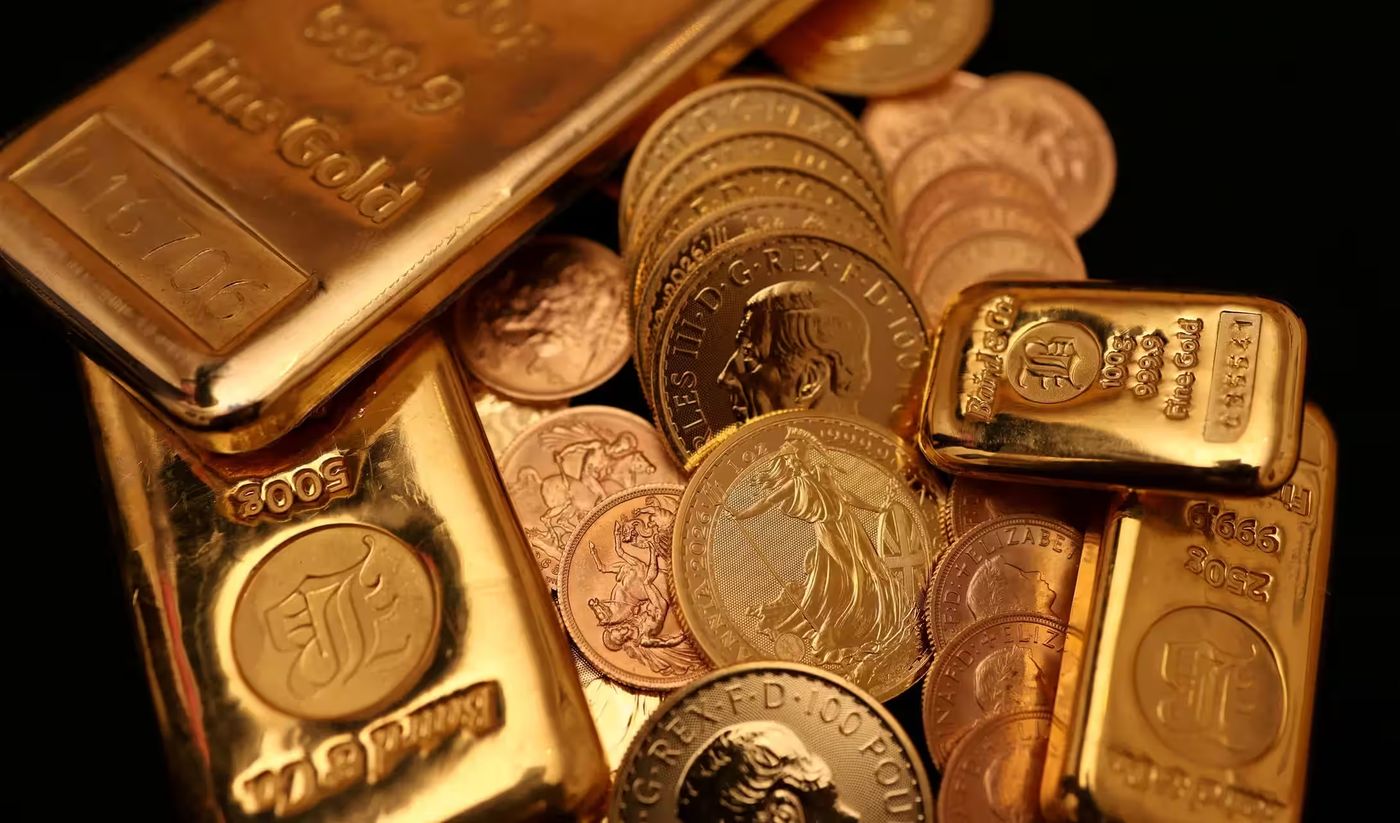
The cash offer you receive for gold is determined by a combination of the current international market price and the specific attributes of your item. The primary factor is the weight of the pure gold content, measured in grams or troy ounces. For jewellery, the karat rating indicates purity. Dealers use live market prices, often updated every 5 to 10 minutes, to calculate the melt value of your gold's pure content. The final payout is a percentage of this melt value, which can range significantly from as little as 40% to as much as 95% depending on the buyer. Some dealers advertise paying over the gold price for older USA and Canadian gold coins due to their numismatic value. For diamonds over half a carat, a GIA certified gemologist may be employed to accurately grade and price the stones beyond their metal setting. Luxury watches from brands like Rolex, Cartier, and Patek Philippe are appraised for their brand value, condition, and model, which can command a price separate from their raw gold weight.
Transparency in this valuation process is a key differentiator among buyers. Reputable dealers perform evaluations in your presence and explain each step, ensuring you understand how the offer is derived. They typically have no hidden commissions or refining fees. In contrast, some buyers may use marketing claims like "Highest Prices Guaranteed" or offer coupons, which can sometimes correlate with lower actual payouts. It is advisable to verify the final percentage of melt value being offered. A comparative shopping exercise in Vancouver demonstrated that the highest-paying dealer offered $70 more for a single gold chain than the next highest competitor, illustrating the potential variance.
The Selling Process: In-Person and Online
Whether selling online or in person, the process follows a clear sequence designed to provide transparency and security. For an in-person sale, you visit a dealer's location during their business hours, with no appointment typically necessary. Stores in cities like Vancouver and Halifax have published hours, often including evenings and weekends. You present your gold jewellery, coins, or bullion to a staff member for a free evaluation performed in your presence. The dealer explains how they determine the value based on weight, purity, and the current market rate. Following the assessment, you receive a written offer and can accept for immediate payment or decline with no obligation. The online selling process involves a different set of steps focused on secure mailing, beginning with requesting a free, insured shipping kit.
The standard online procedure with services like Cash For Gold Canada involves requesting a free, insured GoldExpress Kit. You fill out a payment form and place your gold in the provided pre-paid Canada ExpressPost envelope. The company's experts inspect your gold upon receipt and typically send payment within one business day. Payments are made via company cheque, Interac transfer, or PayPal.
- Request a free GoldExpress kit online, which is mailed to you in a standard business envelope.
- Receive the kit containing a prepaid Canada Post ExpressPost envelope, a padded inner envelope, and a payment form.
- Fill out the payment form, place your gold items in the padded envelope, and seal everything inside the prepaid return envelope.
- Drop the sealed, tracked package in any mailbox. Shipping and insurance up to $500 are pre-paid.
- The company's experts inspect your items upon receipt, often within one business day.
- Receive payment via company cheque, Interac e-Transfer, or PayPal, typically within 24 hours of the kit's arrival.
Items Accepted by Canadian Gold Buyers
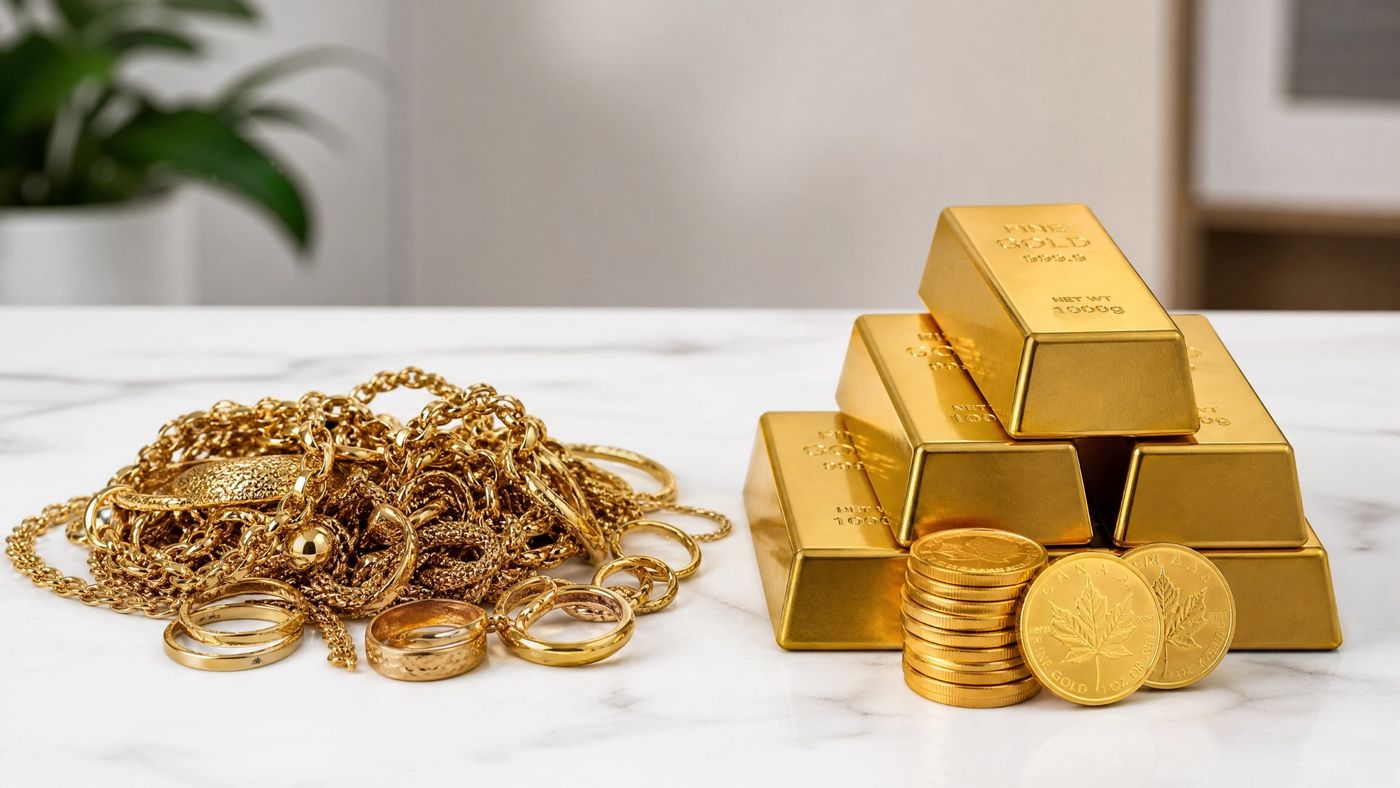
Gold buyers in Canada accept a wide range of items, from everyday jewellery to investment-grade bullion and collectibles. The value is derived from the precious metal content, the craftsmanship, or the collectible nature of the item. Understanding what can be sold helps sellers prepare for an evaluation and identify the most appropriate buyer for their specific items. The following list details common categories and specific examples of items purchased.
- Jewellery: New, old, or broken pieces made of gold, silver, or platinum.
- Bullion: Gold and silver bars, ingots, rounds, and granules.
- Coins: All world gold coins, Canadian junk silver (1966 and earlier, 1967, 1968), U.S. silver coins (1964 and earlier, silver dollars), and Montreal Olympic coin sets.
- Luxury Watches: Brands including Rolex, Cartier, Patek Philippe, Vacheron & Constantin, Audemars Piguet, Omega, Breitling, Piaget, and Panerai.
- Other Items: Dental gold, sterling silver tableware or flatware, platinum labware, and older foreign paper currency and coins.
Buyers accept a comprehensive range of items including gold, silver, and platinum in all forms. This includes new, old, or broken jewelry, bars, coins, dental gold, and sterling silver tableware. They also purchase better quality diamonds over half a carat and luxury watches from brands like Rolex and Omega. Specialized buyers have experts, such as GIA certified gemologists, to evaluate these items accurately.
Comparing Payouts and Avoiding Pitfalls
Receiving the best price requires comparison shopping, as payouts can vary widely between different gold buyers. A single gold chain shopped around Vancouver yielded a $70 difference between the highest and next highest paying competitor. Some buyers advertise guarantees like "120% Price Guarantee" or offer coupons and "Gold Packs" by mail, but these marketing claims do not always correlate with the highest final payout. It is important to note that some companies prominently display premium jewellery buy prices for high-end brands like Cartier or Tiffany, which may not reflect their standard rates for common items. Reputable dealers emphasize transparency, with no hidden commissions or refining fees. They provide free, no-obligation estimates and perform evaluations in your presence so you understand the offer. Checking a business's accreditation, such as an A+ rating from the Better Business Bureau, can provide additional confidence in their practices. Customers should be wary of buyers who post only their best prices at the top of a webpage, as this can be misleading for typical items.
To objectively compare, some dealers publish lists showing what top competitors in a city pay per gram for each karat of gold. This allows sellers to verify claims of paying more than the competition. The goal is to feel confident you have received a fair price, which for some dealers means paying as much as 95% of the gold's value, a significantly higher rate than the industry low end of around 40%. Avoiding common pitfalls involves focusing on the final net payout percentage rather than promotional language.
Provincial Examples: Vancouver and Halifax
Major Canadian cities host established gold buyers that illustrate the national market. In Vancouver, Canada Gold Vancouver operates from 2490 Main Street, offering free no-obligation quotes on jewellery and bullion daily, with free estimates on larger diamonds available by appointment. Their store hours are Monday to Friday from 9:00am to 7:00pm, Saturday 10:00am to 6:00pm, and Sunday 10:00am to 5:00pm. Both locations are Canadian-owned and operated, and they serve as both buyers and sellers of precious metals, being authorized dealers for products from the Royal Canadian Mint. These businesses highlight core service features like instant payouts, transparent pricing tied to live market rates, and the absence of pressure to sell. Customer reviews for these businesses frequently mention efficient, polite, and knowledgeable service, as well as satisfaction with the payout amounts received for unwanted items that had been sitting unused for years.
Key Considerations for Online Sales
Selling gold online introduces specific considerations regarding security, insurance, and process clarity. The free GoldExpress kit is a central component, designed to be secure, trackable, and insured. Standard kits include insurance coverage of up to $500 CAD for packages lost in transit, with higher value kit options available upon request for shipments requiring coverage up to $5,000 CAD. It is important to understand that this insurance applies to qualifying packages that do not arrive. It does not typically extend to claims of missing items from an opened parcel or suspected tampering. The online model is promoted as having extremely low overhead compared to brick-and-mortar businesses, which allows the company to pass volume discounts on to clients. Senders have the option to use their own packaging if they prefer not to wait for the kit, following specific instructions provided by the company. The company commits to sending payment typically just 24 hours after receiving the kit, offering multiple electronic payment methods for convenience.
Rules and Regulations for Sellers
While selling gold for cash is generally straightforward in Canada, being aware of standard business practices and consumer protections can safeguard your transaction. There are no specific federal limits on the amount of gold you can sell, but individual businesses may have their own policies for large transactions. The primary regulations revolve around consumer protection, fair business practices, and anti-money laundering protocols that dealers must follow. Sellers should be aware of the standard terms and conditions that govern a typical sale, especially when using mail-in services. The following points outline key rules and operational norms based on industry practices.
- No Obligation: All reputable dealers offer free, no-obligation estimates, and you can walk away from any offer without penalty.
- Insurance Coverage: Online kits provide pre-paid insurance, typically $500 for standard shipments, covering loss in transit but not post-delivery claims of missing contents.
- Payment Return Policy: Some online services offer a 10-day period to return their payment cheque if you change your mind about the sale.
- Transparency Mandate: Evaluations must be done in the seller's presence at physical locations, with clear explanation of weight, purity, and price calculations.
- Price Updates: Live gold prices used for valuation are updated every 5 to 10 minutes on dealer price boards.
- Business Hours: Physical stores operate set public hours, such as weekdays 10am-6pm and Saturdays 10am-5pm in Halifax, with no appointment needed.
To ensure a fair experience, it is recommended to shop around to confirm you are receiving a competitive price for your gold. Reputable buyers provide free, no-obligation estimates and perform evaluations in your presence. They operate with transparency, offering market-based prices without hidden fees. Keeping a personal record of the items sold and the transaction details is also a prudent practice.
Frequently asked questions
How do I get the best price when selling my gold?
To secure the best price, you should obtain multiple quotes from different types of buyers, such as specialized gold dealers, jewellery stores, and coin shops. Compare the offers based on the current live market price for gold. Be wary of marketing claims like "highest price guaranteed" without verifying the actual payout percentage. Reputable dealers provide free, no-obligation estimates and explain their valuation process transparently in your presence.
Is it safe to sell gold online in Canada?
Selling gold online through established Canadian services can be safe if proper precautions are taken. Reputable companies provide free, insured shipping kits with tracking through Canada Post. These kits often include insurance coverage, typically up to $500 for standard shipments, with higher coverage available upon request. The process is designed to be secure from mailing to payment, and many services have strong business accreditations and customer testimonials supporting their reliability.
What forms of payment can I expect?
Payment methods vary depending on whether you sell in person or online. In-person transactions often result in immediate cash payment or an Interac e-Transfer. Online gold buying services typically pay via company cheque, Interac e-Transfer, or PayPal, usually within 24 hours of receiving your items. Some online services also offer a return period for the cheque if you reconsider the sale.
What happens if my mailed gold gets lost?
Reputable online gold buying services use insured and trackable shipping methods to mitigate this risk. Standard shipping kits often include insurance coverage of up to $500 for packages lost in transit. For higher-value shipments, you can request increased insurance coverage, sometimes up to $5,000. It is important to note that this insurance typically covers loss of the entire package, not issues like missing items from an opened parcel or suspected tampering after shipment.
Can I sell gold to a bank in Canada?
Selling gold directly to a bank in Canada is not the primary or most recommended channel. Industry advice indicates that reputable coin or bullion dealers are often a better option for selling gold coins or bullion. Banks are not typically focused on buying jewellery or scrap gold. For the best price and service, specialized precious metals buyers, such as Canada Gold or Cash For Gold Canada, are generally advised over pawn shops or less specialized outlets. These dedicated buyers offer market-based pricing and expertise for a wide range of gold items.
Do I need an appointment to sell gold at a physical store?
No, you typically do not need an appointment to sell gold at a physical store in Canada. Many gold buying businesses explicitly advertise a walk in service. For instance, Canada Gold locations in Halifax and Vancouver state you can stop by anytime during their published store hours with no appointment necessary. They offer free, no obligation evaluations performed on the spot in your presence. This allows for a quick process where you can receive an offer and get paid immediately or simply walk away without any pressure.
Sources and further reading
- Sell Gold & Silver Jewellery and Bullion canadagold.ca
- Cash For Gold Canada | Sell Gold Jewellery for Cash cashforgoldcanada.com
- Gold Vancouver, Vancouvers Top Gold, Silver, and Watch ... goldvancouver.ca
- Sell Gold In Halifax | Halifax's Precious Metals Buyer & Seller halifaxgold.ca
- Sell Gold Vancouver | Gold Buyer | Vancouver Gold vancouvergold.ca
This article explains how things work and is not financial, tax or legal advice. Rules, limits and rates change, so check the current figures with the Canada Revenue Agency, your province or your financial institution before you act.