Selling gold in Montreal involves taking your items to a local buyer for appraisal and payment. The process is straightforward, with numerous established dealers offering free evaluations based on weight, purity, and the current market price. Understanding the local options, from storefront buyers to mail-in refinery services, helps Montreal residents make informed decisions. This guide outlines the practical steps, common selling methods, and important regulatory details for selling gold in Canada's second-largest city.
Understanding Your Selling Options in Montreal
Montreal residents have several avenues for selling gold, each with distinct operational models. Local storefront buyers, such as Canada Gold Montreal and FairGold Montreal, provide in-person appraisals and immediate payments at their physical locations. These businesses typically operate with set store hours, often from 10:00 am to 6:00 pm on weekdays and with reduced hours on Saturdays. They buy a wide range of items including broken or unwanted jewellery, coins, bars, and luxury watches in any condition. Another option is mail-in or refinery-direct services, which allow sellers to ship their gold to a processing centre, often in Toronto, for assay and payment. These services advertise eliminating middleman markups, potentially offering higher payout rates compared to some local pawn shops, which themselves are a common but often lower-paying option. The choice between these models depends on a seller's preference for convenience, immediacy, and the desire to potentially maximize returns.
The local buyer landscape includes well-reviewed establishments like Carsley Whetstone & Company, Le Lion d'Or, and Le Comptoir d'Or. Many of these buyers emphasize a transparent process where evaluations are conducted in the seller's presence using technology like X-ray fluorescence (XRF) testers for exact purity measurement. Businesses like FairGold Montreal have private appraisal rooms to ensure customer privacy during the transaction. It is common for these buyers to offer a best price guarantee, promising to match or beat written offers from other registered Montreal buyers. This competitive environment means sellers are advised to obtain multiple appraisals, which are typically free and without obligation, to ensure they receive a fair market price for their items.
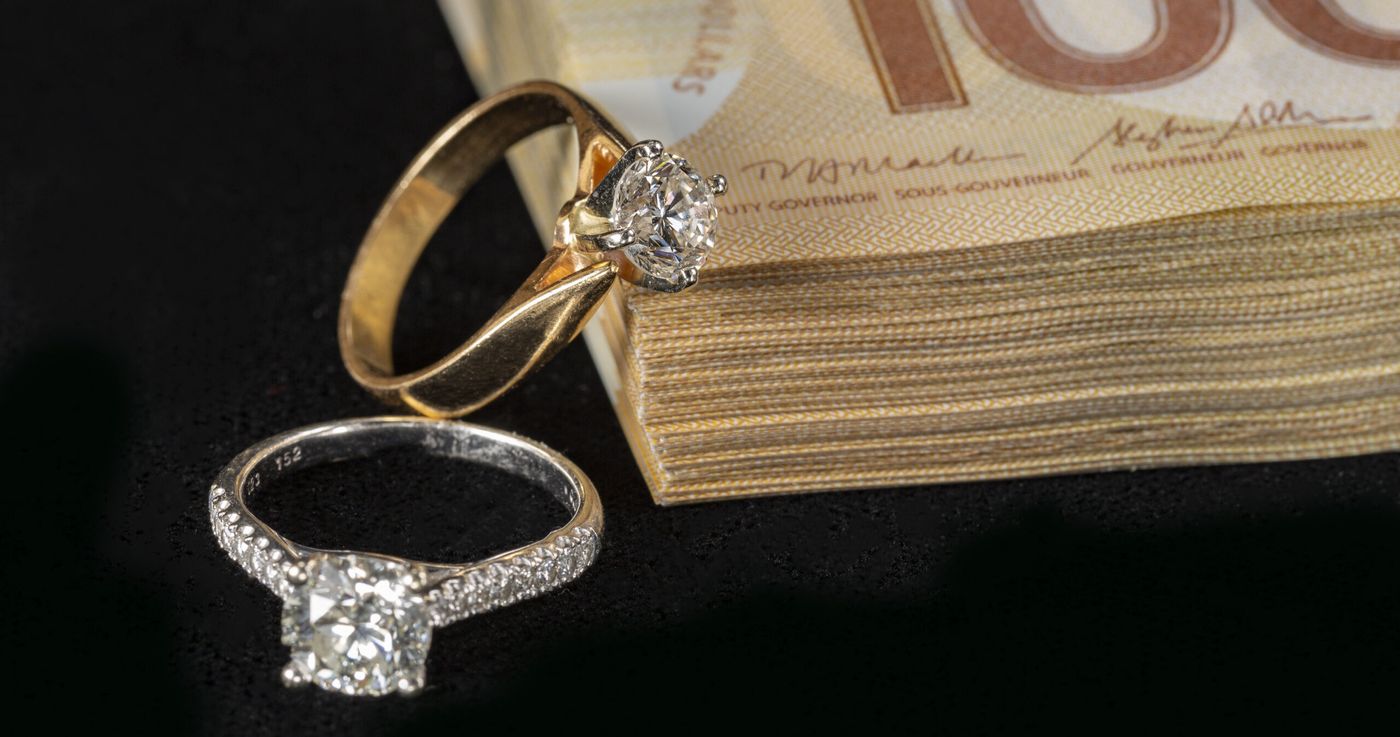
The Step-by-Step Process of Selling Gold
Selling gold at a Montreal buyer generally follows a consistent sequence designed to be completed within a short timeframe, often under 30 minutes. The first step is to contact the buyer or visit their location, with some offering the option to submit photos online for a preliminary estimate. Upon arrival, you present your items, which can include jewellery, coins, bullion, or estate collections. The buyer then conducts an appraisal, which involves testing for purity and weighing the items. Reputable buyers perform this appraisal in front of the seller, using tools like precision scales, acid test kits, and XRF machines which provide an exact elemental analysis.
Following the testing, the buyer presents a written offer based on the determined weight, the measured purity (karat), and the current live market price for gold. This offer is calculated using a specific formula: payout equals gram weight multiplied by the purity ratio multiplied by the live spot price multiplied by the buyer's buyback margin. You are under no obligation to sell at this point and can decide to accept the offer or walk away with your items. If you accept, payment is typically issued on the same day. Common payment methods include cash, e-Transfer, cheque, or bank wire, allowing you to leave with funds in hand or receive them electronically shortly after the transaction.
- Contact the buyer via phone, online form, or in-person visit.
- Present your gold items for a free, no-obligation appraisal.
- Watch the testing process for weight and exact purity (e.g., XRF test).
- Receive a clear, written offer based on live market pricing.
- Decide to accept or decline the offer with no pressure.
- If accepted, choose your payment method and receive funds, often same-day.
Canadian Tax Rules for Selling Precious Metals
The application of the Goods and Services Tax (GST) and Harmonized Sales Tax (HST) when selling precious metals in Canada depends entirely on the type and purity of the item being sold. This is a crucial federal distinction that affects the net proceeds from a sale. This exemption applies to items such as .9999 fine Canadian Gold bullion bars and Platinum Maple Leaf coins whether they are sold in Montreal, elsewhere in Canada, or to an online dealer. This category includes products like .9999 fine Canadian Silver Maple Leaf coins. Conversely, items that do not meet these purity thresholds are generally subject to sales tax. This includes all jewellery, such as a 14k gold necklace or a sterling silver flatware set sold for scrap, as well as all bullion items made from palladium or rhodium. When selling these non-exempt items, the transaction is considered taxable, and the buyer may be required to account for the tax, which can influence the final payout calculation. Sellers should be aware of the classification of their items to understand the applicable tax treatment.
Compliance and Identification Requirements
All legitimate precious metals buyers in Canada must comply with federal anti-money laundering and anti-terrorist financing regulations enforced by the Financial Transactions and Reports Analysis Centre of Canada (FINTRAC). A core requirement of these rules is customer identification. Buyers are required to ask for and record verified identification from sellers for all transactions. This is a standard practice meant to ensure the legitimacy of the trade and is not unique to any single dealer.
For any single gold transaction where the total cash payment value is $10,000 CAD or more, this identification process is mandatory. The $10,000 threshold is a key reporting trigger under the Proceeds of Crime (Money Laundering) and Terrorist Financing Act. Buyers will ask for official government-issued photo ID, such as a driver's licence or passport, to verify the seller's identity for these larger transactions. This requirement applies equally to in-store sales and mail-in refinery services, meaning sellers shipping high-value packages will also need to provide identification details as part of the intake process. These measures are in place for security and regulatory compliance across the entire industry.
Comparing Payout Rates and Buyer Models
The payout rate a seller receives is the final price per gram offered for their gold, and it varies significantly between different types of buyers. This rate is a function of the live market spot price for gold, the item's measured purity, and the buyer's operating margin. Mail-in refinery services often advertise their payout rates prominently, noting they update automatically with the Canadian dollar-denominated spot price. For example, one service quoted a live Montreal payout of CAD $180.92 per gram for 24k pure gold on a specific date in October 2026. These services state their refinery-direct model eliminates middleman markups.
In contrast, local pawn shops are frequently cited as paying between 40% to 65% of the melt value, as they typically must resell the gold to a refinery themselves and retain a margin. Dedicated local gold buyers position themselves between these two models, offering in-person service with potentially higher payouts than pawn shops due to more precise testing and lower overhead than some larger operations. Many guarantee to match or beat written offers from competitors. The following table illustrates the general differences in focus and potential value proposition between common buyer types in Montreal.
Common Items Accepted by Montreal Gold Buyers
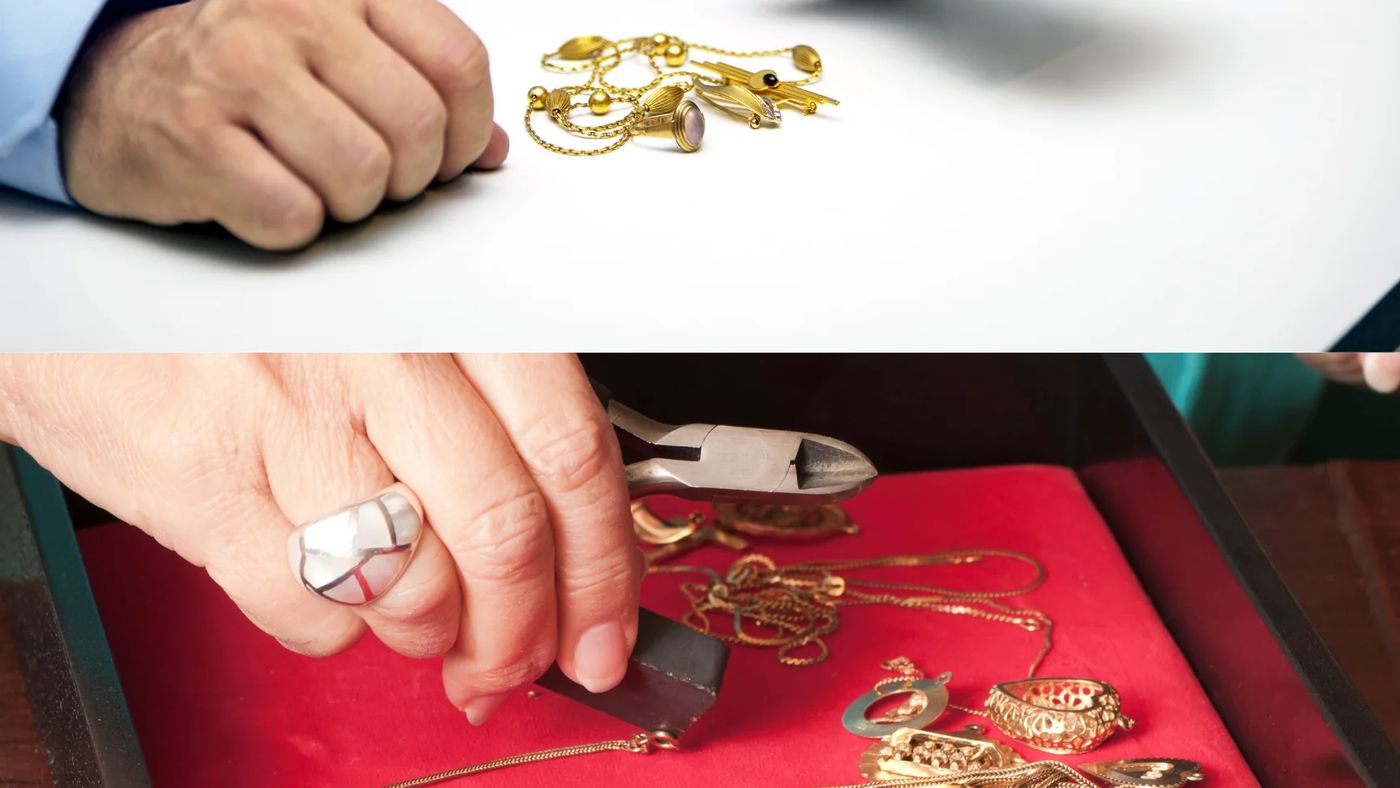
Gold buyers in Montreal accept a broad spectrum of items, primarily valuing them for their precious metal content rather than their artistic or collectible value. The most common category is jewellery, which includes rings, chains, necklaces, bracelets, and earrings of any karat and in any condition, including broken or unwanted pieces. Buyers also purchase dental gold, which contains gold alloys, and luxury watches, which are valued for their gold components. Another major category is bullion and coins, which encompasses gold and silver bars, ingots, wafers, rounds, and collectible coins from mints like the Royal Canadian Mint.
Estate collections or inherited items are frequently brought in for evaluation, which can contain a mix of jewellery, coins, and sometimes silverware. For silver, buyers accept coins, bars, and silverware (flatware). It is important to note that while bullion coins and bars of high purity are tax-exempt when sold, jewellery and silverware are considered taxable transactions. Most buyers emphasize that they purchase items in any condition, as the material will be refined. The evaluation process for all these items focuses on determining the exact weight and purity of the precious metal content through testing.
- Jewellery: Rings, chains, necklaces, bracelets, earrings (any karat, any condition).
- Dental Gold: Gold-containing alloys from dental work.
- Luxury Watches: Valued for gold components.
- Bullion and Coins: Gold/silver bars, ingots, rounds, and collectible coins.
- Estate Collections: Inherited mixes of jewellery, coins, and other valuables.
- Silverware: Sterling silver flatware and hollowware.
Key Considerations Before Your Sale
Before visiting a buyer, it is helpful to have a realistic expectation of your gold's value. The price is determined by the live global spot price of gold, which fluctuates throughout the trading day. The spot price is quoted in US dollars per troy ounce, so the final Canadian dollar payout depends on the exchange rate and the buyer's specific buyback percentage. Items are valued strictly by their melt value, the worth of the raw precious metal, unless a buyer specifically offers a separate valuation for numismatic or collectible coins. For standard jewellery and scrap, sentimental value does not factor into the price.
Obtaining multiple appraisals is a standard and recommended practice, as offers can vary between buyers. Since appraisals are typically free and involve no obligation, you can visit several establishments to compare written offers. Be prepared to show identification, as it will be requested. For larger sales, understand the $10,000 CAD reporting threshold and the associated ID requirement. Finally, clarify the payment method and timing. While many buyers offer instant cash or e-Transfer, some methods like cheque or bank wire may take an additional business day to clear. Knowing these details ensures a smooth and predictable selling experience.
Frequently asked questions
Do I need to show ID to sell gold in Montreal?
Yes, all legitimate precious metals buyers in Canada are required by FINTRAC regulations to ask for verified identification from sellers. This is a standard anti-money laundering practice. For any transaction where the cash payment value is $10,000 CAD or more, providing photo ID is mandatory. Buyers will request ID for all transactions as part of their compliance procedures.
How do Montreal gold buyers determine the price they offer?
Buyers determine the offer through a multi-step appraisal. First, they weigh the item. Then, they test its purity, often using an XRF machine for an exact karat measurement. This results in a payout price per gram.
Is there a minimum amount of gold I need to sell?
Minimums vary by buyer. Many local storefront buyers do not advertise a strict minimum for walk-in sellers. Some mail-in refinery services explicitly state they have no minimum, accepting shipments from a single coin to a box of scrap. For very small quantities, some services recommend using an online scrap calculator for an estimate before proceeding with a sale.
What is the sales tax on selling gold jewellery in Canada?
Selling gold jewellery in Canada is generally subject to the Goods and Services Tax (GST) or Harmonized Sales Tax (HST). For example, a 14k gold necklace or sterling silverware sold for scrap constitutes a sales taxable transaction. This is in contrast to investment grade bullion items, which are often tax exempt. Gold and platinum bars, coins, ingots, wafers, and rounds with a purity of .995 or more are fully exempt from GST and HST. Silver bars, coins, wafers, and rounds with a purity of .999 or more are also exempt. It is important for sellers to understand the applicable tax rules based on the purity and form of the precious metal they are selling.
What is the difference between selling to a local store and a mail-in service?
Selling to a local store in Montreal involves an in person visit for a free, no obligation appraisal and often results in same day payment. Stores like Canada Gold and FairGold Montreal conduct evaluations and testing in front of the customer in private appraisal rooms. Mail in services require shipping your gold via insured courier to a refinery, such as in Toronto, with typical transit taking one to two business days. The item is assayed upon arrival, and payment is issued same day via e transfer or other methods. Mail in services often promote higher payout rates by eliminating middleman markups, but they lack the immediate, personal interaction and transparency of an in store evaluation.
What kinds of gold items can I sell in Montreal?
You can sell a wide variety of gold items in Montreal, including broken or unwanted jewellery of any karat and any condition. Buyers also purchase gold coins, bullion bars, dental gold, luxury watches, and entire estate collections. Many Montreal gold buyers, such as FairGold Montreal and Canada Gold, explicitly state they buy all these items. They also purchase silver items like coins, bars, and silverware. These businesses evaluate items based on their precious metal content, using tools like XRF testing to determine exact purity and weight for a fair offer.
Sources and further reading
- Buy gold and silver bullion | Sell jewelry | Canada Gold montrealgold.ca
- Buy & Sell Gold And Silver In Montreal canadagold.ca
- Sell Scrap Gold in Montreal | XRF Tested, Paid Same Day ... fairgoldmontreal.ca
- Local Silver Gold Dealers Montreal QC, Canada online.kitco.com
- Sell Gold in Montreal, Live CAD Payout Rates goldstockcanada.com
This article explains how things work and is not financial, tax or legal advice. Rules, limits and rates change, so check the current figures with the Canada Revenue Agency, your province or your financial institution before you act.