Royal Canadian Mint collectible coins are specially minted, non-circulating coins produced for collectors and investors. These coins, often made from precious metals like fine silver or gold, commemorate historical events, national figures, and symbols. Their value is determined by factors such as mintage, metal content, condition, and collector demand rather than face value. For Canadians, these coins represent a tangible piece of national heritage and a potential store of value, distinct from everyday circulation currency.
What Defines a Collectible Coin
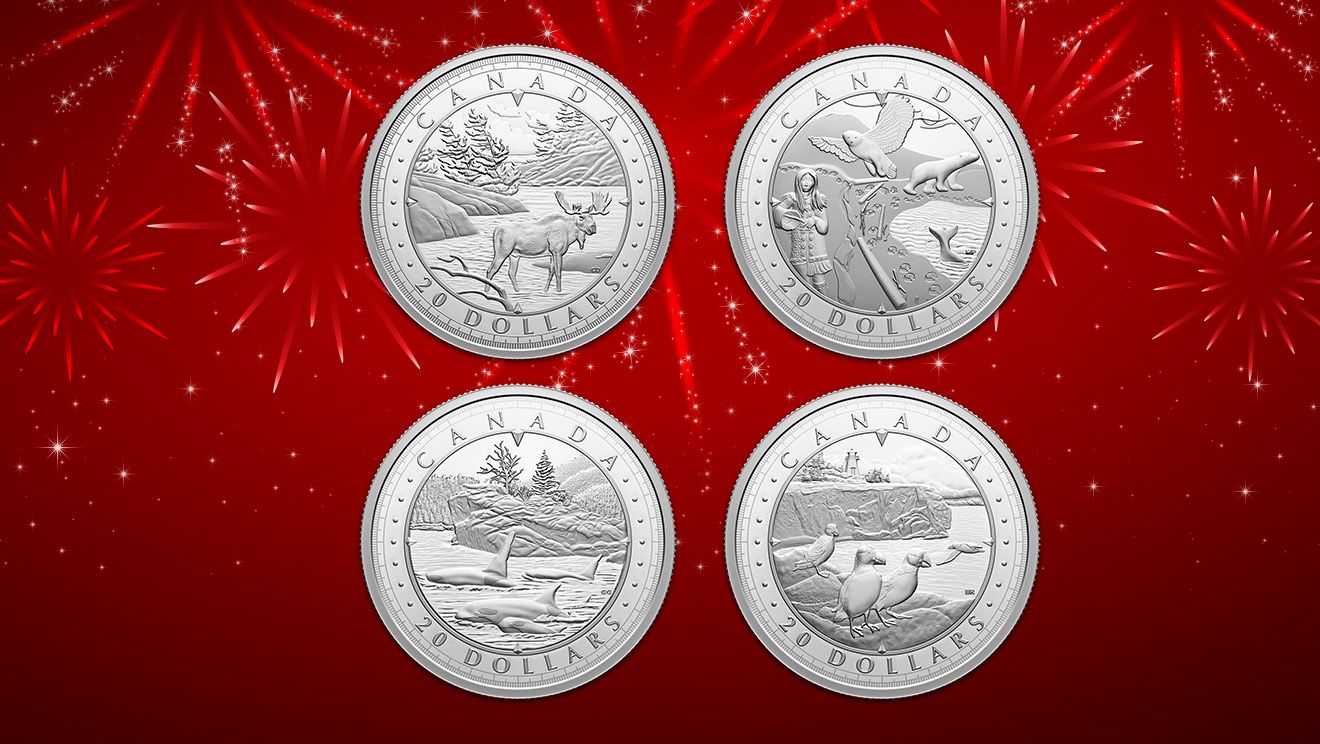
Royal Canadian Mint collectible coins are distinct from the coins used in daily transactions. They are produced with collectors in mind, featuring special finishes, themes, and often higher precious metal content. Common types include pure silver coins, gold coins, and specimen sets, which are struck in specimen quality and presented in protective packaging. The value of these coins is not tied to their face value but is influenced by their artistry, the story they tell, and their material composition. For instance, a 2021 Pure Silver Coin featuring Lake Louise derives value from its design, silver content, and limited availability. The finish of a coin, such as a cameo appearance which provides a frosted visual effect on the design, is a key characteristic sought by collectors.
These coins are legal tender in Canada, but their collectible and intrinsic worth typically far exceeds their nominal denomination. The Mint releases coins covering a wide range of interests, from historical anniversaries like the 50th Anniversary of the Royal Canadian Mint in Winnipeg to annual series celebrating Canadian wildlife. This variety ensures there is a coin for nearly every collector's taste and interest. Collectors can find coins that feature everything from historical events to Canada's beautiful flora and fauna, making the hobby diverse and engaging.
How Coin Values Are Determined
The market value of a Royal Canadian Mint collectible coin is not fixed and can fluctuate. Several core factors determine what a coin is worth on the secondary market. The quality and wear of a coin is paramount. An uncirculated specimen set will command a higher price than a circulated coin of the same design. Supply and demand dynamics are very important, where a lower mintage number often leads to higher demand among collectors. Rarity is a significant driver of value, especially for older or error coins that were produced in very limited quantities. The finish of the coin, such as proof or specimen quality, also affects its valuation.
Market values are established through public auctions, trends observed by numismatic publications, and sales data from recognized dealers. For example, lists of the top 10 most valuable coins at auction in a given year highlight which pieces are currently in high demand. It is important to understand that the listed price from the Mint or an authorized dealer represents the initial retail cost, while the subsequent collectible value is set by the open market based on the factors described. Values in price guides are based on the market, trends, auctions and recognized books and catalogs, providing a benchmark for collectors.
- Quality and wear of the coin.
- Supply and demand in the collector market.
- Rarity, often linked to low mintage numbers.
- The coin's finish, such as proof or specimen.
- Current precious metal market prices.
- Results from public auctions and numismatic trends.
These factors combine to create a dynamic market where values can change over time. A coin purchased at retail may increase or decrease in value based on these shifting conditions. Collectors often track these elements to make informed decisions about their collections. The value of a Canadian coin depends on several factors such as quality and wear, supply and demand, rarity, finish and more, making research essential.
A Brief History of Canadian Coinage
The story of Canadian coins begins with the pre-Confederation colonies. In 1858, the Province of Canada, with approval from London, introduced its own decimal coinage to replace the sterling system, minting coins in denominations of 1, 5, 10, and 20 cents. This established the decimal system still in use today. Following Confederation in 1867, the new Dominion of Canada issued a unified series of coins that were legal tender in the original four provinces. For decades, Canada's coinage was produced by branches of the Royal Mint in England.
The establishment of a domestic mint was a significant national milestone. The Canadian branch of Britain's Royal Mint opened in Ottawa in January 1908, taking over the production of Canada's circulation coinage. A key part of its early mandate was to refine Canada's domestic gold resources. This goal was realized between 1912 and 1914 when the Ottawa facility produced $5 and $10 gold coins featuring national symbols. This legacy of refining and producing gold products continues at the Royal Canadian Mint today, which has expanded into a global leader in both circulation and collectible coin production. The Mint's purpose was to produce circulation coinage and refine Canada's growing gold resources on domestic soil.
Understanding Errors and Varieties
Coins with manufacturing anomalies, known as errors or varieties, can become highly sought-after by collectors. An error coin results from a mistake in the minting process, such as a deteriorated die, a die clash, or a double die strike where the design is imprinted twice. A variety refers to a consistent difference in design, such as a change in a date or a detail, that occurs across a batch of coins. These anomalies are only formally recognized and catalogued when they are verified by multiple experts, certification companies, and authoritative numismatic publications. When recognized by several authors, collectors and certification companies, errors and varieties are added and associated with values.
The value of an error or variety coin is directly tied to its rarity and the level of collector interest. A dramatic error that is very scarce will typically be more valuable than a minor, common variety. Collectors use specialized price guides, auction records, and market trends to estimate values for these unique pieces. The discovery of a new error or variety can generate significant attention in the collecting community. It is essential for collectors to have such coins authenticated and graded by a reputable third-party service to confirm their legitimacy and condition.
- Deteriorated die error.
- Die clash error.
- Double die error.
- Design varieties with consistent differences.
- Errors recognized by multiple authors and certification companies.
- Values associated with errors based on auctions and publications.
These specific types of anomalies are documented in price guides and collector databases. Their inclusion adds a layer of complexity and excitement to the hobby of coin collecting. The section on coin values includes information on history, errors, varieties, characteristics and more. Values in the section are based on the market, trends, auctions and recognized books, publications and catalogs.
Types of Collectible Coin Products
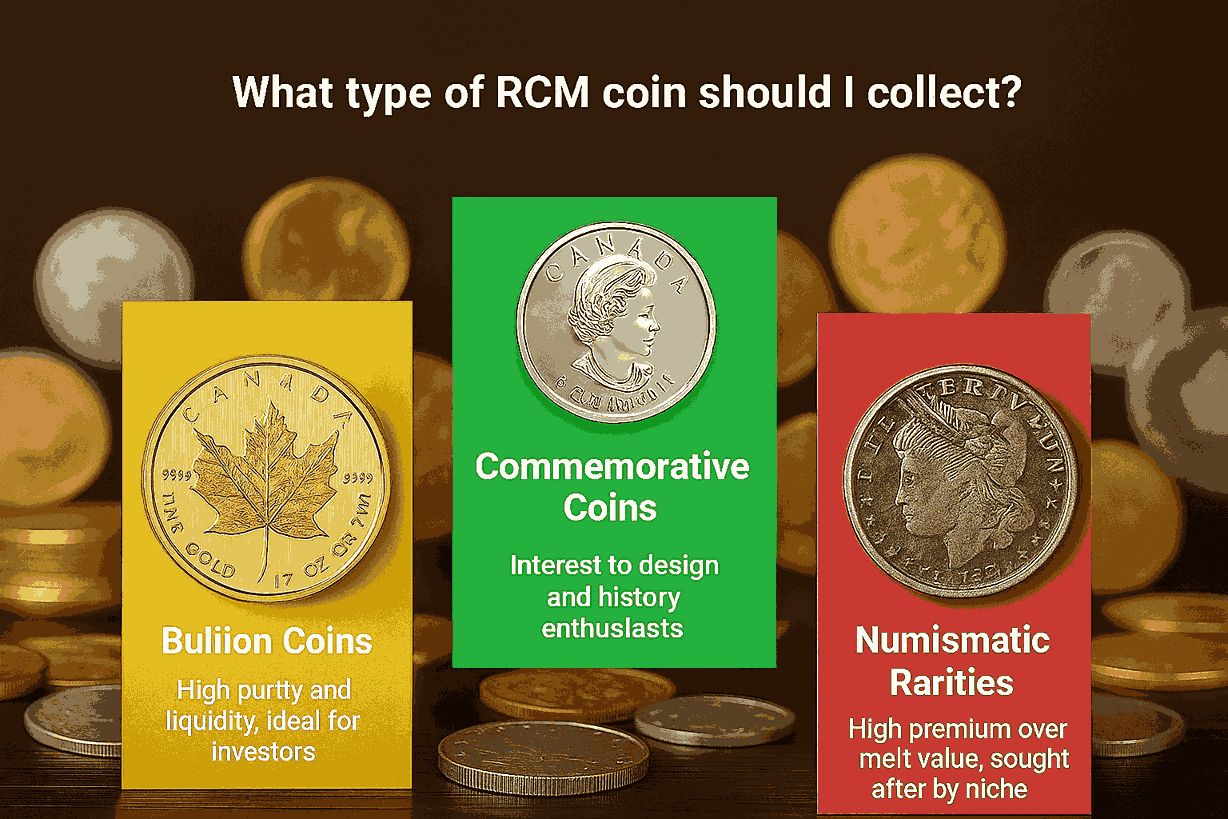
The Royal Canadian Mint offers a diverse array of collectible products to suit different interests and budgets. Pure silver bullion coins are popular for their metal content and often feature Canadian imagery like the maple leaf. Numismatic collectible coins, such as the 2026 Barn Owl specimen set, are prized for their artistic designs and limited mintages. Commemorative issues mark significant events, like the 50th Anniversary of the Royal Canadian Mint's Winnipeg facility, which had a mintage of 50,000 sets. Annual coin sets, like the Classic Canadian Uncirculated Set, provide a yearly snapshot of Canada's circulating coinage in pristine condition.
Multi-coin sets gather thematic pieces together, such as a series celebrating Canadian national parks or wildlife. The Mint also produces larger format coins, such as 5-ounce pure silver coins, which allow for more detailed artwork. These products are available through the Mint's own channels, authorized dealers, and other retailers like Canada Post's online store, which offers free shipping on orders over a certain value. Collectors should review product specifications carefully to understand the metal content, finish, mintage limit, and packaging included with each offering.
- Pure Silver Bullion Coins (e.g., Maple Leaf series).
- Specimen Sets (e.g., 2026 Barn Owl set).
- Commemorative Coin Sets (e.g., 50th Anniversary of RCM Winnipeg).
- Classic Canadian Uncirculated Annual Sets.
- Thematic Multi-Coin Sets (e.g., national parks).
- Large Format Coins (e.g., 5 oz. pure silver).
Each product type serves a different purpose, from bullion investing to thematic collecting. Understanding these categories helps collectors focus their acquisitions and build a coherent collection. The Mint's collectible coins and coin sets are available on Canada Post's online store. This provides another convenient purchasing option for Canadians.
Key Factors for Collectors to Consider
When acquiring Royal Canadian Mint collectibles, several practical considerations are important. First, determine your collecting focus, whether it is a specific theme like fauna, a metal type like silver, or a commemorative series. Research the mintage figures for a coin, as a lower number generally indicates a smaller supply, which can influence long-term value. Understand the different finishes. A proof-like coin has a mirror background, while a specimen coin has a different striking process and presentation. Always assess the coin's condition, as even minor wear can greatly reduce its value to collectors.
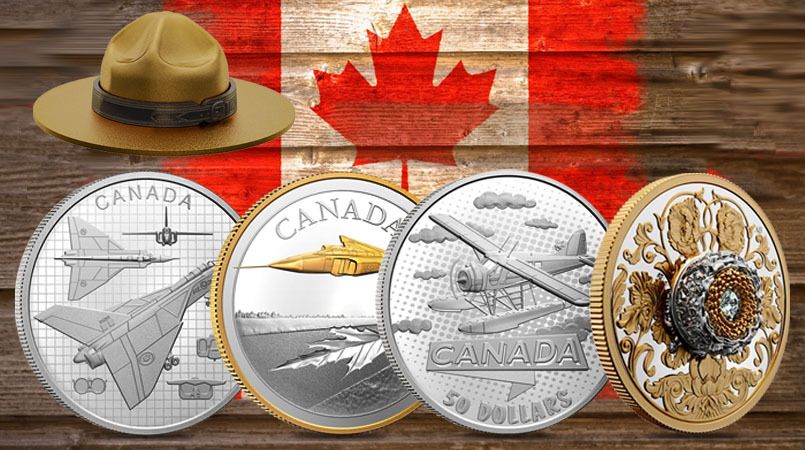
Secure and proper storage is critical to preserve a coin's condition. Use holders, capsules, or albums designed for numismatic storage to protect against environmental damage. Keep detailed records of your purchases, including certificates of authenticity, original packaging, and receipts. Be aware of the current precious metal market, as the spot price of silver or gold forms a base value for bullion-related coins. Finally, engage with the collecting community through clubs, forums, and reputable dealers to stay informed about market trends and new releases. The latest coins released by the Royal Canadian Mint are varied and can be chosen for a collection or given as a special gift.
Frequently asked questions
Are Royal Canadian Mint collectible coins a good investment?
Royal Canadian Mint collectible coins can hold value, but they are not guaranteed investments. Their worth is influenced by collector demand, mintage numbers, metal market prices, and condition. Unlike circulation coins, their value is primarily numismatic or intrinsic rather than face value. Market values can fluctuate based on trends and auctions. It is essential to research and collect for personal interest first, with any financial return being a secondary possibility.
What is the difference between a bullion coin and a collectible coin?
The value of a Canadian coin depends on several factors such as quality and wear, supply and demand, rarity, finish and more. Bullion coins are valued primarily for their precious metal content. Collectible coins are valued for their artistry, rarity, condition, and theme. Collectible coins often command a premium over their metal value and have special finishes designed for collectors.
Where can I buy Royal Canadian Mint collectible coins?
These coins can be purchased directly from the Royal Canadian Mint through its online store. They are also sold by authorized Mint dealers across Canada, major financial institutions, and select retailers like Canada Post's online store. Collectors can also find them on the secondary market through coin shows, auction houses, and specialized numismatic dealers. It is important to buy from reputable sources to ensure authenticity.
How do I know what my Royal Canadian Mint coin is worth?
To determine a coin's current market value, consult recent numismatic publications, price guides, and auction results for comparable coins. Factors like year, mintage, condition, and specific variety must be matched. Online databases and collector forums can provide insights. For a formal valuation, especially for rare or high-value pieces, consider getting the coin professionally graded and appraised by a recognized certification company or a reputable dealer.
What does 'mintage' mean and why is it important?
Mintage refers to the total number of copies of a particular coin produced by the Mint. A lower mintage number means fewer coins exist, which can increase rarity and collector demand. For example, the Collector's Edition Non-Circulation Coin Set for the 50th Anniversary of the Royal Canadian Mint had a mintage of 50,000. Mintage figures are often published by the Mint and are a key data point collectors use to assess a coin's potential scarcity and value.
What are specimen sets from the Royal Canadian Mint?
Specimen sets are annual collections of Canada's circulation coins struck in specimen quality. They are presented in leatherette cases and have been issued from 1967 to the present. These sets are produced in limited quantities and are designed specifically for collectors. An example is the Specimen Set for the Barn Owl from 2026.
Sources and further reading
- New Coin Releases mint.ca
- Canadian coins price guide, value, errors and varieties coinsandcanada.com
This article explains how things work and is not financial, tax or legal advice. Rules, limits and rates change, so check the current figures with the Canada Revenue Agency, your province or your financial institution before you act.