RBC travel rewards credit cards provide Canadian consumers with a range of options to earn points on everyday spending and redeem them for travel. The primary value of these cards lies within the Avion Rewards ecosystem, which is Canada's largest bank-owned loyalty program, offering flexibility for flights, hotels, and other travel expenses. Key considerations for Canadians include annual fees, income requirements, and how the card's specific rewards and insurance coverage align with personal spending and travel habits. Understanding the details of each card's earning structure, redemption options, and linked partner perks is essential for evaluating their practical use.
Overview of RBC's Travel Credit Card Portfolio
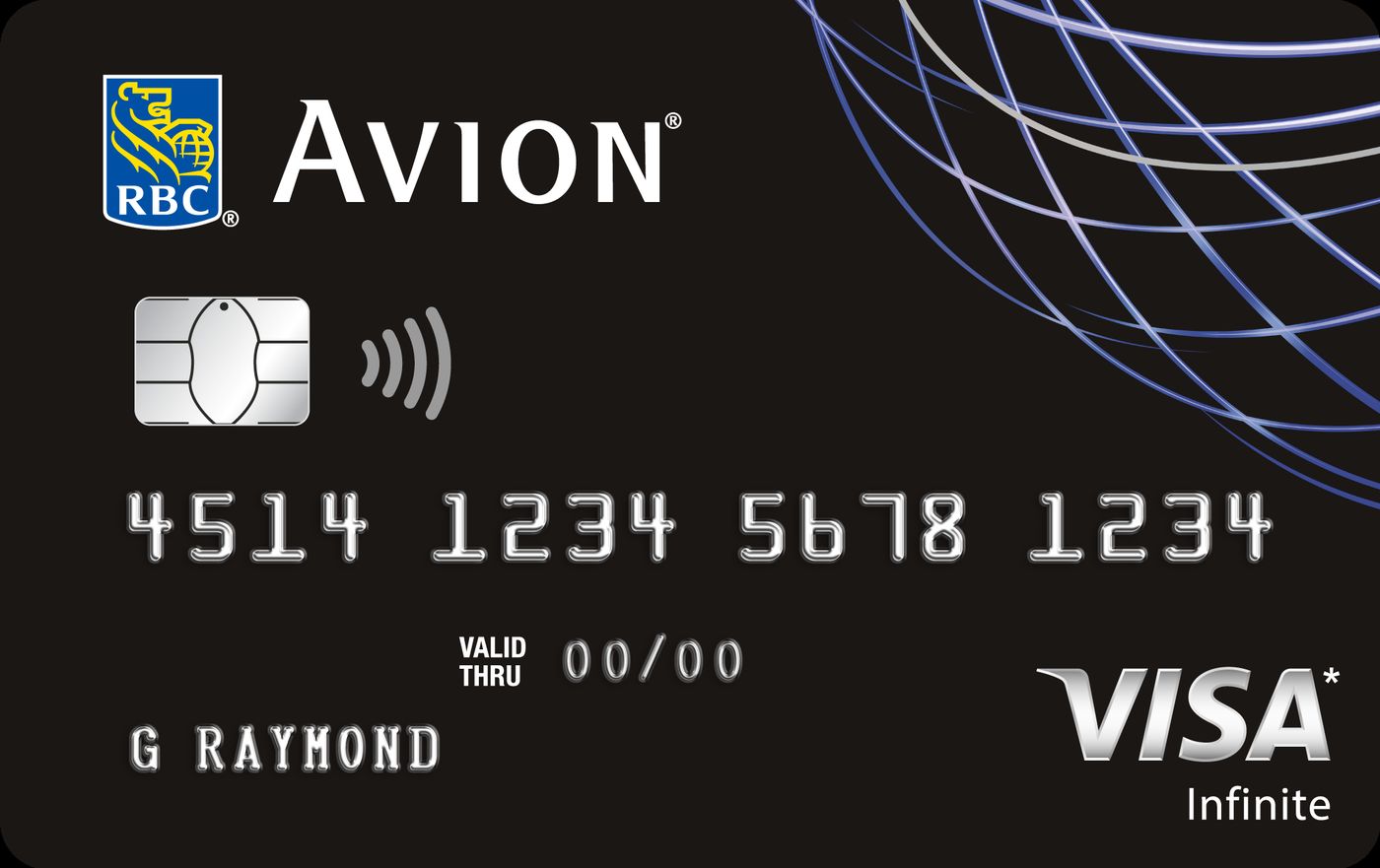
Royal Bank of Canada offers several credit cards focused on travel rewards, each designed for different consumer profiles. The lineup includes the premium RBC Avion Visa Infinite, the entry-level RBC ION Visa, the low-interest RBC Visa Classic Low Rate Option, and the co-branded WestJet RBC World Elite Mastercard. The RBC Avion Visa Infinite is positioned as the bank's strongest general travel card, providing flexibility without being tied to a single airline program. In contrast, the WestJet RBC World Elite Mastercard is designed specifically for travellers loyal to WestJet and its partner airlines. The value of an RBC travel card extends beyond the card itself into the broader Avion Rewards ecosystem and linked partner perks, which include discounts at Petro-Canada, Canadian Tire, and Rexall. For existing RBC clients, these cards can integrate with broader banking services, adding another layer of utility.
Earning and Redeeming Avion Rewards Points
The core of RBC's travel rewards system is the Avion Rewards program. Points are earned on eligible purchases made with an eligible RBC credit card. For the RBC Avion Visa Infinite card, the earning structure provides 1.25 Avion points per dollar spent on travel-related purchases and 1 Avion point per dollar spent on all other eligible purchases. Points never expire, which allows cardholders to accumulate them over time without pressure. Redemption options are notably flexible, allowing points to be used for flights, car rentals, hotel stays, and other travel expenses in Canada or abroad.
A distinctive feature of the Avion program is fixed-points pricing for flights, which is available 365 days a year. This means the number of points required for a flight redemption does not fluctuate based on season or demand, offering predictability. Cardholders can book flights with over 500 airlines with no blackout dates or seat restrictions, even during peak travel periods. Points can also be converted to other frequent flyer programs, used to pay down a credit card balance, or redeemed for merchandise. The conversion rate for non-flight travel redemptions, such as hotels and car rentals, is typically 100 Avion points equals $1. A welcome offer of up to 70,000 Avion points was available with an application by November 25, 2026, which RBC states is enough for two round-trip flights anywhere in Canada or the continental United States, excluding taxes and fees.
Detailed Card Features and Benefits
Each RBC travel rewards card comes with a specific set of features, fees, and benefits tailored to its target user. The RBC Avion Visa Infinite has an annual fee of $120 and requires a minimum personal income of $60,000 or a minimum household income of $100,000. It includes a comprehensive suite of travel insurance coverages such as unlimited emergency medical insurance, travel accident insurance, trip cancellation insurance, and mobile device insurance. Cardholders also receive access to the Visa Infinite Hotel Collection for benefits at over 900 properties, discounts with partners like Park n’ Fly and Via Rail, and a complimentary Visa concierge service.
The RBC ION Visa card has no annual fee and serves as an entry-level card for earning Avion points. It offers a higher earn rate of 1.5 points per dollar spent on specific categories including groceries, rideshares, gas, EV charging, streaming, digital gaming, and subscriptions. All other purchases earn 1 point per dollar. This card is also accessible to students and includes practical perks like fuel discounts. The WestJet RBC World Elite Mastercard has different rewards, earning WestJet dollars on purchases, and provides benefits like free checked bags, an annual companion voucher, and airport lounge access. It requires a higher minimum personal income of $80,000.
- RBC Avion Visa Infinite: $120 annual fee, 1.25x points on travel, extensive travel insurance.
- RBC ION Visa: $0 annual fee, 1.5x points on groceries, gas, streaming, and more.
- RBC Visa Classic Low Rate Option: Fixed 12.99% interest rate, no rewards program.
Beyond the core card features, RBC heavily promotes linked partner perks that add value for cardholders. By linking an eligible RBC credit card, users can save 3 cents per litre on fuel at Petro-Canada and earn 20% more Petro-Points and Avion points on gas purchases. Linking also enables earning 3 times the Canadian Tire Money at Canadian Tire, Sport Chek, and Mark's when paying with the linked RBC card and scanning a Triangle Rewards card. Other partnerships include earning extra Moi points at Metro banners, More Rewards points at Save-On-Foods, and Be Well points at Rexall. A free 12-month DashPass subscription for DoorDash is another advertised benefit for eligible cardholders.
Insurance Coverage and Travel Protections
Travel insurance is a significant component of RBC's premium travel cards, particularly the RBC Avion Visa Infinite. The coverage is designed to safeguard cardholders during trips within Canada and abroad. The insurance package includes unlimited emergency medical insurance for trips of a specified duration, which can cover medical expenses incurred while travelling. Trip cancellation and trip interruption insurance can reimburse non-refundable travel costs if a trip is cancelled or cut short due to covered reasons such as illness, severe weather, or a family emergency. Additional insurances provided are travel accident insurance, which offers coverage in the event of accidental death or dismemberment during a covered trip, and mobile device insurance, which can cover repair or replacement costs for a damaged or stolen cellphone.
It is important for cardholders to review the specific terms, conditions, and limitations of each insurance type. Coverage is not automatic for all situations and often requires that the travel expenses be charged to the eligible RBC credit card. These insurances provide a layer of financial protection that can be valuable for frequent travellers. The insurance benefits complement the rewards earning potential of the card. They are a key differentiator for the RBC Avion Visa Infinite when compared to no-fee or entry-level cards in the RBC lineup, which offer more limited coverage.
Eligibility Requirements and Application Process
To qualify for an RBC travel rewards credit card, applicants must meet specific eligibility criteria set by the bank. For the premium RBC Avion Visa Infinite card, the primary requirements are a minimum personal annual income of $60,000 or a minimum household annual income of $100,000. Applicants must also be of the age of majority in their province or territory of residence and have a Canadian credit file. The WestJet RBC World Elite Mastercard has a higher income threshold, requiring a minimum personal annual income of $80,000. The RBC ION Visa has more accessible requirements, including special offers for students.
The application process can be initiated online through the RBC website, by phone, or in person at a branch. Applicants will need to provide personal information, details about their employment and income, and their social insurance number for a credit check. RBC uses this information to assess creditworthiness and determine the credit limit. Upon approval, the card is typically mailed to the applicant's address. New cardholders should be aware of any welcome bonus offer terms, such as the requirement to apply by a specific date like November 25, 2026, for the 70,000-point offer, and any minimum spending requirements to earn the bonus. The bank may also consider the card's acceptance costs for merchants, as noted for premium cards.
Comparing RBC Cards with Other Travel Options
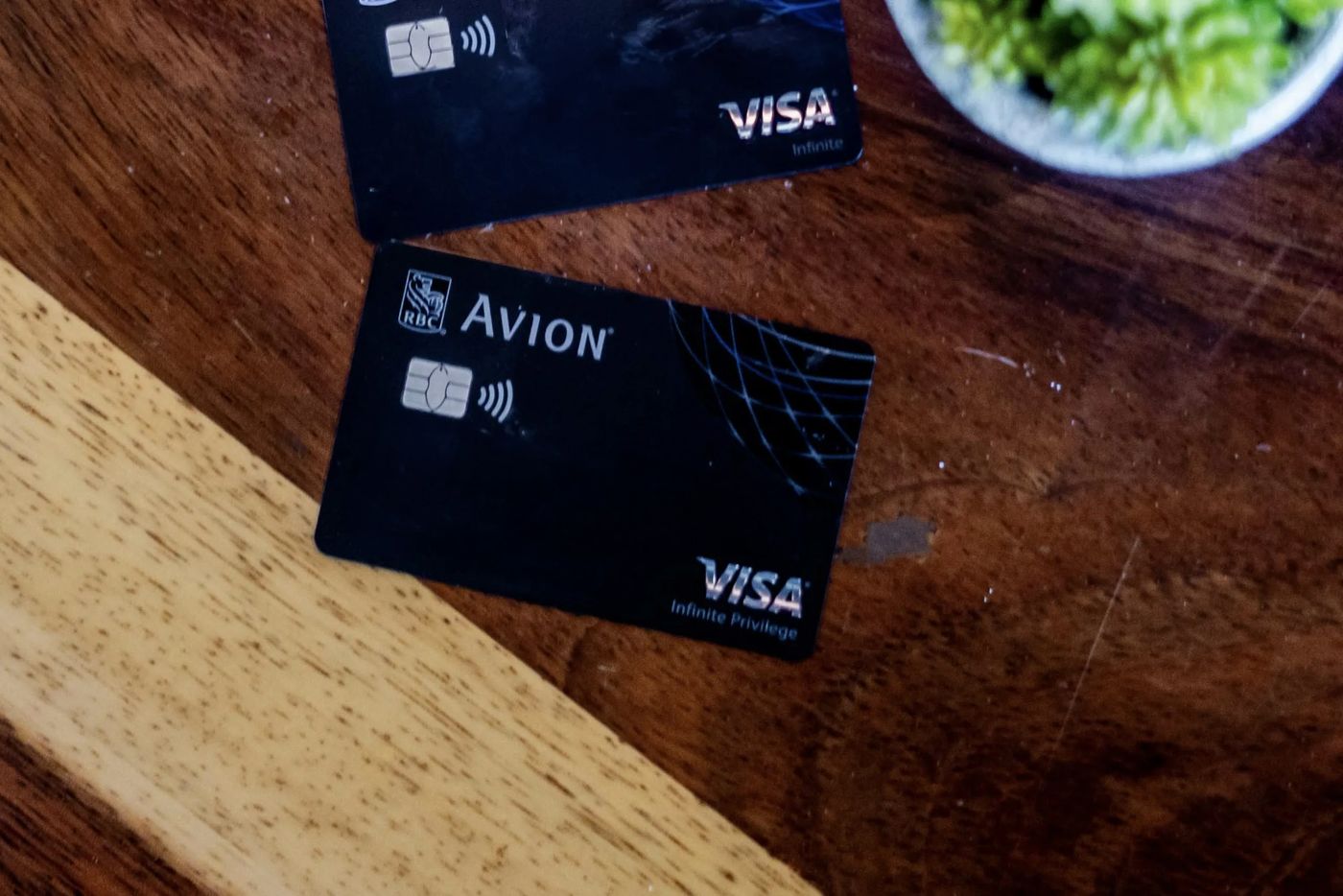
When considering RBC travel rewards cards, it is useful to understand how they compare within the broader Canadian credit card market. The RBC Avion Visa Infinite is often categorized as a flexible travel points card, competing with other bank-issued travel cards. Its main differentiator is the Avion Rewards program's fixed-points flight pricing and the extensive network of linked retail partnerships. In contrast, airline co-branded cards like the WestJet RBC World Elite Mastercard offer more specific, practical benefits tailored to a single airline's frequent flyers, such as free checked bags and companion vouchers. Independent rankings of Canadian travel credit cards for 2026 highlight cards from various issuers, with the American Express Cobalt Card ranked as the top overall travel rewards card for the ninth consecutive year in one 2026 analysis.
| Card Type | Key Differentiator | Best For |
|---|---|---|
| RBC Avion Visa Infinite | Fixed-point flight pricing, broad travel insurance | Flexible travel rewards |
| RBC ION Visa | No annual fee, higher earn on daily categories | Everyday Avion earning |
| WestJet RBC World Elite Mastercard | WestJet-specific perks like free bags | Frequent WestJet flyers |
| RBC Visa Classic Low Rate Option | Fixed low interest rate of 12.99% | Low interest and balance transfers |
The value proposition of an RBC card often hinges on whether a consumer is already embedded in the RBC ecosystem. It also depends on utilizing its partner networks like Petro-Canada or Canadian Tire and valuing the integrated banking experience. For those who do not, other issuers may offer different reward structures or higher earning rates on everyday spending. The RBC Avion Visa Infinite was noted in rankings for its flexibility without committing to one airline program.
Common Considerations and Potential Drawbacks
While RBC travel rewards cards offer various benefits, there are practical considerations and potential limitations cardholders should recognize. The annual fee, such as the $120 fee for the RBC Avion Visa Infinite, is a recurring cost that must be weighed against the value of rewards earned and benefits used. If a cardholder does not travel frequently or does not utilize the insurance coverage or partner discounts, the fee may not be justified by the rewards alone. The income requirements for premium cards can also exclude some potential applicants.
Some users have reported limitations when using points for certain redemptions, such as for larger hotel stays, despite having a high credit limit. The value of points can vary significantly depending on the redemption method. While fixed-point flights offer predictability, other redemptions like merchandise or gift cards typically offer lower value per point. Furthermore, the linked partner perks, while numerous, require active management, such as linking cards and scanning loyalty cards, to realize their value. For consumers who do not frequently shop at Petro-Canada, Canadian Tire, Rexall, or the other partner stores, these benefits may hold little practical utility. The WestJet RBC World Elite Mastercard, in particular, is noted as a niche airline card that may not be suitable for those who do not fly WestJet often.
Frequently asked questions
What is the best RBC credit card for travel rewards?
The RBC Avion Visa Infinite is RBC's strongest general travel card for flexible rewards. It is a premium Visa Infinite card that earns 1 Avion point per dollar on all eligible purchases and 1.25 points per dollar on travel related purchases. Its primary value lies in the flexibility of the Avion Rewards program, allowing redemptions on over 500 airlines with no blackout dates or seat restrictions. The card also features fixed points pricing for flights, extensive travel insurance, and access to premium benefits like the Visa Infinite Hotel Collection. This makes it an ideal choice for travellers who want flexibility without committing to a single airline program.
Do RBC Avion points expire?
No, RBC Avion points never expire. This is a key feature of the Avion Rewards program, allowing cardholders to accumulate points over time without the pressure of a use it or lose it deadline. Points remain in your account as long as the account is open and in good standing. This policy provides significant long term value and planning flexibility for cardholders, enabling them to save points for larger redemptions like international flights without fear of losing them due to inactivity.
What are the income requirements for the RBC Avion Visa Infinite?
The RBC Avion Visa Infinite requires a minimum personal annual income of $60,000 or a minimum household annual income of $100,000 for approval. These are standard eligibility requirements for premium Visa Infinite cards in Canada. The income threshold is used by RBC to assess an applicant's ability to manage the credit associated with this premium card. It is important for applicants to note that this card can also impose higher acceptance costs on merchants due to its premium network tier.
Can I use Avion points for anything other than flights?
Yes, Avion points offer extensive redemption options beyond flights. Points can be used for hotel stays, car rentals, and other travel related expenses through a simple conversion where 100 points equals $1. They can also be used to cover taxes and fees on travel bookings. Furthermore, points can be converted to other frequent flyer programs, used to pay down your RBC credit card balance, or redeemed for merchandise and gift cards. This flexibility is a base of the Avion Rewards program's value proposition.
What travel insurance comes with RBC travel cards?
The RBC Avion Visa Infinite provides a comprehensive suite of travel insurance benefits. This includes unlimited emergency medical insurance, travel accident insurance, and trip cancellation and interruption insurance. The card also offers mobile device insurance. These coverages are designed to provide peace of mind for frequent travellers. Specific details, limits, and exclusions for each insurance type are provided in the cardholder agreement and insurance certificates that accompany the card.
How does the fixed points flight pricing work?
Fixed points pricing is an exclusive feature for RBC Avion cardholders where the number of points required for a flight redemption stays the same, regardless of fare increases or seasonal demand. This pricing is available 365 days a year through the Avion Rewards travel portal. It provides predictability, allowing cardholders to know exactly how many points are needed for a specific route, such as a round trip within Canada or to the US. This system contrasts with dynamic pricing models where point costs can fluctuate with cash fares.
Sources and further reading
- RBC Avion Visa Infinite, Premium Travel Credit Card rbcroyalbank.com
- Guide to RBC Credit Cards in Canada nerdwallet.com
- Best RBC Royal Bank credit cards in Canada ratehub.ca
- Best Travel Credit Cards in Canada 2026 rewardscanada.ca
This article explains how things work and is not financial, tax or legal advice. Rules, limits and rates change, so check the current figures with the Canada Revenue Agency, your province or your financial institution before you act.