RBC cash back credit cards allow Canadian cardholders to earn a percentage of their spending back as cash rewards. These cards typically feature tiered earning structures, offering higher cash back rates on common spending categories like groceries, gas, and transit. Cardholders can redeem their accumulated cash back for statement credits or other options, often subject to a minimum redemption threshold. Understanding the specific rates, fees, and redemption rules is essential for Canadians to effectively utilize these financial products.
How RBC Cash Back Cards Work
RBC cash back credit cards operate by returning a percentage of the money spent on eligible purchases to the cardholder. This reward is earned as unlimited cash back credits with no predetermined maximum limit on total earnings. The cash back is calculated as a percentage of each net purchase, and the specific earn rate varies depending on the type of purchase made. Cardholders can track their accumulated cash back balance on their monthly credit card statement or by contacting RBC directly. The fundamental mechanism is designed to provide a straightforward reward for everyday spending without the complexity of point conversions or travel bookings. Cash back does not apply to certain transaction types like cash advances or balance transfers, which are outlined in the cardholder agreement, and the simplicity of the system is a key feature compared to other reward structures.

Earning Cash Back: Rates and Categories
RBC offers several cash back cards with different earning structures, primarily divided into no-annual-fee and premium annual-fee options. The specific cash back percentages depend on the card variant and the merchant category code of the purchase. A common no-fee card structure provides 2% cash back on grocery purchases, 1% on gas, electric vehicle charging, rideshare, and transit purchases, and a base rate of 0.5% on all other eligible purchases. Premium cards, which carry an annual fee, offer higher earn rates, such as 3% cash back on categories including groceries, dining, gas, transit, and streaming services, with 1% back on all other purchases. The earning is unlimited, meaning there is no cap on the total amount of cash back a cardholder can accrue over a statement period or a year.
It is important to note that these rates apply to eligible net purchases, and certain transactions like cash advances, balance transfers, or fees are typically excluded from earning rewards. Some cards may feature promotional earning periods, such as an offer to get 5% extra cash back on the first $2,000 in spending for the first six months, provided the application is submitted by a specified date like February 2, 2027. Cardholders should review their cardholder agreement for the definitive list of eligible categories and any potential exclusions. The lack of a points system means the cash back is a direct monetary credit based on spending, with no conversion required, and this directness is a major appeal for many users.
Key spending categories that commonly receive higher cash back rates on RBC cards include groceries, gas, EV charging, rideshare, and transit purchases. For example, the RBC Cash Back Mastercard offers 2% cash back on groceries and 1% on gas, EV charging, rideshare, and transit. The RBC Cash Back Preferred World Elite Mastercard offers 3% cash back on groceries, dining, gas, and transit. These category rates are designed to reward everyday spending patterns for many Canadian households, and understanding them is crucial for maximizing the return from the card.
- Groceries, which can earn 2% on no-fee cards and 3% on premium cards.
- Gasoline, electric vehicle charging, rideshare, and transit, often earning 1% or 3%.
- Dining and food delivery, a category for premium cards earning 3%.
- Streaming service purchases, another 3% category for premium cards.
- All other purchases, which earn a base rate of 0.5% or 1% depending on the card.
Redeeming Your Cash Back Rewards
Redeeming cash back from an RBC card involves specific procedures and minimum thresholds. The most common redemption method is to request a statement credit, which reduces the outstanding balance on the credit card account. For many RBC cash back cards, the minimum redemption amount is $25, meaning you must have accrued at least that much in cash back to initiate a redemption. Redemption can typically be done by calling the phone number on the back of the card and speaking with a customer service representative. Some cards may also offer an annual auto-redemption feature, where accumulated cash back is automatically redeemed as a statement credit in the month of January. While statement credits are standard, some financial institutions may offer alternative redemption options such as depositing the cash to a linked chequing or savings account, or issuing a cheque by mail.
The redemption process does not involve converting points or dealing with expiry dates, as the cash back is a direct monetary credit. Cardholders should be aware that redeeming cash back does not count as a payment toward the minimum payment due on their statement, and interest charges will still apply to any carried balance. The flexibility of redemption varies. Some cards only permit annual redemption, while others allow redemption at any time once the minimum threshold is met. It is crucial to understand your specific card's terms to access your rewards efficiently. The cash back itself is not taxable income as it is considered a rebate on purchases made, and this characteristic simplifies the financial reporting for cardholders.
Card Features, Fees, and Eligibility
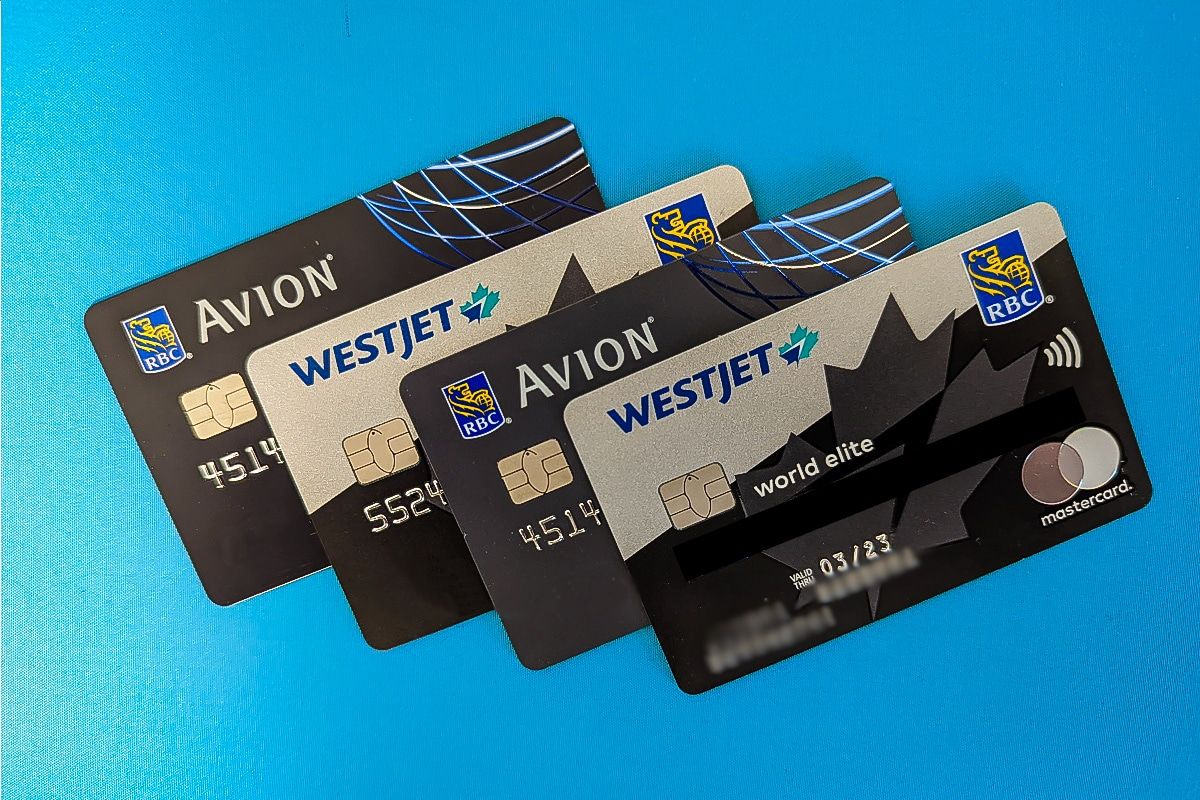
RBC cash back cards come with a range of features, costs, and applicant requirements that vary between the no-fee and premium tiers. Standard features often include Purchase Security and Extended Warranty Insurance, which provide coverage for new purchases against damage or theft and extend the manufacturer's warranty, respectively. Many cards also offer access to additional optional services and partner benefits, such as a complimentary DashPass subscription for food delivery or enhanced point earnings at specific retailers like Rexall. These ancillary benefits are subject to separate terms and conditions. Partner offers can include instant fuel savings at Petro-Canada or earning Triangle Rewards at Canadian Tire, Sport Chek, and Mark's, adding layers of value beyond the base cash back.
The cost structure is a key differentiator. A primary no-fee RBC cash back Mastercard has no annual fee and typically charges $0 for an additional card. In contrast, a premium card like the RBC Cash Back Preferred World Elite Mastercard carries an annual fee of $120 and may charge $50 for an additional card. Premium cards also have higher personal income requirements, such as $80,000 individual or $150,000 household annual income, and often come with a higher purchase interest rate, for example 21.99%. All applicants must meet RBC's standard credit approval criteria, which assess credit history, income, and debt obligations. The annual fee for premium cards is a fixed cost that must be considered against the potential for higher cash back earnings, and this calculation is essential for determining the card's net benefit.
Common features and associated costs for RBC cash back cards include annual fees, additional card fees, and cash back earn rates. For instance, one RBC cash back card has a $99 annual fee while another has a $120 annual fee. An additional card can cost $0 on some cards and $50 on others. These cards offer cash back on everyday purchases, with premium cards typically offering higher earn rates in exchange for an annual fee. These elements define the value proposition and accessibility of each card product, and they form the core of the comparison between different RBC cash back offerings.
- Purchase Security and Extended Warranty Insurance coverage.
- An annual fee that can be $0 for basic cards or $99 to $120 for premium cards.
- A fee for an additional card, which can be $0 or $50.
- A personal income requirement of $80,000 or a household income of $150,000 for premium World Elite cards.
- A purchase interest rate that is often around 20% to 22%, with 21.99% being a specific example.
- Access to optional services and third-party partner programs for added benefits.
Comparing Cash Back Card Structures
When evaluating cash back cards, it is useful to understand the two main structural types: category-based and flat-rate. RBC's offerings are predominantly category-based, providing higher earn rates on specific, common spending categories. This structure can maximize rewards for cardholders whose spending is concentrated in those boosted categories, such as groceries and fuel. The alternative, a flat-rate card, pays the same percentage on all purchases, which simplifies earning but may not yield as high a return for targeted spending. The right structure depends entirely on an individual's spending patterns. A category-based card from RBC pays different percentages across several merchant types, requiring cardholders to be aware of where they spend to optimize rewards, and this active management can lead to greater earnings.
Critical factors for comparison include the annual fee, the ongoing interest rate on purchases, and the specific cash back percentages. A card with a higher earn rate and a $120 annual fee only provides net value if the additional cash back earned exceeds the fee plus what would have been earned on a no-fee card. Furthermore, while RBC cards offer unlimited earnings, some category-based cards from other issuers impose annual caps on the amount of spending that qualifies for the higher category rate, after which a lower base rate applies. Canadians should also consider foreign transaction fees, which are typically 2.5% on most Canadian credit cards and can offset cash back earnings on purchases in foreign currencies. The simplicity of cash back is a key advantage, as there are no points to convert and no expiry dates to track for the rewards themselves, making it a low-maintenance option.
Common Considerations for Canadian Cardholders
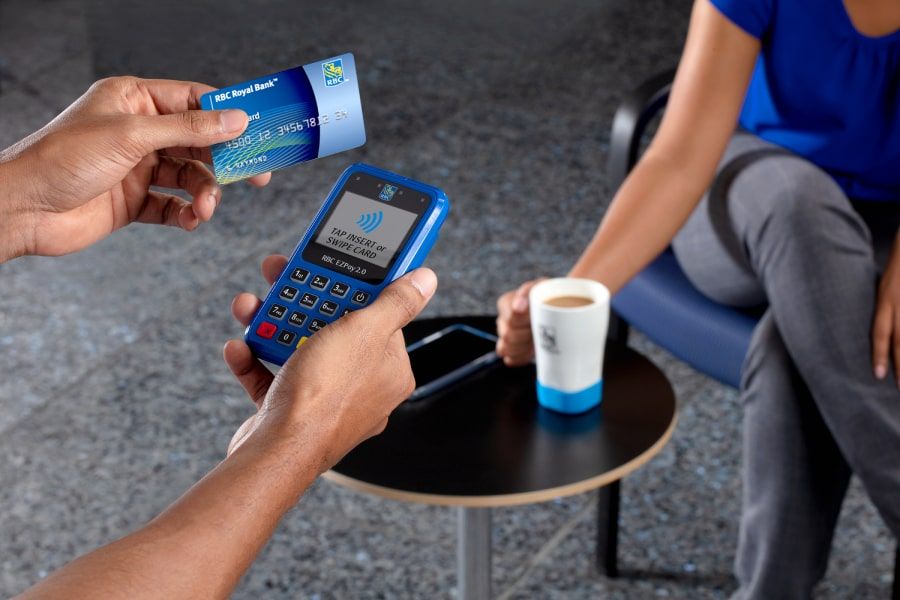
Several practical considerations are important for Canadians using or considering a cash back credit card. First, carrying a balance can negate the benefit of cash back rewards. With purchase interest rates often around 20% to 22%, the finance charges incurred will almost always exceed the value of the cash back earned. Therefore, these cards are most beneficial for those who pay their statement balance in full each month. Second, cardholders should actively monitor their cash back balance and understand the redemption process to access their rewards efficiently. It is also advisable to review the complete terms and conditions for insurance benefits, as coverage limits, exclusions, and claim procedures apply.
Partner offers, such as earning Triangle Rewards at Canadian Tire stores or saving on fuel at Petro-Canada, require active enrollment or card linking to activate. Finally, while the base cash back earnings are straightforward, maximizing value may involve using the card for all eligible everyday purchases while being mindful of budget and debt. The application process for a new RBC card is conducted online or in-branch and involves submitting personal and financial information for a credit decision. Cardholders should map their regular spending to see if it aligns with the higher-earning categories on their card to ensure they are getting suitable value from the product, and this analysis is a recommended first step.
Steps to take when considering an RBC cash back card include mapping your monthly spending to see how much cash back you could earn. You should also check the annual fee math to ensure your spending is high enough to cover the fee and generate more cash back than a no-fee card would. It is important to watch for category caps on boosted earn rates. Finally, look at how you redeem your cash back, as some cards have a minimum redemption amount or specific redemption methods. Following these steps can help in selecting a card that matches your financial habits and ensures the card is a net benefit rather than a cost.
- Review your past spending statements to identify your main purchase categories.
- Calculate whether the cash back earned from a premium card would exceed its annual fee compared to a no-fee card.
- Check if the card has any spending caps on higher-earning categories, though RBC cards typically do not.
- Be aware of the 2.5% foreign exchange fee on most cards if you spend in other currencies.
- Understand the redemption options, such as the $25 minimum and whether redemption is manual or automatic.
- Ensure you meet the income and credit requirements for the specific card tier you are considering.
Associated Benefits and Partner Programs
Beyond core cash back earnings, RBC credit cards provide access to a suite of additional benefits and retail partner programs. These are designed to add value and can result in savings or extra rewards on specific types of spending. Many of these benefits are not directly related to the cash back percentage but are separate incentives for cardholders. For example, eligible RBC credit cards can come with a complimentary DashPass subscription, which offers $0 delivery fees for six months on eligible food delivery orders. Another common benefit is the ability to link your RBC credit card to earn Be Well points at Rexall pharmacies, specifically 50 points for every dollar spent on eligible purchases.
Other notable partner programs include earning Triangle Rewards on qualifying purchases at Canadian Tire, Sport Chek, and Mark's locations. At Petro-Canada stations, using an eligible RBC card can provide an instant saving of 3 cents per litre on fuel and earn 20% more Petro-Points on every fill-up. These programs have their own separate terms, conditions, and enrollment requirements. Cardholders must usually activate or link their card to participate in these offers. It is important to distinguish these partner rewards from the core cash back earnings, as they are separate loyalty programs. The value of these benefits can be significant depending on a cardholder's shopping patterns at the participating retailers, and they contribute to the overall package offered by the credit card.
Frequently asked questions
What is the minimum amount needed to redeem RBC cash back?
For many RBC cash back credit cards, the minimum redemption amount is $25. This means you must have accumulated at least twenty-five dollars in cash back rewards before you can request a redemption. Redemption is commonly done by calling RBC to apply the amount as a statement credit to your card account. Some cards may also feature an annual automatic redemption in January, which simplifies the process for the cardholder.
Do RBC cash back cards have an annual fee?
RBC offers both no-annual-fee and premium cash back cards with an annual fee. A basic RBC Cash Back Mastercard has no annual fee. A premium card like the RBC Cash Back Preferred World Elite Mastercard has an annual fee of $120. The fee for an additional card on the premium product can be $50, while it is often $0 on the no-fee version, making the cost structure an important point of comparison.
How do I earn cash back with an RBC card?
You earn cash back by making eligible purchases with your RBC cash back credit card. The card pays a percentage of each net purchase back to you as a reward. Earn rates are tiered, with higher percentages for specific categories like groceries, gas, or dining, and a lower base rate for all other purchases. Earnings are unlimited and have no maximum cap, providing a straightforward reward mechanism.
Can I get cash back on all types of purchases?
Cash back is earned on eligible net purchases. Typically, this includes most retail and service transactions. However, certain types of transactions are usually excluded from earning cash back, such as cash advances, balance transfers, fees, interest charges, and purchases made for gambling or similar purposes. The specific terms are outlined in the cardholder agreement, which should be reviewed for a complete list of exclusions.
What is the interest rate on an RBC cash back credit card?
The purchase interest rate varies by card. For example, the RBC Cash Back Preferred World Elite Mastercard has a purchase interest rate of 21.99% as of 2026 information. Rates for other cards may differ, and the actual rate applied to an account can be influenced by the cardholder's credit profile. Interest is charged on any balance carried past the payment due date, and this cost can quickly outweigh any cash back benefits.
What are the income requirements for an RBC premium cash back card?
The RBC Cash Back Preferred World Elite Mastercard requires a personal annual income of $80,000 or a household annual income of $150,000. This specific income threshold is a standard eligibility criterion for this premium tier card. The card itself carries an annual fee of $120. These requirements are part of RBC's process to determine suitability for their premium credit card products, which offer enhanced benefits compared to no fee options. Meeting this financial threshold is necessary for application approval alongside standard credit checks conducted by the bank.
Sources and further reading
- RBC Cash Back Mastercard Credit Card, No Annual Fee rbcroyalbank.com
- Some of the best cash back credit cards in Canada 2026 wealthsimple.com
This article explains how things work and is not financial, tax or legal advice. Rules, limits and rates change, so check the current figures with the Canada Revenue Agency, your province or your financial institution before you act.