Platinum is significantly rarer than gold, yet its price is consistently lower in today's market. As of recent data, platinum trades at approximately $1,636 USD per ounce while gold sits above $4,094 USD. This price inversion is primarily due to gold's dominant role as a monetary and investment asset, while platinum's value is more tied to industrial demand, particularly from the automotive sector. For Canadian investors and consumers, understanding the distinct price drivers, rarity, and applications of these metals is crucial for making informed decisions in jewellery, investment, and industrial contexts.
Fundamental Characteristics and Sources of Value
Gold and platinum derive their value from distinct physical properties and historical roles. Gold has been universally valued for millennia as a store of wealth, a symbol of power, and for its use in jewellery and coinage. Its key characteristics include exceptional malleability, a resistance to tarnish and corrosion, and a natural lustre that does not fade. These properties make it ideal for durable heirlooms and as a foundational monetary asset held by central banks worldwide. Gold's value is intrinsically linked to its perception as a safe-haven asset during economic uncertainty and as a hedge against inflation, largely independent of industrial cycles.
Platinum's value stems from its extreme rarity, high density, and critical industrial applications. It is approximately 30 times rarer than gold, with over two-thirds of global supply coming from South Africa. Platinum is about 11% denser than gold, giving it a substantial feel. Its most valuable properties are its high melting point, exceptional durability, and resistance to wear, making it preferred for fine jewellery meant for daily wear, like engagement rings. Unlike gold, a significant portion of platinum's demand, roughly 50% annually, comes from industrial uses, primarily in catalytic converters for vehicles, which reduces harmful emissions. This combination of scarcity and industrial necessity defines its market value.
Key Physical and Market Differences
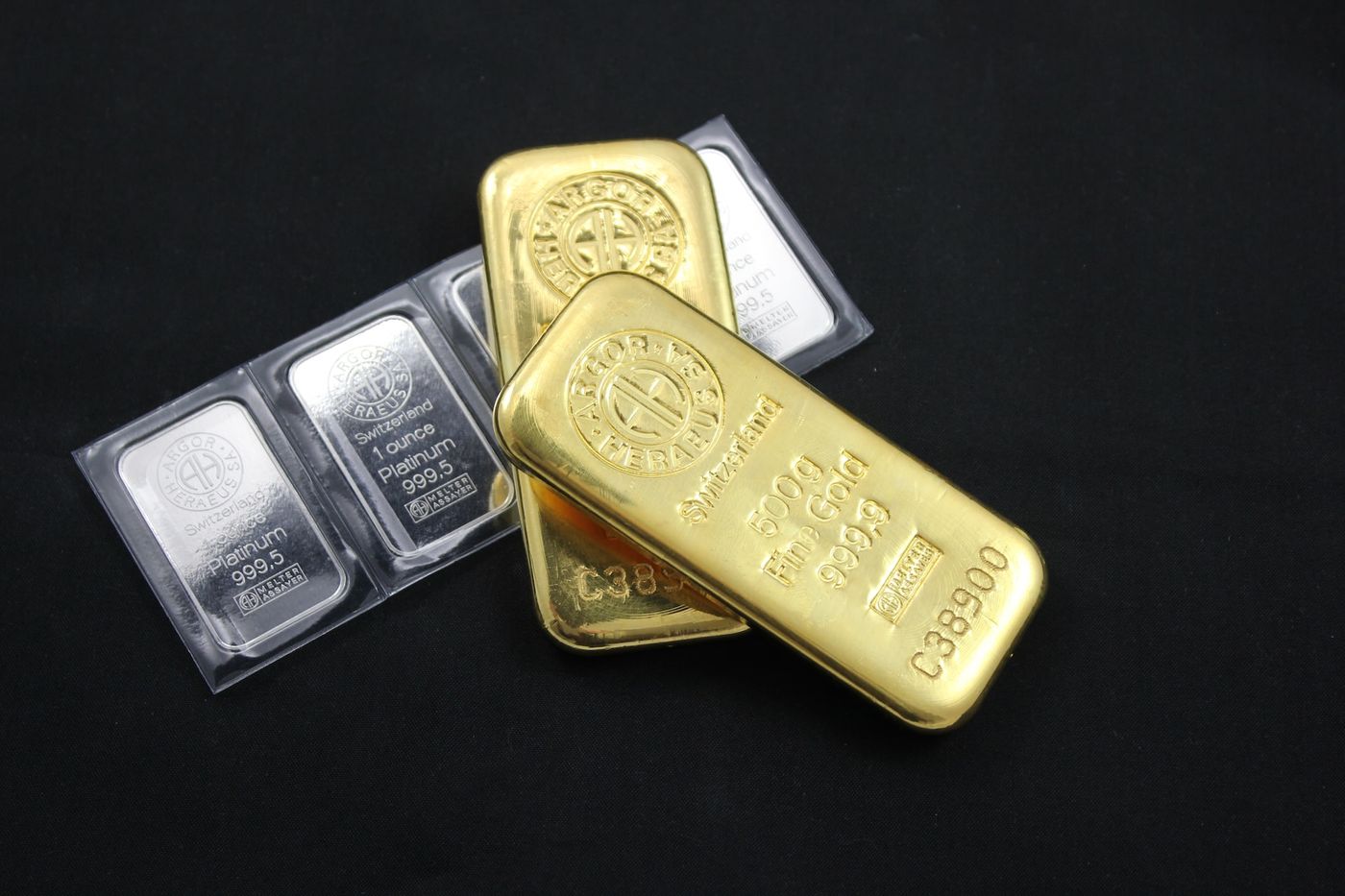
Several fundamental differences explain the divergent price paths of gold and platinum. The most apparent difference is colour. Gold possesses a warm yellow hue, while platinum has a naturally white, silvery tone. Platinum is denser and heavier than gold, meaning a piece of platinum jewellery will feel more substantial than a same-sized gold piece. The metals also differ greatly in their physical working properties. Platinum has a much higher melting point of about 1,768°C compared to gold's 1,064°C, making it more durable but also more difficult and costly to refine and shape.
Both are noble metals, highly resistant to corrosion and oxidation, which contributes to their longevity and suitability for heirlooms. Their geographical production profiles are starkly different. Gold mining is globally dispersed, with major operations in the United States, South Africa, Russia, Canada, Australia, and China. Platinum production is highly concentrated, with South Africa dominating output, followed by Russia, Zimbabwe, and Canada. In terms of annual mine production, recent figures show about 3,300 metric tons of gold compared to only about 186 metric tons of platinum, highlighting platinum's greater scarcity.
Primary Drivers of Price and Demand
The price of each metal is propelled by different sectors of the global economy. Gold's price is primarily driven by investment and monetary demand. It thrives during periods of economic recession, geopolitical instability, or when confidence in fiat currencies declines, as investors seek its perceived safety. Central bank purchasing, jewellery demand, and its role as an inflation hedge are the core pillars supporting its value. The jewellery industry consistently represents a major source of demand for gold globally.
Platinum's price is much more sensitive to industrial activity and economic cycles. Approximately half of its annual demand comes from the automotive industry for use in catalytic converters. Consequently, during economic downturns when vehicle production slows, platinum demand and prices often fall. Its price is also influenced by developments in other industrial sectors like chemical processing, electronics, and clean energy. While it has investment demand, it is not as widely sought after or trusted as gold for this purpose, which limits its upside during financial crises. The combination of its industrial reliance and lower investment profile explains why its price can remain below gold's despite its greater physical rarity.
- Gold demand is highest from the jewellery industry, which had the highest demand for gold in 2024.
- Platinum demand is heavily tied to the auto industry, with catalytic converters representing 50% of demand each year.
- Gold is considered a store of wealth and hedge against inflation, weakly tied to the global economy.
- Platinum experiences decreased demand during economic downturns due to a decline in industrial production.
- Gold prices often surge during recessions as investors seek safer assets.
- Platinum prices have been experiencing a downfall in recent years due to current geopolitical events and economic uncertainty.
The Gold-to-Platinum Ratio as an Analytical Tool
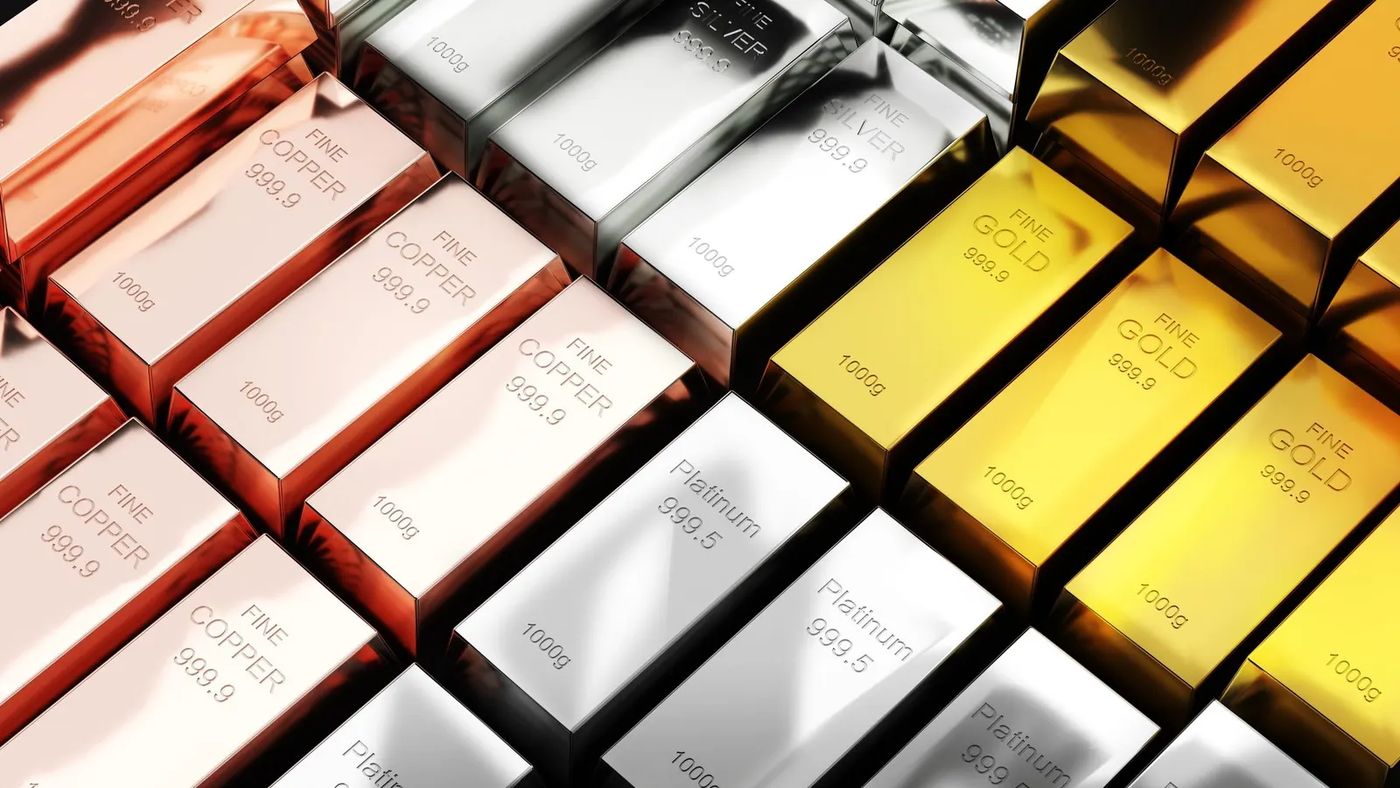
The gold-to-platinum ratio is a key metric used by investors to gauge the relative value between the two metals. This ratio measures how many ounces of platinum are needed to purchase one ounce of gold. A high ratio indicates that gold is expensive relative to platinum, while a low ratio suggests platinum is gaining value. The current ratio is approximately 3.26, meaning one ounce of gold is worth about 3.26 ounces of platinum. This historically high ratio suggests platinum may be undervalued compared to gold based on long-term historical averages.
Investors monitor this ratio for potential strategic opportunities. A high ratio might lead some to consider platinum as a potentially undervalued asset if they expect industrial demand to recover or the price gap to narrow. Conversely, a low or falling ratio could indicate strengthening platinum prices relative to gold. The ratio is influenced by all the factors that move each metal's price independently, including supply constraints, technological shifts affecting industrial demand, central bank policies, and broader macroeconomic trends. It serves as a snapshot of the market's current valuation of these two precious metals against each other.
Price Tracking and Market Mechanics in Canada
In Canada, investors and consumers track live spot prices for both metals, typically quoted in U.S. dollars per troy ounce, with easy conversion to Canadian dollars. The spot price is the current market price for immediate delivery. For platinum, the international benchmark price is set by the London Platinum and Palladium Market (LPPM), which brings together major banks, brokers, and financial institutions daily. Real-time price data is retrieved 24 hours a day during market days from major international exchanges like the LBM, NYMEX, GLOBEX, and HKEX.
Canadian platforms display prices per troy ounce, gram, and kilogram. The platinum price is particularly sensitive to news related to industrial developments in automotive, chemical, and clean energy sectors. When purchasing physical bullion in Canada, such as bars or coins, the final cost is based on the current spot price plus a premium that covers fabrication, distribution, and the dealer's margin. Payment methods for such purchases can include bank wire transfers, Interac e-Transfer, certified cheques, and in some cases, credit cards or PayPal, each with differing clearing times and potential limits or fees.
- Live platinum and gold prices in Canadian dollars are updated every minute, with data retrieved 24 hours a day, 5 days a week.
- The LPPM sets the international benchmark price for platinum used as the basis for worldwide transactions.
- Prices are quoted per troy ounce, which is equivalent to 31.1035 grams.
- Common payment methods for bullion in Canada include wire transfer, Interac e-Transfer, certified cheque, PayPal, and credit card.
- Credit card payments may require valid photo ID and matching address verification, and must be VBV or SecureCode authenticated.
- Certified cheques and drafts must be postmarked within 2 business days of the order and received within 8 business days.
Historical Price Relationship and Volatility
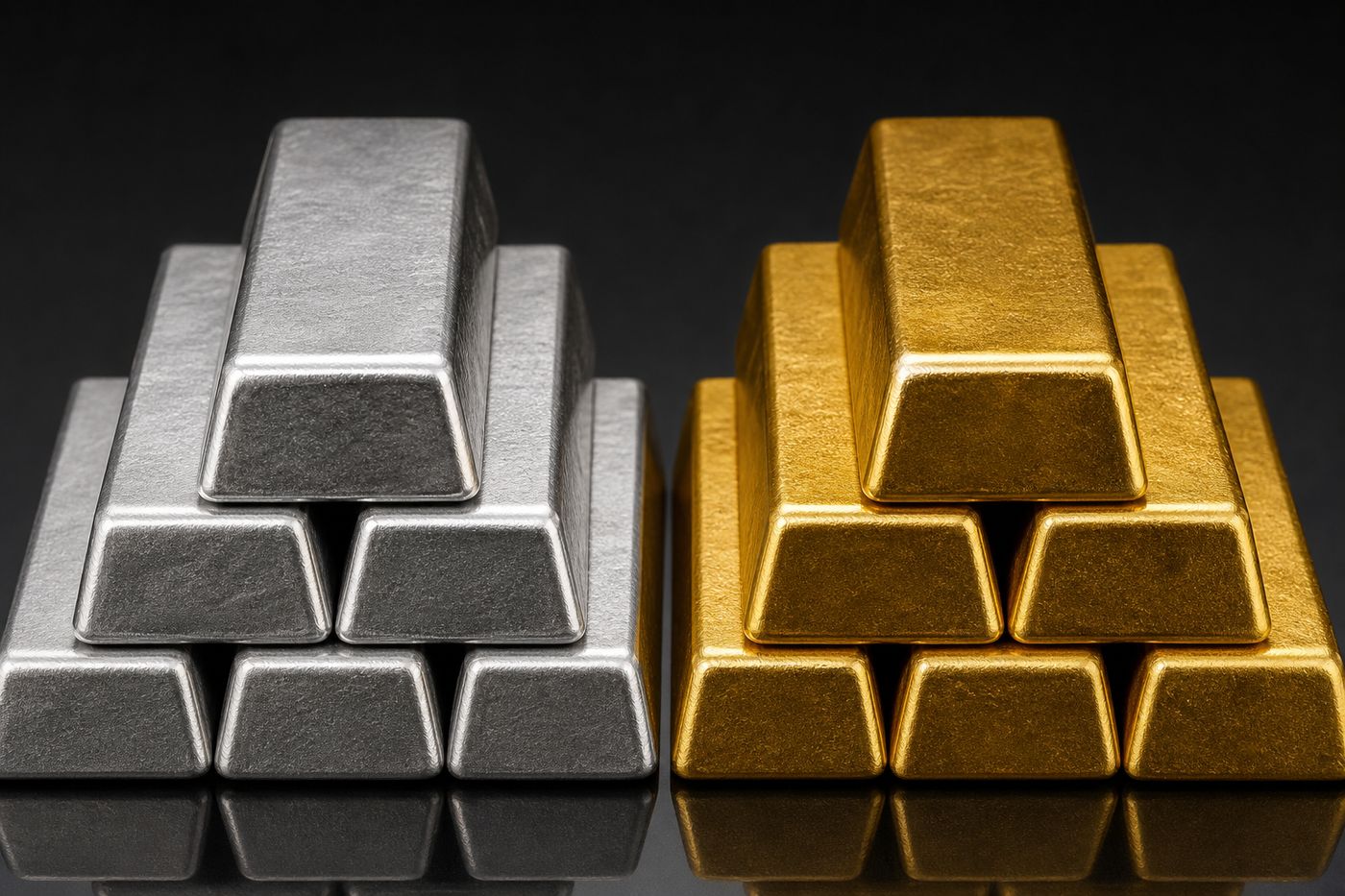
The historical price relationship between platinum and gold has fluctuated significantly, with platinum often trading at a premium to gold but sometimes falling to a steep discount, as seen currently. This dynamic has reversed over the past decade, with gold consistently trading above platinum. This shift underscores how market forces, rather than physical scarcity alone, determine price. Platinum tends to exhibit higher volatility relative to gold. Its tight linkage to the automotive industry and global industrial production makes its price more cyclical. Economic expansions can boost its price, while recessions can lead to sharp declines as manufacturing slows. Gold's volatility is more often tied to financial markets, interest rates, and currency movements, frequently exhibiting an inverse relationship with stock markets and the strength of the U.S. dollar. This difference in volatility profiles is an important consideration for investors assessing risk within a portfolio containing precious metals.
Purchasing Physical Bullion in Canada
Canadians looking to acquire physical platinum or gold bullion encounter a structured purchasing process with specific payment options and requirements. Dealers typically calculate the purchase price based on the current market spot price, the product's weight, a premium, and the quantity ordered. Government-issued photo ID is a standard requirement for placing an order, and dealers reserve the right to request additional documentation. The shipping address for an order must match the confirmed address on the payment method used, particularly for credit card transactions.
Different payment methods come with specific limits, clearing times, and potential fees. Bank wire transfers are suitable for larger purchases, while Interac e-Transfer and certified cheques are common for domestic transactions. Credit cards and PayPal offer convenience but often have lower limits and may include additional fees. Understanding these logistics is part of the process for Canadians adding physical precious metals to their holdings.
| Payment Method | Typical Limit | Clearing Time | Potential Fee |
|---|---|---|---|
| Bank Wire Transfer | $3,000+ | 1–3 Business Days | 0% |
| Interac e-Transfer | Up to $5,000 | Once full payment received | 0% |
| Certified Cheque/Bank Draft | Varies | Upon receipt & clearance | 0% |
| PayPal | Up to $2,500 | 1–3 Business Days | 5% |
| Credit Card (Visa/MasterCard) | $300–$800 | 1–3 Business Days | 5% |
| In-Store Debit/Cash | Any amount | After payment received | 0% |
Considerations for Canadian Investors and Consumers
For Canadians evaluating these metals, the decision context is paramount. For investors seeking a long-term store of value, inflation protection, and a safe-haven asset, gold has a proven, centuries-long track record and deep, liquid global markets. Its weak tie to the industrial cycle makes it a potential stabilizer in an investment portfolio. For those considering platinum, the investment thesis often revolves around its current discount to gold, its high industrial utility, and a bet on a future increase in demand, perhaps from new technologies like hydrogen fuel cells, alongside a potential reversion in its historical price relationship with gold.
In jewellery, the choice is often aesthetic and practical. Platinum's natural white colour, durability, and heavy feel make it a premium choice for settings intended for everyday wear, though it often carries a higher fabrication cost due to its high melting point. Gold, available in yellow, white, and rose hues, offers more colour variety and is generally easier to work with for detailed designs. Consumers should be aware that while platinum is rarer, the price of a finished piece is determined by weight, design complexity, and the maker's premium, not solely by the raw material's spot price. Understanding these distinct roles and market behaviours allows for more informed choices whether for financial, industrial, or personal use.
Frequently asked questions
Why is platinum cheaper if it's rarer than gold?
Platinum is about 30 times rarer than gold in terms of annual mine production. However, its price is lower because its demand is heavily tied to industrial use, particularly in automotive catalytic converters, which accounts for about 50% of its demand. During economic slowdowns, this industrial demand falls. Gold, in contrast, has stronger and more consistent investment and jewellery demand, especially during uncertain economic times, which supports its higher price.
What is the gold to platinum ratio?
The gold to platinum ratio measures how many ounces of platinum it takes to buy one ounce of gold. The current ratio is approximately 3.26, meaning gold is over three times the price of platinum. Investors use this ratio to assess relative value. A high ratio may suggest platinum is undervalued compared to gold, while a low ratio could indicate platinum is gaining value.
Which metal is a better investment, gold or platinum?
Gold and platinum serve different investment purposes. Gold is traditionally viewed as a stable store of value, a hedge against inflation, and a safe-haven asset during crises, with less direct ties to industrial cycles. Platinum offers potential upside linked to industrial recovery and its significant discount to gold, but it carries higher volatility due to its dependence on the automotive and manufacturing sectors. The choice depends on an investor's goals, risk tolerance, and outlook on the global economy.
What are the main industrial uses for platinum?
The primary industrial use for platinum is in catalytic converters for gasoline and diesel vehicles. This application reduces harmful emissions and accounts for roughly 50 percent of annual demand. Platinum is also used in the chemical industry as a catalyst. Other uses include electronics and medical devices like pacemakers. It is being explored for use in hydrogen fuel cells and other clean energy applications.
Is platinum more expensive than gold?
No, platinum is currently less expensive than gold despite being much rarer. As of recent data, platinum trades at approximately $1,636 USD per ounce while gold sits at more than $4,094 USD per ounce. Gold has a significantly higher investment demand and is more widely sought after and trusted as a store of wealth. Platinum's price is more sensitive to industrial developments, particularly in the automotive sector where it is used in catalytic converters. During economic downturns, industrial demand for platinum can decline, impacting its price relative to gold. Therefore, while platinum is rarer, its lower price is driven by different market forces and demand dynamics.
How are platinum prices set?
Platinum prices are set through a benchmark process overseen by the London Platinum and Palladium Market (LPPM). The LPPM brings together major market players including banks, brokers, and financial institutions once each business day to establish an international benchmark price. This reference price serves as the basis for platinum transactions worldwide. Real time spot prices are continuously retrieved 24 hours a day, five days a week from major international market exchanges. The platinum price in Canadian dollars is quoted per troy ounce, the official unit for the spot market, equivalent to 31.1035 grams. Prices are particularly sensitive to industrial developments in sectors like automotive, chemical, and clean energy.
Sources and further reading
- Live platinum price in Canadian Dollar goldbroker.com
- Platinum vs Gold: Which Metal Is More Expensive? stonexbullion.com
- Platinum Price vs Gold Price Ratio | 125 Year Chart sdbullion.com
- Live Platinum Spot Prices, Real-Time Chart & Price Alerts aubullion.ca
This article explains how things work and is not financial, tax or legal advice. Rules, limits and rates change, so check the current figures with the Canada Revenue Agency, your province or your financial institution before you act.