For Canadians, these coins represent a tangible asset for investment and collection, combining the intrinsic value of silver with the security of being legal tender. They are distinct from silver bars and privately minted rounds, often carrying a face value and detailed designs that celebrate national themes. Understanding their characteristics, market pricing, and tax treatment is essential for anyone considering adding them to a portfolio.
What Are One Ounce Silver Coins?
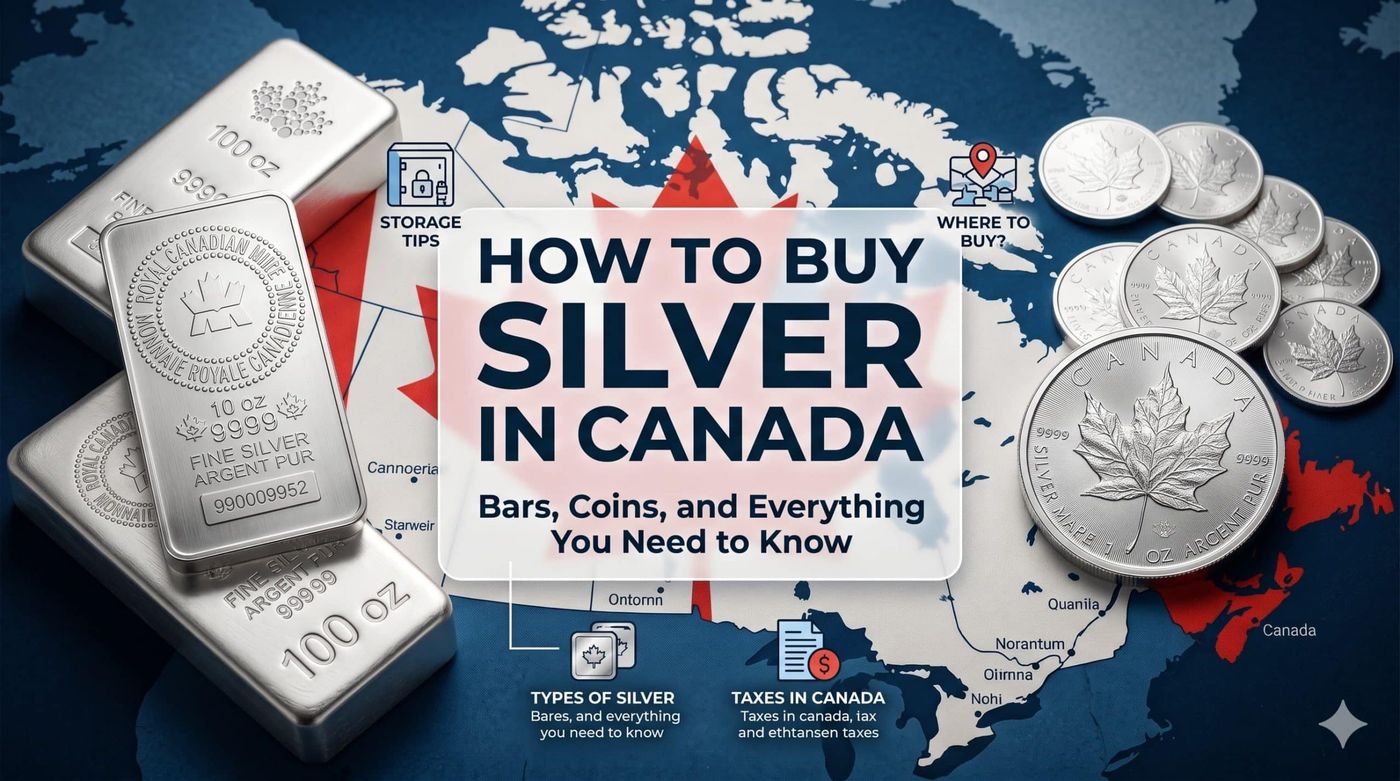
They are produced primarily by government mints, with the Royal Canadian Mint being the primary issuer in Canada. These coins are considered bullion, meaning their value is derived primarily from their precious metal content rather than their rarity or condition. Unlike collectible numismatic coins, their premium over the spot price of silver is generally lower, making them a core holding for metal investors. The coins are struck with a high level of detail, often featuring national symbols, and their purity and weight are guaranteed by the issuing government.
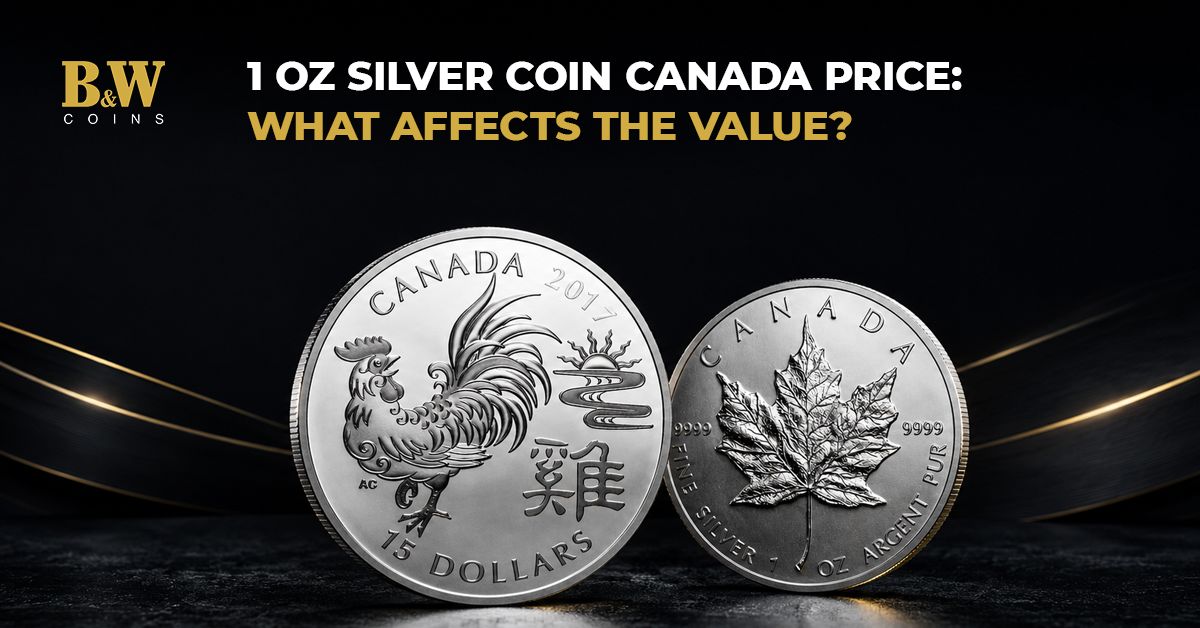
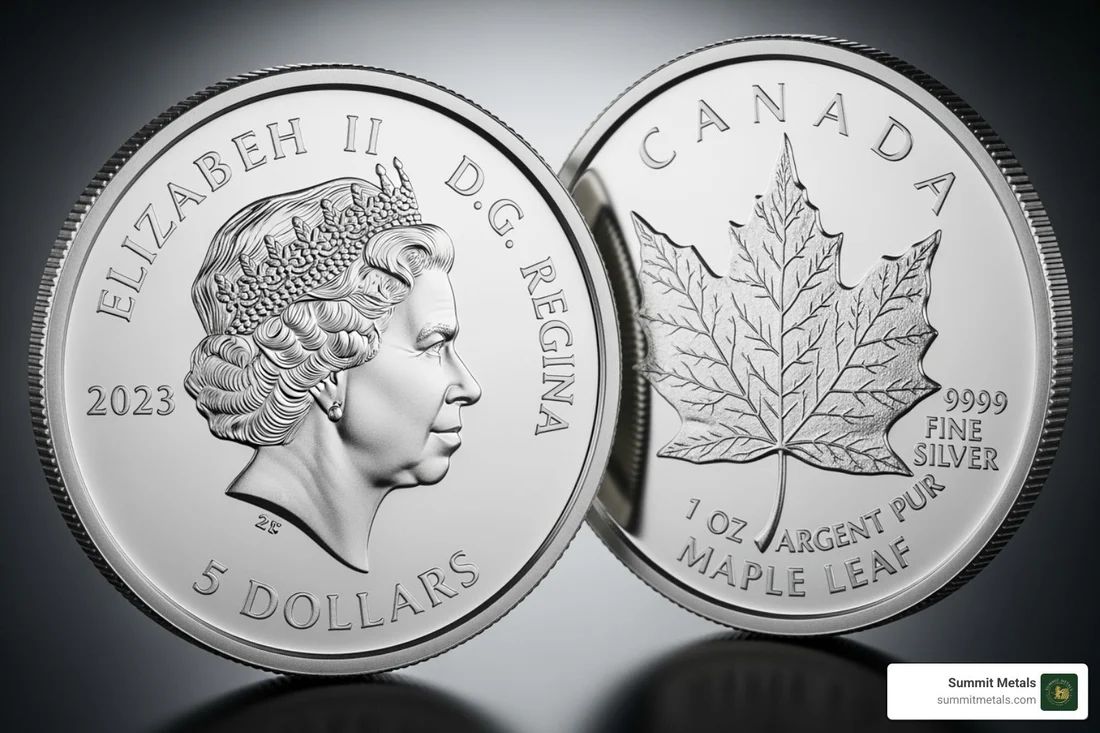
These coins carry a nominal face value, making them official legal tender within their country of origin. For the Canadian Silver Maple Leaf, this face value is five dollars. It is crucial to understand that this face value is symbolic. The market value of the coin is almost always significantly higher, based on the current price of one ounce of silver. The primary function of this legal tender status is to provide a guarantee of authenticity and purity from the sovereign mint. This government backing differentiates these coins from privately minted silver rounds or bars, which may not carry the same universal recognition or trust. For investors, this guarantee is a key factor in the coin's liquidity and acceptance in markets worldwide.
Key Features and Specifications
The defining specification of a one ounce silver coin is its metal content and purity. The vast majority of modern bullion coins, including the Canadian Maple Leaf, are minted from .9999 fine silver, which is 99.99% pure. Some other world coins, like the American Silver Eagle, are .999 fine silver, or 99.9% pure. This high purity is a standard for investment-grade bullion. The coins have a standard diameter and thickness that varies slightly by issue but is designed to accommodate the one troy ounce weight. Each coin is produced with detailed security features. For instance, newer Canadian Maple Leafs feature a radial lines background and micro-engraved maple leaf for anti-counterfeiting. The obverse typically bears a portrait of the reigning monarch, while the reverse features a design emblematic of the nation.
The production and sale of these coins involve several key participants. The Royal Canadian Mint manufactures and distributes them to a network of authorized bullion dealers across Canada and internationally. These dealers, such as Sprott Money and AU Bullion, then sell the coins to the public. Dealers often offer the coins in various quantities, from individual pieces to sealed tubes containing 25 coins or Monster Boxes containing 500 coins. Buying in larger quantities, such as by the tube or box, typically results in a lower premium per coin compared to buying singles. The coins are generally sold in protective plastic capsules or tubes to prevent scratching and tarnishing, preserving their condition for future resale.
Pricing and Market Dynamics
The price you pay for a one ounce silver coin is not a fixed retail price but is directly tied to the live market. It is calculated as the current silver spot price plus a manufacturer's and dealer's premium. The spot price is the global benchmark for raw silver, fluctuating constantly based on supply, demand, and macroeconomic factors. The premium covers the costs of minting, distribution, dealer operation, and a small profit margin. Premiums can vary between dealers, coin types, and purchase quantities.
Several factors influence the premium on a silver coin. Government-minted coins like the Maple Leaf generally carry a higher premium than generic silver bars or rounds due to their recognized quality, security features, and legal tender status. Limited edition, proof, or commemorative coins with special finishes or designs command even higher premiums due to their collectible nature. The year of mintage can also affect price for older coins, though for standard bullion, the year is often less critical than the metal content. Dealers update their prices in real-time on their websites to reflect changes in the spot market. Investors can place orders online at any time to try to secure a desired price point during market movements.
- Price Components: Silver spot price + dealer premium.
- Premium Variables: Coin type (government vs. private), quantity purchased, collectible status.
- Market Basis: Prices are live and change with global silver markets.
- Bulk Discount: Buying tubes or boxes lowers the per-coin cost.
- Dealer Role: Authorized dealers source from mints and set retail prices.
Taxation and Legal Considerations in Canada
In Canada, the tax treatment of silver coins is an important financial consideration. Investment-grade silver bullion, defined as coins and bars of at least 99.9% purity, is exempt from the federal Goods and Services Tax (GST) and the Harmonized Sales Tax (HST) in participating provinces. This exemption applies to standard one ounce silver bullion coins like the Canadian Maple Leaf. The rationale is to treat pure silver as a financial instrument rather than a consumer good. This tax advantage enhances the attractiveness of silver bullion as an investment compared to many other physical assets. It is a consistent federal policy, though provincial regulations regarding other taxes remain aligned with this principle.
It is critical to distinguish between investment bullion and numismatic or collectible coins. Coins that are sold primarily for their collectible value, rarity, or artistic merit, rather than their metal content, may be subject to GST/HST. These often include proof coins, special edition sets, or older coins with significant numismatic value. The tax status is typically clear based on the dealer's categorization and pricing. When purchasing, Canadians should confirm the tax status with the dealer, but reputable bullion dealers will correctly apply the exemption to eligible products at checkout. This tax framework is designed to support the domestic bullion market and provide clarity for investors adding tangible assets to their holdings.
Purchasing, Storage, and Security
Purchasing one ounce silver coins in Canada is a straightforward process primarily conducted through specialized bullion dealers. Reputable dealers operate secure online storefronts where customers can browse inventory, see live prices, and place orders. To comply with financial regulations, dealers require customers to provide government-issued identification for verification before completing a purchase. This is a standard anti-money laundering and know-your-client procedure. Payment methods typically include bank wire transfers, certified cheques, and sometimes debit or credit cards for smaller amounts. Once an order is placed and payment clears, the dealer packages and ships the coins. Reputable dealers provide fully insured and discreet shipping across Canada, with the insurance covering the package until it is delivered to the customer's doorstep.
After acquiring physical silver coins, secure storage is a paramount concern. There are several common and practical options available to Canadian owners. Many individuals choose to store coins in a home safe, providing immediate access but requiring robust home security measures. A safe deposit box at a bank or credit union offers a high level of security and is a popular choice for larger holdings. Some bullion dealers also offer allocated or non-allocated storage services for a fee, where the dealer securely stores the metal on the client's behalf, often in high-security vaults. This option eliminates concerns about physical storage at home and can facilitate easier future selling back to the dealer. The choice depends on the investor's preference for accessibility, security level, and cost.
- Purchase Channels: Authorized online bullion dealers.
- ID Requirement: Government-issued photo ID is mandatory for order verification.
- Shipping: Fully insured, discreet packaging to any Canadian address.
- Storage Option 1: Home safe or hiding place.
- Storage Option 2: Bank safe deposit box.
- Storage Option 3: Professional third-party storage via dealer services.
- Condition Preservation: Coins are best kept in original capsules or tubes to prevent damage.
Comparison with Other Silver Forms
One ounce silver coins occupy a specific niche within the broader silver bullion market, differing from bars and rounds in key aspects. Silver bars are typically the most cost-effective way to acquire physical silver, offering the lowest premium over the spot price per ounce. This is because they are simpler to manufacture, often coming in larger sizes, and lack the detailed design work of coins. Bars range from one ounce to 1000 troy ounces or more. However, they are not legal tender and may require an assay certificate to verify purity and weight when reselling, though major refiner bars are widely accepted. For an investor focused solely on accumulating metal weight at the lowest cost, bars can be an efficient choice.
Silver rounds are privately minted one-ounce discs that resemble coins but lack legal tender status. They often feature creative or thematic designs, as private mints have more artistic freedom than government mints. Like bars, they generally trade at a lower premium than government-issued coins. Their value is almost entirely in their metal content, similar to bars. The primary advantage of government-minted one ounce coins, therefore, lies in their sovereign guarantee, immediate global recognition, and enhanced liquidity. This often justifies the slightly higher premium for investors who value these attributes. The choice between coins, bars, and rounds ultimately depends on an individual's investment goals, budget, and preferences for security features and aesthetics.
The Role of Silver in a Canadian Portfolio
Silver is considered by many investors as a tangible asset that serves specific roles within a diversified portfolio. Its primary historical function has been as a store of value and a hedge against inflation and currency devaluation. Unlike stocks or bonds, which are financial claims on assets, physical silver is an asset itself. During periods of economic uncertainty or high inflation, investors may allocate a portion of their portfolio to precious metals like silver to preserve purchasing power. Silver's price tends to have a low correlation with traditional financial markets, which can help reduce overall portfolio volatility. For Canadians, holding silver in a recognized form like government-minted coins adds a layer of security and liquidity to this strategic holding.
Silver also possesses unique characteristics that distinguish it from gold. It is significantly more affordable per ounce, making it accessible to a wider range of investors who wish to start with precious metals. Furthermore, silver has substantial and growing industrial demand due to its use in electronics, solar panels, and various technologies. This industrial consumption supports a fundamental demand for the metal beyond investment flows. Some analysts monitor the gold-to-silver price ratio, which has historically averaged much lower than modern levels, leading to views that silver may be undervalued relative to gold. Whether for diversification, inflation hedging, or capitalizing on its dual role as a monetary and industrial metal, one ounce silver coins provide a standardized and convenient vehicle for Canadian exposure to silver.
Frequently asked questions
Are one ounce silver coins a good investment?
One ounce silver coins are considered a good investment for several reasons. Silver is a tangible asset that provides a hedge against inflation and political or economic insecurity. It is significantly more affordable than gold, making it accessible to new investors. Historically, the price of silver has outpaced gold during bull markets, offering potential for a greater percentage gain. Silver also has growing industrial demand which supports its value. Many investors include silver bullion in their portfolios for diversification and its intrinsic worth.
What is the most popular one ounce silver coin in Canada?
The most popular one ounce silver coin in Canada is the Canadian Silver Maple Leaf, minted by the Royal Canadian Mint. It has a face value of five dollars, which is the highest legal tender value among silver bullion coins. The coin is guaranteed to be 99.99% pure silver. It is a staple for investors and is highly sought after in the bullion world. The Royal Canadian Mint produces a variety of these coins, featuring designs from historical events to well-known Canadian animals.
Do I pay tax when buying silver coins in Canada?
In Canada, most investment grade silver coins that are 99.9% pure or higher are exempt from GST and HST. This exemption applies to standard bullion coins like the 1 oz Canadian Maple Leaf. However, taxes may apply to collectible or numismatic coins which are sold for their rarity or artistry rather than just their metal content. It is important to check the specific product details as purity is always listed in each description. This tax advantage makes pure silver bullion coins a more attractive investment.
Where is the best place to buy silver coins in Canada?
The best place to buy one ounce silver coins in Canada is through authorized bullion dealers. Reputable dealers are often Authorized Royal Canadian Mint Bullion DNA Dealers, which verifies the coins are real and high quality. These dealers offer live market pricing and allow you to place orders online 24 hours a day. They provide fully insured and secure shipping across Canada with discreet packaging. Dealers also require government issued identification for order verification as per standard financial regulations.
How should I store my physical silver coins?
You should store physical silver coins in a secure location such as a home safe or a bank safety deposit box. Some bullion dealers also offer secure storage services by special request. It is advisable to keep the coins in their original protective capsules or tubes to prevent damage. Storing them properly helps maintain their condition and value. The chosen method should balance security, accessibility, and cost based on the total value of your holding.
Can I use a silver Maple Leaf coin to buy something for five dollars?
Technically you can use a silver Maple Leaf coin to buy something for five dollars as it is legal tender. In practice, this is never done because the market value of the silver far exceeds its five dollar face value. The legal tender status primarily serves as a government guarantee of the coin's weight and purity. The intrinsic silver value is many times higher, making the coin an investment item. Its role is not for everyday transactions but as a tangible store of wealth.
Sources and further reading
- Silver mint.ca
- Buy 1 oz Silver Coins Online | Sprott ... sprottmoney.ca
- Buy Silver Coins Online aubullion.ca
This article explains how things work and is not financial, tax or legal advice. Rules, limits and rates change, so check the current figures with the Canada Revenue Agency, your province or your financial institution before you act.