Investing in gold in Canada involves gaining exposure to the precious metal through several distinct methods, each with its own considerations for accessibility, cost, and risk. Canadian investors can choose from physical bullion, gold exchange-traded funds (ETFs), mining stocks, and specialized financial products like exchange-traded receipts. Gold is often sought for portfolio diversification, as it can behave differently from stocks and bonds, particularly during periods of market uncertainty or inflation. Understanding the available options, their tax implications, and the factors that drive gold's price is essential for incorporating this asset into a Canadian investment strategy.
Understanding Gold's Role in a Portfolio
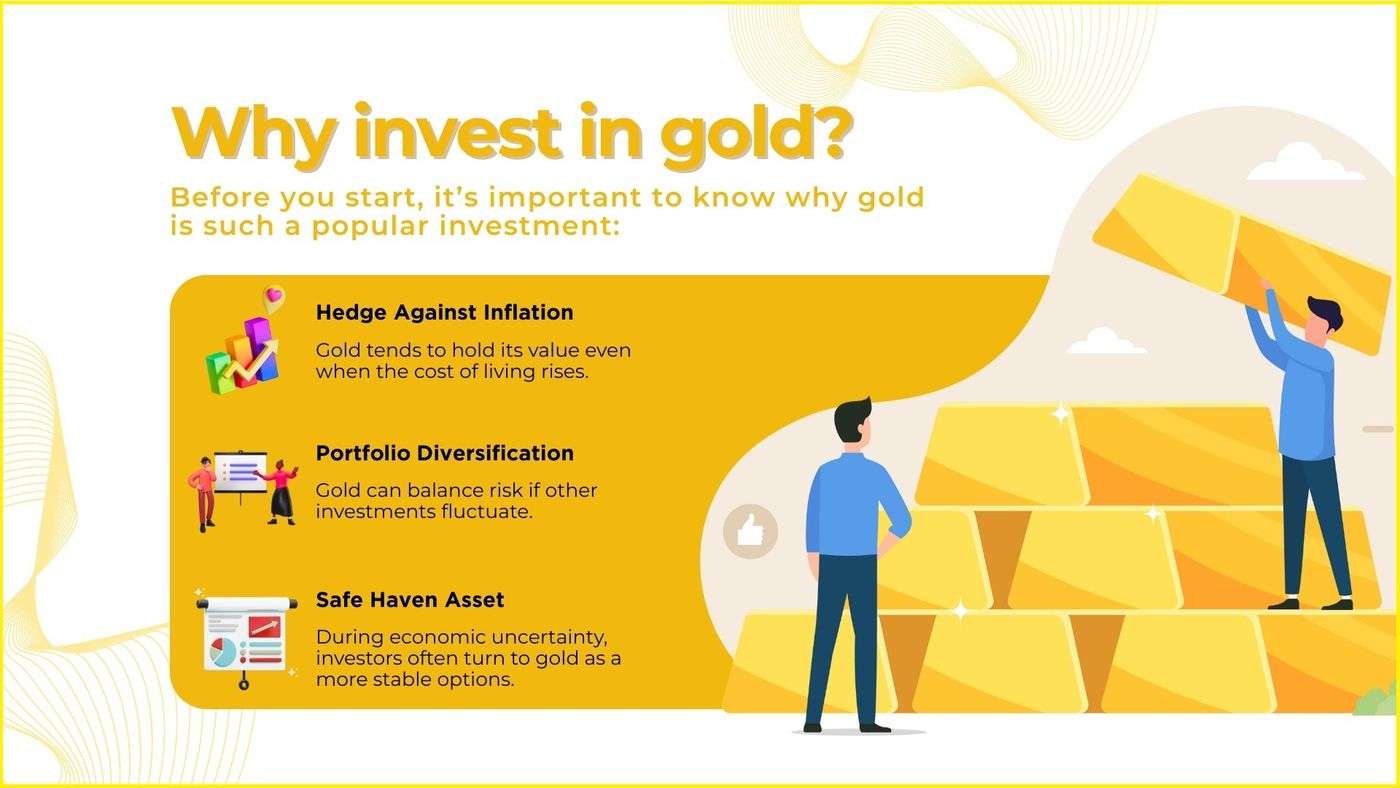
Gold occupies a unique position within an investment portfolio due to its historical characteristics and price behaviour. One of the principal reasons investors allocate a portion of their assets to gold is for diversification, which aims to reduce overall portfolio risk. Gold has demonstrated a tendency to maintain or increase its value during times of market turmoil, geopolitical instability, or when the purchasing power of paper currency declines. This behaviour is why gold is frequently described as a crisis commodity and an inflation hedge. The asset's finite nature and the time required to replenish supplies through mining contribute to the view that long-term demand may outpace supply, influencing its investment appeal. For Canadian investors, the value of gold holdings is also affected by the exchange rate between the Canadian and US dollars, as the metal is globally priced in USD. Historical data, such as performance during the COVID-19 period from February 19, 2020 to May 29, 2020, and the Global Financial Crisis from December 31, 2007 to June 30, 2009, shows gold's potential role when other assets falter. The negative correlation gold can have with other asset classes, like Canadian equities represented by the S&P/TSX Composite Total Return Index or bonds represented by the FTSE Universe Canada Bond Index, is a key statistical reason for its inclusion to help smooth portfolio returns.
Primary Methods for Investing in Gold
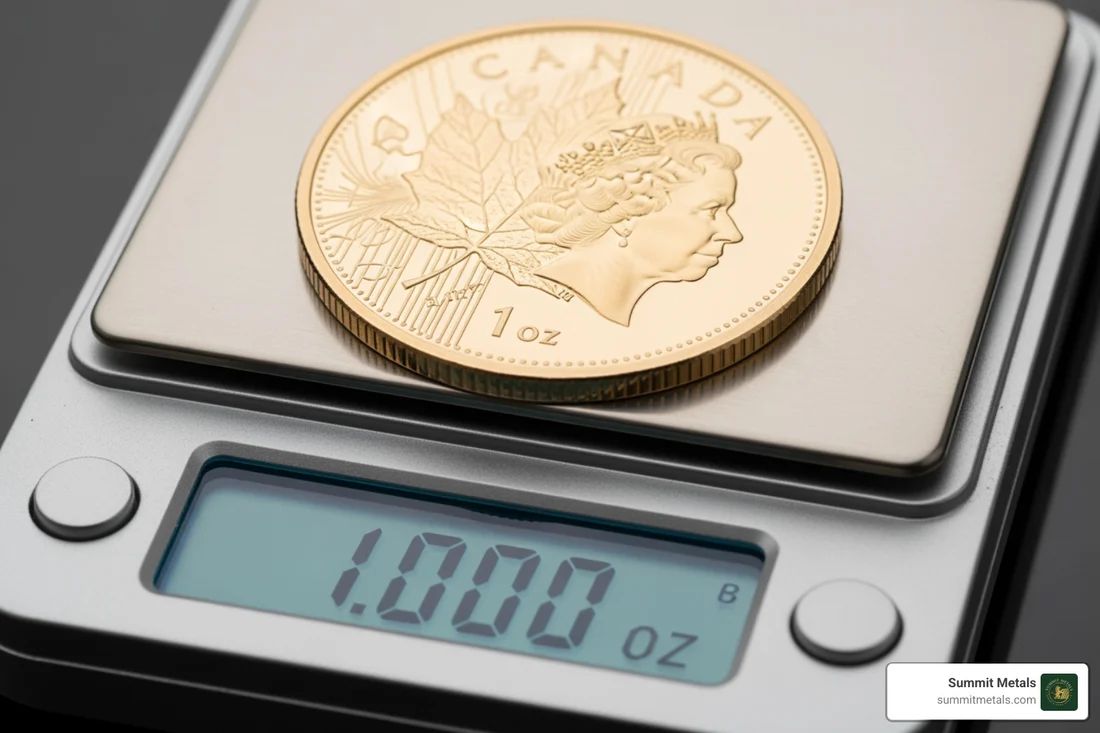
Canadian investors have multiple pathways to gain exposure to gold, each with different operational and financial considerations. Purchasing physical gold bullion, which includes bars, ingots, and coins, represents direct ownership of the metal. Major banks and specialized dealers like Canada Gold sell these products, with government mints such as the Royal Canadian Mint being a common source for coins. A significant practical consideration for physical gold is the need for secure, insured storage, which adds to the overall cost of ownership. Gold exchange-traded funds provide an alternative that does not require personal storage, as these funds hold physical gold on behalf of investors. Shares of gold ETFs trade on stock exchanges and can be bought through online brokerage accounts, including self-directed platforms like TD Direct Investing, with their price designed to track the underlying market price of gold. Another method involves investing in the stocks of companies engaged in gold mining and production. These equities offer exposure to the gold sector but carry company-specific risks related to management, operational costs, and exploration success, meaning their performance may not directly mirror the price of gold. More complex instruments like gold futures contracts are agreements to buy or sell gold at a predetermined price on a future date, typically used by experienced traders. A product specific to the Canadian market is the exchange-traded receipt, such as the Canadian Gold Reserves ETR, which offers direct beneficial ownership of physical gold bullion and trades on the Toronto Stock Exchange under the symbols MNT and MNT.U for Canadian and U.S. dollar trading, respectively.
Key Factors That Influence the Price of Gold
The market price of gold is driven by a combination of global economic and financial factors. Inflation and the general cost of living are critical drivers, as gold is widely regarded as a store of value that can preserve purchasing power when currency values erode. Historical analysis, such as comparing the cost of bread in dollars versus in gold over time, illustrates how gold's price rise can offset the increasing dollar cost of goods. Interest rates, specifically real interest rates which are adjusted for inflation, have an inverse relationship with gold's appeal. When real interest rates fall, the opportunity cost of holding non-yielding assets like gold decreases, making it more attractive. Periods of geopolitical uncertainty, such as international conflicts or trade disputes, often see increased demand for gold as a safe-haven asset, which can push prices higher. Since gold is priced in US dollars, movements in the USD exchange rate significantly impact its affordability for international buyers, including Canadians. Furthermore, purchasing activity by central banks, which hold gold as part of their national reserves, can signal institutional confidence and support market prices. The interconnected nature of these factors means gold prices can swing broadly, and they tend to have a low or negative correlation with the returns of traditional stocks and bonds, which is precisely the characteristic that provides diversification benefits.

Detailed Comparison of Gold Investment Vehicles
The choice between different gold investment methods involves trade-offs between convenience, cost, risk, and the nature of the exposure. Physical gold offers tangible ownership but introduces costs for secure storage and insurance, plus the potential for a dealer markup when buying and selling. Its value is based directly on its weight and purity, with investment-grade gold requiring a purity of at least 99.5%, and some products like those from the Royal Canadian Mint using 99.99% pure gold. Gold ETFs and similar exchange-traded products provide high liquidity and eliminate storage concerns, but they involve management fees, known as the expense ratio, and broker commissions. These funds are valued based on their net asset value, which reflects the underlying gold holdings. Investing in mining stocks introduces exposure to company performance and equity market volatility, meaning returns are not solely dependent on the gold price. Exchange-traded receipts like the Canadian Gold Reserves ETR offer a structure that is neither a trust nor a traditional ETF but provides direct beneficial ownership of the physical bullion.
| Investment Type | Ownership Form | Key Costs & Considerations | Primary Risks |
|---|---|---|---|
| Physical Bullion | Direct, tangible | Dealer markup, storage, insurance, purity verification | Theft, loss, storage cost, counterfeit risk |
| Gold ETF | Indirect, via shares | Expense ratio, broker fees, tracks gold price | Counterparty risk, market risk, fund expenses |
| Mining Stocks | Equity in companies | Company risk, market volatility, potential dividends | Operational risk, management risk, sector volatility |
| Gold ETR (e.g., Canadian Gold Reserves) | Direct beneficial ownership | Trades on TSX, represents physical bullion | Market price fluctuation, financial product risks |
| Gold Futures | Contractual obligation | Margin requirements, high complexity | High leverage risk, volatility, for experienced traders |
When evaluating physical products, investors consider the premium over the spot price, which is higher for officially recognized coins due to factors like collector demand and sovereign government recognition. Other factors include purity, stackability for efficient storage, and susceptibility to counterfeiting, which is combated by mints using features like micro-graving. Products from well-known mints and series, such as the Royal Canadian Mint's products, generally benefit from higher liquidity in both new and secondary markets, making them easier to buy and sell. The choice between new and secondary-market goods involves a trade-off, as secondary-market products may be available at a lower cost but some investors prefer new items for their condition and perceived resale value.
Steps for Canadian Investors to Purchase Gold
Acquiring gold in Canada follows a process that varies depending on the chosen investment vehicle. For physical gold, the first step is to identify a reputable dealer, such as a major bank, a dedicated bullion merchant, or a government mint. Investors should compare premiums over the spot price, verify the purity and authenticity of the products, and arrange for secure delivery and storage. When buying gold ETFs or ETRs, an investor must have an account with a brokerage that offers access to Canadian stock exchanges. Using the brokerage's platform, one can search for specific fund symbols, review their details including the net asset value and expense ratio, and place a buy order just as with any other stock. For those interested in mining stocks, research into individual companies or sector-specific mutual funds or ETFs is required before executing a trade through a brokerage account. The process for gold futures is more complex and involves setting up a specialized trading account that allows for derivatives trading.
- Determine your investment method: physical bullion, ETF, mining stock, ETR, or futures.
- For physical gold: select a dealer (bank, mint, or specialist), choose the product (bar/coin), verify purity (.995+), arrange payment, delivery, and insured storage.
- For securities (ETFs, stocks, ETRs): ensure you have an online brokerage account like TD Direct Investing.
- Research the specific product using its trading symbol (e.g., MNT for Canadian Gold Reserves ETR) and key metrics like NAV for ETFs.
- Consider factors like the fund's expense ratio, liquidity, and whether it is backed by physical bullion.
- Place a buy order through your brokerage platform during market hours.
- For a long-term hold, consider eligibility and rules for holding the investment within a TFSA or RRSP.
Tax Implications and Registered Account Eligibility
The tax treatment of gold investments in Canada depends on the form of ownership and the account type used. Holding physical gold in a personal account triggers a capital gains tax liability upon sale. Certain gold investments can be held within registered accounts like the Tax-Free Savings Account (TFSA) or Registered Retirement Savings Plan (RRSP), but specific Canada Revenue Agency rules apply. To be eligible, physical gold bullion must meet the CRA's criteria for purity, typically .995 or greater, and must be stored by the account trustee, not held personally. Gold ETFs and exchange-traded receipts that are classified as qualified investments can typically be held in these registered accounts, allowing gains to grow tax-sheltered or tax-free. It is important for investors to confirm the eligibility of a specific product with their financial institution or a tax advisor. The distinction is crucial because holding an ineligible asset in a registered account can result in penalties. The tax advantage is a significant consideration, as it can affect the net return of the gold investment over the long term compared to holding it in a non-registered account.
Common Risks and Considerations for Gold Investors
While gold can serve as a diversifier, it carries its own set of risks that investors must acknowledge. The price of gold can be volatile, experiencing significant swings based on the macroeconomic factors previously discussed. Physical gold ownership entails costs for secure storage and insurance, and it lacks the yield or dividends provided by income-generating assets. There is also the risk of loss or theft, and when selling, investors may receive less than the spot price due to dealer buy-back spreads. For gold ETFs and similar financial products, risks include the fund's expense ratio eroding returns, counterparty risk within the financial system, and the fact that the investment is a claim on gold rather than direct possession. Mining stocks are subject to additional layers of risk, including poor management decisions, operational accidents, political risk in mining jurisdictions, and environmental liabilities, which can cause their performance to diverge from the gold price. Furthermore, specialized products like leveraged gold ETFs or exchange-traded notes (ETNs) are geared towards seasoned, active traders due to their complexity and heightened risk. Investors should also be aware that gold's historical performance as a hedge is not a guarantee of future results, and its price can decline during periods of strong economic growth and rising real interest rates.
Evaluating Physical Gold: Premiums, Purity, and Practicalities
When selecting physical gold, several specific factors determine the value, cost, and practicality of the investment. The premium over the spot price is a primary cost consideration, representing the amount charged above the melt value of the gold. This premium varies significantly. Government-minted coins like the Canadian Maple Leaf often carry a higher premium due to their legal tender status, collector demand, and recognition, while generic bars typically have a lower premium closer to the metal's value. Purity is a critical quality metric, with investment grade defined as .995 (99.5%) pure or greater. Some mints produce gold with a purity of 99.99%, which places their products in an elite category. The risk of counterfeiting is an ever-present concern in the precious metals market, prompting mints to implement advanced security features such as unique markings and micro-graving to authenticate their products. Practical storage is a major factor, as secure space is limited. The stackability of products affects how much value can be stored in a given area. Bullion bars allow for more gold per square inch compared to coins, which may require individual casings or tubes. Finally, liquidity is influenced by the brand and series. Well-known products from respected mints like the Royal Canadian Mint have constant demand, ensuring a active secondary market and easier liquidation, often without having to sell at melt value.
Specifics of Gold ETFs and Exchange-Traded Receipts
Gold ETFs and Exchange-Traded Receipts (ETRs) are popular securities for gaining gold exposure without handling the physical metal. A Gold ETF is an investment fund that trades on a stock exchange, with each share representing a fraction of an ounce of gold held by the fund. The pricing of these ETFs is based on the current gold price and the fund's Net Asset Value, which is the total value of its assets minus liabilities divided by shares outstanding. Investors can buy and sell these shares through standard online brokerage accounts, providing high liquidity similar to stocks. The Canadian Gold Reserves ETR is a distinct product that provides direct beneficial ownership of physical gold bullion, differentiating it from a traditional ETF which is a fund structure. ETRs like this are listed on the Toronto Stock Exchange and trade in both Canadian and U.S. dollars. Key considerations when selecting these products include the expense ratio, which is the annual management fee, and whether the product is physically backed by gold or invests in gold-related companies. Investors should also be aware of products like leveraged gold ETFs or ETNs, which are designed for active, experienced traders and carry significantly higher risk due to their use of derivatives and leverage.
Frequently asked questions
What is the difference between a gold ETF and physical gold?
A gold exchange-traded fund (ETF) is a security that trades on a stock exchange and aims to track the price of gold. Owning shares does not mean you own physical gold directly. The fund holds it on your behalf. Physical gold involves direct ownership of bars or coins, requiring you to arrange for secure storage and insurance, whereas an ETF does not. ETFs also involve expense ratios and brokerage fees.
Is gold a good hedge against inflation?
Gold is historically regarded as a hedge against inflation. The rationale is that as the purchasing power of currency declines, the price of gold tends to rise, helping to preserve the real value of an investor's wealth. This relationship is one of the key factors that drives investor demand during periods of rising prices. Historical data, such as the cost of bread in terms of gold decreasing over time while its dollar cost increased, illustrates this dynamic.
What are the main costs of owning a gold ETF?
The main costs of owning a gold ETF include the fund's expense ratio, which is an annual management fee deducted from the fund's assets. Investors also pay a broker fee or commission each time they buy or sell shares of the ETF. There are no costs for physical storage or insurance, as the fund manages those aspects. It is important to compare expense ratios among similar ETFs, as lower fees can improve net returns over time.
Can I buy physical gold from a Canadian bank?
Yes, most major Canadian banks will sell and buy back physical gold bullion, such as bars and coins. They also offer gold and silver certificates as alternative paper-based investments. This provides a convenient and secure channel for investors compared to dealing solely with private bullion dealers. Government mints, like the Royal Canadian Mint, are another reputable source for purchasing gold coins. However, all physical gold purchases, including from banks, may involve a markup over the spot price of the metal.
Can I hold gold in my TFSA or RRSP?
Yes, certain gold investments are eligible for TFSA and RRSP accounts, subject to Canada Revenue Agency rules. Physical gold bullion can be held if it meets specific purity standards, typically .995 or greater, and is stored by the account trustee rather than personally. More commonly, investors use gold-focused exchange-traded funds (ETFs) or exchange-traded receipts (ETRs) within these registered plans. These financial products trade like stocks on exchanges and provide a convenient, low-cost way to gain exposure to gold while benefiting from tax-sheltered growth.
What is an exchange-traded receipt (ETR) for gold?
An exchange-traded receipt (ETR) is a security that provides direct beneficial ownership of an underlying asset. For gold, the Canadian Gold Reserves ETR offers a secure and convenient direct investment in physical gold bullion. It trades on the Toronto Stock Exchange, allowing investors to buy and sell it easily through a brokerage account. This structure differs from a traditional ETF but serves a similar purpose by tracking the price of gold. ETRs provide a low-cost method to invest in gold without the logistical concerns of storing physical bars or coins.
Sources and further reading
- How to invest in gold in Canada: ETFs, bullion, and more wealthsimple.com
- An introduction to gold investing rbcgam.com
- How Gold ETFs Work and Why Investors Use Them td.com
- Buy Gold Bullion canadagold.ca
- Net Asset Value, Canadian Gold Reserves reserves.mint.ca
This article explains how things work and is not financial, tax or legal advice. Rules, limits and rates change, so check the current figures with the Canada Revenue Agency, your province or your financial institution before you act.