In Canada, you are entitled to access your credit report from the two national credit bureaus, Equifax and TransUnion, at no charge. This is a right established by consumer reporting legislation. You can obtain your report for free online, by mail, by phone, or in person at bureau offices in some provinces. While your credit report is free, your credit score is often provided as an estimate through these free channels, though some banks and third-party services offer free score monitoring to their clients.
Your Legal Right to a Free Credit Report
Canadian consumer reporting legislation grants you the right to access your credit report from both Equifax and TransUnion without paying a fee. This is a fundamental consumer protection that allows you to review the financial information lenders use to make decisions. You can request this report as often as once per year from each bureau through their official free channels. The report contains your detailed credit history, including accounts, payment records, and inquiries. It is important to check both reports regularly, as creditors may report information to only one bureau, leading to potential differences between your Equifax and TransUnion files. Reviewing your reports helps you ensure accuracy and detect signs of identity theft or fraud early. The Government of Canada provides a guide called Understanding Your Credit Report and Credit Score which explains how the credit system works and how long information remains on your file.

Direct Methods from Equifax and TransUnion
The most straightforward ways to get your free credit report are directly through the two credit bureaus themselves. Both Equifax and TransUnion provide several no-cost options for consumers to access their core credit file. You can complete an online request form on their websites, which typically involves answering identity verification questions. If you cannot successfully verify your identity online, you can request your report by mail or telephone as an alternative. When you receive your report by mail, it usually arrives within three weeks and includes explanatory notes to help you understand the information presented. Some personal details may be masked in mailed reports for privacy and security reasons, limiting the risk of identity theft if the document is lost.
For those who prefer or require in-person service, Equifax and TransUnion have office locations in certain provinces and territories where you can request your report directly. This can be helpful if you encounter difficulties with the automated online or phone systems. It is crucial to use the official free channels provided by the bureaus, as they also offer paid subscription products with additional features like credit monitoring. The free report you receive directly from the bureau is your complete consumer credit report as maintained in their database, though the credit score provided alongside it in free online access is often an educational estimate. Equifax states the score provided via its myEquifax platform is a proprietary model developed by Equifax Canada and is similar to scores given to lenders, but is for your own educational use.
Step-by-Step Guide to Requesting Your Report
To obtain your free credit report, you will need to follow specific steps for each bureau. The process requires you to provide personal information for identity verification, such as your full name, address, date of birth, and Social Insurance Number. You should gather this information before you begin. The exact steps vary slightly between Equifax and TransUnion, but the general methods are consistent across both. You have multiple avenues to choose from depending on your preference for convenience or if you encounter verification issues with one method.
- Online: Visit the Equifax or TransUnion website and find their free credit report section. Complete the online form and answer security questions based on your credit file. For Equifax, this is available through the myEquifax account portal.
- By Mail: Download and print the specific request form from the bureau's website. Fill it out completely, include copies of required identification, and mail it to the address provided on the form. The bureaus will send your report back by mail once they process your request.
- By Phone: Call the bureau's toll-free number for free report requests. You will go through automated questions to confirm your identity. Once verified, your credit report will be sent to you by mail. TransUnion's number for this service is 1-888-752-9182.
- In Person: Visit an Equifax or TransUnion office in a province or territory where this service is offered. Bring required government-issued photo identification to request your report on the spot.
If one method fails, such as the online system not accepting your answers, it does not indicate a problem with your credit. It may simply mean the information you provided did not perfectly match the bureau's records. In that case, you should try an alternate method like mail or phone. Persistence with a different request channel usually results in successfully receiving your report. If you receive your report by mail, it will contain notes and explanations to help you understand the contents and will indicate what to do if you find a mistake.
Accessing Your Credit Score for Free
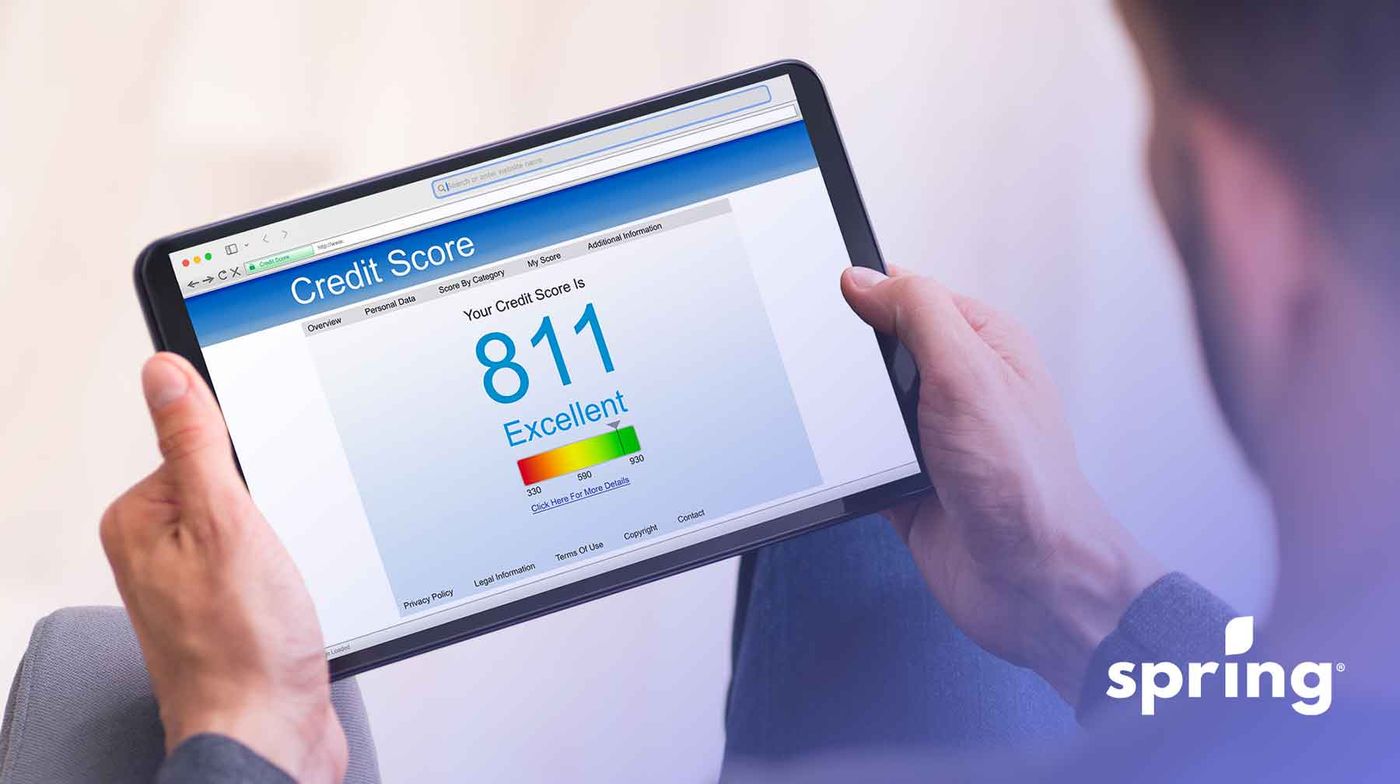
While your credit report details your history, your credit score is a three-digit number summarizing your creditworthiness. In Canada, scores range from 300 to 900, with a score between 725 and 900 considered very good to excellent. You have several ways to see an estimate of your score without paying a fee, though it is important to understand that different companies use different scoring models. The score you see for free may not be the exact same score a lender sees, but it is a valuable educational tool from the same data. Equifax provides a free credit score estimate when you access your free report online through their myEquifax platform. TransUnion, however, generally charges for access to its score through its direct channels, making third-party and bank services key sources for a free TransUnion score.
Many major Canadian financial institutions now offer free credit score monitoring as a service to their clients. For example, CIBC clients can check their TransUnion score through the CIBC Mobile Banking app using the Check Credit Score Service via the CreditView Dashboard. TD Canada Trust clients can use the TransUnion CreditView Dashboard within the TD app, which provides a weekly refreshed score. Scotiabank clients can see their TransUnion score by signing into their online account at no additional charge. These services typically provide weekly score updates and do not affect your credit rating, as they are considered soft inquiries. They represent a convenient way for bank customers to regularly monitor their credit health and receive alerts for important changes.
Third-party financial services like Borrowell and Intuit Credit Karma Canada also provide free credit scores and reports. Borrowell provides your Equifax Canada credit score and report, with sign-up requiring no Social Insurance Number or credit card and taking about three minutes. Credit Karma provides your free TransUnion credit score and reports. These services are funded by providing users with offers for financial products from partner lenders. They offer weekly monitoring and insights into factors affecting your score. Using these services involves a soft inquiry, which does not harm your credit score, allowing you to check as often as you like without negative impact. Borrowell states over 4 million Canadians use its service to understand and manage their credit.
Understanding Credit Report Details and Scoring Factors
Your credit report is a detailed record of your credit history maintained by a credit bureau. It includes personal identification information, a list of your credit accounts, your payment history, credit limits, balances, and any negative information like missed payments or accounts sent to collections. The report also shows who has recently requested your credit information, known as inquiries. Your credit rating is often expressed as an R rating on a scale from 1 to 9, where R1 is the best, indicating you pay within 30 days of the due date, and R9 is the worst, which can mean you never pay your bills. This R rating is assigned by lenders based on your history of borrowing and repaying debts.
Your credit score is calculated from the information in your report using a mathematical formula. The five key factors that influence your Equifax credit score are your payment history, how much of your available credit you are using, the length of your credit history, the mix of different credit types you have, and the number of recent credit inquiries. Payment history and credit utilization are typically the most significant factors. Lenders use this score to quickly assess the risk of lending to you. A higher score indicates lower risk and can help you qualify for better interest rates on loans, credit cards, and mortgages. A score below 725 may limit your access to prime lending rates.
It is critical to know that you do not have just one credit score. Many different scores are provided by different companies. Third parties may use a different score when evaluating your creditworthiness and will also consider items other than your score, such as the full details on your credit file and application information. The Equifax score provided through services like Borrowell is based on the Equifax Canada credit report and uses a proprietary model. While educational, it helps you understand the core factors that lenders review.
Correcting Errors and Protecting Your Credit
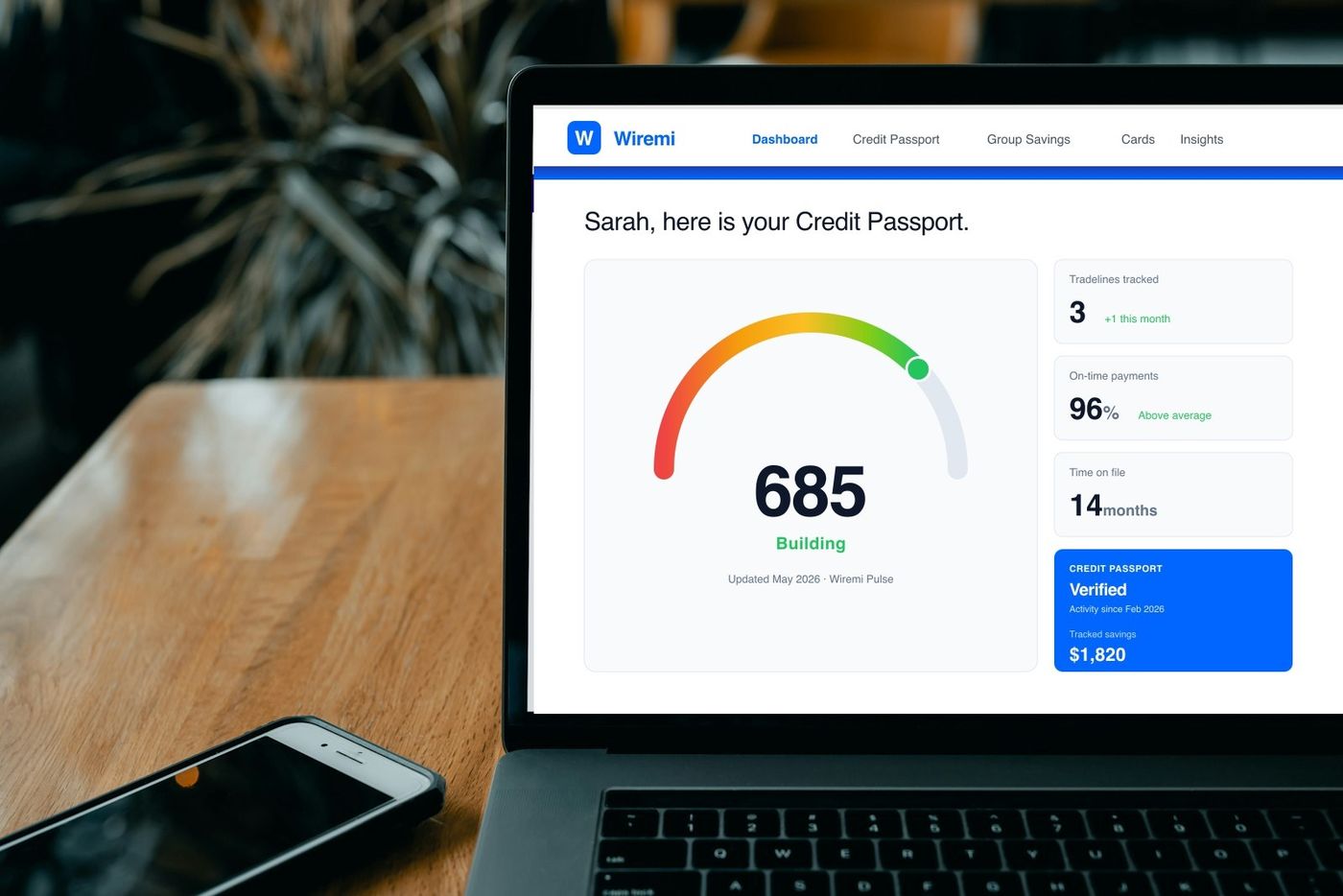
It is your responsibility to review your credit reports for accuracy. Errors can occur, such as accounts that do not belong to you, incorrect payment statuses, or outdated personal information. These mistakes can negatively impact your credit score and your ability to obtain credit. If you find an error, you have the right to dispute it directly with the credit bureau that issued the report. Both Equifax and TransUnion have dedicated consumer relations departments to handle disputes. For TransUnion, you can contact their Consumer Relations Department by phone at 1-800-663-9980 or by mail at P.O. Box 338, LCD1 Hamilton Ontario L8L 7W2. You will need to explain the error and provide any supporting documentation. The bureau is then required to investigate your claim with the data furnisher.
Regular monitoring is the best defence against errors and identity fraud. While checking your report once a year is the minimum, best practices suggest checking at least monthly to spot errors or fraud quickly. Free services from banks or third parties that provide weekly updates make this easier. Borrowell, for instance, allows you to receive credit report updates weekly. If you suspect identity theft, you can contact the bureaus to place a fraud alert on your file. You should also report the theft to your local police and the Canadian Anti-Fraud Centre. Protecting your personal information and reviewing your financial statements regularly are essential habits for maintaining good credit health.
Paid Services and Important Limitations
Both Equifax and TransUnion market paid subscription products alongside their free services. These paid plans, such as Equifax Complete Premier, offer features like ongoing credit monitoring, identity theft insurance, and more frequent access to your credit score. It is important to distinguish these paid offerings from your legislated right to a free credit report. For example, Equifax Complete Friends and Family costs $34.95 and covers two adults. Paid subscriptions typically require payment information upfront and charge monthly, with cancellation available at any time but no partial month refunds. Identity theft insurance included with some Equifax products is underwritten by American Bankers Insurance Company of Florida and is not available for new purchases by residents of Quebec, though Quebec residents redeeming a code may have it included.
There are important limitations to be aware of when using free services. The free Equifax credit report and score provided online are delivered via the myEquifax platform by Equifax Canada in coordination with its U.S. affiliate, Equifax Consumer Services LLC, and your data will be stored in the United States. Under certain circumstances, access to your Equifax credit report may not be available through these online channels. If a paid product fails and a remedy is not available, the subscription is cancelled with a full refund. For free bank services, enrolment may have conditions. TD's TransUnion CreditView Dashboard is only available to TD customers with the mobile TD app, excluding business customers and authorized users under the age of majority. It requires consent for TD to obtain your credit data to identify products that may interest you.
Frequently asked questions
How often can I get a free credit report in Canada?
You are entitled to request your free credit report from Equifax and from TransUnion at least once per year. Many free services from banks or third-party companies like Borrowell allow you to check your report and score more frequently, often weekly, without any cost or negative impact on your credit score. These services use soft inquiries to update your information regularly. The Government of Canada also references the once-per-year standard for direct bureau requests.
Does checking my own credit score lower it?
No, checking your own credit score does not lower it. When you check your own score through official free channels, a bank's service, or a third-party provider like Borrowell or Credit Karma, it is recorded as a soft inquiry. Soft inquiries are only visible to you and do not affect your credit score. Hard inquiries, which occur when a lender checks your credit after you apply for new credit, can have a small, temporary impact. Services like the TD CreditView Dashboard explicitly state checking your score there does not affect it.
What is the difference between a credit report and a credit score?
Your credit report is a detailed history of your credit accounts, payments, balances, and inquiries. Your credit score is a three-digit number, typically between 300 and 900, that is calculated from the information in your report to summarize your credit risk. The report shows the raw data, while the score is a rating derived from that data. Lenders use both to make decisions about lending you money. The report also contains your R rating from 1 to 9, which reflects your payment timeliness on individual accounts.
Why are my Equifax and TransUnion reports different?
Your Equifax and TransUnion credit reports can differ because not all lenders report account information to both bureaus. A creditor may choose to report to only one, or there may be timing differences in when information is updated. This is why it is important to check your report from both major bureaus regularly to ensure all information is accurate and complete. Differences in the underlying data can also lead to different credit score estimates from the two bureaus.
What should I do if I find a mistake on my credit report?
If you find an error on your credit report, you should contact the credit bureau that issued the report, either Equifax or TransUnion, to file a dispute. You can do this by phone, mail, or online through their dispute resolution process. For TransUnion, the specific contact is their Consumer Relations Department at 1-800-663-9980. You will need to explain the inaccuracy and provide any supporting documents. The bureau is obligated to investigate your dispute with the organization that provided the data and correct any verified errors.
Sources and further reading
- Consumer Credit Report | Equifax CA equifax.ca
- Free Credit Report in Canada: 3 Ways to Get Yours | CCS nomoredebts.org
- Check Your Free Credit Score in Canada borrowell.com
- How to check your credit report and credit score cibc.com
- How to check your credit score for free | TD Canada Trust td.com
This article explains how things work and is not financial, tax or legal advice. Rules, limits and rates change, so check the current figures with the Canada Revenue Agency, your province or your financial institution before you act.