Buying gold bars in Canada involves purchasing physical bullion from dealers, banks, or the Royal Canadian Mint. Gold bars are a cost-efficient way to own physical gold, often carrying lower premiums than coins. The process requires choosing a reputable seller, understanding pricing, and arranging secure payment and storage. For Canadian investors, physical gold serves as a hedge against inflation and a means to diversify an investment portfolio.
Understanding Gold Bars as an Investment
Gold bars, also called ingots, are a form of physical bullion prized for their high purity and value based on gold content. In Canada, investment-grade gold bars typically have a purity of .9999, meaning they are 99.99 percent pure gold. This high purity is a key factor in their appeal as a store of wealth. Gold's historical role as a stable asset during economic uncertainty drives its demand among Canadian investors. The metal's scarcity and durability contribute to its ability to act as a hedge against inflation and currency fluctuations. Adding gold bars to a portfolio can provide diversification, as its price often moves independently of stocks and bonds.
Gold bars are generally considered a more cost-efficient physical gold investment compared to coins. This is because the premium, or the cost over the live market spot price, is often lower for bars. The premium covers minting, refining, distribution, and dealer margins. For larger bars, the premium per ounce or gram tends to be lower than for smaller bars or coins. This makes larger bars attractive for investors focused on maximizing the amount of pure gold for their money. The primary purpose of investment gold bars is wealth preservation rather than collectible value.

Where to Buy Gold Bars in Canada
Canadians have several primary channels for purchasing gold bars, each with distinct advantages and trade-offs. The most common options are established online bullion dealers, major Canadian banks with precious metals divisions, the Royal Canadian Mint directly, and local coin or bullion shops. Online dealers typically offer the widest selection and most competitive pricing due to lower overhead and national competition. Banks like TD through its Precious Metals division offer convenience and integration with existing banking relationships but often at higher premiums. The Royal Canadian Mint sells directly to the public, guaranteeing authenticity and offering exclusive products.
Local physical shops allow buyers to see and handle products before purchasing and enable same-day transactions. However, their inventory can be limited and premiums are often higher to cover retail overhead costs. When selecting any seller, due diligence is crucial. Buyers should check the dealer's reputation through the Better Business Bureau rating and customer reviews. It is also important to inquire about the dealer's buyback policy before making a purchase, as this affects future liquidity. Authorized distributors of major mints like the Royal Canadian Mint provide an additional layer of product assurance.
Pricing, Premiums, and Payment
The price of a gold bar is not simply the market value of the gold it contains. The total cost is the live spot price of gold plus a dealer's premium. The spot price is the current market price for one troy ounce of gold and fluctuates throughout the trading day. The premium covers the costs of refining, minting, certification, dealer operation, and profit margin. Premiums vary based on the bar's size, brand, and the dealer's pricing model. Larger bars generally have a lower premium per ounce than smaller bars, making them more efficient for large investments.
Common payment methods for gold bars include wire transfer, Interac e-Transfer, and bank draft. Some dealers recommend wire transfers or e-transfers to avoid additional processing fees associated with credit cards. Major banks may have transaction limits for precious metals purchases. For example, TD Precious Metals caps online transactions at $24,999.99 CAD per 24-hour period, with potentially lower limits for non-TD customers. Understanding the total delivered cost, including any shipping and insurance fees, is essential before finalizing any purchase.

Steps to Purchase Gold Bars
Buying gold bars involves a series of steps to ensure a secure and informed transaction. The process begins with research to select a reputable dealer based on factors like pricing transparency, product selection, and customer service. Next, you must decide on the type and size of gold bar that fits your investment goals and budget. Common sizes available in Canada range from 1 gram up to 1 kilogram or larger. After selecting the product, you will proceed to checkout, where you will see the final price including premium, taxes, and shipping.
You will need to provide shipping details and choose a payment method. Dealers often require verification of identity for security purposes, which may involve submitting a government-issued ID. Once payment is confirmed, the dealer will process the order and arrange for fully insured shipping. Packages typically require a signature upon delivery. For larger or bulk orders, it may be beneficial to contact the dealer directly for personalized assistance and potentially negotiated pricing. Keeping records of the purchase, including invoices and assay certificates, is important for insurance and future sale purposes.
- Research and select a reputable Canadian dealer or seller.
- Choose the gold bar size and brand based on your budget and goals.
- Review the final price, including the spot price, premium, and all fees.
- Complete the checkout process with your shipping information.
- Select a secure payment method like wire transfer or e-Transfer.
- Provide required identification for order verification.
- Await insured delivery and sign for the package upon arrival.
- Store your purchase securely and retain all purchase documentation.
Taxes, Authentication, and Storage
In Canada, investment-grade gold bars are exempt from the Goods and Services Tax and Harmonized Sales Tax. This tax exemption applies to gold bullion products that have a purity of .995 or higher, which includes virtually all standard investment bars. This makes physical gold a tax-efficient investment vehicle within the country. Authenticity is a critical concern when buying gold. Reputable dealers source bars directly from licensed mints and refiners like the Royal Canadian Mint, PAMP Suisse, and Valcambi. Many bars come with assay certificates guaranteeing their weight and purity.
The Royal Canadian Mint incorporates DNA anti-counterfeiting technology in its 1 oz Gold Maple Leaf coins, a feature introduced in 2014. This technology involves an encrypted registration code within a privy mark that can be read with a special reader. For storage, buyers must decide between home storage in a high-quality safe, a bank safety deposit box, or professional third-party vaulting services. Professional vault storage offered through some dealers provides high security and insurance but comes with ongoing fees. Proper storage maintains the bar's condition, which is important for preserving its value and ensuring easy resale.
Common Gold Bar Sizes and Products
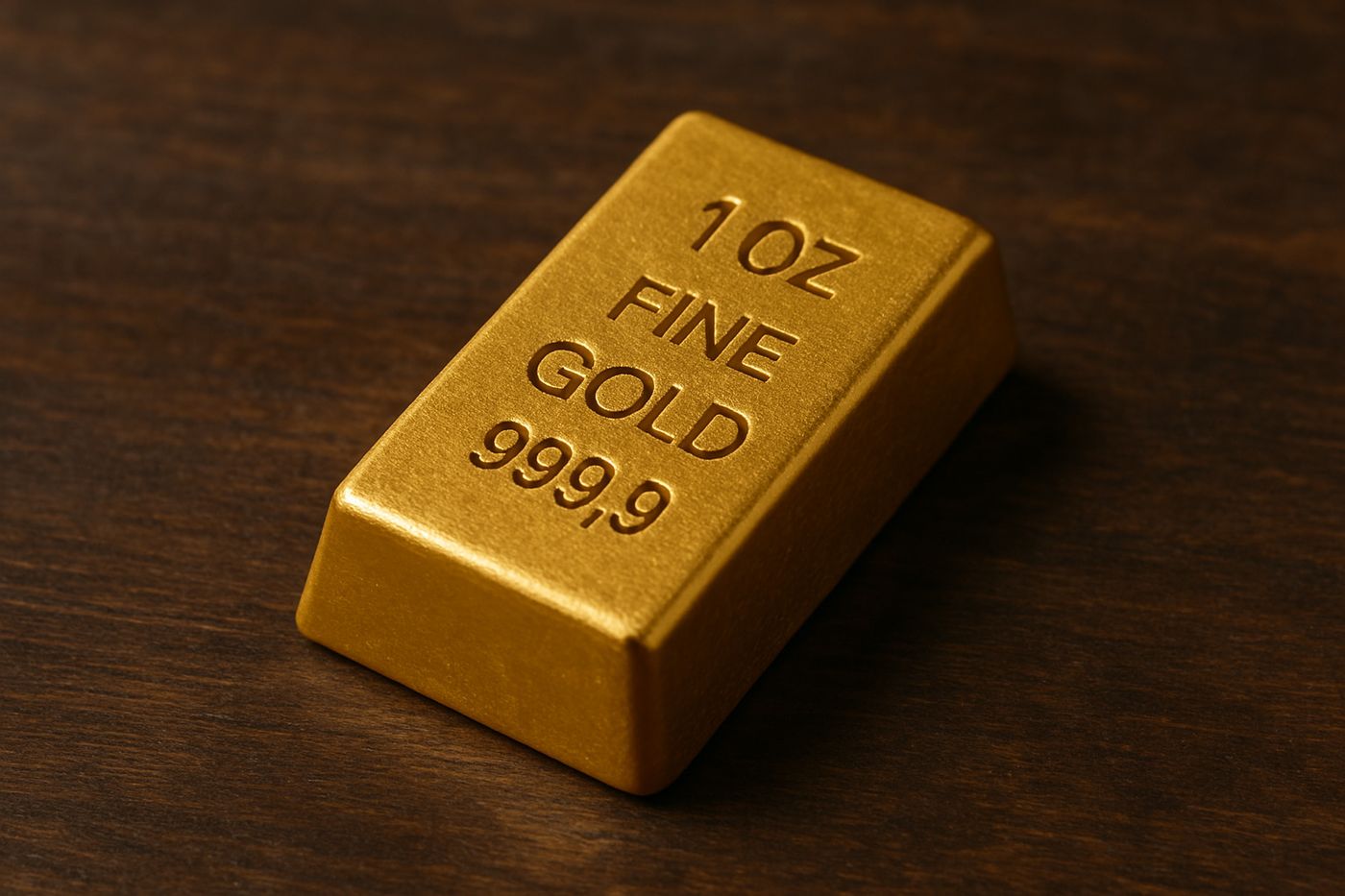
Gold bars are available in a wide range of sizes to suit different investment levels. Smaller bars, such as 1 gram, 5 gram, or 10 gram sizes, offer an affordable entry point for new investors. One troy ounce bars are among the most popular and liquid sizes globally. Larger bars, including 10 ounce, 1 kilogram, and 100 ounce sizes, provide a lower premium per ounce and are favoured for significant investments. The specific sizes available can vary by dealer and refinery brand. In addition to standard bars, the Royal Canadian Mint produces its own branded gold bars, which carry the mint's reputation for quality.
While this guide focuses on bars, gold coins like the Canadian Gold Maple Leaf are a closely related alternative. The Gold Maple Leaf, with a purity of 99.99 percent, is a sovereign coin with a legal tender face value. Coins often carry higher premiums than bars due to minting costs and collectible appeal but offer high liquidity and recognition. Gold rounds, produced by private mints, are another option that can be more affordable than sovereign coins. The choice between bars, coins, and rounds depends on an investor's priorities regarding cost, liquidity, and personal preference.
| Bar Size (Common Examples) | Approximate Weight | Typical Investor Profile |
|---|---|---|
| 1 Ounce | 31.1 grams | Most popular, balanced liquidity &. Premium |
| 1 Kilogram | 32.15 troy ounces | Large-scale investor, lowest premium per ounce |
Considerations Before You Buy
Before purchasing gold bars, investors should clearly define their objectives. Physical gold is typically considered a long-term holding for wealth preservation and portfolio diversification, not a short-term trading vehicle. Understanding the total costs involved is crucial. This includes the dealer's premium, payment processing fees, shipping costs, and any potential storage fees. Liquidity is another factor. While gold bars can be sold back to dealers or other buyers, the process may take time and the sale price will be at the current spot price minus a small discount or buyback fee.
Security is a paramount concern from the moment of purchase. Insured shipping is standard from reputable dealers, but securing the gold after delivery is the owner's responsibility. Buyers should also verify a dealer's buyback policy, as some offer to repurchase the bars they sell, which can simplify future transactions. Finally, while gold can be a stable asset, its price in Canadian dollars can still fluctuate based on global market conditions, currency exchange rates, and economic events. An informed buyer approaches gold bar ownership with a clear understanding of both its benefits and its responsibilities.
Frequently asked questions
Is there tax when buying gold bars in Canada?
Investment-grade gold bars are exempt from the Goods and Services Tax and Harmonized Sales Tax in Canada. This exemption applies to gold bullion products that have a purity of .995 or higher. Therefore, when you purchase a standard .9999 fine gold bar, you do not pay GST or HST on the transaction. This tax treatment makes physical gold bars a tax-efficient investment within the country.
How can I be sure the gold bar I buy is authentic?
Purchasing from a reputable, established dealer is the primary safeguard. Authorized dealers source bars directly from licensed mints and refiners like the Royal Canadian Mint, PAMP Suisse, or Valcambi. Many bars come with an assay certificate of authenticity. The Royal Canadian Mint uses DNA anti-counterfeiting technology in its coins. Reputable dealers also test bars for purity and weight using professional verification equipment before sale.
What are the best ways to store gold bars after buying them?
Secure storage options include a high-quality home safe, a bank safety deposit box, or a professional third-party vaulting service. Each option has trade-offs between cost, accessibility, and security. Professional vault storage, often offered through dealers, provides high-level security and insurance but involves ongoing fees. Home storage requires a significant upfront investment in a safe and may affect home insurance premiums. Proper storage protects both the physical asset and its resale value.
Can I sell my gold bars back easily?
Yes, gold bars can be sold back to bullion dealers, some banks, and other private buyers. Liquidity is generally good for standard bars from well-known refiners. The selling price will be based on the current spot price of gold, minus a small discount or buyback fee charged by the dealer. Before buying, it is wise to check a dealer's buyback policy to understand their terms and process for repurchasing gold they have sold.
Why do gold bars have different prices from different sellers?
The price difference stems from the dealer's premium added to the live spot price of gold. Premiums vary based on the dealer's operating costs, profit margins, the bar's size and brand, and market competition. Online dealers with lower overhead often have more competitive premiums than local shops with high retail costs or banks that are not bullion specialists. Larger bars also typically have a lower premium per ounce than smaller bars.
What is the difference between buying gold bars from a bank versus an online dealer?
The primary difference lies in pricing, selection, and convenience. Buying from a major bank like TD Precious Metals offers the convenience of integration with your existing banking relationship and may provide a sense of security. However, bank premiums on gold bars are typically among the highest available, and they often impose transaction limits, such as a $24,999.99 CAD cap per day online. In contrast, established online bullion dealers typically offer more competitive pricing due to market competition, a wider selection of bar sizes and refinery options, and transparent spot-based pricing updated in real time. For most investment focused buyers, a specialized online dealer provides better value and choice than a bank.
Sources and further reading
- Gold mint.ca
- Where to Buy Gold Bars in Canada: Your Complete Guide canambullion.ca
- Buy Gold Bullion, Coins & Bars sprottmoney.ca
- Buy Gold Bars Online aubullion.ca
- Silver Prices and Rates canadagold.ca
This article explains how things work and is not financial, tax or legal advice. Rules, limits and rates change, so check the current figures with the Canada Revenue Agency, your province or your financial institution before you act.