Borrowing money in Canada involves accessing funds from a lender and repaying them over time with interest. Canadians can borrow through various products like personal loans, lines of credit, and instalment loans from banks, credit unions, and alternative lenders. The process requires understanding your credit, comparing loan terms, and providing documentation like government ID and proof of income. Knowing how to borrow wisely helps manage debt and achieve financial goals.
Understanding Common Borrowing Options
Canadians have access to several primary types of borrowing products, each with distinct structures and uses. A personal loan, also called an instalment loan or consumer loan, provides a lump sum of money repaid over a predetermined term. These loans typically range from $100 to $50,000 with repayment periods from six months to five years, though some terms can extend up to seven years. Personal loans can be used for many purposes, including debt consolidation, home renovations, or large purchases. A line of credit is a revolving credit facility that allows you to borrow up to a pre-approved limit, often up to $10,000, and you only pay interest on the amount you use. Secured loans, which use an asset like a vehicle as collateral, can offer higher amounts, such as up to $25,000, and potentially lower interest rates. Alternative lenders, such as Money Mart, offer instalment loans between $500 and $25,000, often with a different cost structure than traditional banks.
Each borrowing option serves different financial needs. A personal loan is suitable for a one-time, known expense where you want fixed payments over a set period. A line of credit offers flexibility for ongoing or unpredictable expenses, allowing you to draw funds as needed. Secured financing can provide access to larger sums or better rates by leveraging an asset. The choice between a fixed or variable interest rate is another key decision. With a fixed rate loan, your interest rate remains constant for the entire loan term, leading to predictable payments. A variable rate loan fluctuates with changes in the lender's prime rate, which is influenced by the Bank of Canada's policy rate. Your personal financial situation and risk tolerance will determine which product and rate type is most appropriate for your needs.

Eligibility and Required Documentation
Lenders assess eligibility for a loan based on several key factors to determine your creditworthiness and ability to repay. Your credit score is a primary consideration, as it reflects your history of managing debt. While there is no single score that guarantees the best rate, a higher credit score generally provides access to more lenders and lower interest rates. Borrowers with scores below 600 may still qualify with some alternative or online lenders, but they will likely face higher rates. Your income and employment status are also critically reviewed to ensure you have sufficient cash flow to meet the new payment obligations. Lenders will examine your existing debt load, including mortgage or rent payments, utility bills, and other credit statements, to calculate your debt-to-income ratio.
To complete an application, you must provide specific documentation. All lenders require valid, government-issued identification that is original and not expired. Acceptable forms of ID include a driver's licence or a provincial identification card. Proof of employment and income is necessary, which can be demonstrated through recent pay stubs or tax documents. You will need to supply bank account details for the deposit of funds and to schedule repayment. If you are applying for a debt consolidation loan, you must provide up-to-date statements for the accounts you wish to consolidate, including their balances and account details. For a secured loan, you must bring the asset, such as a vehicle, to the branch for assessment. The lender will perform a hard credit check as part of the application process, which involves sharing your information with credit bureaus and can cause a small, temporary decrease in your credit score.
Current Interest Rates and Costs
Interest rates for borrowing in Canada vary widely based on the lender, loan type, and your financial profile. For personal loans, current rates typically range from 6% to 35% annual percentage rate (APR). The APR includes not just the interest rate but also any applicable borrowing fees, providing a more complete picture of the annual cost. The rate you receive depends heavily on factors like your credit history, income, existing debt, and whether the loan is secured or unsecured. As of 2026, the lowest advertised starting APR among compared lenders is 8.99%, offered by Fig Financial and goPeer, though not every borrower will qualify for this rate. For a specific example like a $5,000 personal loan, rates often range from about 10% to 20%, depending on your credit score and the type of lender.
It is important to distinguish between the interest rate and the APR when comparing offers. The interest rate is the percentage charged on the borrowed principal. The APR reflects the total annual cost, including fees, and is usually higher than the interest rate when fees are involved. Some alternative lending products have different cost structures. For instance, Money Mart charges a cost of borrowing of $14.00 per $100.00 advanced for its instalment loans. The Bank of Canada's policy rate also influences borrowing costs. In September 2026, the Bank held its overnight rate at 2.25%, meaning lenders' prime rates remained stable. This stability affects variable-rate products like lines of credit and variable-rate loans, which are tied to the prime rate, while fixed-rate loans are not directly affected by these announcements.
| Loan Type | Typical Amount | Interest Rate Range |
|---|---|---|
| Personal Loan (Bank) | $100 - $50,000 | 6% - 24% APR |
| Line of Credit | Up to $10,000 | Variable, based on prime rate |
| Secured Loan | Up to $25,000 | Generally lower than unsecured |
The Application Process Step by Step
Applying for a loan in Canada follows a structured process that can often be started online, over the phone, or in a branch. The first step is to assess your needs and compare potential lenders and products. Many lenders offer pre-approval or loan-finder tools that let you see personalized offers you are likely to qualify for without a hard credit check or providing your Social Insurance Number. This step helps you understand your options without impacting your credit score. Once you select a lender and product, you begin the formal application. This involves providing personal details, financial information, and the purpose of the loan. For debt consolidation loans, you will need to list the accounts and balances you intend to pay off.
The next phase involves submitting the required documentation for verification. You must provide your government-issued ID, proof of employment and income, and bank account details. If you have a co-applicant, they must provide the same information and documents. The lender then performs a hard credit check, which is a necessary part of assessing your eligibility. After reviewing your application and documents, the lender makes a credit decision. If approved, you will receive a loan agreement outlining the terms, including the interest rate, APR, repayment schedule, and any fees. You must review and sign this agreement. Finally, upon signing, the funds are disbursed. Many lenders offer fast funding options, such as Interac e-Transfer, which can deliver money in as little as 15 minutes, or direct deposit to your bank account.
- Step 1: Assess your needs and compare lenders using pre-approval tools.
- Step 2: Choose a loan product and begin the formal application.
- Step 3: Gather and submit required documents (ID, proof of income, bank details).
- Step 4: Lender performs a hard credit check and assesses eligibility.
- Step 5: Review and sign the loan agreement if approved.
- Step 6: Receive funds via e-Transfer, direct deposit, or cheque.
Using Loans for Debt Consolidation
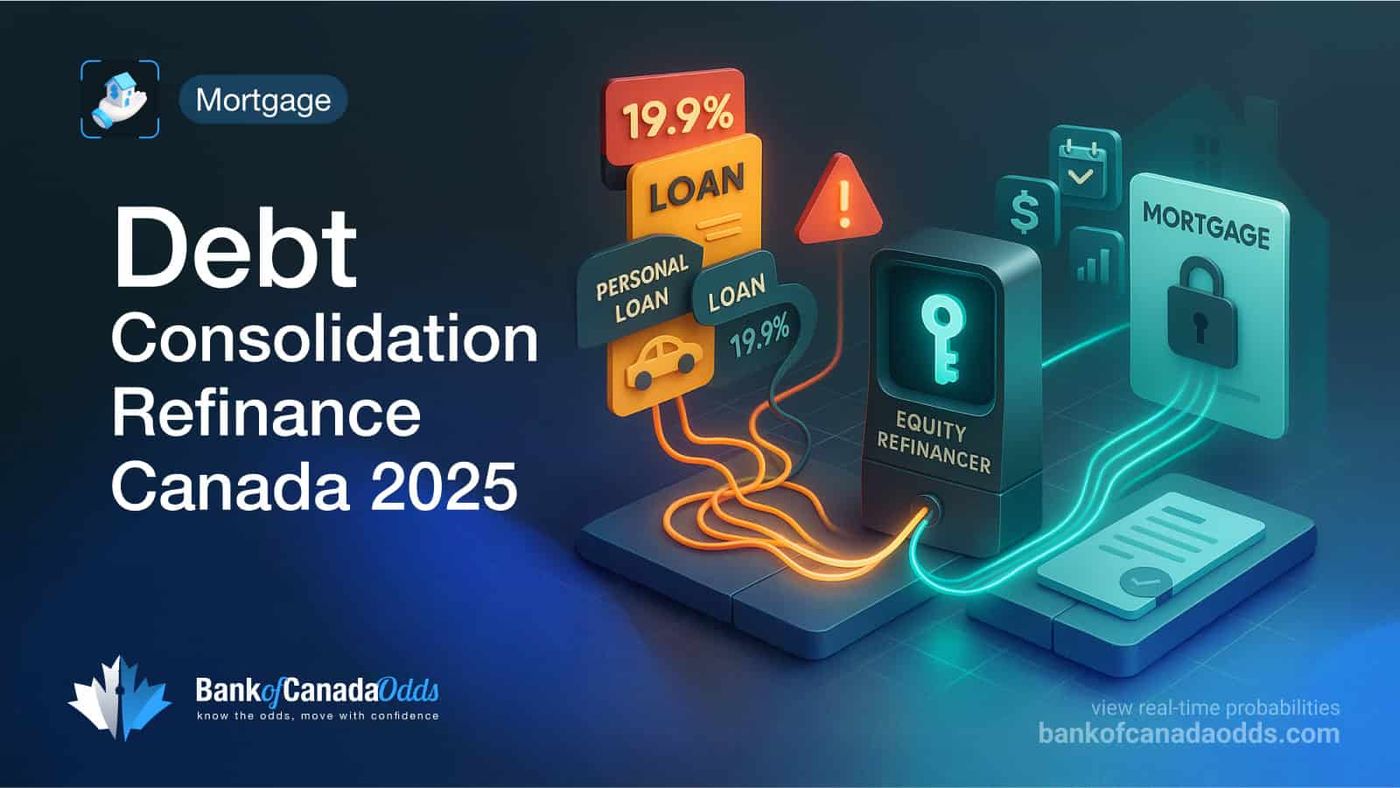
Debt consolidation is a common reason Canadians take out personal loans. It involves combining multiple higher-interest debts, such as credit card balances, into a single loan with a lower interest rate. The process starts by reviewing your budget and ranking your debts, typically targeting the highest-interest obligations first to minimize total interest paid. You then apply for a consolidation loan for an amount sufficient to pay off those selected debts. Lenders require up-to-date statements for all accounts being consolidated, including their balances and details. Once the new loan is approved and funded, you use the lump sum to pay off the existing accounts in full.
A debt consolidation loan can offer several financial benefits. By securing a lower interest rate, more of your monthly payment goes toward reducing the principal balance instead of paying interest. This can help you pay off the debt faster and save money over time. Consolidating several payments into one simplifies your finances, giving you a single monthly payment and an estimated end date for the debt. Making that single payment on time each month can contribute to a positive payment history, which may improve your credit score. It is crucial, however, to avoid running up new balances on the paid-off credit cards, as this can worsen your debt situation. Some lenders also offer optional loan protection insurance, which could pay off or reduce the loan balance in the event of death or total disability, providing an additional layer of security.

Impact on Credit and Responsible Borrowing
Taking out a loan has a direct impact on your credit score and overall financial health. The application process itself typically involves a hard credit inquiry, which can cause a small, temporary decrease in your score. Once the loan is active, your payment behaviour becomes the most significant factor. Making all payments in full and on time helps build a positive payment history, which is beneficial for your credit profile. Conversely, late or missed payments are reported to credit bureaus and can significantly damage your score. A new loan also increases your total debt load, which lenders consider when evaluating future credit applications. If you use a loan for debt consolidation, maintaining low balances on your newly freed-up credit cards is important for your credit utilization ratio.
Borrowing responsibly involves more than just securing a loan. It requires a clear understanding of the total cost, including the APR and any fees, and ensuring the monthly payments fit comfortably within your budget. Before applying, check if your existing loan has a prepayment penalty and whether a new lender charges origination fees, as these can affect the savings from refinancing. It is advisable to have a plan for the loan proceeds, whether for a specific purchase or debt consolidation, and to avoid borrowing for discretionary spending without a repayment strategy. Many financial institutions provide resources and advisors to help customers understand their borrowing options and make informed decisions. Proactive planning, including maintaining an emergency fund, can reduce the need for reactive borrowing when unexpected expenses arise.
- A hard credit check during application can temporarily lower your score.
- On-time payments build positive credit history. Late payments harm it.
- A loan increases your total debt, affecting future credit assessments.
- Using a loan to consolidate debt can help if you keep other balances low.
- Understand all costs, including APR and fees, before committing.
- Ensure loan payments align with your monthly budget.
Frequently asked questions
What is the cheapest way to borrow money in Canada?
The cheapest way to borrow money typically involves securing a loan with the lowest annual percentage rate (APR) available to you. This often means having a strong credit score to qualify for the best rates from banks or credit unions, which can start as low as 6% APR. Secured loans, which use an asset like a vehicle as collateral, generally offer lower rates than unsecured personal loans. Comparing personalized offers from multiple lenders without affecting your credit score can help you identify the most cost-effective option for your financial situation.
Can I get a loan with bad credit in Canada?
Yes, it is possible to get a loan with bad credit in Canada, but the options and terms differ. Borrowers with credit scores below 600 may qualify with alternative or online lenders, though they will likely be offered higher interest rates, potentially up to 35% APR, or different loan terms. Some lenders specialize in serving borrowers with challenged credit. Providing proof of stable income and considering a secured loan, where you offer collateral, can improve your chances of approval. It is important to compare the total cost, including fees, as these loans can be more expensive.
How much can I borrow with a personal loan?
The amount you can borrow with a personal loan in Canada varies widely based on the lender and your eligibility. Most personal loans range from $100 to $50,000. Some lenders, like Fairstone, offer unsecured personal loans up to $50,000. Your approved amount depends on factors such as your credit score, income, existing debt, and the loan's purpose. Secured loans can allow for higher amounts, with some lenders offering up to $25,000 when an asset is used as collateral. Lines of credit typically offer lower limits, such as up to $10,000.
What documents do I need to apply for a loan?
To apply for a loan in Canada, you will need specific documents for identification and financial verification. All lenders require a valid, government-issued photo ID, such as a driver's licence or provincial identification card. You must provide proof of employment and income, which can include recent pay stubs or tax documents. Bank account details are necessary for depositing funds and setting up repayment. If applying for a debt consolidation loan, you need up-to-date statements for the accounts you want to consolidate, showing balances and account details. For a secured loan, you must also bring the asset, like a vehicle, to a branch.
Does applying for a loan hurt my credit score?
Applying for a loan can have a minor, temporary negative impact on your credit score. The application process usually involves a hard credit check, where the lender requests your credit report from a bureau. This inquiry is recorded and can cause a small decrease in your score. However, once you have the loan, your payment behaviour becomes far more significant. Making payments on time helps build positive credit history, while late or missed payments can seriously harm your score. Many lenders offer pre-approval checks that do not affect your credit score, allowing you to compare offers risk-free.
What is the difference between a loan and a line of credit?
A loan and a line of credit are two distinct borrowing products. A personal loan provides a lump sum of money upfront, which you repay in fixed instalments over a set term, typically from six months to seven years. A line of credit is a revolving credit facility with a pre-approved limit, often up to $10,000. You can borrow from it as needed, pay it back, and borrow again, only paying interest on the amount you use. Loans are better for one-time, known expenses, while lines of credit offer flexibility for ongoing or unpredictable costs. The application process for both involves a credit check and document verification.
Sources and further reading
- Money Mart moneymart.ca
- Personal Loan | TD Canada Trust td.com
- Best personal loans in Canada 2026 ratehub.ca
- Personal loans, Scotia Plan® Loan scotiabank.com
- Loans in Canada: Line of Credit & Secured Financing lenddirect.ca
This article explains how things work and is not financial, tax or legal advice. Rules, limits and rates change, so check the current figures with the Canada Revenue Agency, your province or your financial institution before you act.