One troy ounce of gold contains exactly 31.1034768 grams, a precise conversion that is fundamental to all gold pricing in Canada. This differs from the standard avoirdupois ounce used for everyday items, which is only 28.3495 grams. For Canadian investors, understanding this distinction is crucial when evaluating bullion prices, as the spot price for gold is universally quoted per troy ounce. Knowing how to convert between troy ounces and grams allows you to accurately calculate the per-gram cost of any gold product and compare values across different weights and formats.
The Critical Difference Between Troy and Avoirdupois Ounces
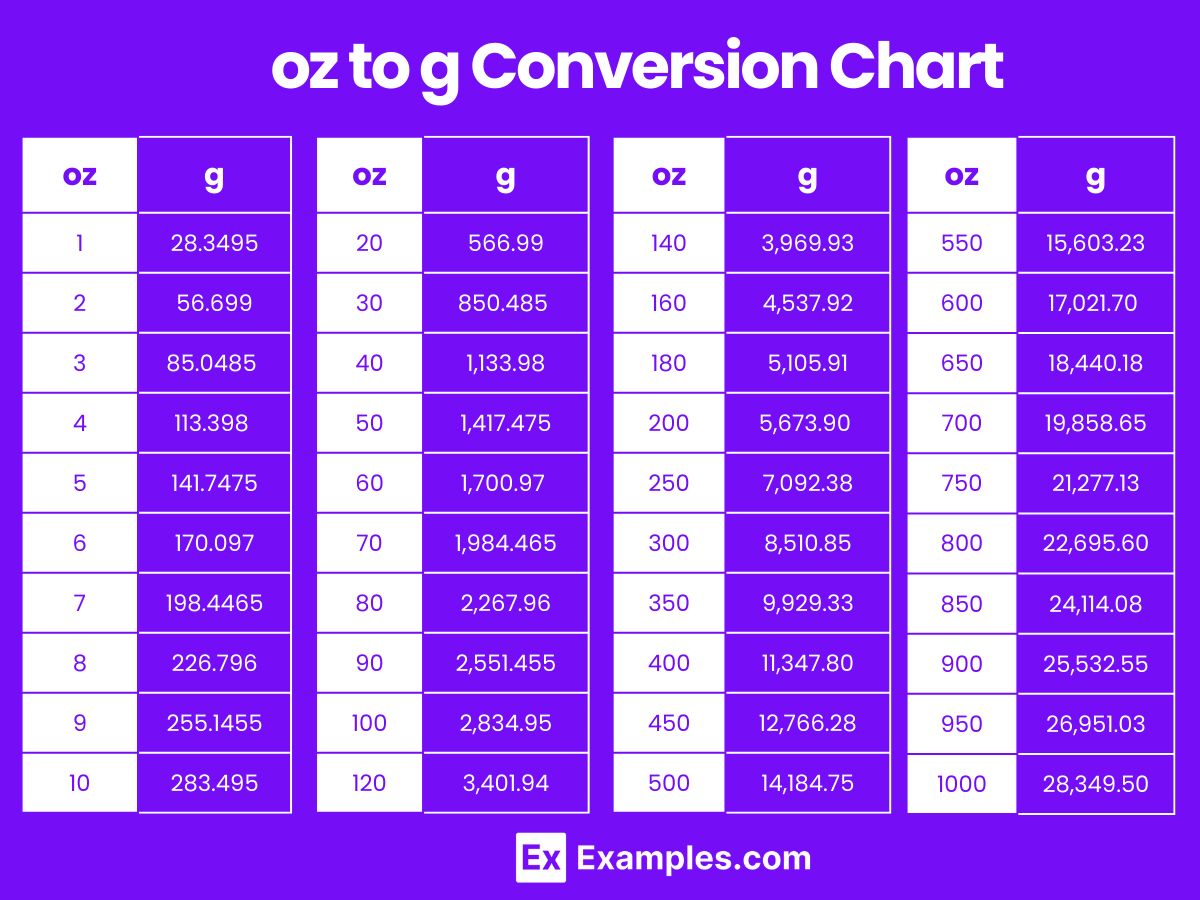
The world of precious metals operates on a different measurement system than everyday life, a fact central to accurate gold valuation. The standard ounce used in Canada for weighing groceries or personal weight is the avoirdupois ounce, which equals 28.3495 grams. In contrast, the troy ounce, abbreviated as ozt or toz, is the exclusive unit for gold, silver, platinum, and gemstones, and it equals 31.1034768 grams. This means a troy ounce is approximately 9.7% heavier than an avoirdupois ounce. Confusing these two units introduces a significant error of roughly 10% in any weight-based calculation, which at current gold prices translates to a discrepancy of hundreds of dollars per ounce. Every global gold spot price, bullion product listing, and precious metals contract is denominated in troy ounces. When a Canadian dealer advertises a 1 oz gold bar, it is always one troy ounce containing 31.1034768 grams of fine gold, not the more common avoirdupois ounce.
How Gold Pricing in Canada Relies on the Troy Ounce
The price of gold in Canadian dollars is fundamentally derived from the troy ounce spot price. The global benchmark is set in US dollars per troy ounce by markets like the London Bullion Market Association. For Canadian investors, this price is converted using the current USD to CAD exchange rate. With gold recently trading in a range of approximately $5,764 to $6,064 CAD per troy ounce, the per-gram price is calculated by dividing that figure by 31.1034768, resulting in a range of about $183 to $193 per gram. This conversion is not static and updates continuously with market movements. The final retail price a consumer pays includes a dealer premium on top of this spot-derived cost, which covers fabrication, handling, and margin. Smaller gram-denominated bars typically carry a higher premium per gram compared to standard one-troy-ounce products, making the larger format more cost-efficient for serious investors.
Step-by-Step Calculation from Global Spot to Canadian Retail Price
Understanding how a global troy ounce price becomes a Canadian per-gram retail figure involves a clear four-step process. The first step is to identify the current USD spot price per troy ounce from a reliable source like Kitco. The second step is to convert that USD amount to Canadian dollars by multiplying it by the current USD/CAD exchange rate published by the Bank of Canada. For example, a USD spot price of $4,280 multiplied by an exchange rate of 1.38 would yield approximately CAD $5,906 per troy ounce. The third step is the core conversion: dividing this Canadian troy ounce price by 31.1034768 to ascertain the pure per-gram value based on spot. Using the example, CAD $5,906 divided by 31.1034768 equals roughly $190 per gram. The fourth and final step is adding the dealer's premium, which varies based on the product size and type, to arrive at the final retail price you would pay.
Historical Origins and Modern Standardization of the Troy Ounce
The troy ounce system has a long history dating back to medieval European trade. It takes its name from the city of Troyes in France, which hosted a major merchant fair in the 12th and 13th centuries where a common weight standard for precious metals was established. Some historical evidence suggests the system may have even earlier roots in Roman weight standards. The troy ounce was formally codified into English law around 1527 during the reign of Henry VIII. Its use was later cemented in North America through the United States Coinage Act of 1828, which established it as the official weight for gold and silver. Today, it remains the universal standard for the entire global precious metals industry, ensuring consistency from the LBMA to Canadian bullion dealers.
Practical Conversion Examples for Canadian Bullion Products
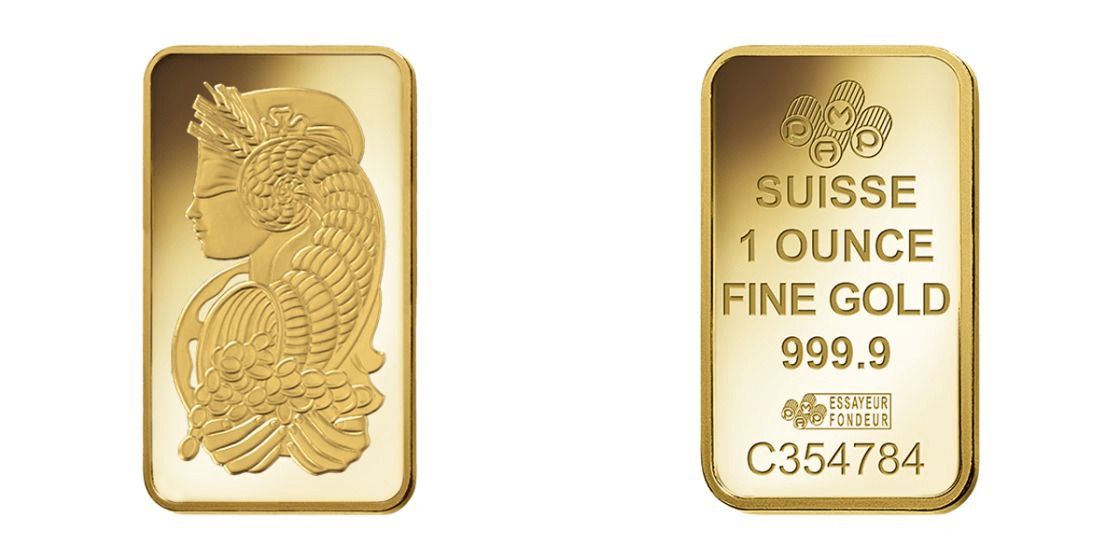
Applying the troy ounce to gram conversion is essential when handling specific Canadian bullion products. The Royal Canadian Mint 1 oz Gold Maple Leaf coin contains one troy ounce, or 31.1034768 grams, of .9999 fine gold. To convert any gram weight to troy ounces, you multiply the gram figure by 0.03215. Conversely, to convert a troy ounce weight to grams, you multiply by 31.1034768. This calculation is vital when comparing products minted in different systems, such as the Chinese Gold Panda coin, which since 2016 has been minted with a weight of 30 grams, equivalent to 0.9645 troy ounces. Investors comparing its price to a 1 troy ounce Maple Leaf must use the correct conversion to make a fair value assessment.
One troy ounce of gold is equal to exactly 31.1035 grams. In contrast, one avoirdupois ounce, which is the standard ounce used for most other goods, is equal to 28.3495 grams. Gold prices in Canada are quoted per troy ounce, such as a current range of roughly $5,764 to $6,064 CAD. This foundational conversion is critical for understanding the pricing of all gold bullion products in the Canadian market.
Using the precise conversion of 31.1035 grams per troy ounce prevents significant valuation errors. Confusing a troy ounce with an avoirdupois ounce introduces an error of approximately ten percent. This error can translate to hundreds of dollars per ounce at current gold prices. Accurate conversion is therefore essential for comparing prices between products measured in grams and those measured in troy ounces.
Common Conversion Mistakes and How to Avoid Them
Several frequent errors can lead to significant miscalculations in gold valuation. The most common mistake is directly substituting the avoirdupois ounce value of 28.3495 grams into gold price calculations, which undervalues the metal by about 10%. Another error is assuming all ounce references are the same, whether on a food label or a bullion website. Investors must always verify that gold prices and product weights are specified in troy ounces. Failing to use precise conversion factors can also distort comparisons, especially when evaluating smaller gram bars against ounce-denominated coins. To ensure accuracy, always use the full conversion factor of 31.1034768 grams per troy ounce for serious calculations, though the rounded figure of 31.1 grams is acceptable for quick estimates. Double-checking the weight unit on dealer websites and product specifications is a simple but critical habit.
A common pitfall is assuming that an ounce of gold is the same as a standard kitchen ounce. Another mistake is using avoirdupois ounces when calculating the value of gold, which leads to incorrect pricing. Investors must also be careful when comparing products like Chinese Gold Panda coins, which are measured in grams, against coins measured in troy ounces. Failing to use the correct conversion can result in an inaccurate price comparison.
- Using 28.35 grams instead of 31.1035 grams for a gold ounce.
- Not confirming if a product's oz marking means troy or avoirdupois ounce.
- Forgetting to convert grams to troy ounces before applying the spot price.
- Comparing the price of a gram bar directly to an ounce bar without adjusting for weight.
- Overlooking the higher premium per gram on small bars when calculating total cost.
- Using an outdated spot price or exchange rate in the conversion calculation.
Awareness of these specific mistakes helps Canadian investors perform accurate valuations. Understanding the difference between troy and avoirdupois ounces is fundamental for any gold transaction. This knowledge allows investors to verify dealer calculations and understand true costs. Making informed decisions requires using the correct weight standard for precious metals.
The Structure of Gold Premiums in the Canadian Market
The price you pay for a gold product in Canada is the sum of the metal's spot value and a dealer premium. This premium compensates the mint or dealer for fabrication, distribution, and operational costs, and it represents their margin. The size of this premium is not fixed and varies significantly based on the product's weight and form. As a general rule, the premium charged per gram of gold decreases as the total weight of the product increases. A single 1 gram gold bar will carry a much higher premium per gram than a 1 troy ounce gold coin. This pricing structure makes larger bars and coins more cost-effective for investors seeking to maximize the amount of actual gold for their money. The Royal Canadian Mint's 1 oz Gold Maple Leaf typically carries a modest premium and is one of the most traded gold products in Canada due to its recognizability and liquidity. Understanding this premium structure is key when deciding between purchasing several small gram bars or a single larger ounce-denominated product.
Key Factors That Influence Daily Gold Prices in Canada
Several dynamic factors directly affect the daily price of gold in Canadian dollars, which in turn determines the per-gram cost. The primary driver is the international spot price of gold, which is set in US dollars per troy ounce and fluctuates based on global supply, demand, and macroeconomic sentiment. The exchange rate between the Canadian dollar and the US dollar is equally critical, as a weaker Canadian dollar makes gold more expensive in local currency. The dealer premium, which varies by product, adds the final layer to the retail price. Market data providers like Kitco offer real-time tracking of these inputs, which are essential for investors. These factors mean the conversion from a US dollar troy ounce price to a Canadian dollar per-gram price is a live calculation that changes throughout the trading day.
Frequently asked questions
How many grams are in an ounce of gold?
There are exactly 31.1034768 grams in one troy ounce of gold. This is the precise conversion used globally in the precious metals industry. A commonly used rounded figure is 31.1 grams, which is sufficient for most practical purposes. This differs significantly from the standard avoirdupois ounce used for everyday items, which contains only 28.3495 grams.
What is the current price of gold per gram in Canada?
The price of gold per gram in Canadian dollars is derived from the troy ounce spot price. With gold recently trading in the range of $5,764 to $6,064 CAD per troy ounce, the corresponding per-gram price range is approximately $183 to $193. This is calculated by dividing the troy ounce price by 31.1034768. This price fluctuates continuously based on the global spot market and the CAD/USD exchange rate.
Why does gold use troy ounces instead of regular ounces?
Gold uses troy ounces due to a centuries old tradition from medieval trade fairs in Troyes, France. This system was formally standardized in English law in the 16th century. It was later adopted by the United States in 1828. The troy ounce is approximately 9.7 percent heavier than the avoirdupois ounce. It provides a consistent industry standard used universally for bullion pricing and trading.
Is a 1 oz Gold Maple Leaf coin one troy ounce?
Yes, a 1 oz Gold Maple Leaf coin minted by the Royal Canadian Mint contains exactly one troy ounce of .9999 fine gold. This equates to 31.1034768 grams of pure gold. The oz designation on gold bullion products always refers to troy ounces, not avoirdupois ounces. The Gold Maple Leaf is a highly recognized one-troy-ounce gold coin and is a major product in the Canadian bullion market.
What is the difference between a troy ounce and a regular ounce?
A troy ounce, used for precious metals, equals 31.1034768 grams. A regular ounce, known as an avoirdupois ounce and used for most other goods, equals 28.3495 grams. The troy ounce is therefore approximately 9.7% heavier. Confusing these two units leads to a significant valuation error. All gold prices and product weights in the bullion industry are based on the troy ounce standard.
How do I convert grams of gold to troy ounces?
To convert a weight in grams to troy ounces, you multiply the number of grams by 0.03215. This factor is derived from the precise definition that one troy ounce equals 31.1034768 grams. For maximum precision in calculations, you can use the exact reciprocal, where 1 gram equals 1 divided by 31.1034768 troy ounces. This conversion is fundamental in the Canadian gold market, as the spot price is quoted per troy ounce. Understanding this allows you to accurately value any gold item when you know its weight in grams.
Sources and further reading
- How Many Grams in an Ounce of Gold? bullionbypost.eu
- Gold Weight Conversion Chart: Grams, Troy Ounces & More goldstockcanada.com
- How Many Grams Are In An Ounce of Gold? sdbullion.com
This article explains how things work and is not financial, tax or legal advice. Rules, limits and rates change, so check the current figures with the Canada Revenue Agency, your province or your financial institution before you act.