One ounce gold bars are a fundamental physical bullion product for Canadian investors, offering a direct way to own investment-grade gold with relatively low premiums compared to coins. These bars, typically refined to a purity of 99.9% or higher, represent a tangible asset that is exempt from the federal Goods and Services Tax in Canada. Understanding the pricing, authentication, and storage of these bars is essential for making informed decisions in the precious metals market. This guide covers the practical details Canadians need to know when considering one ounce gold bars as part of their portfolio.
Understanding One Ounce Gold Bars
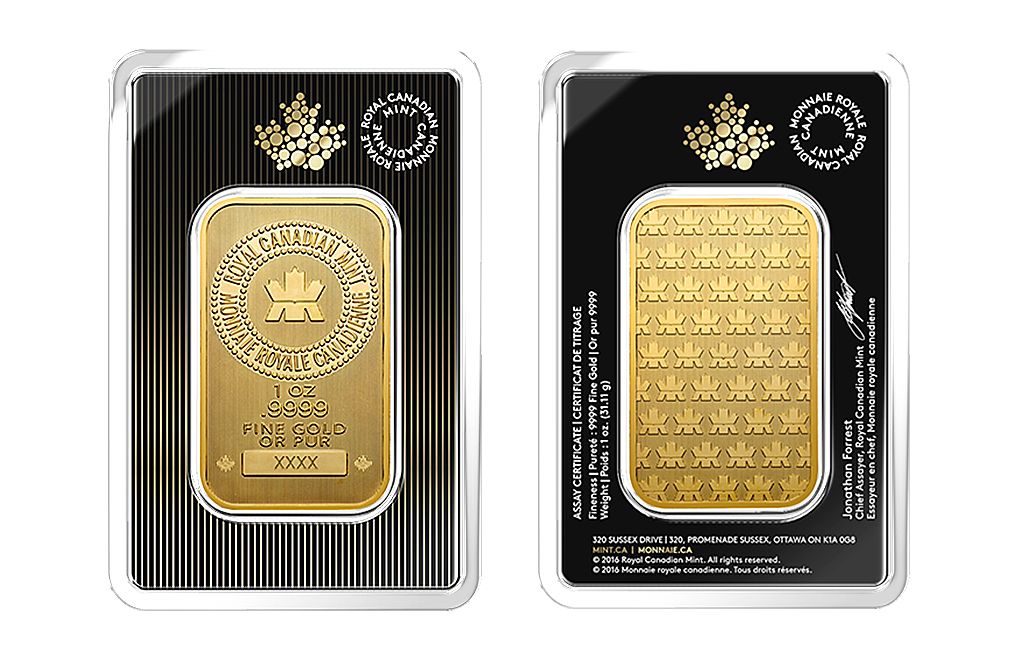
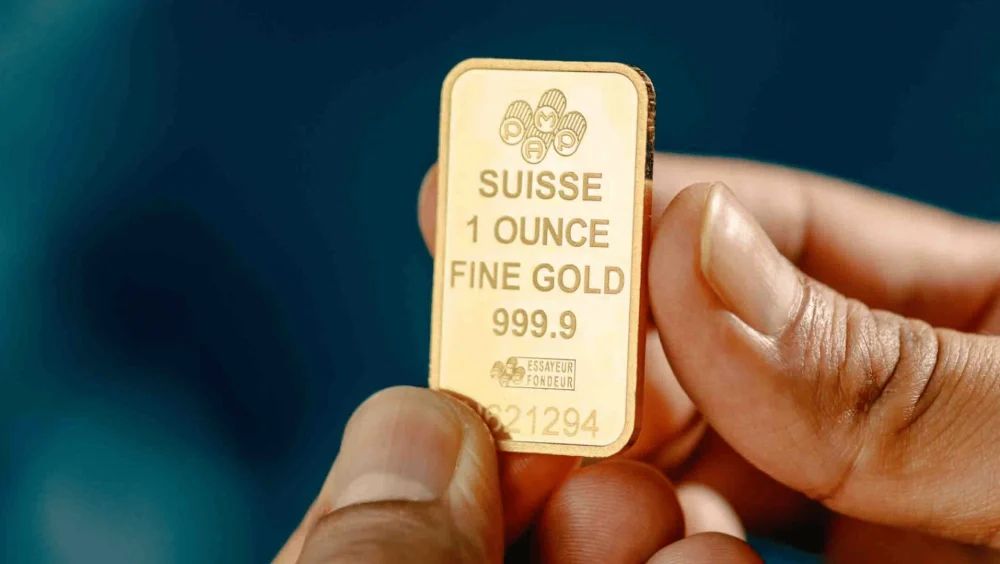
One ounce gold bars are standardized units of investment-grade gold, each containing a minimum of one troy ounce or 31.1 grams of precious metal. In Canada, these bars are commonly produced by the Royal Canadian Mint and other international refiners like PAMP. The primary appeal of a one ounce bar lies in its balance between affordability for individual investors and the efficient storage of value. Unlike collectible coins, most gold bars are valued almost exclusively for their metal content, which results in lower premiums over the spot price of gold. The standard purity for these bars is 99.9% or higher, with many refiners offering 99.99% pure gold bars. This high purity is a key factor in their liquidity and recognition in global bullion markets.
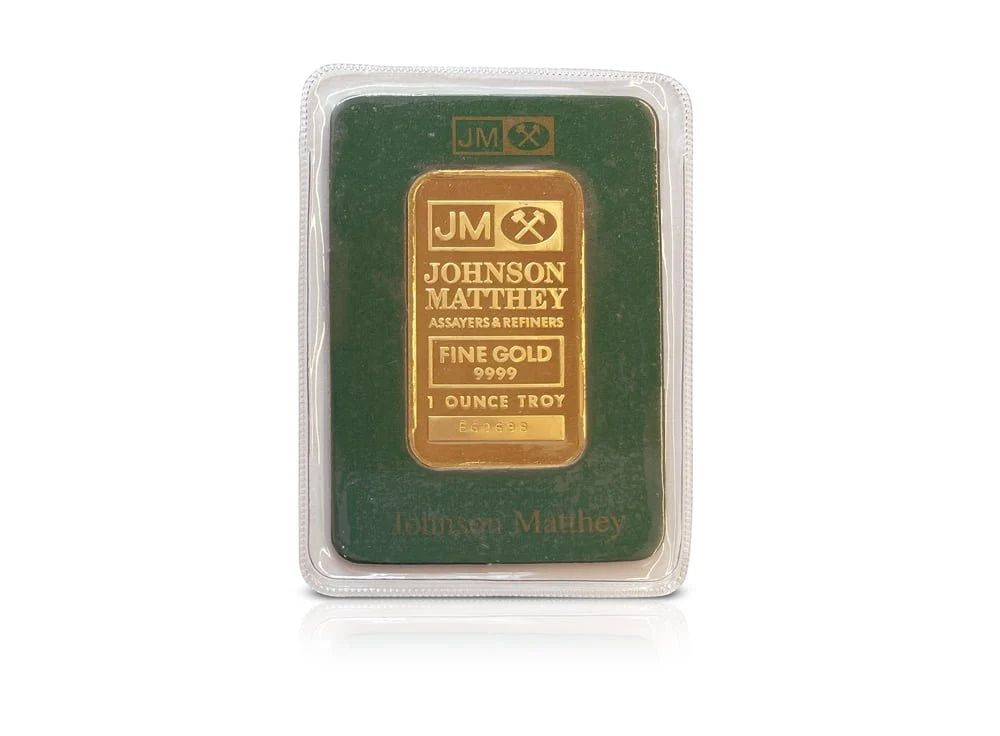
The physical form of a one ounce gold bar is often a small, rectangular wafer or ingot. To ensure authenticity and protect the bar, manufacturers typically seal it in a tamper-proof plastic assay card. This card displays important information such as the weight, purity, serial number, and the refiner's stamp. For bars produced by the Royal Canadian Mint, a notable security feature introduced in 2014 is DNA anti-counterfeiting technology. This technology involves an encrypted registration code within a privy mark that can be read with a special RCM DNA Bullion reader. This level of security provides investors with confidence in the authenticity of their purchase, which is a critical consideration when transacting in physical precious metals.
Pricing and Premiums for Canadian Investors
The price of a one ounce gold bar in Canadian dollars is determined by two main components: the live spot price of gold and the dealer's premium. The spot price is the global market price for one ounce of gold, which fluctuates constantly based on international supply, demand, and macroeconomic factors. The premium is an additional cost that covers the minting, refining, packaging, and dealer margin. Premiums on gold bars are generally lower than those on sovereign minted coins like the Canadian Gold Maple Leaf, making bars a cost-effective way to acquire physical gold. As observed in the market, prices can vary significantly between dealers and for different bar brands.
Several factors influence the final price an investor pays. The brand and reputation of the refiner, such as the Royal Canadian Mint or PAMP, can command a slightly higher premium due to their global recognition and trust. Limited edition or themed bars, like the PAMP Lunar Legends series, often carry higher premiums due to their collectible nature and scarcity. Furthermore, purchasing bars in larger quantities can reduce the effective premium per ounce. Many Canadian dealers offer tiered pricing where the per-unit cost decreases when buying multiple bars at once. It is common practice for dealers to update their listed prices in real-time to reflect changes in the spot market, ensuring transparency for the buyer.
How to Buy Gold Bars in Canada
Canadian investors can purchase one ounce gold bars through several channels, including online bullion dealers, local coin shops, and some financial institutions. The process typically involves selecting the desired bar, verifying the current price inclusive of premiums, and completing a purchase. Reputable dealers will clearly list the weight, purity, brand, and condition of each bar. Many dealers require customers to provide government-issued identification for order verification as part of standard anti-money laundering protocols. This step is mandatory before an order can be processed and shipped. Payment methods vary by dealer but commonly include wire transfer, Interac e-Transfer, and sometimes credit cards.
Some payment methods may incur additional processing fees, which can affect the total cost. Dealers often recommend using wire transfers or e-Transfers to minimize these extra costs. Once payment is confirmed, the dealer will ship the bar. Reputable dealers across Canada offer fully insured and discreet shipping services, with packages requiring a signature upon delivery for security. Many also offer the option for local pickup at their physical store locations in major cities like Vancouver and Toronto.
- Select a reputable dealer with clear pricing and inventory.
- Choose your specific one ounce gold bar from available brands.
- Provide required government-issued ID for verification.
- Complete payment via a method like wire transfer or Interac e-Transfer.
- Arrange for insured, trackable shipping or local store pickup.
- Inspect the bar and its assay card upon receipt.
Taxation and Legal Considerations
A significant advantage of investing in gold bars in Canada is their favourable tax treatment. This exemption makes physical gold bars a tax-efficient investment compared to many other tangible goods. The tax status applies regardless of whether the bar is produced domestically by the Royal Canadian Mint or imported from an international refiner, as long as it meets the purity threshold. There are no annual ownership limits or reporting requirements for individuals buying and holding gold bars in Canada for investment purposes.
However, transactions may be subject to standard financial regulations aimed at preventing money laundering. This is why dealers require customer identification for substantial purchases. When selling gold bars back to a dealer, any capital gain realized from an increase in the value of the gold since purchase is generally subject to capital gains tax. It is the responsibility of the investor to report such gains on their personal income tax return. The original purchase receipt and assay card are important documents for establishing the cost base for tax purposes.
Storage, Security, and Authenticity
Proper storage is crucial for protecting both the physical condition and the value of one ounce gold bars. The recommended method is to keep the bar in its original, hermetically sealed assay card. This packaging protects the bar from scratches, fingerprints, and environmental damage while preserving the authentication details. For larger holdings, investors often use a home safe, a safety deposit box at a bank, or a professional third-party bullion storage facility. These facilities offer high-security vaults and often include insurance coverage for the stored metals. Maintaining authenticity is paramount for preserving value and ensuring a smooth sales process later.
Investors should only purchase bars from reputable, licensed dealers who source their inventory directly from mints and refiners. The assay card provides the first line of verification with its stamped details. For Royal Canadian Mint bars with DNA technology, the unique encrypted code offers an advanced authentication method. When considering selling a bar, dealers will verify its authenticity using precise scales, ultrasonic testers, and sometimes specialized spectrometers. Keeping all original purchase documentation, including receipts and assay cards, not only helps with authentication but also simplifies the sales process and tax reporting in the future.
Comparing Bars to Coins and Other Sizes
One ounce gold bars are one option within a broader spectrum of physical gold products. A common comparison is between gold bars and gold coins, such as the Canadian Gold Maple Leaf. While both contain one ounce of .9999 pure gold, coins are legal tender issued by a sovereign mint and often carry higher premiums due to their detailed designs, collectibility, and wider recognition. Bars are generally more minimalist in design and focus on low-premium metal content. For many investors focused solely on the value of the metal, bars present a more cost-effective entry point. Gold is also available in a wide range of weights to suit different investment scales and strategies, with dealers commonly offering sizes both smaller and larger than one ounce.
| Weight | Common Form | Typical Use Case |
|---|---|---|
| 1 Gram | Small bar | Low-cost entry, gifting |
| 1/2 Ounce | Coin or bar | Fractional investing |
| 1 Ounce | Bar or coin | Standard investment unit |
| 10 Ounce | Bar | Larger investment, lower premium per ounce |
| 1 Kilogram (32.15 oz) | Large bar | Substantial holdings, institutional investing |
Purchasing larger bars, such as 10 ounce or one kilogram sizes, usually results in a lower premium per ounce compared to buying multiple one ounce bars. However, larger bars are less divisible and may be less liquid for investors wishing to sell a portion of their holdings. The one ounce bar strikes a balance, offering a manageable size and good liquidity for individual investors. One ounce gold bars are made from investment grade gold and each one weighs a minimum of 1 troy ounce, or 31.1 grams. They are refined to a purity of 99.9 percent or higher. Many dealers offer one ounce gold bars in Canada from various mints and refiners.
Selling Your Gold Bars in Canada
When the time comes to sell a one ounce gold bar, the process in Canada is generally straightforward. Most bullion dealers that sell gold also offer buyback services. The price offered will be based on the current spot price of gold, often minus a small buyback fee or spread. Reputable dealers provide transparent pricing and will typically evaluate the bar based on its weight, purity, and condition. Bars that are still sealed in their original, undamaged assay cards are usually easier to sell and may command a slightly better price, as their authenticity is more readily verifiable. Sellers have the option to visit a dealer's physical location for an immediate appraisal and payment or to ship the bar securely to the dealer. For shipped sales, it is critical to use the dealer's recommended insured and trackable shipping method to protect the valuable asset during transit.
Before shipping, sellers should obtain a quote from the dealer and understand the complete process. This includes how the final price is calculated based on prevailing market rates and the timeline for payment after the bar is received and verified. Having the original purchase receipt can be helpful for establishing a history of the bar's origin, though it is not always required. The entire selling process is designed to be quick and transparent for investors. Dealers test bars for purity and authenticity using verification equipment prior to purchase.
Frequently asked questions
What is the difference between a gold bar and a Gold Maple Leaf coin?
Both contain one ounce of .9999 pure gold. The key differences are form and premium. The Gold Maple Leaf is an official legal tender coin minted by the Royal Canadian Mint, often with detailed designs and advanced security features like DNA technology, which can result in a higher premium. A gold bar is a simpler ingot, generally focused on low-premium metal content, though RCM bars also feature high-security packaging.
How do I know if my gold bar is real?
Purchasing from a reputable, licensed dealer is the first step. Authentic bars come sealed in a tamper-proof assay card from the refiner, displaying weight, purity, and a serial number. For Royal Canadian Mint bars produced from 2014 onward, DNA anti-counterfeiting technology provides an encrypted registration code that can be verified with a special reader. Dealers also use professional testing equipment to verify bars they buy and sell.
Are one ounce gold bars a good investment?
One ounce gold bars are considered a good investment for storing wealth and hedging against inflation. They are made from investment grade gold refined to a purity of 99.9 percent or higher. Gold bars typically carry lower premiums over the spot price compared to gold coins, making them a cost effective way to own physical bullion. Buying in larger quantities can further reduce the premium per ounce, increasing potential returns. As a tangible asset, gold has historically maintained value during economic uncertainty, though its price fluctuates based on market conditions.
How much does a 1 oz gold bar cost in Canada?
The cost of a one ounce gold bar in Canada varies based on the current market spot price and the dealer's premium. Specific observed prices include the 1 oz Royal Canadian Mint Gold Bar at approximately 6,081.76 CAD and other assorted 1 oz bars starting as low as 5,966.45 CAD. Premiums are influenced by factors like the mint or refiner brand, packaging, and scarcity. Dealers update their prices in real time with market changes, and purchasing multiple bars often results in a lower price per ounce.
Do I pay tax when buying gold bars in Canada?
No, you do not pay the federal Goods and Services Tax or Harmonized Sales Tax when buying investment grade gold bars in Canada. This tax exemption applies specifically to gold bars with a purity of .995 fineness or higher, which includes all standard one ounce investment bars. This makes physical gold bars a tax efficient investment vehicle. The exemption is a national policy, so it applies regardless of the province or territory where the purchase is made.
Where is the best place to buy gold bars in Canada?
The best place to buy gold bars in Canada is from reputable bullion dealers that offer transparent pricing and insured shipping. Many established dealers operate online and have physical locations in cities like Vancouver and Toronto for local pickup. A trustworthy dealer will source bars directly from licensed mints and refiners, provide real time CAD pricing, and require government issued identification for order verification. They also often offer secure, discreet shipping across Canada with signature required delivery.
Sources and further reading
- Silver Prices and Rates canadagold.ca
- Buy Gold Bars Online aubullion.ca
- 1 oz Gold Bar, Royal Canadian Mint online.kitco.com
- 1 Oz Gold Bar Price & Bullion Buying in Canada: Full Guide goldstockcanada.com
This article explains how things work and is not financial, tax or legal advice. Rules, limits and rates change, so check the current figures with the Canada Revenue Agency, your province or your financial institution before you act.