Free credit monitoring services in Canada provide regular alerts about changes to your credit report without a monthly fee. These services are offered by financial technology companies like Borrowell and Credit Karma, which partner with the major credit bureaus. Canadians can use these tools to detect potential identity theft early and track their credit score progress. Accessing these services is a practical step for financial awareness, complementing the free credit reports available directly from Equifax and TransUnion.
What Credit Monitoring Services Do
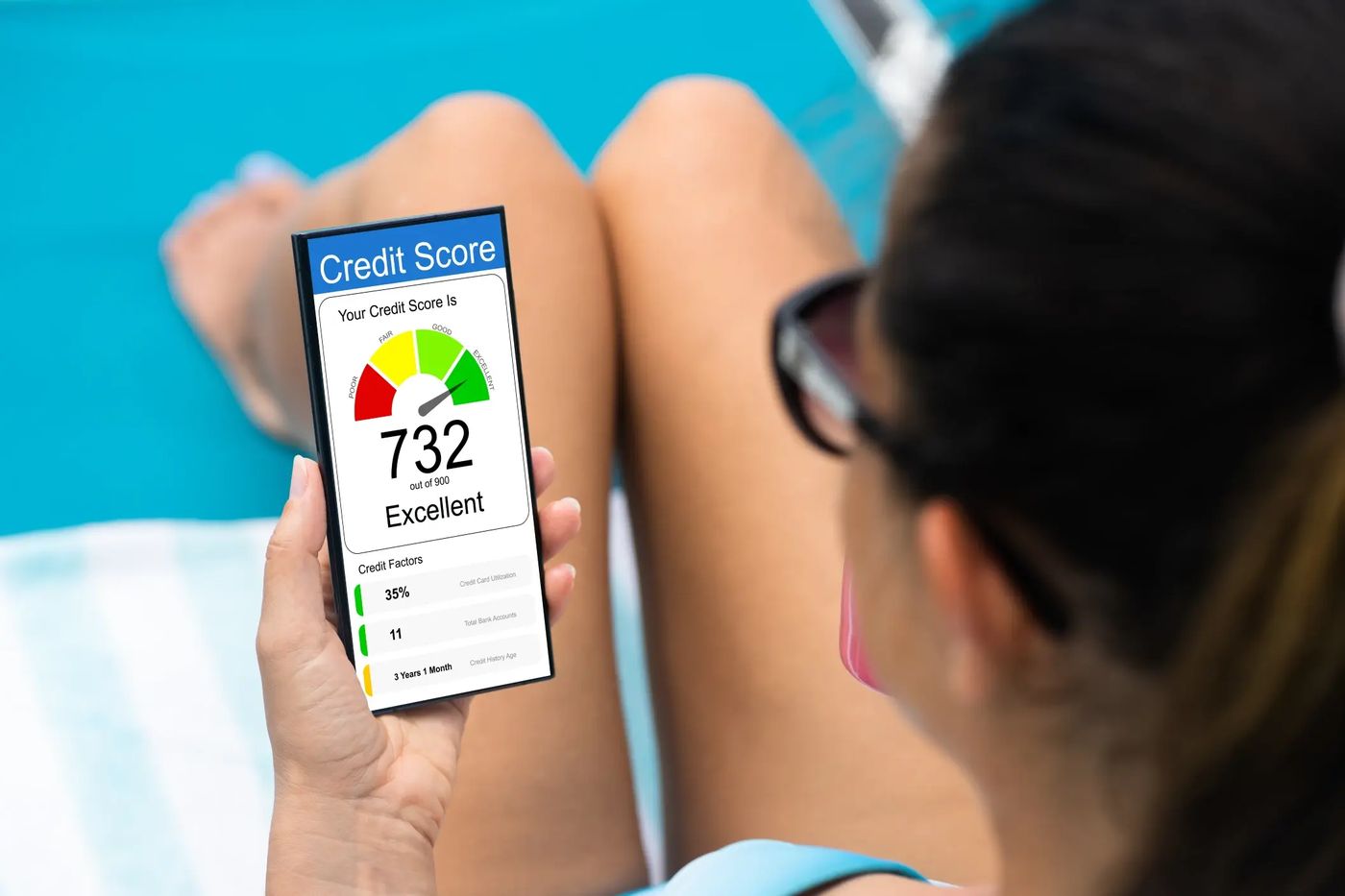
Credit monitoring services track changes to your credit file and send alerts by email or text when specific activities occur. These alerts notify you of new credit inquiries, newly opened accounts, updates to your credit score, or changes to your personal information on file. This constant surveillance helps you spot errors or fraudulent activity quickly, such as a credit card being issued in your name without your knowledge. The service itself does not prevent fraud but provides the early warning needed to take corrective action. The two major credit reporting bureaus in Canada, Equifax and TransUnion, compile the credit reports that these services monitor. Your credit report contains your credit history, identity details, credit inquiries, and public records like bankruptcies. A reliable service will alert you to changes in any of these records, enabling you to verify their accuracy. For instance, an alert about a hard inquiry from a lender you did not contact is a potential red flag for identity theft.
Free Versus Paid Credit Monitoring
Canadians have access to both free and paid options for credit monitoring, each with different features. Paid subscription services, which typically cost between $10 and $24.95 per month, are offered directly by Equifax, TransUnion, and other private companies like IDShield, ID Assist, and Telus. These paid plans often include identity theft insurance, scans of fraudulent websites for your data, lost wallet assistance, and more comprehensive identity restoration services. In contrast, free credit monitoring is provided by financial technology companies such as Borrowell, Credit Karma, and Mogo. These free services are supported by advertising and provide personalized product recommendations from partner companies. They generally monitor your report from one credit bureau, whereas paid services may offer monitoring from both. Paid services sometimes start with a 30-day free or discounted trial, but require payment information upfront and charge automatically if not cancelled.
Subscribing to any credit monitoring service is considered a soft inquiry and will not affect your credit score. The Equifax credit score provided through its services is a proprietary model developed by Equifax Canada and is for educational use, as lenders may use different scores. For residents of Quebec, identity theft insurance is not available for new product purchases with some providers, though it may be included if redeeming a code. Web-only offers from Equifax state that only one discounted product is available in a 180-day period, and cancellations do not come with partial month refunds. The data for services provided through the myEquifax platform is stored in the United States by its affiliate, Equifax Consumer Services LLC.
How to Get Free Credit Reports in Canada
All Canadians are entitled to obtain their credit report for free from both national credit bureaus. You can request your report online, by phone, or by mail directly from Equifax and TransUnion. It is advisable to get your report from both bureaus since creditors may report information to one and not the other. If you request your report online and cannot answer all the security questions, the bureau can mail you a copy instead. Equifax also provides a free credit score online, though this score is an educational estimate using a proprietary model. TransUnion generally charges a fee to provide a credit score to consumers, but offers a free Consumer Disclosure for residents of Quebec and Ontario. Requesting your own credit report or score is considered a soft inquiry and does not affect your credit rating.
You can also obtain your free credit report by calling the bureaus directly. The process involves answering automated questions to verify your identity before the report is mailed to you. It can take up to three weeks for the physical report to arrive. If the information you provide does not match the bureau's records, the request may not be processed, and you should try an alternative method. The ability to access these reports at no cost is a foundational right for Canadian consumers, allowing for annual reviews of their credit health. Some banks also provide free access to credit scores and monthly reports as part of their account packages.
- Equifax provides free online access to credit reports for all provinces and territories.
- TransUnion provides free online access to credit reports, with a free Consumer Disclosure for Quebec and Ontario residents.
- Equifax toll-free number for mailed reports: 1-888-527-8999.
- Reports are mailed if online verification fails.
- It is recommended to check both Equifax and TransUnion reports annually.
- The free credit score from Equifax is an estimate, not necessarily the score lenders see.
Details of Major Free Monitoring Services
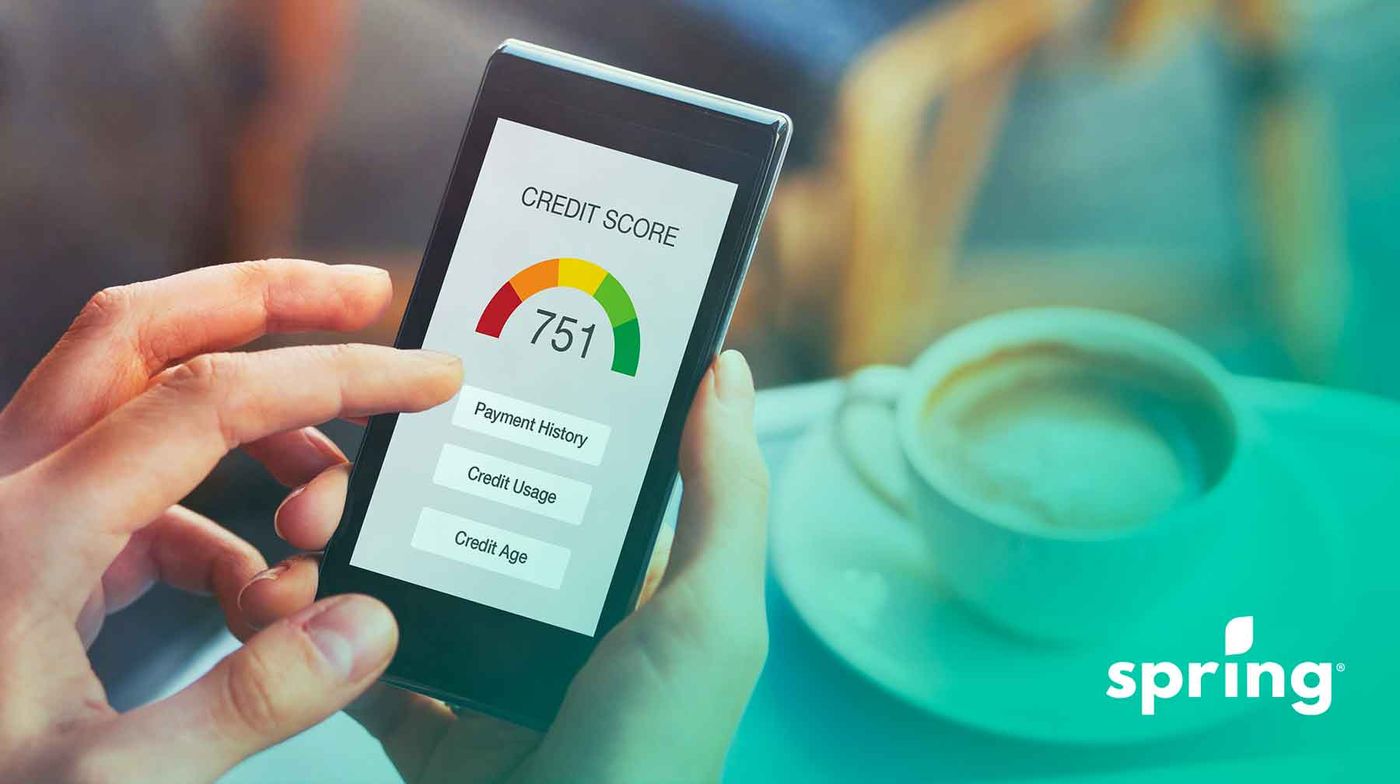
Several Canadian fintech companies offer free credit monitoring by providing access to data from one of the two major credit bureaus. Borrowell, founded in 2014, was the first financial institution in Canada to offer free credit scores and has over one million members. It provides weekly monitoring updates and alerts based on your Equifax credit report and score. Borrowell sends personalized product recommendations from partner companies, though there is no obligation to apply for them. The service is accessible via a website or mobile apps available on the App Store and Google Play Store. Credit Karma offers similar free monitoring, providing your credit score and reports along with educational articles and a secure connection. Mogo is another provider that offers a free credit monitoring service, acting as a runner-up in the Canadian market. These services only monitor one credit bureau's data, so to get coverage from both Equifax and TransUnion, you would need to sign up with more than one provider.
The primary benefit of these free services is the automated alert system that notifies you of changes, which can be crucial for fraud detection. A 2022-23 survey by the federal Office of the Privacy Commissioner found that 47 percent of Canadians are extremely concerned about identity theft, and 91 percent expressed some level of concern. These services help address that concern by providing visibility into credit file changes. The alerts can inform you when a lender pulls your records during a hard inquiry, when a new credit account is opened, or when your credit score is updated. This makes it easier to keep an eye on your finances and avoid the negative impacts of identity theft. However, these free services may use your information to advertise financial products to you, which is how they operate without charging a fee.
The Role of Banks and Identity Theft Protection
Some Canadian banks and credit unions offer credit monitoring as an optional service, sometimes at no additional charge to account holders. For example, RBC provides its clients with access to FirstReport-ID and FirstReport-Advantage, which include credit monitoring and identity theft protection services with a free 30-day trial. These bank-offered services often include features like quarterly credit reports from Equifax Canada, daily alerts for suspicious activity, and even identity restoration support. FirstReport-Advantage offers step-by-step support, legal advice, emergency cash assistance, and help with changes to pre-authorized payments for victims of identity theft. The technology behind FirstReport safeguards more than 500,000 Canadians against identity theft and online fraud. Identity theft insurance is a common component of paid plans, though for residents of Quebec, this feature may not be available for new product purchases. The insurance is typically underwritten by companies like American Bankers Insurance Company of Florida.
These comprehensive services monitor public, underground, and black market websites as well as credit bureau files for your personal information, such as your name, Social Insurance Number, address, and financial details. They can provide a detailed report on your financial history, highlighting suspicious activity that may have occurred months or even up to ten years prior. Given that approximately one in three Canadians has fallen victim to financial fraud, with people aged 18 to 24 being the most likely targets, these protective measures are increasingly relevant. Identity thieves can steal information through data breaches, phishing emails, malware, and stolen mail. While credit monitoring provides alerts, it is part of a broader strategy that includes being careful with cards, passwords, and personal information to help minimize risk.
Limitations and Considerations for Users
While credit monitoring is a useful tool, it has important limitations that Canadians should understand. The service does not improve your credit score. Only responsible credit use and repayment over time can achieve that. It also cannot prevent fraudulent activity from occurring in the first place. The free credit scores provided by services like Equifax online or through fintech apps are educational estimates and may differ from the scores lenders use when evaluating your creditworthiness. Lenders consider many factors beyond a credit score, including the full details of your credit file and your application information. Furthermore, signing up for a monitoring service involves a soft inquiry, which does not impact your credit score. Credit monitoring alone will not stop someone from using your Social Insurance Number or banking information fraudulently.
Users of free services should be aware that their personal information may be used to advertise financial products to them, as this is how these companies generate revenue. Paid services often require you to provide payment information upfront, even for free trials, and will charge automatically if not cancelled. For instance, Equifax states that only one discounted product is available in a 180-day period for web-only offers. It is crucial to read the terms, as cancellation may not result in a partial month refund. Data for services provided through Equifax's myEquifax platform is stored in the United States by its affiliate, Equifax Consumer Services LLC. Under certain circumstances, access to your Equifax credit report through such a platform may not be available, and if a paid product fails and no remedy exists, the subscription is cancelled with a full refund.
| Service Type | Cost | Key Features | Credit Bureau Data |
|---|---|---|---|
| Free Fintech Service (e.g., Borrowell) | Free | Weekly alerts, credit score, product ads | One bureau (e.g., Equifax) |
| Paid Bureau Service (e.g., Equifax) | $10 - $24.95/month | Frequent report access, identity theft insurance, website scans | Often both bureaus |
| Bank-Offered Service (e.g., RBC FirstReport) | Sometimes free for clients, or paid | Quarterly reports, daily alerts, restoration support | Typically one bureau (e.g., Equifax) |
| Direct Free Report | Free | One-time report by mail/online, no alerts | Chosen bureau |
When Credit Monitoring is Most Useful
Credit monitoring can be particularly valuable for Canadians in specific situations where vigilance over credit activity is heightened. It is a good option for individuals who believe their personal information, such as their name, financial details, or Social Insurance Number, has been compromised in a data breach. It is also useful for those who have experienced a lost or stolen credit card or wallet, as it can alert you to any new accounts opened fraudulently. People who are actively building or repairing their credit can use monitoring to track their score progress in real time, which can serve as a motivator. Those anticipating a major credit application, like a mortgage or car loan, may use monitoring to ensure their report is accurate and their score is optimal before applying.
The constant monitoring and timely alerts enable you to react quickly if you receive notification of unusual or unexpected changes. For example, if a hard inquiry appears from a lender you did not contact, you can immediately follow up with that lender and the credit bureaus to investigate. This swift action can limit the damage caused by identity theft. A credit monitoring service may also provide peace of mind for the nearly half of Canadians who are extremely concerned about identity theft. However, it is not a substitute for other prudent financial habits, such as reviewing bank statements regularly, using strong passwords, and being cautious with personal information online and offline.
Frequently asked questions
Are credit monitoring services free in Canada?
Yes, there are free credit monitoring services available in Canada offered by fintech companies like Borrowell, Credit Karma, and Mogo. These services provide alerts based on your credit report from one bureau, usually Equifax. They are supported by advertising and may offer personalized product recommendations. Canadians can also get their credit reports for free directly from Equifax and TransUnion without a monitoring service.
What is the difference between Equifax and TransUnion for free reports?
Both Equifax and TransUnion must provide your credit report for free upon request. Equifax also offers a free credit score online, while TransUnion typically charges for a credit score. TransUnion provides a free Consumer Disclosure specifically for residents of Quebec and Ontario. It is recommended to get reports from both bureaus as they may contain different information, since not all creditors report to both.
Does using a credit monitoring service hurt my credit score?
No, using a credit monitoring service does not hurt your credit score. Checking your own credit report or score is considered a soft inquiry, which does not affect your credit rating. Only hard inquiries, initiated by lenders when you apply for credit, can have a minor, temporary impact on your score. Credit monitoring services are designed for consumer education and fraud detection.
Can credit monitoring prevent identity theft?
Credit monitoring cannot prevent identity theft from occurring. Its primary function is to alert you quickly to changes on your credit report, such as new accounts or inquiries, which may indicate fraudulent activity. This early warning allows you to contact lenders and credit bureaus to dispute the activity and limit the damage. Prevention relies on safeguarding your personal information through other means.
How often should I check my credit report?
It is advisable to check your credit report from both Equifax and TransUnion at least once a year, which you can do for free. Using a free credit monitoring service automates this process by providing weekly or daily alerts about any changes. Regular checks help you spot errors, track your financial progress, and detect signs of identity theft early. Many Canadians review their reports more frequently when planning to apply for a major loan.
What should I do if I find an error on my credit report?
If you find an error on your credit report, you should contact the credit bureau that issued the report, either Equifax or TransUnion, to dispute the information. You will need to provide documentation to support your claim. The bureau is required to investigate your dispute and correct any inaccurate information. It is also wise to contact the creditor associated with the error to resolve the issue at the source.
Sources and further reading
- Equifax: Check & Monitor Your Credit Report and Credit Score equifax.ca
- 5 best credit monitoring services Canada: Top Fraud ... thestar.com
- Are Credit Monitoring Services Worth It? nerdwallet.com
- Identity Theft & Credit Protection rbcroyalbank.com
- Free Credit Report in Canada: 3 Ways to Get Yours | CCS nomoredebts.org
This article explains how things work and is not financial, tax or legal advice. Rules, limits and rates change, so check the current figures with the Canada Revenue Agency, your province or your financial institution before you act.