Currency exchange in Toronto involves converting Canadian dollars into foreign currency or vice versa, a common need for travel, business, and personal finance in Canada's most international city. Numerous services operate across Toronto, including banks, dedicated foreign exchange boutiques, and airport kiosks, each offering different rates and levels of convenience. Understanding how exchange rates work and where to find competitive deals is essential to avoid excessive fees and poor conversion values. This guide explains the practical aspects of exchanging money in Toronto, from the types of providers to the process of securing a favourable rate.
Understanding Exchange Rates and the Mid-Market Rate
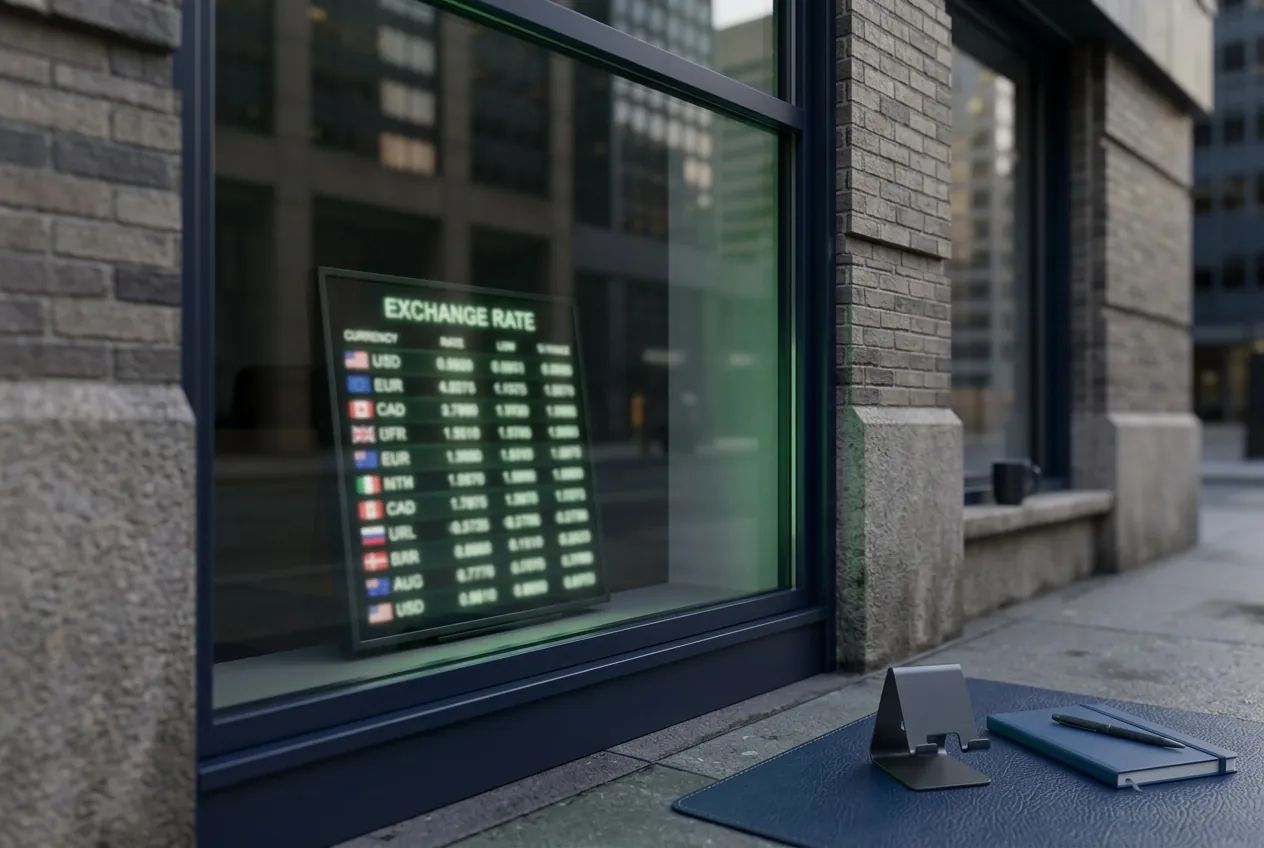
The foundation of any currency transaction is the exchange rate, which is the price at which one currency can be purchased or sold for another. This rate fluctuates constantly throughout the day based on global financial markets. Financial institutions typically use a retail exchange rate for customer transactions, which differs from the wholesale rate used between large banks. The most important benchmark for consumers is the mid-market rate, also known as the interbank or real rate. This is the rate at which banks trade currencies amongst themselves on the global market and is the same rate found on financial data websites and Google. No retail customer receives the pure mid-market rate, as providers add a margin or spread to it for their service. However, checking the current mid-market rate before an exchange provides a crucial benchmark to evaluate how competitive a quoted rate truly is, helping to identify excessive margins or hidden fees. For services where the provider sets the rate, such as cash purchases or wire transfers, they will quote their applicable exchange rate and you may choose whether to proceed. For other services like debit or credit card use abroad, the exchange rate is set by the card network and your financial institution, not the local provider.
Major Types of Currency Exchange Providers in Toronto
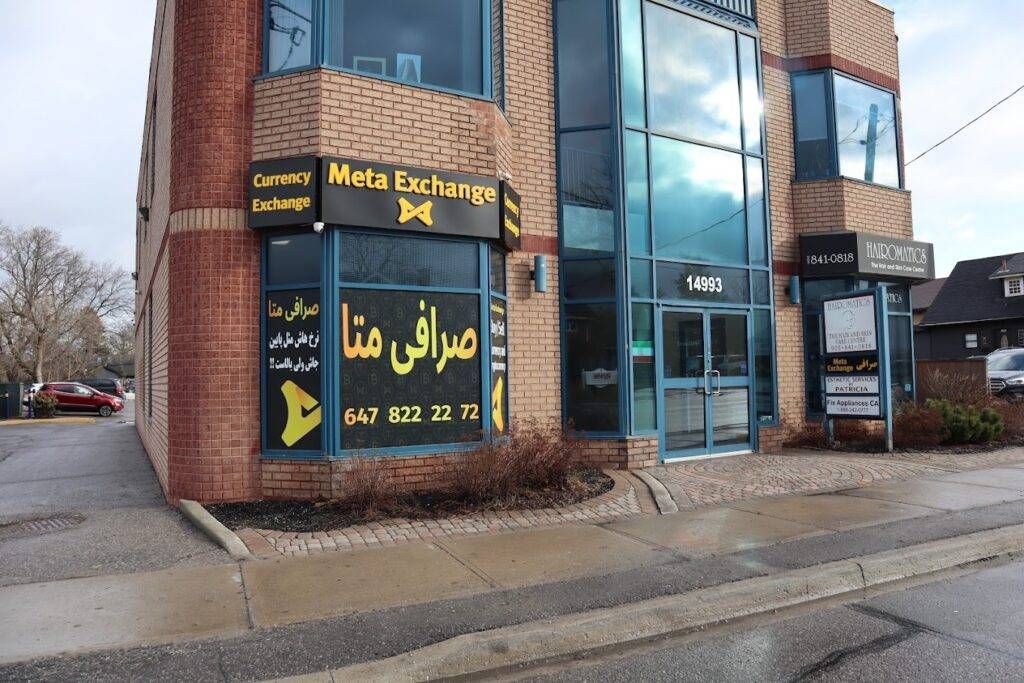
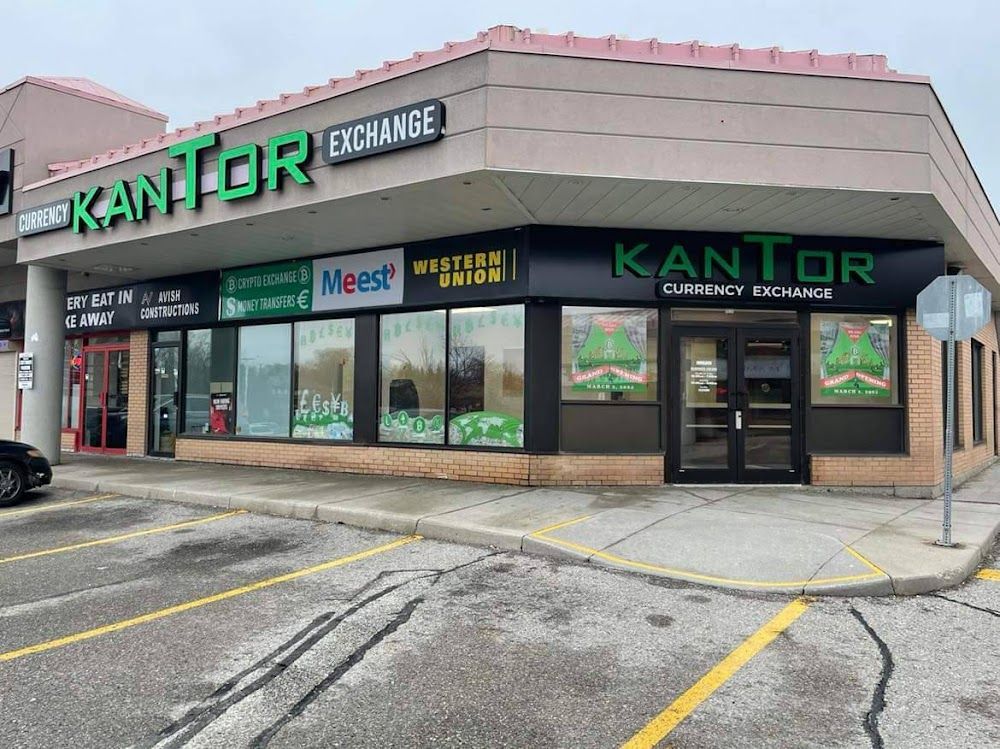
Toronto residents and visitors have access to several distinct types of currency exchange services, each with different operational models. Major Canadian chartered banks, such as TD Canada Trust, offer foreign exchange services at their branches, online, and by phone. Banks typically offer a wide range of over 50 currencies but may require 3 to 7 business days to order less common ones for branch pickup. TD Foreign Exchange Centres, a specialized service within the bank, have over 50 foreign currencies and precious metals available on hand for immediate purchase. Dedicated foreign exchange boutiques, like Kantor Currency Exchange or Interchange Currency Exchange, specialize in this service and often operate storefronts in commercial areas. These independent providers frequently advertise more competitive rates than banks and may hold a larger inventory of physical currency, sometimes offering over 70 different foreign currencies. Airport currency exchange kiosks, such as those operated by International Currency Exchange (ICE) at Toronto Pearson Airport (YYZ), offer high convenience for travellers but often have less favourable rates due to lower competition and higher operating costs. ICE promotes a Click & Collect service to reserve currency online and pay on pickup at airport locations. Understanding these provider types is the first step in making an informed choice.
Detailed Services and Ordering Methods
Providers offer multiple channels through which customers can access foreign currency, each with its own procedure. The most common methods are ordering online, visiting in person, or ordering by telephone. For banks like TD Canada Trust, you can place an order through EasyWeb online banking or the TD app for pickup at your preferred branch within 3 to 7 business days. You can also call their dedicated line at 1-866-222-3456 to order currency for branch pickup. In a branch, US dollars, euros, and pounds sterling are typically available immediately at most locations, while other currencies must be ordered. Dedicated exchange services like Interchange or ICE also allow online ordering, with ICE focusing on airport pickup at major hubs like Toronto Pearson. Beyond simple cash exchange, many providers offer additional services. These include sending money abroad via wire transfers, converting and holding funds in foreign currency accounts, and for banks, offering related products like travel insurance. It is important to review the specific currency and service availability for each provider, as not all services are offered at all locations or for all currencies.
Step-by-Step Process for Exchanging Currency
Exchanging currency in Toronto generally follows a standard process whether you use a bank or a dedicated service. The first step is to research and compare the exchange rates offered by different providers for your specific currency pair, using the mid-market rate as a reference. For cash exchanges, you must then visit a physical location, such as a bank branch, a boutique like Kantor on Runnymede Road, or an airport kiosk. If you require a less common currency or a large amount, you may need to order it in advance, which can take several business days for delivery to a branch. When conducting the transaction, you will need to present valid government-issued photo identification, such as a driver's licence or passport, as per standard security protocols. The provider will then quote you the final exchange rate and any applicable fees before completing the transaction and providing you with the foreign cash and a formal receipt. For non-cash transactions, such as wire transfers or converting funds within a bank account, the process is handled electronically based on the rate in effect when the transaction posts. When you return from travel, you can exchange unspent foreign currency cash back to Canadian dollars at any branch of the institution that sold it to you, though the rate will be different for the buy-back transaction.
Locations and Operational Details of Key Providers
Currency exchange services are widely distributed across Toronto, with concentrations in downtown cores, major shopping centres, and transportation hubs. Dedicated boutiques like Ultimate Currency Exchange are located at 2502 Yonge Street and are open Monday through Saturday from 10:00 AM to 5:00 PM. Kantor Currency Exchange operates a branch at 121 Runnymede Road with hours from 10:00 AM to 6:00 PM on weekdays and 10:00 AM to 3:00 PM on Saturdays. Interchange Currency Exchange has an office in the busy Yonge and Dundas area and can be contacted at 1-888-972-7799. Banks have the most extensive networks, with TD Canada Trust, for example, having numerous branches and ATMs across the city, including a specific branch at 3401 Dufferin St., Unit 32C, with hours from 9:30 AM to 8:00 PM on weekdays, 10:00 AM to 6:00 PM on Saturdays, and 11:00 AM to 5:00 PM on Sundays. For travellers, International Currency Exchange (ICE) operates booths at Toronto Pearson Airport, such as in Terminal 3 on the Departures level before security, with hours from 4:00 AM to 11:00 PM daily. Another airport location at 6300 Silver Dart Drive has hours from 4:00 AM to 10:00 PM. It is important to note that locations in high-traffic tourist areas like the Eaton Centre may offer convenience but are often criticized for less competitive rates, underscoring the value of checking rates in advance.
Common Currencies and Ordering Timelines
The availability of specific foreign currencies and the time required to obtain them depend heavily on the provider. Most major banks and exchange services stock popular currencies like US dollars (USD), Euros (EUR), and British pounds sterling (GBP) on hand at many locations. For a broader range of over 50 or even 70 currencies, such as Costa Rican colóns or Cuban convertible pesos (CUC), ordering in advance is usually necessary. Banks typically advertise a 3 to 7 business day timeline for ordered currency to arrive at a selected branch for pickup. Dedicated exchange boutiques may have a more extensive ready inventory of less common currencies due to their specialization. The table below outlines the general currency availability and ordering expectations for different provider types.
| Provider Type | Typical Currencies On Hand | Order Timeline for Other Currencies | Total Currencies Offered |
|---|---|---|---|
| Major Banks (e.g., TD) | USD, EUR, GBP at most branches | 3-7 business days for delivery to branch | Over 50 currencies |
| Dedicated Bureaux (e.g., Kantor) | Wider selection, e.g., Cuban CUC | Often same-day for many, varies by location | Over 70 currencies |
| Airport Kiosks (e.g., ICE) | Major travel currencies (USD, EUR, GBP) | Limited ordering. Primarily immediate cash | Over 60 currencies available to order |
| TD Foreign Exchange Centres | Over 50 currencies and precious metals | Immediate purchase for on-hand inventory | Over 50 currencies |
Planning ahead is crucial if you need a specific foreign currency that is not among the most commonly traded. Boutique exchange services like Kantor Currency Exchange offer more than 70 foreign currencies. Customer reviews highlight Kantor's ability to supply currencies like Chinese yuan or Vietnamese dong without a long wait. In contrast, standard banks typically require ordering such currencies in advance, which can take several business days.
Fees, Commissions, and Identifying the Total Cost
The total cost of a currency exchange is not always transparent, as it can be embedded in the exchange rate margin, charged as a separate commission, or both. Some providers advertise services with 'zero commission' or 'no fees,' which means they profit solely from the difference between the rate they pay to acquire the currency and the rate they charge you, known as the spread. It is essential to compare the final amount of currency you will receive against the mid-market rate to understand this cost. Airport and hotel exchange services are frequently cited as having higher overall costs due to wider spreads and a captive audience of travellers. When using debit or credit cards for foreign transactions or ATM withdrawals abroad, different exchange rates and fees apply, as set by the card networks and your financial institution. These are separate from cash exchange rates and are detailed in cardholder agreements. A specific pitfall with ATMs is dynamic currency conversion, where you are offered to be charged in your home currency. This uses an unfavourable bank-assigned rate, and it is generally better to choose to be charged in the local currency. Always ask for the final transaction total in Canadian dollars before proceeding to understand the full cost.
Frequent Mistakes to Avoid When Exchanging Money
Several common errors can lead to Canadians receiving poor value when exchanging currency. A primary mistake is not checking the mid-market rate beforehand, leaving you unable to assess if a quoted rate is fair. Exchanging large sums of money at airports or hotels out of convenience often results in significantly worse rates due to limited competition and higher operational margins. Another error is neglecting to inquire about the full fee structure, assuming a 'no commission' sign means there is no cost. When using ATMs abroad or for foreign currency, a frequent pitfall is accepting dynamic currency conversion, where the ATM or merchant offers to charge you in your home currency. This option typically uses an unfavourable exchange rate, and it is almost always better to choose to be charged in the local currency. Finally, failing to plan ahead for less common currencies can force last-minute exchanges at suboptimal locations. Being aware of these common issues can lead to more informed and cost-effective decisions. Additional missteps include not having proper identification ready, which can delay a transaction, and not asking for a formal receipt for the exchange, which is important for record-keeping.
Using Debit Cards, Credit Cards, and ATMs for Foreign Currency
Beyond physical cash exchange, accessing foreign currency through electronic means is common but operates under different rules. When you use a Canadian debit or credit card outside Canada to make a purchase or withdraw cash from an ATM, your financial institution does not set the exchange rate for that transaction. Instead, the rate is determined by the card network (like Visa or Mastercard) and your bank, and additional fees often apply as outlined in your cardholder agreement. This is a distinct process from walking into a branch or bureau to buy foreign cash. Using a Canadian ATM to withdraw foreign cash while abroad may involve fees from both the local ATM operator and your home bank. Some travellers find it advantageous to use ATMs in their destination if their home bank has a partnership with local banks, potentially reducing withdrawal fees. The key decision point at a foreign ATM or point-of-sale is whether to be charged in Canadian Dollars or the local currency. Selecting the local currency ensures the conversion uses the network's exchange rate, which is typically better than the rate offered by the local merchant or ATM operator. This method requires planning and understanding your card's specific foreign transaction fees.
Frequently asked questions
Where can I exchange currency at Toronto Pearson Airport?
Toronto Pearson Airport (YYZ) hosts currency exchange kiosks, primarily operated by International Currency Exchange (ICE). These are located in terminals, such as in Terminal 3 on the Departures level before security, with hours typically running from 4:00 AM to 11:00 PM daily. Another location at 6300 Silver Dart Drive operates from 4:00 AM to 10:00 PM. While convenient for last-minute needs, rates at airport kiosks are generally less competitive than those in the city due to higher operating costs and a captive audience. ICE offers a Click & Collect service to order online and pick up at the airport.
Which places in Toronto have the best exchange rates?
Dedicated foreign exchange boutiques, such as Kantor Currency Exchange and Ultimate Currency Exchange, are often cited by users for offering highly competitive rates compared to standard bank rates. Customer reviews specifically note Kantor for having the best rates for USD to CAD conversions and for currencies like Chinese yuan or Vietnamese dong. These specialized providers focus solely on currency exchange and money transfers, which can allow them to offer narrower margins. It is always recommended to compare the final quoted rate from any provider against the current mid-market rate to determine the best available deal for your specific transaction.
Can I order foreign currency online for pickup in Toronto?
Yes, many providers offer online ordering with in-person pickup. Banks like TD Canada Trust allow customers to order foreign currency through EasyWeb online banking or the TD app for pickup at a selected branch in 3 to 7 business days. You can also order by phone at 1-866-222-3456. Specialized services like International Currency Exchange (ICE) also offer online ordering with pickup options at their airport or branch locations, promoting their Click & Collect service. Interchange Financial allows users to lock in a quote online. This method can provide rate quotes in advance and save time at the physical location.
Do I need identification to exchange currency in Toronto?
Yes, presenting valid government-issued photo identification is a standard requirement for currency exchange transactions in Canada. This is part of anti-money laundering and security protocols followed by all regulated financial institutions and money service businesses. Providers require ID to verify your identity for the transaction record. You should be prepared to show a driver's licence, passport, or other official ID when exchanging cash, regardless of the amount or provider. Customer reviews of services like Kantor note that staff clearly explain why identification is needed as part of a professional process.
How long does it take to get foreign currency from a bank?
For the most common currencies like US dollars, euros, or British pounds, many bank branches have them available for immediate over-the-counter exchange. TD Foreign Exchange Centres have over 50 currencies on hand for immediate purchase. For any of the other 50+ currencies they offer that are not in stock, banks typically require an advance order. The standard timeline quoted by major banks for ordered currency to arrive at your designated branch for pickup is 3 to 7 business days. This applies to orders placed online, by phone, or in person at a branch that does not stock the specific currency.
What is the mid-market rate and why is it important?
The mid-market rate is the real exchange rate used in the global interbank market where financial institutions trade currencies with each other. It is the benchmark rate found on financial data services and Google. No consumer service offers this exact rate, as they add a margin for profit. However, checking the mid-market rate before an exchange gives you an objective standard to measure the fairness of any retail rate you are quoted, helping you identify excessive spreads or hidden costs. It is the only real rate and serves as the essential tool for ensuring you are not getting a poor deal, especially when comparing providers that advertise zero commission.
Sources and further reading
- Currency Converter & Live Exchange Rates td.com
- Currency Exchange Toronto, Yonge and Dundas interchangefinancial.com
- International Currency Exchange, ICE Canada ice-canada.ca
- Kantor Currency Exchange | Best rates in Toronto | Kantor ... kantor.ca
- Best places to exchange currency in Toronto wise.com
This article explains how things work and is not financial, tax or legal advice. Rules, limits and rates change, so check the current figures with the Canada Revenue Agency, your province or your financial institution before you act.