CRA tax forms are the documents required to file your personal income tax return with the Canada Revenue Agency. These forms, which include the federal T1 return and provincial schedules, are necessary for reporting income and claiming deductions. Most Canadians file online, but accessing the correct paper forms remains essential for those who prefer or need to mail their return. Understanding how to obtain and submit these forms ensures your return is processed on time, avoiding delays to refunds or benefits.
Where to Find and Download CRA Forms Online
The Canada Revenue Agency website is the primary source for all tax forms and publications. You can download the complete income tax package for the current year, which includes both federal and provincial forms and guides. These documents are available as fillable PDFs that you can complete on your computer, print, and then mail. If you do not require the full package, you can also search for and download specific individual forms and schedules. This online method is the fastest way to access the materials and is ideal for those who want to begin their taxes immediately or who live in areas with slower mail service. The CRA website organizes forms by number and purpose, providing a comprehensive list for individuals and businesses to search and find the latest forms for a range of purposes.
How to Order a Paper Tax Package by Mail or Phone
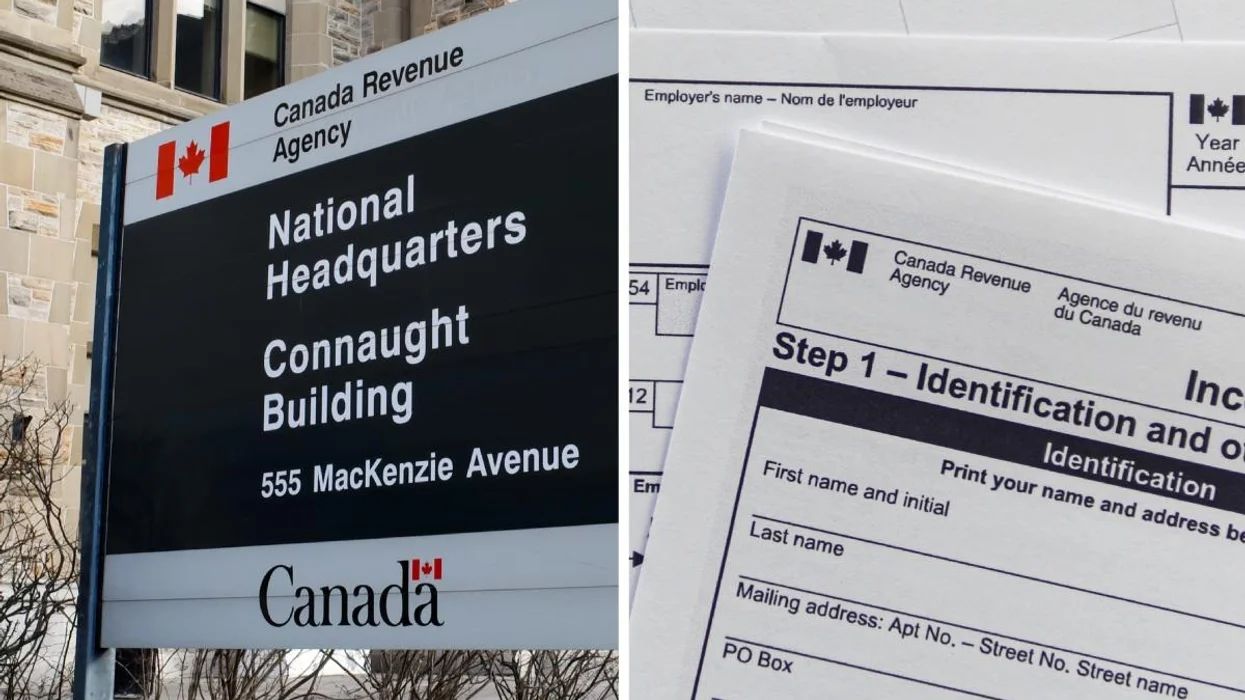
If you prefer not to print forms yourself, you can request a printed tax package from the CRA. The package includes the T1 income tax return and the related instruction guides. You can order these forms by calling the CRA's automated telephone service at 1-855-330-3305, and you can also use the appropriate online form on the CRA website to make your request. It is important to plan ahead when ordering by mail, as delivery can take up to 10 business days. Ordering early ensures you have sufficient time to complete your return and mail it back before the filing deadline of April 30 to avoid potential penalties or delays in benefit payments. The CRA's service for ordering forms and publications is designed to provide taxpayers with the physical materials they need to file a complete paper return.
Completing and Mailing Your Paper Tax Return
Once you have your paper forms, the next step is to complete and mail your return correctly. You must include all required documents and ensure you sign the return before sending it. The mailing address depends on your province or territory of residence and whether you are including a payment. The CRA provides a specific list of mailing addresses for different regions, which you should confirm on their website or in your tax package. If you are not including a payment, you will typically send your return to a different address than if you are sending a cheque or money order. Using regular mail is acceptable, but if you are near the deadline, consider a tracked service for proof of delivery. Non-residents of Canada must use a different set of forms from the non-resident tax package and send them to a separate mailing address with its own instructions.
Key Forms and Schedules in Your Tax Package
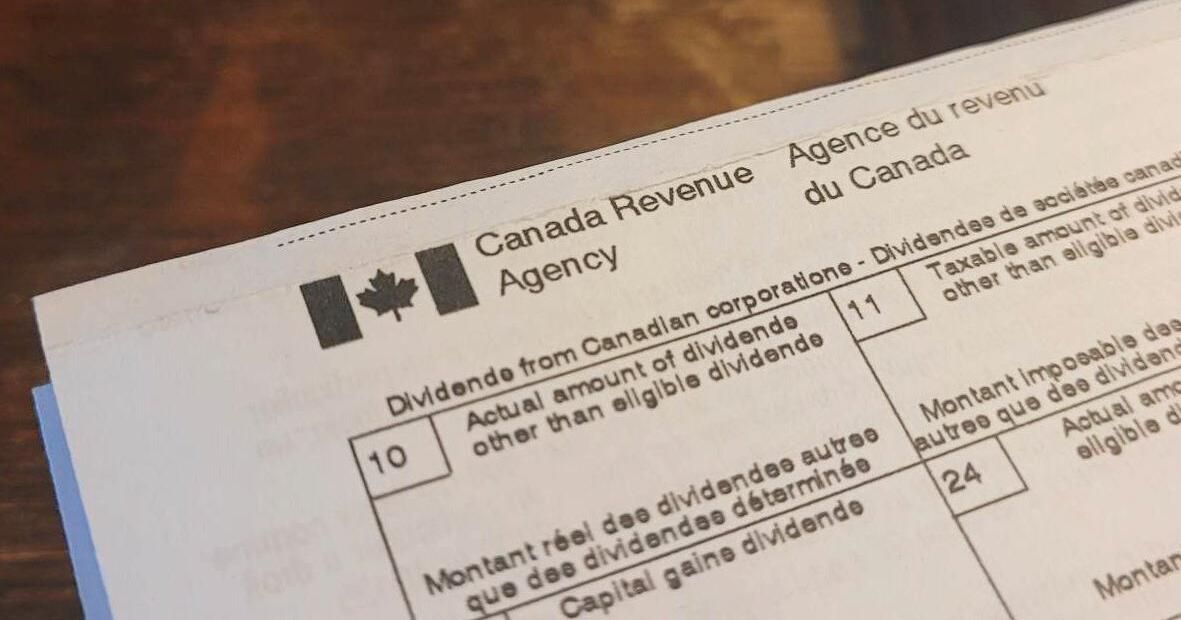
Your income tax package contains several core documents. The central form is the T1 Income Tax and Benefit Return, which is used to report your total income and calculate your tax payable or refund. The package also includes provincial or territorial forms that calculate your provincial tax liability. Numerous schedules and supplementary forms are provided for reporting specific types of income, such as employment or self-employment income, or for claiming deductions and credits. Non-residents of Canada or individuals living abroad at the time of filing must use a different set of forms from the non-resident tax package, which has its own mailing instructions. The specific forms you need depend entirely on your income sources and the deductions you plan to claim, and they are all listed in the instructions that come with your tax package.
The full tax package is designed to cover a wide range of situations. It includes the federal T1 Income Tax and Benefit Return and the corresponding provincial or territorial form. The package also contains related schedules, forms, and guides. These components together provide everything needed to file a complete paper return.
- The federal T1 Income Tax and Benefit Return form.
- The corresponding provincial or territorial tax form.
- The federal income tax and benefit guide with instructions.
- A provincial or territorial income tax and benefit guide.
- Schedules for reporting specific incomes like employment or business.
- Forms for claiming deductions, credits, and benefits.
- The Non-Resident Tax Package for those living outside Canada.
These documents together provide everything needed to file a complete paper return for a given tax year. The packages are updated annually to reflect changes in tax law. You can order, view, download, and print the current package online. The CRA also issues notices about important changes to the tax package each year.
Filing by Phone with SimpleFile
The CRA offers a phone-based filing service called SimpleFile for eligible individuals with straightforward tax situations. This service is not available to everyone and cannot be requested, as eligibility is determined by the CRA. The CRA sends invitation letters typically in February of the tax year to those who qualify. If you receive an invitation, you can complete your return by calling the dedicated toll-free number provided and answering a series of questions using your phone's keypad. The process takes only a few minutes and files your return automatically, providing a confirmation number for your records. This option is designed for those with limited income sources and simple financial affairs, providing a quick alternative to paper or standard electronic filing for a select group of taxpayers.
Common Mistakes to Avoid with Paper Returns
Several common errors can delay the processing of a paper tax return. Failing to sign the completed return is a frequent mistake that will cause the CRA to return it to you. Mailing your return to the incorrect address for your province or for payments versus non-payments will also lead to delays. Another error is neglecting to include all necessary supporting documents, such as information slips. If you need to correct a return that was originally submitted by mail, you must file a paper T1 Adjustment Request form, known as the T1-ADJ. Ensuring your return is postmarked by the April 30 deadline is also critical to avoid late-filing penalties. To prevent these issues, carefully review your return before mailing and double-check the CRA's current mailing instructions.
To ensure your paper return is processed smoothly, be mindful of specific pitfalls. A common mistake is forgetting to sign your return before mailing it. Another issue is sending your return to the wrong mailing address. Also, if you need to correct a paper return, you must use the paper T1 Adjustment Request form.
- Not signing your completed T1 income tax return.
- Mailing your return to the wrong CRA tax centre address.
- Forgetting to include required information slips like your T4.
- Sending a payment cheque to the address for returns without payment.
- Missing the April 30 postmark deadline.
- Using an outdated tax form from a previous year.
- Filing a paper T1-ADJ form to correct an originally mailed return.
Addressing these points before you mail your package can save weeks of processing delays. It also helps you avoid potential penalties for late filing. The CRA must receive your paper return by the April 30 deadline to prevent delays in benefit payments. Using a tracked mail service near the deadline can provide proof of delivery.
Important Dates and Deadlines for Tax Filing
The key annual deadline for most individuals to file their personal income tax return is April 30. The CRA begins accepting electronic returns in February, and paper packages for the new tax year become available online around the same time. If you order forms by mail, you should account for the up to 10 business day delivery time to ensure you receive them well before your filing deadline. Missing the deadline can result in penalties and interest on amounts owed, and can delay benefit payments like the GST/HST credit. Planning your filing method and timing is crucial for a stress-free tax season, and the CRA's website provides updates on any important changes to the annual tax package.
Who Should File a Paper Tax Return
While electronic filing is the dominant method, there are specific circumstances where filing a paper return is necessary or chosen. Some individuals prefer the tangible process of mailing their taxes, while others may have technical limitations that prevent online filing. The CRA also requires paper submissions for certain specific actions, such as correcting a previously mailed return. Understanding these scenarios helps you determine if you need to use the paper forms and ensures you follow the correct procedure for your situation.
- If you need to correct a tax return originally submitted by mail, you must file a paper T1-ADJ form.
- Individuals who are non-residents of Canada must use the paper non-resident tax package.
- Taxpayers who prefer the traditional method of mailing their return.
- Those without reliable internet access or who cannot file electronically.
- Anyone who receives an income tax package in the mail and chooses to use it.
- Situations where electronic filing services are not an option.
For some groups, knowing how to access and submit paper forms is an essential part of tax filing. Non-residents of Canada must use a different set of forms from the non-resident tax package. The CRA provides multiple channels to obtain the necessary documents, including online download and mail order. These groups must also use specific mailing addresses for their returns.
Frequently asked questions
What is the main CRA form for personal taxes?
The main form is the T1 Income Tax and Benefit Return. This federal form is the core document for reporting annual income and calculating tax. It is included in the personal income tax package alongside provincial or territorial forms. The complete package contains guides, schedules, and all necessary documents for both federal and provincial tax calculations. Individuals use this form to determine their final refund or any balance owing to the Crown.
How can I get CRA tax forms if I don't have a printer?
You can order a printed tax package by mail from the Canada Revenue Agency. This is done by calling the CRA automated telephone service at 1-855-330-3305 to request a copy be sent to your home. The package includes the T1 income tax return and all related guides and schedules. Delivery can take up to ten business days so planning ahead is crucial to meet filing deadlines. This method ensures you receive the full set of forms without needing to print them yourself.
Where do I mail my completed paper tax return?
You must mail your paper return to the address specified by the CRA for your province or territory. The correct address depends on whether you are including a payment with your return. The CRA provides a detailed list of mailing addresses on its website and within the tax package instructions. Sending your return to the wrong address will cause significant processing delays. Always confirm the current address before mailing your signed return and any required documents.
Can I file my taxes over the phone?
You can file your taxes by phone only if you receive an invitation from the CRA for the SimpleFile service. The CRA sends these invitation letters typically in February to eligible individuals with straightforward tax situations. If invited you call a dedicated toll free number and answer questions using your telephone keypad. The process takes only a few minutes and files your return automatically. You then receive a confirmation number for your records but you cannot request this service if you were not invited.
What happens if I make a mistake on my paper return?
You must submit a paper T1 Adjustment Request form to correct a mistake on a previously filed paper return. This form is known as the T1 ADJ. Common errors like an unsigned return or missing supporting documents will result in the CRA returning your entire submission. This causes considerable delays in the processing of your tax information. It is therefore vital to review your return carefully before mailing it to ensure it is complete and accurate.
When is the deadline to file my taxes?
The deadline for most individuals to file a personal income tax return is April 30. However any tax owed for the year is still due by the April 30 date to avoid penalties. The CRA must receive your paper return or it must be postmarked by this critical deadline. Meeting this date is also important to avoid delays in receiving benefit payments like the GST credit.
Sources and further reading
- CRA Income Tax Forms: Where to Get Them and How to File turbotax.intuit.ca
This article explains how things work and is not financial, tax or legal advice. Rules, limits and rates change, so check the current figures with the Canada Revenue Agency, your province or your financial institution before you act.