Filing a tax return with the Canada Revenue Agency (CRA) is an annual requirement for most individuals earning income in Canada. The process involves reporting your income from the previous calendar year, claiming eligible deductions and credits, and determining if you owe tax or are due a refund. Filing is essential not only to meet your legal obligations but also to access important federal and provincial benefit payments like the Canada Child Benefit and the Canada Groceries and Essentials Benefit. Understanding the deadlines, methods, and necessary documentation is key to a smooth tax filing experience.
Who Needs to File a Tax Return
You are required to file a personal income tax return in Canada if you earned income during the year and are a resident for tax purposes. This includes individuals who live and work in Canada, as well as factual residents who may be temporarily outside the country, such as those on a temporary work assignment. Individuals who lived in Canada for 183 days or more during the tax year are deemed residents and are subject to federal taxation, a rule that applies to many international students attending Canadian colleges or universities. Filing is also necessary if you are appointed the legal representative for someone who has passed away, as you must file a final return on their behalf.
It is highly advisable to file a return even if you had no income, as this is how the CRA determines your eligibility for various benefit payments. These benefits include the Canada Child Benefit, the Canada Groceries and Essentials Benefit, and the Canada Carbon Rebate. Non-residents of Canada may also have filing obligations, particularly if they earn certain types of income like rental income from Canadian properties. The CRA administers tax, benefits, and related programs for the federal government and for most provinces and territories, allowing most Canadians to file a single return covering both federal and provincial taxes.
Key Dates and Deadlines
Managing your tax filing requires careful attention to the CRA's deadlines to avoid interest charges and penalties. The standard deadline for filing your personal income tax return is April 30 of each year, which covers income earned from January 1 to December 31 of the previous year. If you or your spouse or common-law partner are self-employed, the filing deadline is extended to June 15. However, it is crucial to understand that any balance of tax owing must still be paid by April 30, regardless of your employment status. Missing the payment deadline will result in interest charges calculated from May 1 on the unpaid amount.
The CRA's NETFILE service for electronically submitting returns is available daily with some exceptions. If you are expecting a refund and have direct deposit set up with the CRA, you can typically receive it within 8 to 10 days of filing your return electronically. For those without direct deposit, receiving a refund cheque by mail can take up to 6 weeks. For individuals with a lower income and a simple tax situation, the CRA may invite you to use their SimpleFile service, which also operates within these annual filing timelines.
How to File Your Return
Canadians have several options for submitting their income tax return to the CRA. The most common method is using NETFILE-certified tax software, which allows you to file your return electronically and directly with the CRA. This software often includes features like Auto-fill My Return, which can import information from tax slips the CRA has on file, provided you sign in with your CRA My Account credentials. You can also choose to fill out a paper income tax package and mail it to the CRA's designated tax centre, though this method results in longer processing times.
For those who need assistance, free help is available through the Community Volunteer Income Tax Program clinics. These clinics serve individuals with a modest income and a simple tax situation. Alternatively, you can hire a professional tax preparer, such as an accountant, for a fee. A professional tax preparer will typically file your personal tax return using the CRA's EFILE system. Residents of Québec must file a separate provincial income tax return with Revenu Québec. This is in addition to their federal tax return filed with the Canada Revenue Agency.
- Certified Tax Software (NETFILE): File electronically directly with the CRA.
- Paper Return: Complete the tax package and mail it to the CRA.
- CRA SimpleFile: An invited service for simple returns, filed by phone, online, or on paper.
- Free Tax Clinics: Volunteer-prepared returns for those with modest income.
- Tax Preparer: A professional files on your behalf for a fee.
Documents and Information You Need
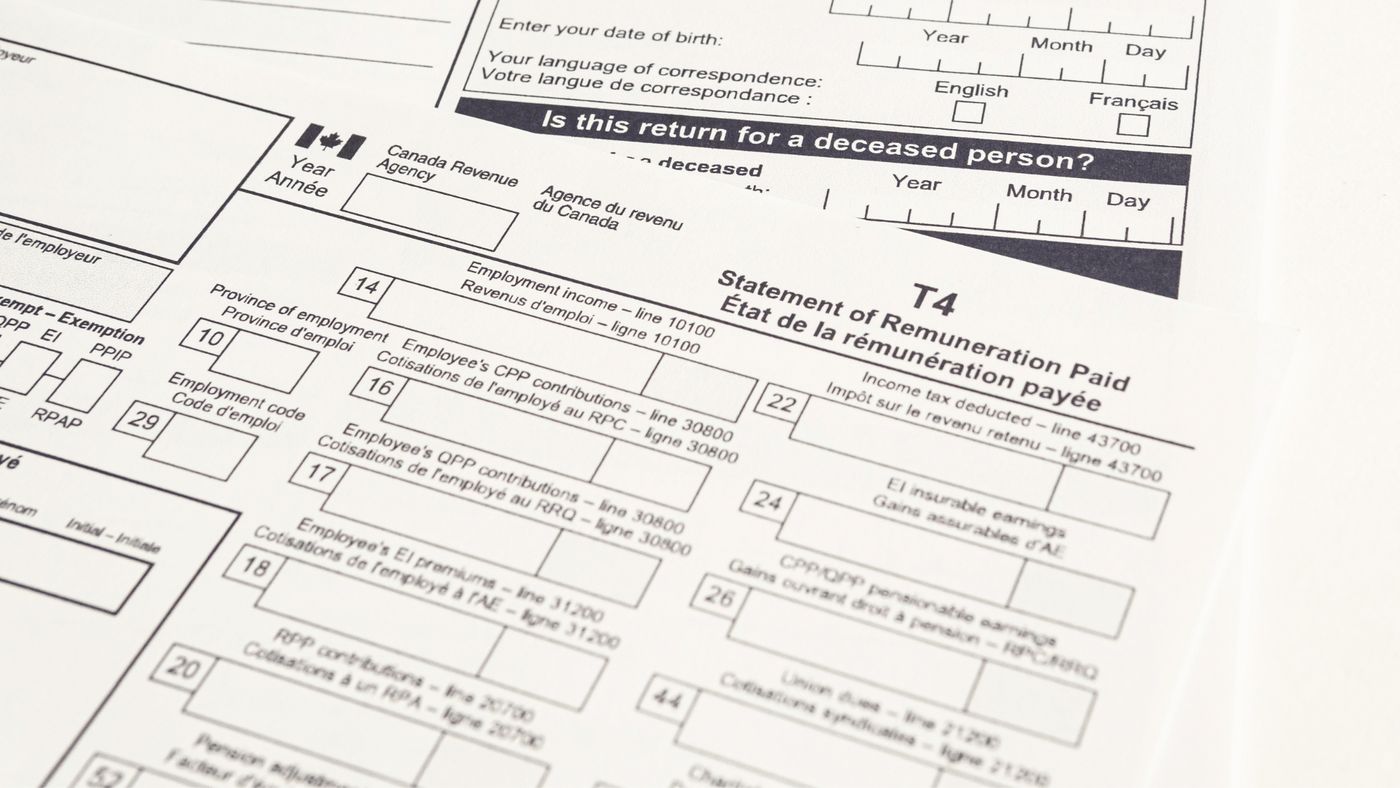
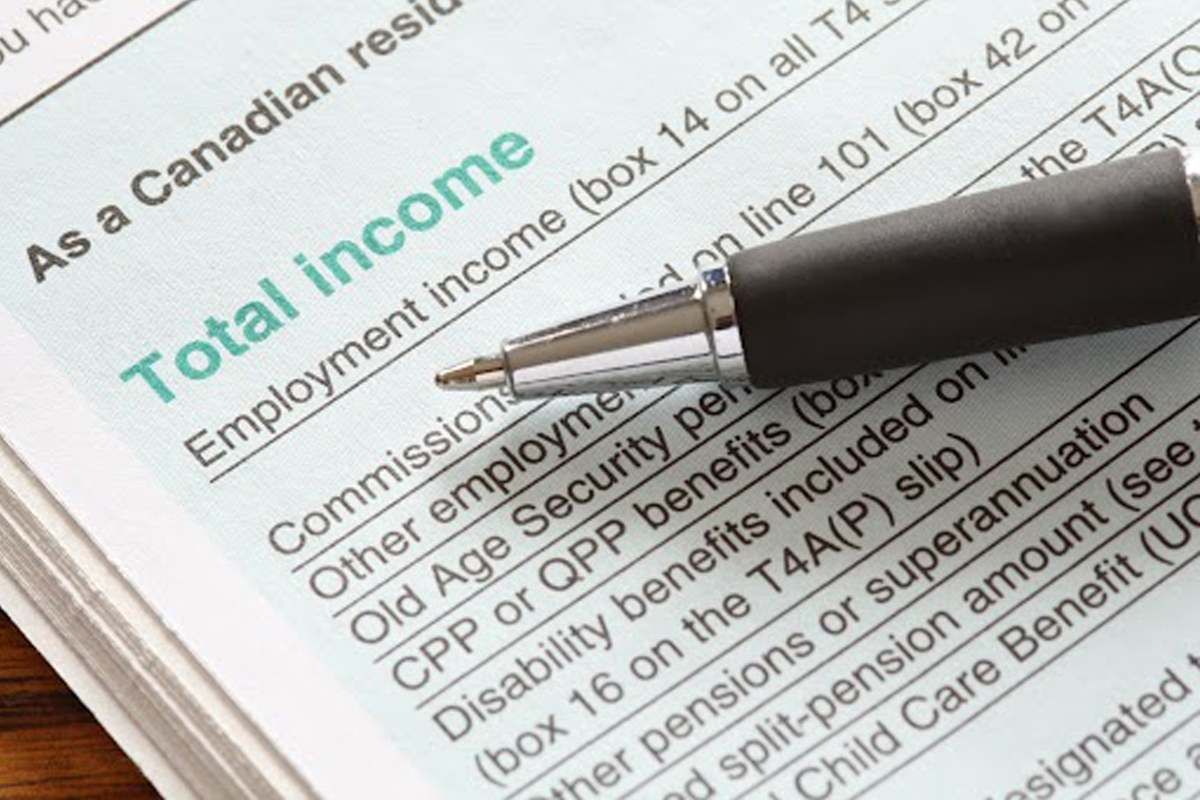
Gathering all necessary documents before you begin filing is essential for an accurate and complete tax return. Your filing must include all earned income from every source for the full tax year. The most important documents are your T4 slips, which report employment income, but you may also receive other information slips for income like pension payments, investment income, or government benefits. If you are self-employed or have rental income, you will need detailed records of your income and eligible expenses. You should also have information on any deductions or credits you plan to claim, such as receipts for child care expenses, medical expenses, or charitable donations.
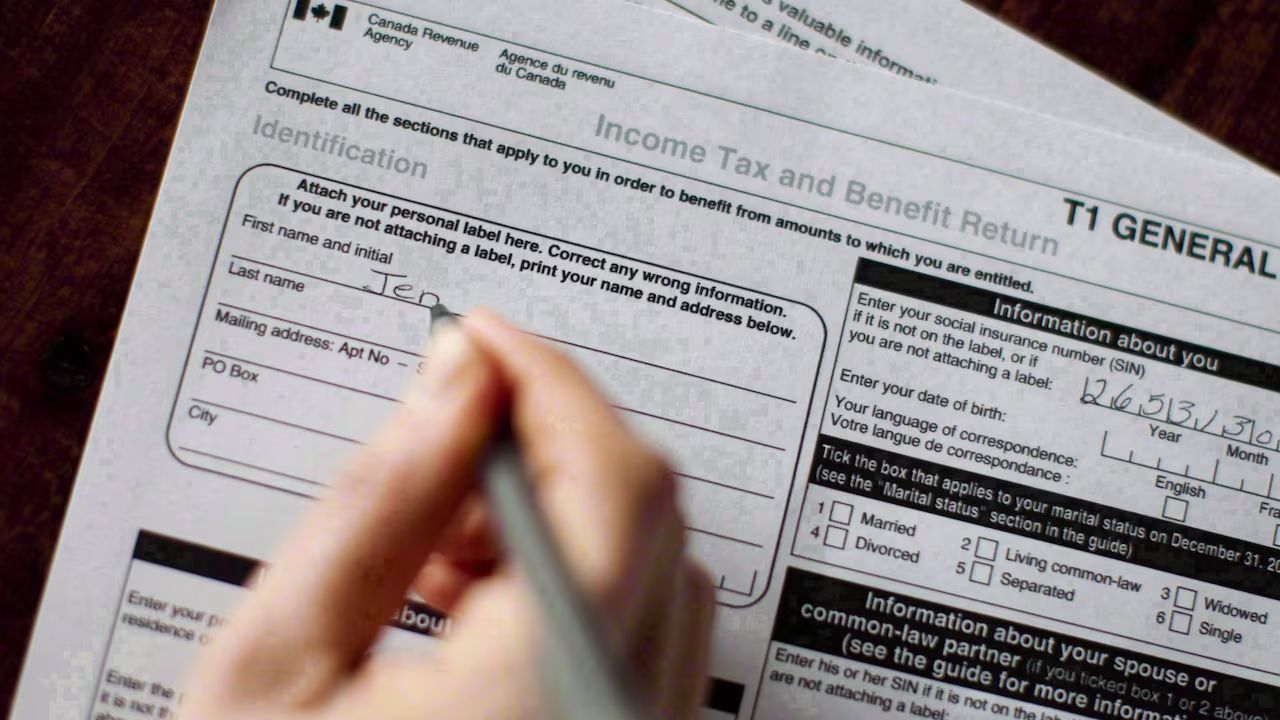
To use services like Auto-fill My Return, you need your CRA My Account login information. Having a PDF copy of your previous year's tax return, known as your T1 General, can help speed up the process of pre-filling personal information in some tax software. If you are using a professional tax preparer, you must provide them with all these relevant documents. Your employer is required to deduct income tax, Canada Pension Plan or Québec Pension Plan contributions, and Employment Insurance premiums from your wages and remit them to the CRA, which is reflected on your T4 slip.
Common Tax Software Features
NETFILE-certified tax preparation software is designed to guide users through the filing process with an interview-style format. The software asks questions about your life and financial situation, such as marital status or whether you have children, and uses your answers to populate the correct tax forms and identify applicable deductions and credits. These programs include a tax return calculator that tallies your refund or balance owing in real time as you enter information. Many also offer the ability to automatically download your tax slip information from the CRA, review your return for errors, and provide help resources like articles, video tutorials, or community forums.
Several software providers offer free versions for Canadians with simple tax situations, though these free versions may not cover more complex income, credits, or deductions. Paid versions or upgrades often include access to expert help via chat or video, a final review of your return by a tax expert, and audit support after filing. The software encrypts your information when stored and uses TLS encryption when electronically sending your return to the CRA to keep your data safe. Over a million Canadians use products like UFile every year, and other popular software includes TurboTax, which is used by over five million Canadians annually.
After You File
Once your return is submitted, the CRA begins processing it. If you filed electronically using NETFILE, you can expect faster processing compared to a paper return. If you have a balance owing, you must ensure it is paid by the April 30 deadline to avoid interest. If you are due a refund and have direct deposit set up, the CRA typically issues it within 8 to 10 days of receiving your return. For refunds sent by mail, allow up to 6 weeks for delivery. After filing, you can check the status of your return and any benefit payments through the CRA's My Account online portal.
If you discover an error or omission after filing, you can request a change to your return by submitting a T1 Adjustment Request. The CRA may also review your return through its audit processes. If you used a paid tax software service that includes audit support, you may have access to guidance during a review. Filing your return annually is also how you maintain your eligibility for ongoing benefit payments, so consistent filing is important even in years with little or no income. The CRA checks your eligibility for payments like the Canada Groceries and Essentials Benefit when you file your return each year.
Frequently asked questions
What is the tax filing deadline in Canada?
The standard Canada tax return filing deadline is April 30 of each year for the previous year's return. If you or your spouse are self-employed, the filing deadline is June 15. However, any amount owing to the CRA must be paid by April 30, regardless of whether you are self-employed. This deadline applies to reporting income earned from January 1 through December 31 of the previous year. Different deadlines may apply in some special circumstances, but April 30 is the normal filing deadline for individuals.
Do I need to file a tax return if I had no income?
Yes, you should file a tax return in Canada even if you did not earn any income. Filing is worthwhile because it can help you receive various government benefits and credits. These benefits include the Canada Child Benefit, the Canada Groceries and Essentials Benefit, and the Canada Carbon Rebate. You should also file if you are a factual resident of Canada for income tax purposes. Filing a return allows the Canada Revenue Agency to assess your eligibility for these important payments.
What is NETFILE?
NETFILE is a CRA service that allows you to electronically send your tax return directly to the CRA using certified tax software. You can use the NETFILE service within tax software to file your return. The service is available daily, with some exceptions. Filing using NETFILE is an efficient alternative to mailing a paper return. Many tax software programs are NETFILE certified, enabling you to file your return electronically and securely.
How do I get my tax refund quickly?
To get your refund quickly, file your tax return directly with the CRA electronically using the NETFILE service. If you have direct deposit set up with the CRA, you will typically receive your refund within 8 to 10 days of filing. Electronic filing and direct deposit are the fastest methods. If you do not have direct deposit set up, it will take up to 6 weeks to receive a refund cheque by mail. Ensuring your return is accurate and filed early also helps speed up the process.
I live in Québec. Is my filing process different?
Yes, the filing process is different for Québec residents. While most individuals file a single tax return with the CRA that includes both federal and provincial taxes, Québec residents must file a separate provincial income tax return. This provincial return is filed with Revenu Québec. Therefore, Québec residents need to complete two returns: one federal return for the CRA and one provincial return for Revenu Québec.
Where can I get free help filing my taxes?
Free help is available through the Community Volunteer Income Tax Program clinics if you have a modest income and a simple tax situation. The CRA also offers a SimpleFile service for people with a lower income and a simple tax situation, who may be invited to file by phone, online, or on paper. Furthermore, some certified tax software providers offer free tax filing for Canadians with simple returns. These options provide valuable assistance to ensure your return is filed correctly.
Sources and further reading
- Quick & Free Tax Filing for Canadians | TurboTax® 2025-26 turbotax.intuit.ca
- How to file taxes in Canada: basics and checklist guide wealthsimple.com
- UFile | Tax Software for Canadians. Get the best tax refund ufile.ca
This article explains how things work and is not financial, tax or legal advice. Rules, limits and rates change, so check the current figures with the Canada Revenue Agency, your province or your financial institution before you act.