Cash loans in Canada provide immediate access to funds for urgent expenses, ranging from small payday advances to larger installment loans. These loans are offered by a variety of lenders including banks, credit unions, and alternative financial service providers, with amounts typically available from $100 up to $25,000. The cost of borrowing is regulated by provincial laws, especially for payday loans, while other personal loans may carry annual interest rates around 35%. Understanding the different loan types, their terms, and the application process is crucial for Canadian borrowers seeking quick financial solutions.
Types of Cash Loans Available in Canada
Canadian borrowers can access several distinct types of cash loans, each designed for different financial needs and repayment periods. Payday loans are short-term advances, often up to $1,500, intended to bridge a gap until the next paycheque. These are also known as cash advances and typically must be repaid within a short period, such as 62 days. Installment loans offer larger sums, from $500 to $25,000, and are repaid in regular scheduled payments over a longer term, which can range from 3 months to 60 months. A line of credit provides a revolving credit limit, allowing borrowers to access funds as needed up to a pre-approved amount, such as $10,000, and only pay interest on the amount used.
Secured loans require collateral, such as a vehicle, and can provide higher loan amounts, with examples going up to $25,000. Some lenders also offer specialized products like interest-free cash advances up to $750 for very short terms, or small personal loans specifically for borrowers with imperfect credit. The choice between these products depends on the amount needed, the desired repayment schedule, and the borrower's financial circumstances. It is important to review the specific terms, including the interest rate and any fees, before committing to any loan agreement.
Costs and Interest Rates for Canadian Cash Loans
The cost of a cash loan in Canada varies significantly by product type and is subject to provincial regulation. Payday loans are governed by specific provincial rules that cap the maximum cost of borrowing. For example, one lender charges $14 per $100 borrowed for a payday loan, which is a common pricing structure in this industry. For other types of unsecured personal loans and lines of credit, lenders often advertise annual interest rates. These rates can range from 29% to 35%, with specific examples from major providers showing rates between 34.56% and 34.99%. These rates are typically higher than traditional bank loans due to the increased risk and speed of funding.
Some financial products, like certain cash advances or lines of credit from newer online platforms, may be offered at a 0% interest rate, though they might carry a monthly membership fee instead. It is crucial for borrowers to understand the total cost of the loan, which includes all interest and any applicable fees. Lenders are required to disclose the cost of borrowing, including the annual percentage rate (APR), before the loan is finalized. Borrowers should calculate the total repayment amount based on the loan term and their specific rate to fully understand the financial commitment.
Loan Amounts and Terms from Canadian Lenders
The amount a Canadian can borrow through a cash loan depends on the lender and the product selected. Payday loans are generally available from $100 up to $1,500, with the maximum often tied to the borrower's income level. Installment loans and personal loans offer broader ranges, typically from $500 to $25,000. Some secured loan products can also provide up to $25,000. Lines of credit may offer limits up to $10,000. The loan term, or repayment period, is equally variable. Payday loans have very short terms, often up to 62 days or until the next payday. Installment loan terms can range from as short as 91 days to as long as 60 months, providing flexibility for larger purchases.
Canadian lenders offer a wide range of loan amounts and terms to meet different financial needs. For example, personal loans are available from $100 to $50,000 with terms between 6 and 60 months. Installment loans are offered by some providers, such as Money Mart, in amounts between $500 and $25,000. Other lenders, like iCash, offer payday loans from $100 to $1,500, while LendDirect provides lines of credit up to $10,000 and secured loans up to $25,000.
| Lender / Product Type | Loan Amount Range | Example Term Range |
|---|---|---|
| Payday Loan (e.g., iCash) | Up to $1,500 | Up to 62 days |
| Installment Loan (e.g., Money Mart) | $500 to $25,000 | 3 to 60 months |
| Personal Loan | $100 to $50,000 | 6 to 60 months |
| Line of Credit (e.g., LendDirect) | Up to $10,000 | Revolving |
| Secured Loan (e.g., LendDirect) | Up to $25,000 | Set term |
| Cash Advance (e.g., Bree) | Up to $750 | Up to 90 days |
Choosing the right loan amount and term requires careful assessment of the immediate financial need and the ability to manage recurring payments. A longer repayment term will reduce the size of each individual payment. However, extending the term increases the total amount of interest paid over the full life of the loan. Therefore, borrowers are advised to select the shortest repayment term they can comfortably afford. This strategy helps to minimize the overall cost of borrowing.
Eligibility and Application Requirements
To qualify for a cash loan in Canada, applicants must meet basic criteria set by the lender, which often focus on income and identity verification rather than a strong credit history. Common requirements include proof of a steady income, a valid Canadian bank account, and government-issued photo identification. Lenders accept various forms of income, including regular employment, government assistance like the Child Tax Benefit or Canada Pension, and other stable benefits. Many alternative lenders explicitly state that they do not rely solely on credit scores for approval, making these loans accessible to those with bad or limited credit. However, a hard credit inquiry may still be performed if the borrower accepts a line of credit offer.
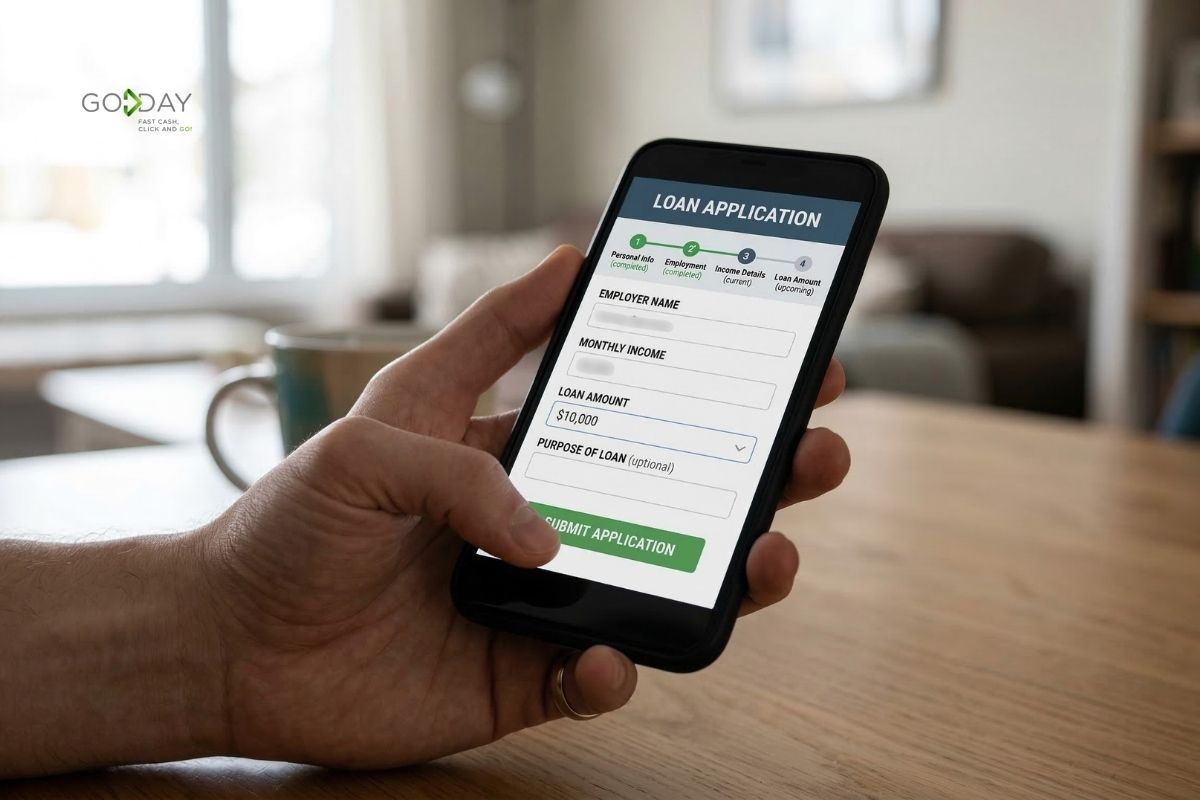
The application process is designed for speed and convenience. Borrowers can typically apply online, via a mobile app, over the phone, or in person at a physical branch. The steps usually involve completing a digital application form, providing the necessary documentation for verification, and receiving a lending decision quickly, often within minutes. Once approved, the borrower reviews and signs the loan agreement electronically. The required documents generally include recent pay stubs or bank statements for income verification, a driver's licence or other photo ID, and details for an active bank account for fund disbursement and repayment.
How to Receive Funds and Repay the Loan
Once a cash loan is approved, lenders disburse funds using fast electronic methods to provide immediate access. The most common method is Interac e-Transfer, which can deliver money to the borrower's bank account in as little as 15 minutes. Direct deposit to the borrower's chequing account is another standard option, though it may take slightly longer, often within 24 hours. The speed of funding is a key feature advertised by alternative lenders, contrasting with the longer processing times often associated with traditional banks. Borrowers should ensure their bank account details are correct to avoid any delays in receiving the needed funds.
Repayment is typically set up as an automatic withdrawal from the same bank account used for funding. For installment loans, a fixed payment schedule is established, with payments deducted on each due date. For a line of credit, payments are often required on a monthly basis, covering at least the interest accrued. Borrowers can usually make additional payments online or through a mobile app without penalty, which can reduce interest costs. It is important to maintain sufficient funds in the account on the withdrawal date to avoid non-sufficient funds (NSF) fees and potential default. Many lenders offer flexible payment options or debt relief solutions if a borrower encounters difficulty, and customers should contact their lender directly to discuss such situations.
Common Mistakes to Avoid with Cash Loans
Borrowers often make several key mistakes when obtaining cash loans, leading to increased financial strain. A frequent error is borrowing more than is absolutely necessary, which increases both the repayment amount and the total interest cost. Another common pitfall is focusing solely on the immediate funding speed without fully understanding the loan's total cost, including the interest rate and all associated fees. Some borrowers also fail to budget for the automatic repayment, resulting in NSF fees when the withdrawal attempts fail. It is crucial to review the loan agreement thoroughly before signing to confirm the repayment schedule, the total cost of borrowing, and any penalties for late or missed payments.
Failing to shop around and compare offers from multiple lenders can mean accepting a loan with less favourable terms. Relying on short-term payday loans for recurring, long-term expenses can create a cycle of debt that is difficult to break. Finally, some borrowers neglect to communicate with their lender if they anticipate payment trouble. Many lenders have procedures to assist customers facing financial hardship, and early communication can prevent the situation from worsening. Avoiding these mistakes requires careful planning, a clear understanding of the loan terms, and a realistic assessment of one's ability to repay.
Major Cash Loan Providers in Canada
Canada's cash loan market includes several well-known providers that operate both online and through physical branch networks. Money Mart is a prominent alternative financial services provider with over 40 years of history and more than 360 branches across the country, offering installment loans and payday loans. Cash Money provides payday loans and lines of credit, with a process that can result in funding within minutes via Interac e-Transfer. iCash is an online lender specializing in payday loans up to $1,500, available in seven provinces and using a trust rating system to determine loan amounts. LendDirect offers lines of credit up to $10,000 and secured loans up to $25,000, requiring a branch visit for secured products. Cashco Financial operates in British Columbia, Saskatchewan, and Alberta, offering payday loans and considering a wide variety of income types for eligibility.
Other notable online platforms include Bree, which provides interest-free cash advances up to $750, and GoLoans, which offers online installment loans from $500 to $5,000. These providers cater to different needs, from very small, short-term cash flow gaps to larger, planned expenses. When considering a lender, borrowers should verify that the provider is licensed to operate in their province and review their terms, fees, and customer service options. The market also includes companies like AimFinance, which focuses on small personal loans for bad credit borrowers in Ontario, and Green Loans, which offers personal loans up to $1,000.
Frequently asked questions
How fast can I get a cash loan in Canada?
Many alternative lenders in Canada offer very fast funding. Once approved, funds can be sent via Interac e-Transfer in as little as 15 minutes. Direct deposit to your bank account is also common, often occurring within 24 hours. The application and approval process itself can also be completed quickly, sometimes in just minutes online or over the phone.
Can I get a cash loan with bad credit in Canada?
Yes, many alternative lenders in Canada offer cash loans without relying heavily on credit scores. Providers like Cashco Financial and AimFinance explicitly state they accept borrowers with imperfect or bad credit. Approval is often based more on proof of steady income and ability to repay rather than credit history alone. However, accepting certain products like a line of credit may involve a hard credit check.
What is the maximum amount for a payday loan in Canada?
Payday loan amounts in Canada are typically capped by provincial regulations and are often based on the borrower's income. Commonly, the maximum payday loan amount offered by lenders is $1,500. For example, providers like iCash and Cashco Financial offer payday loans up to this amount. The actual amount you can borrow may be lower, depending on your income and the lender's assessment.
What do I need to apply for a cash loan?
To apply for a cash loan in Canada, you typically need proof of income, a valid Canadian bank account, and government-issued photo identification. Proof of income can include recent pay stubs, bank statements, or documentation for government benefits. The application process can usually be completed online, by phone, or in person at a branch. You will need to provide these documents for verification during the application.
What is the difference between a payday loan and an installment loan?
A payday loan is a small, short-term loan often designed to be repaid by your next payday. These loans, available from providers like iCash, are typically for amounts up to $1,500. An installment loan is for a larger amount, such as the $500 to $25,000 offered by Money Mart, and is repaid in fixed, scheduled payments over a longer period ranging from several months to years. Installment loans generally have a lower cost of borrowing over time compared to payday loans.
Are cash loan interest rates regulated in Canada?
Yes, cash loan interest rates are regulated in Canada, particularly for payday loans. Each province sets its own maximum cost of borrowing for payday loans, which is expressed as a charge per $100 borrowed. For other types of personal loans and lines of credit, lenders set their own annual interest rates, which commonly range from 29% to 35%. All lenders are required to disclose the full cost of borrowing, including the interest rate and any fees, before you sign a loan agreement.
Sources and further reading
- Money Mart moneymart.ca
- Payday Loans & Lines of Credit in Canada: Online cashmoney.ca
- How To Get A Quick Cash Loan In Canada loanscanada.ca
- Loans in Canada: Line of Credit & Secured Financing lenddirect.ca
- Cashco Financial | Canada's Top Alternative Finance Provider cashcofinancial.com
This article explains how things work and is not financial, tax or legal advice. Rules, limits and rates change, so check the current figures with the Canada Revenue Agency, your province or your financial institution before you act.