A Tax Identification Number (TIN) is a unique identifier used by the Canada Revenue Agency to track taxpayers and their obligations. In Canada, the primary TINs are the Social Insurance Number (SIN) for individuals, the Business Number (BN) for companies, and the Individual Tax Number (ITN) for non-residents. These numbers are essential for filing taxes, receiving benefits, hiring employees, and conducting business. Understanding which number applies to you is a fundamental part of financial life in Canada.
What Are Canada's Tax Identification Numbers
Canada does not use a single universal Tax Identification Number. Instead, different identifiers are issued based on an individual's residency status or a business's structure. The Canada Revenue Agency uses these numbers to administer the tax system, track payments, and ensure compliance. For most Canadian residents, the Social Insurance Number serves as their lifelong tax identifier. Businesses operating in Canada must use a Business Number for all federal tax programs. Non-resident individuals who need to file Canadian tax returns but are ineligible for a SIN must obtain an Individual Tax Number. These numbers are crucial for the accurate recording of tax information and for facilitating government services and benefits. The term Tax Identification Number is an international concept used by bodies like the OECD, but within Canada, the specific identifiers SIN, BN, and ITN are used on official forms and correspondence.
The Social Insurance Number (SIN) for Individuals
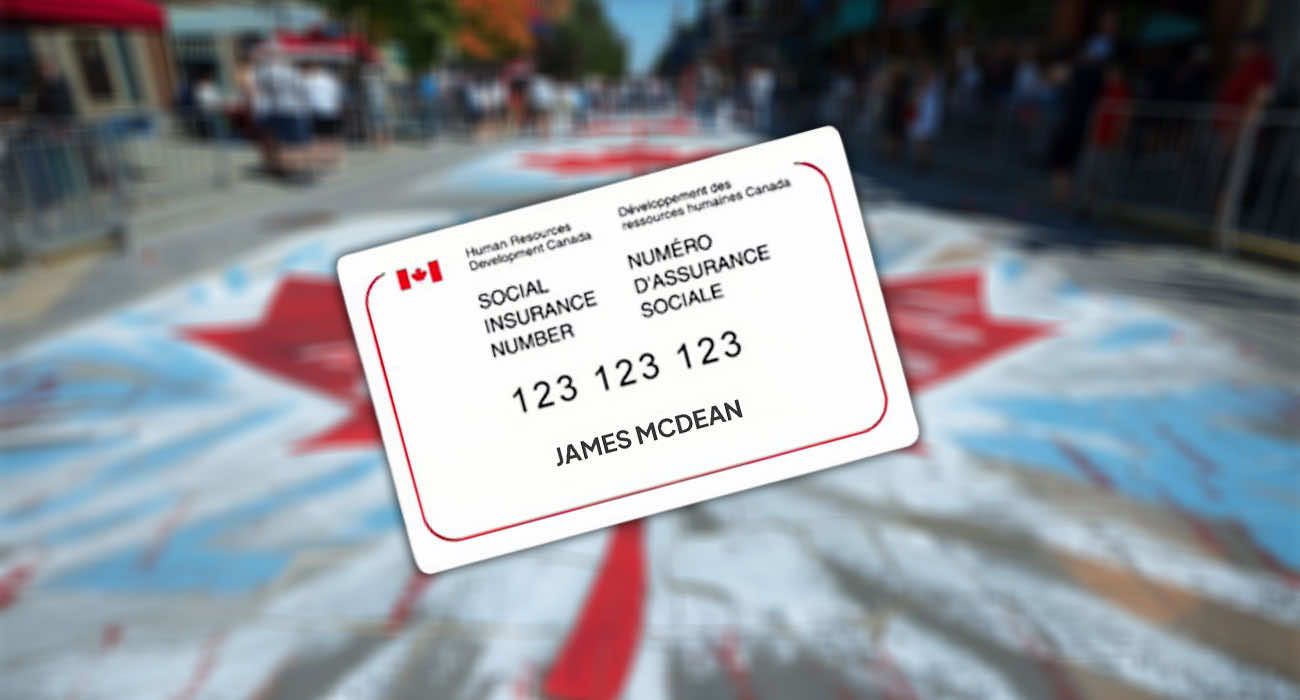
The Social Insurance Number is the most common tax identification number for individuals in Canada. It is a unique 9-digit number formatted as 123-456-789. Canadian citizens, permanent residents, and temporary residents with valid work permits are eligible to receive a SIN from Service Canada. This number is required for anyone who works in Canada, as employers use it to report your income and deductions to the CRA. Your SIN is also used to access government programs and benefits such as Employment Insurance and the Canada Pension Plan. You must provide your SIN when filing your personal income tax return each year. Protecting your SIN from fraud is critical, as it is directly linked to your financial identity and tax records. The SIN is issued by Service Canada and serves as the authorized tax identification number for all individuals resident in Canada for income tax purposes.
The Business Number (BN) for Companies and Organizations
The Business Number is the primary tax identification number for entities conducting business in Canada. It is a unique 9-digit number assigned by the Canada Revenue Agency. The BN acts as a master identifier that links all of a business's tax accounts with the federal government. This includes accounts for corporate income tax, Goods and Services Tax/Harmonized Sales Tax (GST/HST), payroll deductions for employees, and import-export activities. A sole proprietorship, partnership, or corporation must register for a BN if it meets certain conditions, such as incorporating, hiring employees, or registering for a GST/HST account. The BN simplifies administration by allowing a business to manage multiple tax obligations under a single identifier. For corporations, the BN is the primary tax identification number issued by the CRA.
The full account number for a specific program includes the 9-digit BN plus a two-letter program code and a four-digit reference number. For example, a GST/HST account number would appear as 123456789RT0001, where 'RT' is the program code. Other common program codes include 'RP' for payroll deductions, 'RC' for corporate income tax, and 'RZ' for information returns. This structure allows the CRA to efficiently track different types of remittances from the same business. Businesses can register for a BN online through the CRA's Business Registration Online service, by phone, by mail, or by fax. There is no fee to obtain a Business Number, and it is required for legal operation and tax compliance in Canada. Your 9-digit BN appears on all official CRA correspondence, bank statements, and GST/HST filing documents.
The Individual Tax Number (ITN) for Non-Residents
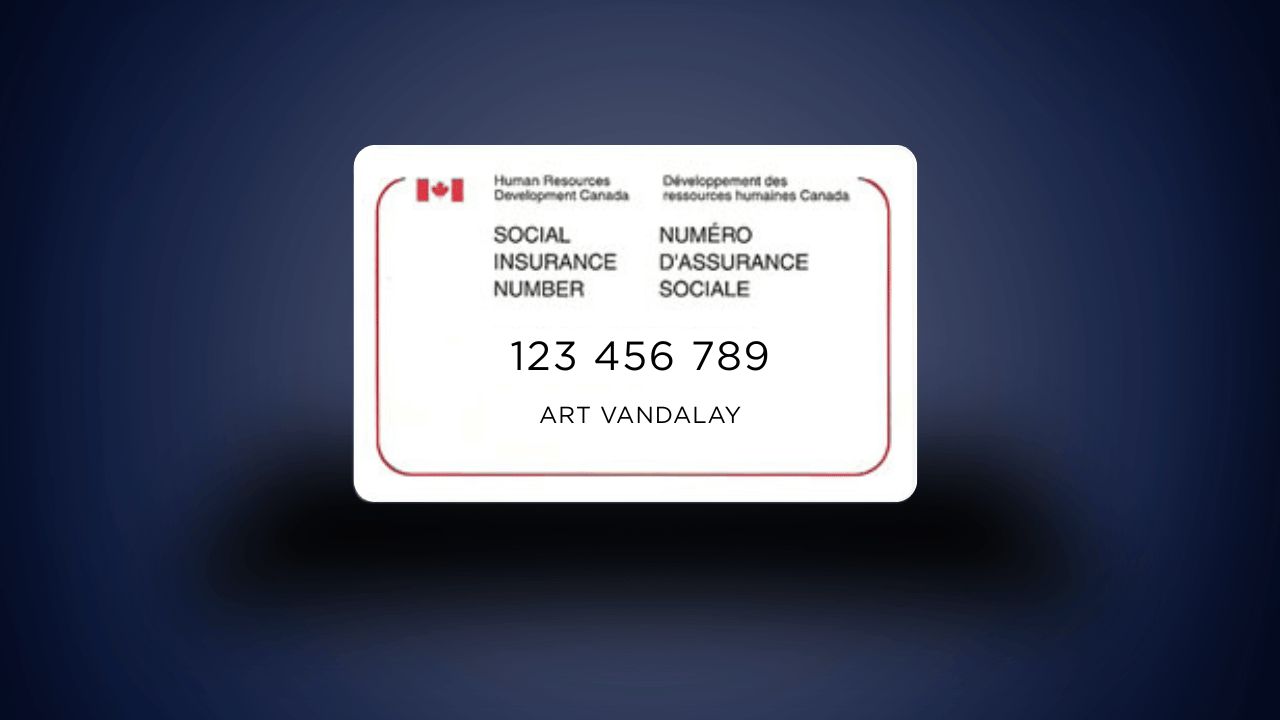
An Individual Tax Number is issued to non-resident individuals who need to file a Canadian income tax return but do not qualify for a Social Insurance Number. This 9-digit number, which often begins with the digit 9, serves as their permanent identifier for Canadian tax purposes. Non-residents may require an ITN if they have Canadian-source income, such as rental income from Canadian property, certain pension benefits, or income from a business carried on in Canada. The ITN allows these individuals to comply with Canadian tax laws and file returns without being eligible for a SIN. The application process is managed by the Canada Revenue Agency, not Service Canada. Applicants must submit specific identification documents along with proof of their need to file a Canadian tax return. The ITN is specifically for non-resident individuals, whereas trusts and other non-individual entities that must report income may apply for a separate Temporary Tax Number from the CRA.
Other Tax Identification Numbers: TTN and Trust Accounts
Beyond the SIN, BN, and ITN, the Canada Revenue Agency issues other identifiers for specific situations. A Temporary Tax Number may be issued by the CRA for short-term needs when a permanent Canadian taxpayer identification number is not yet available. This is sometimes used in urgent administrative circumstances. Trusts that are required to report income use a Trust Account Number, which is a 9-digit number similar in format to a Business Number. This number is used specifically for filing trust income tax returns. These identifiers are less common than the primary three but are part of the suite of numbers the CRA uses to manage the tax system for all types of entities. The notes mention trusts and other non-individual entities that are required to report income can apply for a Temporary Tax Number, which serves a similar identification function in specific, often temporary, scenarios.
How and Where to Apply for Your Tax ID
The application process differs significantly depending on which tax identification number you need. For a Social Insurance Number, you must apply through Service Canada. Eligible individuals can apply online, by mail, or in person at a Service Canada Centre. Required documents typically include a primary identity document like a birth certificate or passport and proof of status in Canada, such as a citizenship certificate or work permit. All documents must be current and official versions issued by government authorities. For a Business Number, businesses apply directly to the Canada Revenue Agency. The most efficient method is through the online Business Registration Online service. You will need to provide details about your business structure, activities, legal and operating names, addresses, and estimated annual revenue. Applying for an Individual Tax Number involves submitting a paper application form T1261 to the CRA's Sudbury Tax Centre along with certified copies of identity documents. Here are the key steps and requirements for each application type:
- SIN Application: Gather proof of identity and legal status in Canada. Complete the application form. Submit to Service Canada online, by mail, or in person. Processing can be immediate for in-person applications.
- BN Application: Determine your business needs for corporate tax, payroll, GST/HST, or import/export. Gather business information and incorporation documents if applicable. Register online via the CRA's Business Registration Online portal, by phone, mail, or fax. Registration can be instant online.
- ITN Application: Complete CRA Form T1261, Application for a Canada Revenue Agency Individual Tax Number (ITN) for Non-Residents. Have your identity documents, such as a passport, certified. Mail the complete application package to the CRA's Sudbury Tax Centre. Processing may take several weeks.
Processing times can vary. SIN applications are often processed quickly, sometimes immediately for in-person applications. BN registrations can be instant online, while ITN applications may take several weeks for processing by mail. There are no fees charged by the government to obtain any of these tax identification numbers. Canadian citizens and residents receive their SINs at no cost, and the CRA does not charge fees for assigning a BN or ITN. Obtaining a TIN in Canada is free, which applies to all the primary identifiers discussed.
Where Your Tax Identification Number Is Used
Your Canadian tax identification number is required in numerous financial and administrative situations. For individuals, your SIN must be provided to your employer for payroll purposes and to financial institutions when opening an interest-bearing account or applying for credit. You will use it every year when filing your personal income tax return. Government agencies use your SIN to administer benefits like the Canada Child Benefit or to process applications for student loans. For businesses, the Business Number is used on all corporate tax returns, GST/HST filings, and payroll remittance forms. You must provide your BN to other businesses for certain transactions and to government bodies when bidding on contracts or applying for licences. Non-residents use their ITN solely for filing Canadian income tax returns and corresponding with the CRA regarding their Canadian tax affairs.
Your tax ID also appears on official correspondence and statements. Individuals can find their SIN on their CRA Notice of Assessment, T4 slips from employers, and within their online CRA My Account. Businesses will see their full BN with program codes on tax assessments, GST/HST returns, and in their CRA My Business Account portal. The BN is used for corporate tax, payroll deductions, GST/HST accounts, and import/export activities as part of its core functions. It is important to keep these documents secure and to only provide your tax identification number when legally required and to trusted entities. The TIN connects you or your business to your tax records and facilitates the accurate recording of your tax information with the CRA, which supports fair and efficient tax administration for the government.
Common Scenarios Requiring a Tax Identification Number
Specific life and business events trigger the need for a Canadian tax identification number. Starting a new job in Canada requires you to provide your SIN to your employer for income reporting and tax deduction purposes. Opening a business, whether as a sole proprietor, partnership, or corporation, necessitates registering for a Business Number, especially if you plan to hire employees, collect GST/HST, or incorporate. Non-resident individuals receiving rental income from a Canadian property must obtain an ITN to file the required tax return. Filing an annual income tax return, whether as an individual or a corporation, requires your SIN, ITN, or BN. Applying for government benefits like Employment Insurance, the Canada Pension Plan, or social assistance requires a SIN. Registering for a GST/HST account with the CRA requires a Business Number. These are all standard situations where your tax ID is mandatory for compliance and access to services. Without a proper TIN, you would face significant obstacles in these areas, including delays in tax refunds, inability to open certain financial accounts, and potential compliance penalties for businesses.
Protecting Your Tax Identification Number
Your tax identification number is sensitive personal information that must be protected to prevent identity theft and fraud. You should never carry your SIN card or a document with your SIN in your wallet. Only provide your SIN when it is legally required, such as for employment, tax filing, or certain financial services. Be cautious of unsolicited requests for your SIN by phone, email, or text message, as the CRA will not contact you in this manner to ask for it. Shred any documents containing your SIN or BN before discarding them. For businesses, limit internal access to the Business Number and related account information to only those employees who need it for official duties. Regularly monitor your CRA accounts and credit reports for any suspicious activity.
If you suspect your SIN has been compromised, you should contact Service Canada and the Canadian Anti-Fraud Centre. You can also place a fraud alert on your credit file with the major credit bureaus. For a Business Number, report any suspected misuse to the CRA immediately. Protecting these numbers is a continuous responsibility, as they are the key to your financial and tax identity in Canada. Your TIN ensures your tax history is connected to you only and helps prevent confusion with others who may share your name, making its security paramount. The TIN is an advantage to the taxpayer since it serves the purpose of assuring no one is actually paying more than they owe or less, but this benefit depends on keeping the number secure.
Frequently asked questions
What is my tax identification number in Canada?
For most Canadian residents, your tax identification number is your 9-digit Social Insurance Number (SIN). If you operate a business, your tax ID is your 9-digit Business Number (BN). Non-residents who file Canadian taxes use an Individual Tax Number (ITN). In Canada, the TIN for most individuals is your SIN and for business is your BN.
How do I get a tax ID number for my business in Canada?
You get a Business Number by registering with the Canada Revenue Agency. The process is free and can be done online through the Business Registration Online service, by phone, mail, or fax. You will need to provide details about your business structure, activities, and addresses. The BN is required for corporate tax, payroll, GST/HST accounts, and import/export activities.
Is there a fee to get a Canadian tax identification number?
No, there is no fee. Canadian citizens and residents receive their SINs at no cost from Service Canada. The CRA does not charge fees for assigning a Business Number or an Individual Tax Number. Obtaining a TIN in Canada is free.
Is a SIN the same as a tax ID number?
Yes, for individuals in Canada, the Social Insurance Number serves as the primary tax identification number. It is a 9-digit number used for all personal income tax purposes, including filing returns, receiving benefits, and reporting employment income to the CRA. For individuals resident in Canada, their authorized tax identification number is their nine-digit Canadian Social Insurance Number issued by Service Canada. This number identifies you for income tax purposes and is used to track your income and tax contributions. In Canada, the TIN for most individuals is your social insurance number.
Who needs an Individual Tax Number (ITN) in Canada?
Non-resident individuals who need to file a Canadian tax return but are not eligible for a Social Insurance Number need an ITN. This includes non-residents with Canadian-source income like rental property income, certain pensions, or business income. An ITN is a 9-digit number issued to non-resident individuals who need an identification number for tax purposes. It allows them to fulfill tax obligations in Canada despite not living permanently in the country. This number serves as their permanent identifier for all Canadian tax matters.
Where can I find my Business Number?
Your 9-digit Business Number appears on all official correspondence from the CRA, such as notices of assessment, GST/HST returns, and registration confirmations. You can also find it by logging into your CRA My Business Account online. It appears on bank statements and GST/HST filing documents related to your business. The Business Number is your tax number used for corporate income tax, GST/HST accounts, payroll deductions, and import/export activities. This number consolidates business accounts with the CRA under one identifier.
Sources and further reading
- Canada Tax Identification Numbers (TINs) Explained orbitaccountants.ca
- Guide to Canadian Tax Identification Numbers (SIN, BN, ITN) oneaccounting.cpa
- What's a TIN (taxpayer identification number) ... risepeople.com
- Tax Identification Number (TIN): Canadian Business Guide smrcpa.ca
- Tax ID Number issued to corporation by Revenue Canada lawyerincorporation.com
This article explains how things work and is not financial, tax or legal advice. Rules, limits and rates change, so check the current figures with the Canada Revenue Agency, your province or your financial institution before you act.