Canadian silver dollars minted from 1935 to 1967 contain real silver and are worth significantly more than their one-dollar face value. Their value is determined by two main factors: the current price of silver and their rarity as collectible coins. As of 2026, most circulated silver dollars have a melt value between $20 and $45, while rare dates or coins in excellent condition can be worth from $100 to over $10,000. Understanding these factors helps Canadians accurately assess coins they may have inherited or found, ensuring they receive a fair price whether selling or adding to a collection.
Understanding the Two Sources of Value
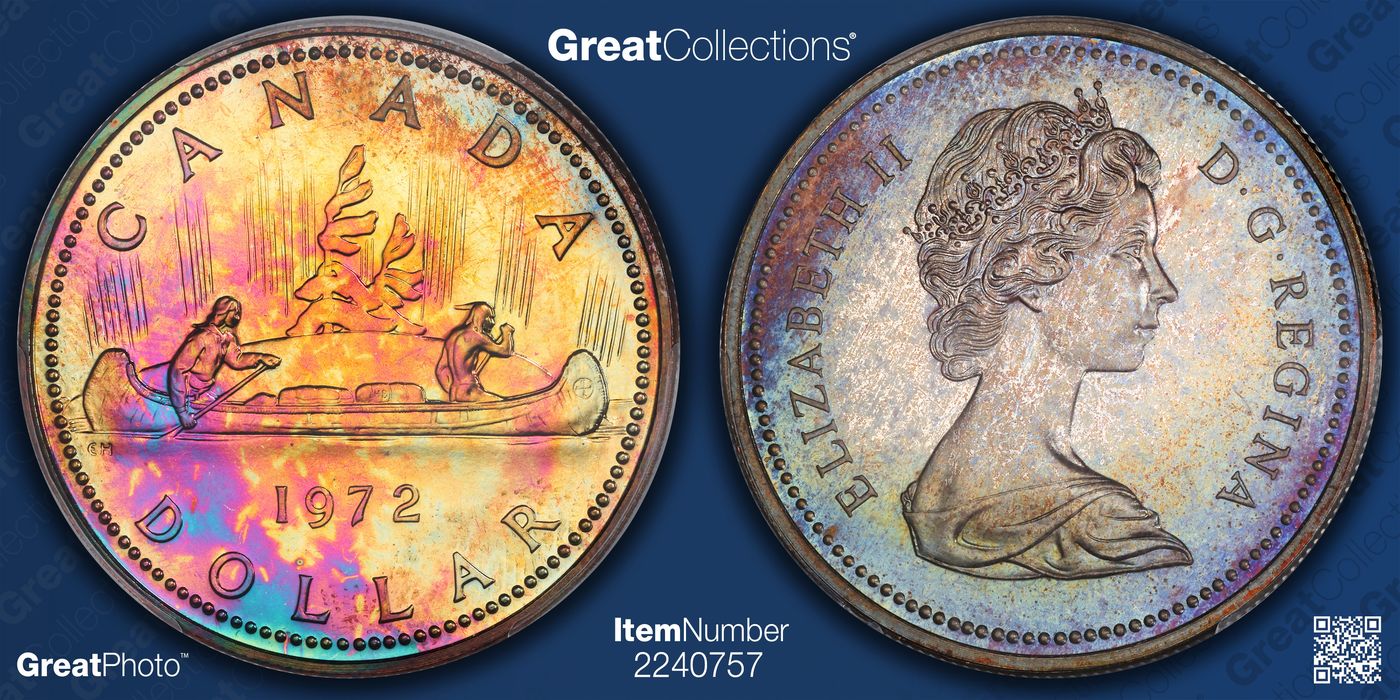
Every Canadian silver dollar from the 1935 to 1967 period derives its worth from two distinct components. The first is its intrinsic melt value, which is the monetary worth of the 80% pure silver contained within the coin. As of 2026, with silver trading around $73.94 per troy ounce, the approximate 0.6 troy ounces in each coin gives it a baseline melt value typically ranging from $38 to $45. This value fluctuates directly with the global spot price of silver. The second component is its collector value, also known as numismatic premium, which is driven by factors like rarity, condition, and historical significance. A coin's collector value can far exceed its melt value, especially for scarce dates or pristine specimens. It is crucial for owners to recognize that a coin's total market value is the sum of these two components. A common, worn silver dollar will generally be worth an amount close to its melt value, while a rare or perfectly preserved coin can command a substantial premium from collectors.
Key Factors That Determine Collector Value
Several specific characteristics critically influence how much a collector is willing to pay for a Canadian silver dollar beyond its silver content. The single most important factor is the coin's condition or grade, which is assessed on a numeric scale from 1 to 70. A coin graded Mint State (MS) 65 or higher, indicating it is in perfect, uncirculated condition, can be worth many times more than the same coin graded Very Fine (VF) 20, which shows moderate wear. The year of mintage is equally vital, as some dates had extremely low production numbers. For instance, the 1948 Canadian silver dollar is famously scarce, with very few minted, making it valuable even in average condition. Special varieties and errors, such as the 1947 Maple Leaf design or double-struck coins, also attract significant premiums from dedicated collectors. Finally, commemorative designs like the 1967 Diving Goose dollar, issued for Canada's centennial, maintain enduring popularity, which supports a higher market value compared to standard-issue years from the same era. Beyond these primary factors, several other details can influence a coin's worth. The specific finish of a coin, such as proof or brilliant uncirculated, can add value. Coins that display a cameo appearance, with a frosted design against a mirrored background, are particularly sought after. The presence of specific historical associations, like the 1939 Royal Visit dollar, also contributes to collector interest. Furthermore, market trends and supply and demand dynamics constantly shift, meaning a coin's value is not static but responds to auction results and collector focus.
A Guide to Notable Dates and Their Value Ranges
While values are always subject to market conditions and individual coin grading, certain dates from the Canadian silver dollar series are consistently recognized for their rarity or popularity. The 1935 issue, which inaugurated the series, is a foundational coin for collectors. The 1945, 1947, and 1948 dollars are the classic key dates due to their extremely low mintages, with values that start in the hundreds of dollars even for circulated examples and climb into the thousands for high grades. The 1967 Diving Goose commemorative is not a rare coin in terms of mintage, but its design and association with Canada's centennial make it highly sought-after, especially in uncirculated condition. It is important to consult a current price guide or professional dealer for precise valuations, as auction results can cause specific dates to appreciate. The following table provides a general overview of value ranges for select dates, reflecting both circulated and uncirculated examples. These figures are approximations for educational purposes.
When examining your coins, it is essential to look for specific varieties within a given year. The 1947 dollar, for example, exists in several distinct versions due to the transition in design that occurred. The most notable is the Maple Leaf variety, which features a small maple leaf near the date, and the Pointed 7 with dot variety. Identifying these correctly is crucial, as their values differ significantly from the more common 1947 Blunt 7 variety.
How to Estimate Your Coin's Value
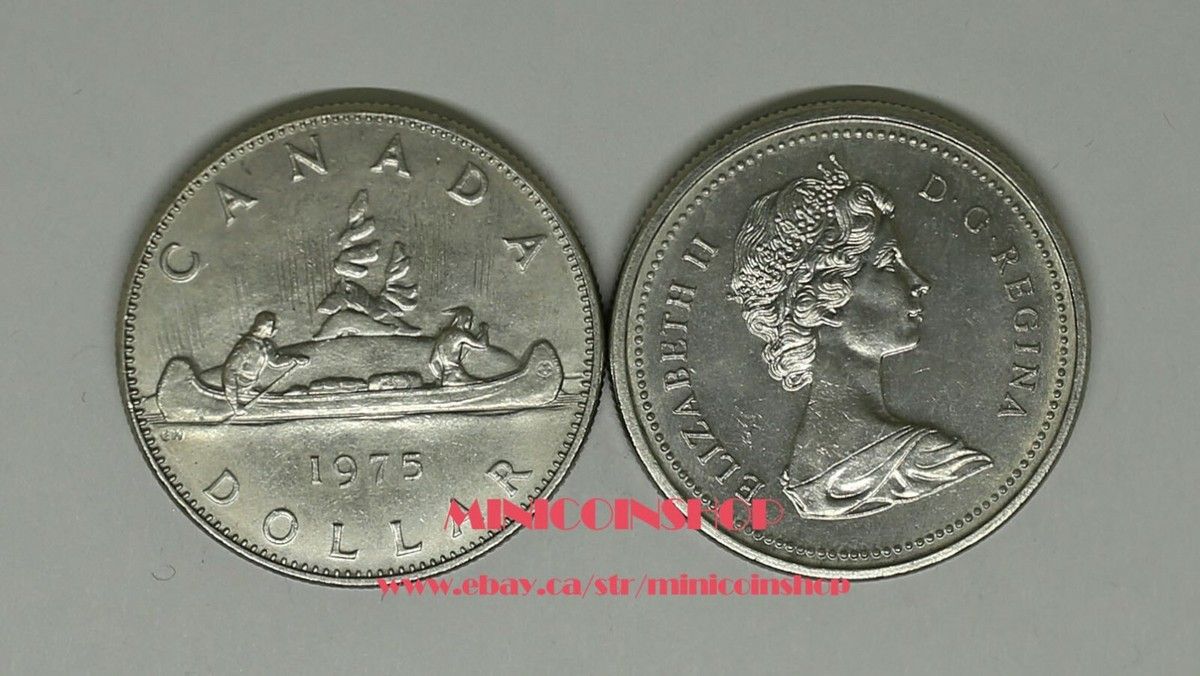
You can perform a basic calculation to estimate the melt value of your Canadian silver dollar as a starting point. First, find the current spot price of silver per troy ounce. Divide that price by 31.1 to determine the price per gram of pure silver. Next, multiply the price per gram by 14, which is the total weight of the coin in grams. Finally, multiply that result by 0.80, which represents the 80% silver purity of the coin. The result is the approximate melt value in Canadian dollars. As a shortcut, with silver around $73.94 per ounce in 2026, the melt value typically falls between $38 and $45. To assess the potential collector premium, you must examine the coin's physical details. Look for the mint year and compare it to known rare dates like 1948 or 1947. Assess the coin's condition by examining the sharpness of the design details, particularly on the voyageur's paddle and the canoe on the reverse. The presence of original lustre and the absence of scratches or wear are indicators of higher grade. For a definitive valuation, especially for coins that may be rare, professional grading by a service like ICCS or NGC is recommended. These services encapsulate the coin in a tamper-proof holder with a certified grade, which adds credibility and can significantly increase its marketability and final sale price. Several key steps should be taken to properly evaluate a coin's condition before seeking a professional opinion.
- Examine the coin under good light, using a magnifying glass if possible, to check for fine details and wear.
- Compare the coin's features to online photographic grading guides to assign a preliminary grade from 1 to 70.
- Look for any mint errors, such as die clashes, double dies, or off-centre strikes, which can add value.
- Check for the presence of a cameo finish, which appears as a frosted design on a mirrored field.
- Identify any unique design elements, like the 1935 Silver Jubilee commemorative design or the 1939 Royal Visit design.
- Note any environmental damage, such as corrosion, cleaning lines, or heavy scratches, which detract from value.
- Record the coin's weight using a precise scale to ensure it matches the standard 14 grams, as significant deviation can indicate a problem.
After conducting a self-assessment, you will be better prepared to discuss your Canadian silver dollar with a professional dealer or a grading service. You will have a foundational understanding of its potential melt value based on silver content and an awareness of factors like date and condition that affect collector value. This knowledge allows you to engage in an informed conversation about their valuation. It helps ensure you receive a fair assessment that considers both the intrinsic and numismatic worth of your coin.
Steps for Selling Your Silver Dollars
If you decide to sell your Canadian silver dollars, following a structured process will help you secure the best possible price. The first step is to carefully handle the coins without cleaning them, as improper cleaning can cause scratches and permanently diminish collector value. Next, conduct preliminary research using online resources and price guides to identify the dates and get a rough sense of their potential worth. For a professional and accurate assessment, consult a reputable coin dealer or bullion specialist, such as an authorized Royal Canadian Mint dealer, who can evaluate both melt and numismatic value. Compare offers from different buyer types, understanding that local coin dealers offer convenience but may pay 70% to 85% of full market value, while auction houses can yield higher prices but involve longer timelines and fees. Online marketplaces allow for direct sales to collectors but require you to manage shipping and authenticity concerns. Finally, if your coins are determined to be common and only worth their melt value, bullion buyers often provide competitive offers based directly on the current silver spot price. Throughout this process, transparency from the buyer regarding how they separate melt value from collector premium is essential for a fair transaction. Choosing the right sales channel depends heavily on the nature of your coins. For common-date circulated silver dollars valued primarily for their melt, a bullion buyer or local coin shop will provide a straightforward sale. For rare dates, high-grade coins, or error coins, the process is more involved and typically yields higher returns through specialized channels.
- For key dates like 1948 or high-grade MS-65+ coins, consider professional grading with ICCS or NGC first.
- Research past auction results for similar coins to set realistic price expectations.
- Consign graded coins to a reputable numismatic auction house that specializes in Canadian coinage.
- For rare varieties like the 1947 Maple Leaf, seek out dealers who specialize in Canadian numismatics, such as dedicated Toronto coin shops.
- If selling online, use established platforms with buyer/seller protections and be prepared to provide detailed, high-quality photographs.
- For a bulk lot of common silver dollars, obtain multiple buy offers from bullion dealers to ensure a competitive melt price.
- Always get a written offer that clearly breaks down the melt value and any collector premium being paid.
Following the recommended steps for assessment and research helps ensure you match your Canadian silver dollars with the most appropriate and potentially lucrative sales venue. Understanding whether your coins are primarily valuable for their silver content or for their collector rarity guides you toward the right buyer, such as a bullion dealer or a numismatic auction house. This targeted approach maximizes the likelihood of receiving a fair market price. It prevents you from inadvertently selling a rare, high-grade coin for only its melt value at an inappropriate outlet.
Common Mistakes to Avoid
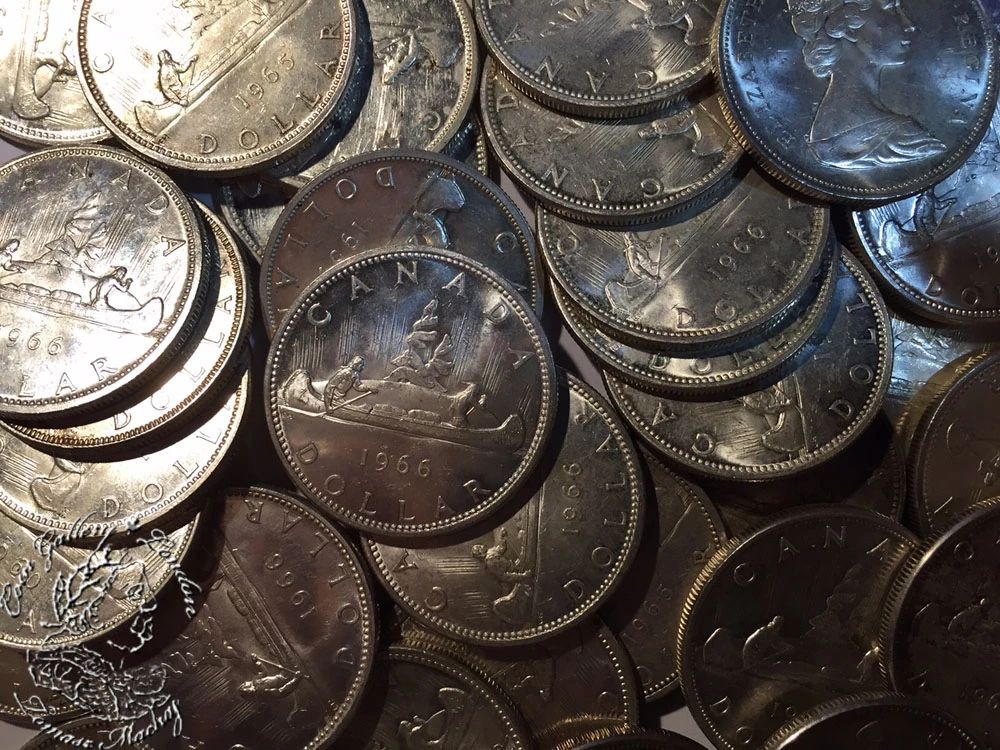
Several common errors can lead owners to undervalue or damage their Canadian silver dollars. A frequent mistake is assuming all large, old-looking dollar coins are silver. Circulation dollars minted after 1967 are made of nickel and have no precious metal content, so verifying the date is essential. Another critical error is attempting to clean coins to make them look newer, as this almost always leaves micro-scratches and removes the original patina, which collectors value, thereby reducing the coin's grade and worth. Selling to the first buyer without obtaining multiple quotes or understanding the difference between melt and collector value can result in accepting a lowball offer, particularly from general pawn shops that may not specialize in numismatics. Overlooking small details like mint marks or die varieties, such as the specific style of the 7 in 1947, can cause you to miss a rare and valuable variety. Finally, storing coins improperly by letting them rub against each other in a jar or bag can induce wear and scratches, decreasing their condition grade. Proper storage in individual soft holders or coin tubes is recommended for preservation. Beyond these primary mistakes, there are other pitfalls that can affect the outcome of a sale or the preservation of value. One is failing to recognize the importance of provenance or historical context, such as not realizing a coin is part of a commemorative set like the 1935 Silver Jubilee issue. Another is mishandling coins during examination, leaving fingerprints or oils on the surface that can lead to tarnishing. Relying solely on generic online melt calculators without considering the potential for collector premiums on specific dates is another way to undervalue a collection. Finally, neglecting to insure valuable coins, especially after they have been professionally graded and authenticated, leaves them financially unprotected against loss or damage.
The Role of Professional Grading and Authentication
For coins suspected of being rare or in superior condition, professional grading and authentication are invaluable steps. Services like the International Canadian Certification Service (ICCS) and the Numismatic Guaranty Company (NGC) employ experts to examine coins under magnification, assign a definitive grade on the 70-point scale, and verify their authenticity. The coin is then sealed in a protective, tamper-evident slab with a label detailing its grade and key attributes. This process provides several key benefits for the seller. It eliminates disputes about the coin's condition, as the grade is certified by a trusted third party. A graded coin commands higher buyer confidence, which often translates into a higher sale price, especially for coins graded MS-64 or higher. The encapsulation also protects the coin from future handling damage. While grading involves a fee and takes time, for potentially valuable coins, the increase in realized value and marketability typically far outweighs the cost. It is a standard practice in the numismatic market for serious transactions. The impact of professional grading on value can be dramatic, particularly for coins on the cusp of a high-grade threshold. A coin independently graded MS-65 by ICCS will reliably sell for a premium over a raw, ungraded coin claimed to be in the same condition. For key-date coins, authentication is equally critical, as counterfeits do exist in the marketplace. A slab from ICCS or NGC guarantees the coin is genuine, which is essential for high-value transactions. Furthermore, graded coins are easier to sell online and at auction because the grade is objective and the coin is protected. The label on the slab also often notes important varieties, such as 1947 Pointed 7 or Maple Leaf, which immediately communicates the coin's significance to potential buyers. For any Canadian silver dollar with a potential value exceeding a few hundred dollars, the investment in professional grading is a prudent step toward securing its full market value.
Frequently asked questions
Should I clean my old silver dollars before selling them?
You should never clean your old silver dollars. Professional numismatists and collectors strongly advise against cleaning coins, as even gentle rubbing can create fine scratches that are visible under magnification and permanently reduce the coin's grade. The natural toning and original surface are part of the coin's history and condition. Cleaning it will almost certainly lower its collector value.
Where is the best place to sell my Canadian silver dollars?
The best venue depends on your coins' value and your priorities. For a quick sale, reputable local coin dealers or bullion buyers offer immediate cash, though often at a discount to full retail value. For maximum return on rare or high-grade coins, professional grading followed by consignment to a specialized coin auction house is generally recommended. Online marketplaces can also be effective but require more effort from the seller.
Are all Canadian dollars from before 1970 made of silver?
No, only Canadian one-dollar coins minted in 1967 and earlier for circulation contain silver, specifically an 80% silver composition. It is the date, not merely the age, that determines the metal content. The large-size silver dollar series was produced for regular circulation from 1935 to 1967. As a rule, Canadian silver dollars from 1967 and earlier are the ones that contain precious metal and are worth examining closely for their silver value and potential collector premium.
What is the most valuable Canadian silver dollar?
The 1948 Canadian silver dollar is widely considered one of the most valuable due to its extreme scarcity, with very few coins minted. Other key dates include the 1945 dollar and the 1947 Pointed 7 with dot variety, which also command substantial premiums because of their rarity and collector demand. High-grade examples of these dates have sold for thousands of dollars at auction. While most circulated silver dollars from 1935 to 1967 range from $20 to $45 in melt value, these rare dates in excellent condition can be worth $100 to over $10,000. Their value is driven by collector demand far beyond their silver content.
How much silver is in an old Canadian silver dollar?
Each Canadian silver dollar minted between 1935 and 1967 contains 0.6 troy ounces of pure silver. The coins have a total weight of 14 grams and are composed of 80% silver and 20% copper, which gives them their distinctive appearance and heft. This silver content forms the foundation of the coin's melt value. As of May 2026, with silver trading around $73.94 per troy ounce, the melt value for these coins is approximately $38 to $45 CAD. This intrinsic value means even common, worn examples are worth significantly more than their one-dollar face value.
What does the grade MS-65 mean on a coin slab?
MS-65 stands for Mint State 65, a designation on the 70-point coin grading scale that indicates a coin is in uncirculated condition with no wear. An MS-65 coin will have full original mint lustre, above-average strike quality, and only very minor, distracting marks. Coins graded MS-65 or higher are considered premium collector pieces and can command prices many times higher than the same coin in a circulated grade. Professional grading by services like ICCS adds credibility and can significantly increase a coin's market value. For example, a 1967 Diving Goose dollar in MS-65 condition might sell for over $800, while a circulated example is worth far less.
Sources and further reading
- Canadian Silver Dollar Value Chart 2026 bwcoin.com
- Canadian coins price guide, value, errors and varieties coinsandcanada.com
- Canadian Silver Dollars for Sale | Rare Dollar Coins torontocoinshop.ca
- What Are Your Old Canadian Silver Dollars Worth? A 2026 ... canambullion.ca
This article explains how things work and is not financial, tax or legal advice. Rules, limits and rates change, so check the current figures with the Canada Revenue Agency, your province or your financial institution before you act.