Canadian bond rates represent the interest paid by government and corporate debt securities, serving as a crucial benchmark for the country's financial markets. The rates vary significantly based on the bond's issuer, term to maturity, and prevailing economic conditions. For Canadian investors and savers, these rates influence everything from mortgage costs to the returns on guaranteed investment products. Monitoring bond yields provides insight into market expectations for inflation, economic growth, and central bank policy.
What Are Bond Rates and Yields?
In Canadian finance, a bond rate typically refers to the coupon rate, which is the fixed annual interest payment expressed as a percentage of the bond's face value. The yield, however, is a more dynamic measure that reflects the bond's annual return based on its current market price. For example, a Government of Canada bond with a 3.000% coupon maturing on September 1, 2031, recently had a price of 97 and 8/32, which results in a yield different from its coupon. Yields are calculated and published for various standard terms, providing a snapshot of the cost of borrowing for governments and corporations. These figures are essential for pricing other debt in the economy, including loans and mortgages. The Bank of Canada and financial data providers like CanDeal Data and Analytics compile and publish benchmark yields daily.
Selected benchmark bond yields are based on mid-market closing yields of specific Government of Canada bond issues that mature approximately in the indicated terms. The bond issues used for these benchmarks are not necessarily the ones with the remaining time to maturity closest to the indicated term, which can cause differences from other data sources. The benchmarks for 2, 5, 10, or 30-year bonds are generally updated when a new benchmark bond is adopted by financial markets, typically after the last auction for that bond. The selected 3-year issue is usually updated at approximately the same time as changes are made to the 2-year benchmark, and sometimes with the 5-year. The 7-year benchmark is typically updated alongside changes to the 5 or 10-year benchmarks.

Current Government of Canada Bond Yields
Government of Canada bond yields form the foundation of the country's yield curve and are closely watched by investors globally. Recent data shows a yield curve where longer-term bonds generally offer higher yields than shorter-term ones, reflecting the typical term structure of interest rates. The generic yield for a 1-year Government of Canada bond is 2.99%, while the 2-year yield is 3.36%. Moving out the curve, the 5-year generic yield is 3.66%, the 7-year is 3.78%, and the 9-year is 3.84%. These generic yields provide a smoothed view of the market for bonds of specific maturities. In contrast, the yields on specific, actively traded benchmark bonds can show slight variations based on their liquidity and specific features.
The table below shows a selection of average yields for Government of Canada bonds across different term buckets. These yields provide another perspective on the market. For example, the average yield for a one to three year term is 3.20 percent. The average yield for a three to five year term is 3.49 percent. The average yield for a five to ten year term is 3.70 percent. The average yield for bonds over ten years is 4.12 percent.
| Term Bucket | Average Yield |
|---|---|
| 1 to 3 year | 3.20% |
| 3 to 5 year | 3.50% |
| 5 to 10 year | 3.70% |
| Over 10 years | 4.12% |
These averages are calculated from selected bond issues and give investors a sense of the return they might expect for committing capital over different time horizons. The Canada 10-year government bond yield recently decreased to 3.79%, which was noted as the lowest level since September 2026. Over a recent four-week period, the Canada 10-year bond yield lost 7.40 basis points, illustrating the daily fluctuations that can occur in bond markets based on economic data and central bank signals. The current benchmark bond issues and their effective dates are listed by the Bank of Canada, with sources including CanDeal Data and Analytics.
Provincial and Corporate Bond Rates
Beyond federal government debt, Canadian investors can access bonds issued by provincial governments and corporations, which typically offer higher yields to compensate for greater perceived risk. Provincial bonds, such as those from Quebec and Ontario, are considered high-quality but trade at a yield spread above Government of Canada bonds. An Ontario bond with a 3.60% coupon maturing on March 8 of an unspecified year was also listed. The yield differential between these provincial bonds and federal bonds of similar maturity reflects the market's assessment of each province's creditworthiness and the specific liquidity of each issue. Financial institutions like RBC Direct Investing provide platforms where investors can search for and purchase these bonds from a large online fixed income inventory.
Corporate bonds encompass debt issued by Canadian companies across various sectors. Investment-grade corporate bonds yield more than government bonds, while high-yield or junk bonds offer significantly higher rates due to their higher risk of default. The yields, prices, and available inventory for all bonds are subject to change based on market conditions. RBC Direct Investing offers access to one of Canada's largest online fixed income inventories, with yields and prices that vary based on the par value purchased. Bonds, GICs, and Strips can be located using the Fixed Income Detailed Product Search on the RBC Direct Investing site.
Historical Context and Canada Savings Bonds
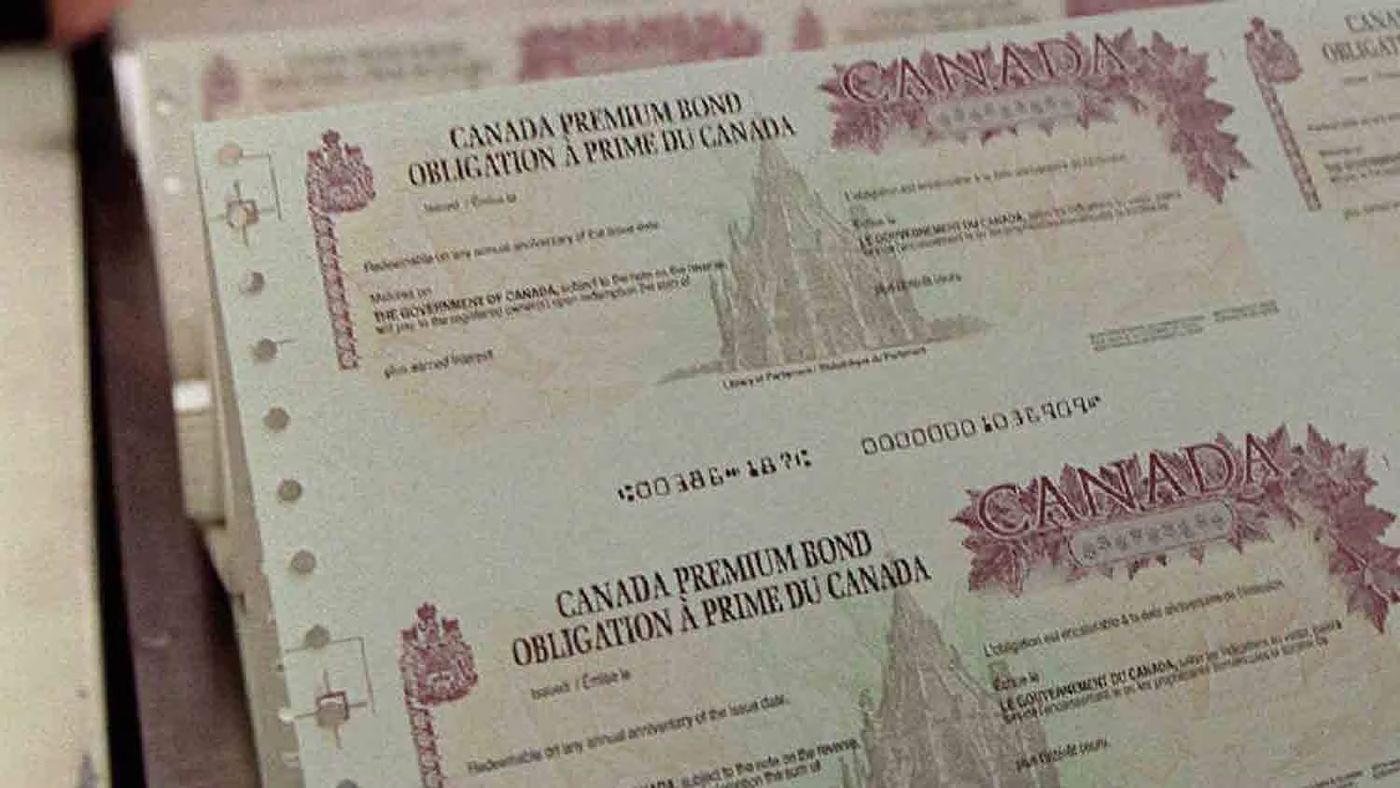
The landscape for Canadian savings vehicles has evolved, most notably with the end of the Canada Savings Bonds program. Canada Savings Bonds were a popular, non-marketable savings product offered directly to consumers by the federal government. The government discontinued the sale of new Canada Savings Bonds starting November 1, 2017. Existing bonds continue to earn interest until their maturity dates, and redemption rates are published for reference. The posted yields for these bonds are used to calculate certain business loans but are for reference only as the bonds are not traded on the open market. Some sites indicate rates for Canada Savings Bonds according to benchmarks, with rates valid for the remaining term of the issue.
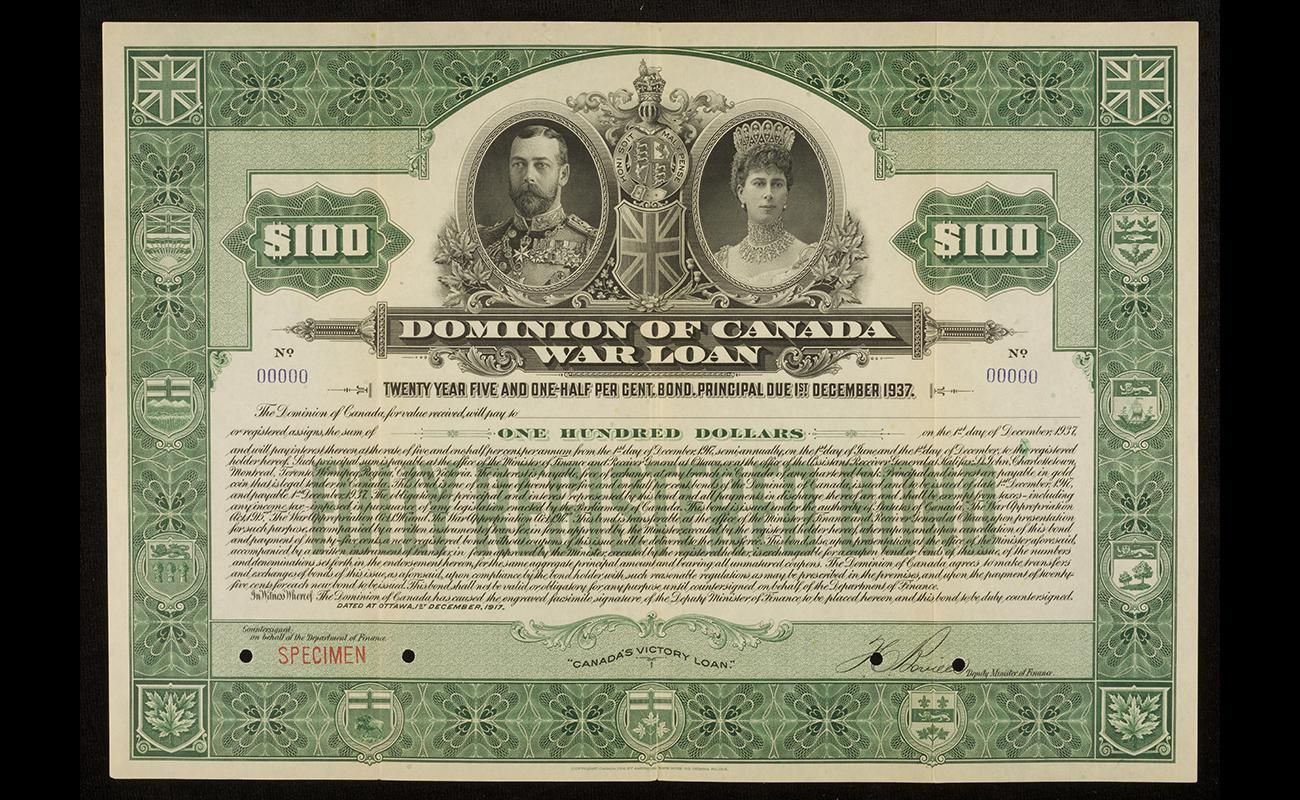
Historical benchmark bond data shows how yields have shifted over decades in response to economic cycles. This contrasts sharply with the much lower yields seen in recent years, highlighting the long-term decline in interest rates. Investors can look up the past ten years of data for these series through the Bank of Canada to analyze trends. Understanding this history is important for contextualizing current rate levels and forming expectations about future movements. The data is available for download from official sources for further analysis.
How Bond Rates Are Used and Influenced
Canadian bond rates are not just numbers for investors. They are fundamental inputs for the broader economy. The Government of Canada benchmark bond yields directly influence the pricing of many other financial products. Banks and other lenders use the 5-year government bond yield as a key reference rate for setting fixed mortgage rates. Corporate borrowing costs are also benchmarked against government yields, with a risk premium added. Furthermore, bond yields are a primary tool for the Bank of Canada to assess the transmission of its monetary policy, as movements in the policy rate typically flow through the yield curve. Forecasts from institutions like TD Economics provide outlooks for bond yields, with recent projections for the 2-year government bond yield at 2.82% and the 5-year at 3.09%.
Several key factors cause bond yields to change daily in the secondary market. The most significant driver is the market's expectation for future Bank of Canada policy rates. If investors expect rate hikes, longer-term yields tend to rise. Inflation expectations are equally critical, as higher expected inflation erodes the real return of a fixed-income payment, pushing nominal yields higher. The overall supply and demand for bonds, influenced by government deficit financing needs and investor appetite for safe assets, also affects yields. Global economic conditions and movements in major bond markets like the United States exert a strong influence on Canadian yields as capital flows across borders. Recent data shows Canadian bond yields fell sharply, with the two-year rate leading the decline.
Common Considerations for Investors
When evaluating Canadian bonds, investors must understand several key concepts beyond the stated rate. The relationship between a bond's price and its yield is inverse. When market interest rates rise, existing bonds with lower coupon rates fall in price to make their yield competitive, and vice versa. This price volatility is more pronounced for bonds with longer terms to maturity. A bond's yield to maturity is the total annual return an investor can expect if the bond is held until it matures, assuming all coupon payments are reinvested at the same rate. This figure incorporates both the coupon payments and any capital gain or loss if the bond was purchased at a discount or premium to its face value.
There are important practical steps and common pitfalls in the bond market. Investors should always verify whether a quoted yield is a coupon rate or a yield to maturity, as the latter is a more complete measure of return. It is crucial to check the credit rating of the issuer, as provincial and corporate bonds carry different levels of default risk than federal bonds. Liquidity can vary greatly between different bond issues, affecting the ease with which they can be bought or sold without impacting the price. Finally, investors must be aware of the tax implications, as interest income from bonds is fully taxable, unlike dividends from Canadian corporations which may receive favourable tax treatment.
- Understand the inverse relationship between bond prices and market interest rates.
- Differentiate between a bond's coupon rate and its yield to maturity.
- Assess the credit risk of the issuer, whether federal, provincial, or corporate.
- Consider the liquidity of the specific bond issue before purchasing.
- Account for the full taxation of bond interest income in investment planning.
- Use benchmark yields from official sources like the Bank of Canada for accurate market data.
Frequently asked questions
What is the current 5-year Government of Canada bond yield?
The current yield on the 5-year Government of Canada bond fluctuates daily. Recent data shows a generic 5-year yield of 3.66 percent. The yield on a specific benchmark 5-year bond was recently quoted at 3.623 percent. The 52-week range for this benchmark bond has been between 2.564 percent and 3.729 percent.
Can I still buy Canada Savings Bonds?
No, you cannot buy new Canada Savings Bonds. The Government of Canada discontinued the sale of Canada Savings Bonds starting November 1, 2017. Existing bonds held by Canadians continue to earn interest until they reach their maturity dates. The government publishes redemption rates for these bonds for reference, but they are not traded on the open market.
Where can I find reliable data on Canadian bond yields?
The most authoritative source for Government of Canada benchmark bond yields is the Bank of Canada. The bank publishes selected benchmark bond yields based on mid-market closing yields. This data is provided by CanDeal Data and Analytics. Many financial institutions and economic data portals also display this information.
What does a bond's yield tell me that the coupon rate does not?
A bond's coupon rate is the fixed annual interest payment as a percentage of its face value, set when the bond is issued. The yield, particularly the yield to maturity, reflects the total annual return an investor would receive based on the bond's current market price. If a bond trades below its face value, its yield will be higher than its coupon rate, and if it trades above, the yield will be lower. The yield is therefore a more accurate measure of the bond's current earning potential.
Why do bond yields change every day?
Bond yields change daily due to shifting market forces in the secondary market where bonds are traded. Key drivers include changes in expectations for future Bank of Canada interest rate moves. Revisions to inflation forecasts also impact yields. Evolving assessments of economic growth and adjustments in the supply and demand for bonds are other factors. Global economic events and movements in major foreign bond markets also have a significant impact.
How do provincial bond rates compare to federal bond rates?
Provincial bond rates are typically higher than Government of Canada bond rates for comparable maturities. This difference reflects a slight premium that investors demand for the credit risk of provincial governments compared to the federal government. In contrast, a Government of Canada 5 year bond yield was recently around 3.66 percent according to a generic yield listing. An Ontario provincial bond with a 3.60 percent coupon was also noted. The higher provincial yields compensate for their perceived, though still low, increased risk relative to federal bonds.
Sources and further reading
- Selected bond yields bankofcanada.ca
- Bond Rates rbcdirectinvesting.com
- Yield, Government of Canada bonds Canada Savings ... desjardins.com
- Latest Forecast Tables, TD Economics economics.td.com
This article explains how things work and is not financial, tax or legal advice. Rules, limits and rates change, so check the current figures with the Canada Revenue Agency, your province or your financial institution before you act.