Buying silver in Canada involves purchasing physical bullion products such as coins, bars, and rounds from authorized dealers, online platforms, or specialized coin shops. Canadians invest in silver for its affordability, tangible value, and role as a hedge against inflation and currency fluctuations. The process is straightforward, with a wide selection of products available, including the Canadian Silver Maple Leaf coin. Understanding the types of silver, where to buy, and how transactions work is key to making an informed investment.
Why Canadians Buy Silver
Silver is one of the most trusted precious metals for investment, second only to gold. Its affordability compared to gold allows investors to begin building a tangible asset portfolio with a lower initial outlay. Silver retains intrinsic value and is recognized worldwide, providing a form of security against market fluctuations and currency depreciation. Many Canadians incorporate silver into their investment strategy to diversify their holdings and protect wealth over the long term. The physical nature of silver bullion offers a sense of security that digital or paper assets cannot replicate.
Investing in silver coins offers several specific benefits that attract both new and experienced investors. Silver coins typically cost less than gold coins, making it easier to start a precious metals portfolio. Recognized bullion coins can be easily bought or sold in global markets, which is convenient for investors who plan to trade or sell their holdings later. Silver is often used to balance investment portfolios alongside gold and other assets to help reduce risk and increase diversification. The act of buying silver provides an opportunity to invest in a tangible holding that has long-term potential for wealth preservation.
Types of Silver Products Available
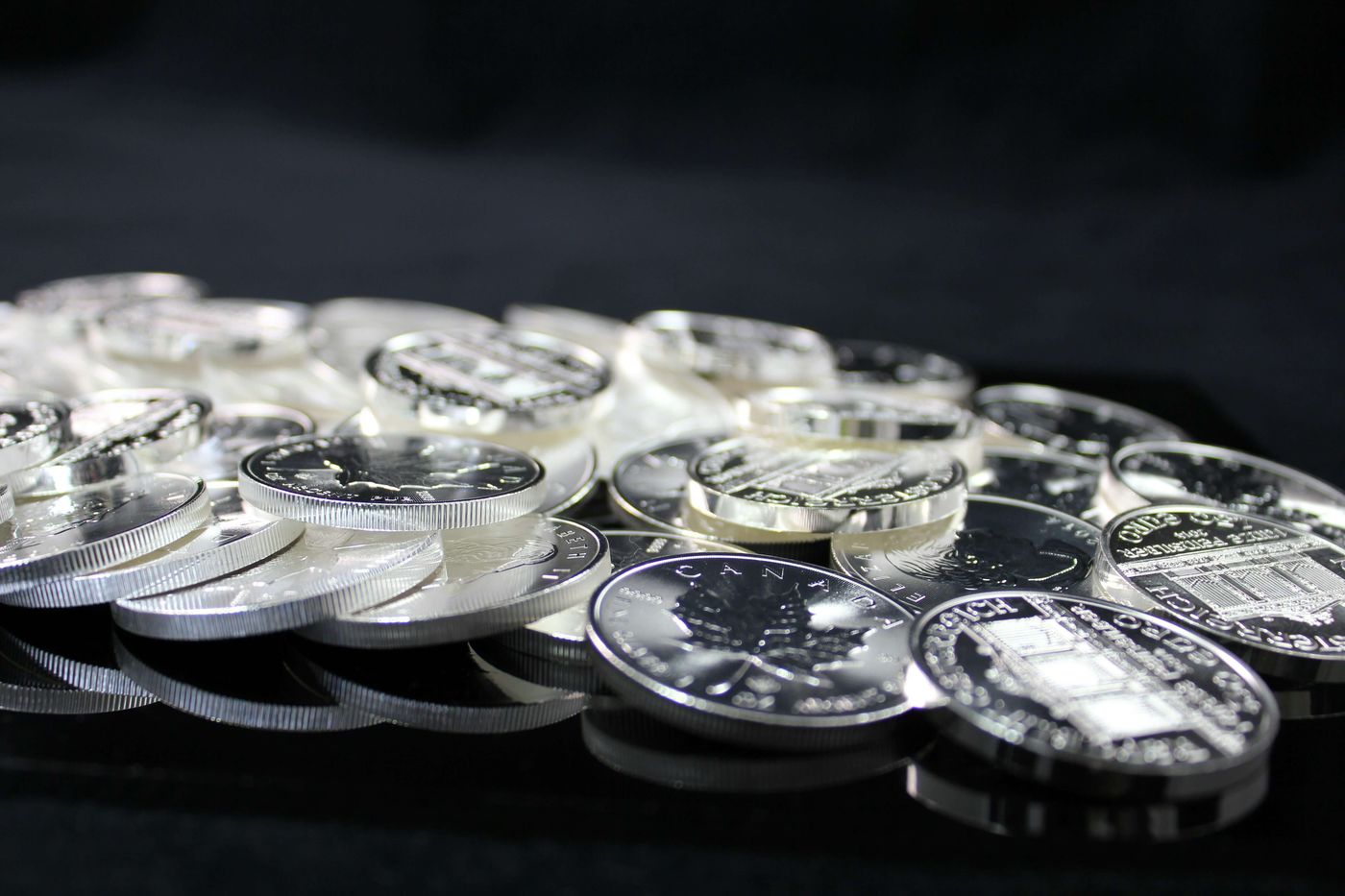
The Canadian market offers a variety of silver products, each with distinct characteristics and investment profiles. Silver bars are a cost-efficient way to acquire larger amounts, as they typically carry lower premiums over the spot price than coins. Common sizes include 1 ounce, 5 ounce, 10 ounce, 100 ounce, and 1 kilogram bars, with many refined to .999 or .9999 purity. The Royal Canadian Mint produces a 10 ounce silver bar minted to .9999 quality, and a 100 ounce bar of the same fine standard. Silver coins, such as the Canadian Silver Maple Leaf, are government-minted and guaranteed for weight and purity, offering high liquidity and recognition.
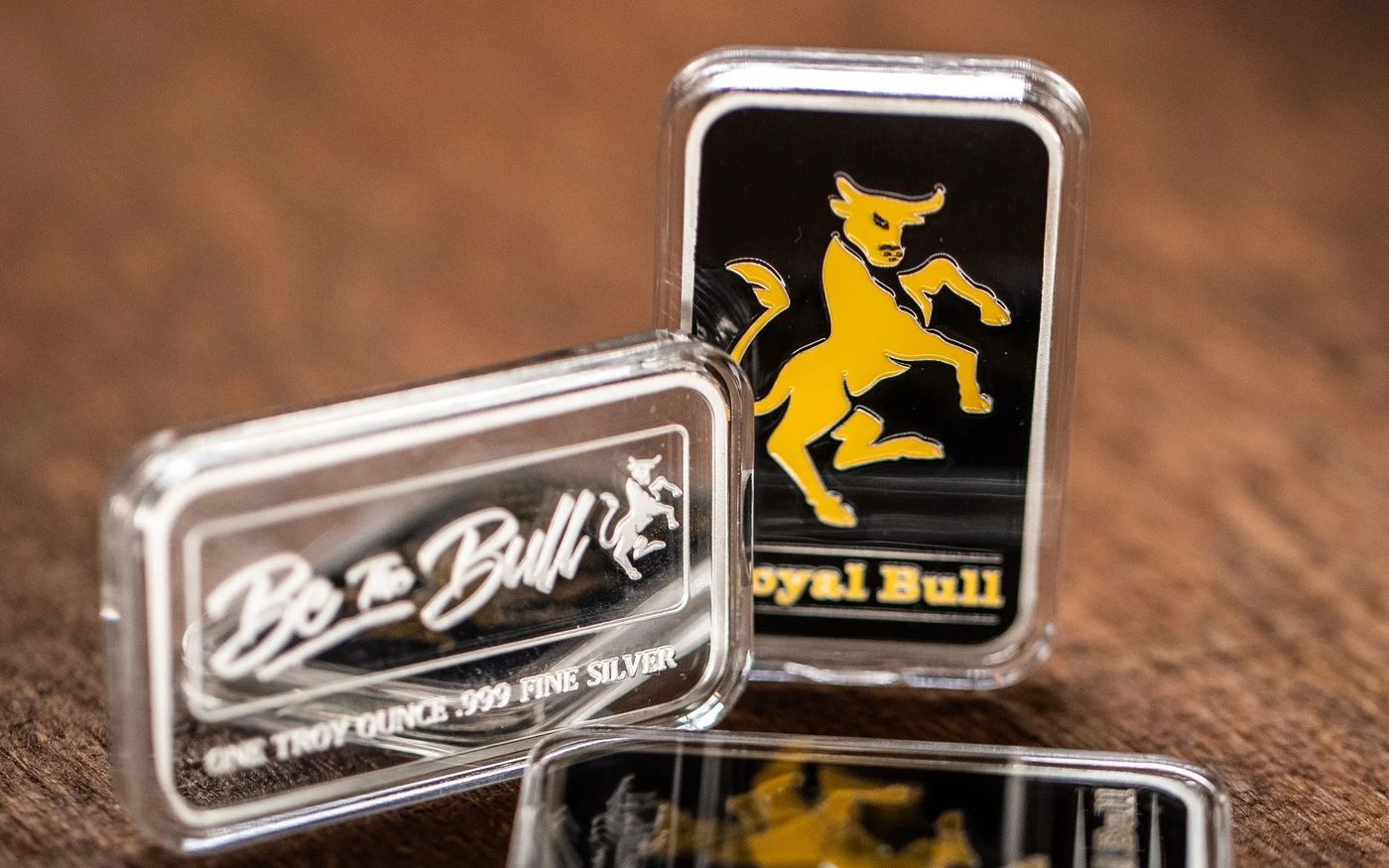
Silver rounds are privately minted, usually .999 pure, and offer a lower-premium alternative to official coins while still providing the same metal content. They are available in sizes like 1/2 ounce and 1 ounce, including designs such as the Silver Buffalo Round or annual Lunar series rounds. For larger-scale investments, products like stacker packs and monster boxes provide convenience and savings on premiums per ounce. A monster box typically contains 500 one-ounce coins, such as Silver Maple Leafs, sealed in tubes. Collectible silver coins from the Royal Canadian Mint combine historical or artistic appeal with intrinsic metal value and can feature themes like Canadian animals or international sports events.
When selecting a product, investors should consider the common options available from Canadian dealers. Silver bars offer a cost-efficient way to acquire larger amounts of silver, with sizes ranging from 1 ounce to 100 ounces and 1 kilogram. Silver coins, such as the Canadian Silver Maple Leaf, are government-minted and offer high liquidity and recognizability. Silver rounds are a practical and cost-effective method for investing, maintaining high purity with lower premiums than sovereign coins. Collectible coins and coin sets from the Royal Canadian Mint combine historical and intrinsic value for diversified portfolios.
- Canadian Silver Maple Leaf coins (1 oz, .9999 fine, with $5 face value).
- American Silver Eagle coins (1 oz, 99.9% pure, $1 face value).
- Other sovereign coins like British Silver Britannia or Austrian Silver Philharmonic.
- 1 oz, 5 oz, 10 oz, 100 oz, and 1 kilo silver bars from various refiners.
- 1 oz silver rounds from private mints, often sold in tubes or monster boxes.
- Limited edition collectible coins and coin sets from the Royal Canadian Mint.
- Hand poured silver bars, which offer a unique, artisan form of bullion.
- Pre-packaged stacker packs containing multiple silver items for bulk acquisition.
Where to Buy Silver in Canada
Canadians can purchase silver bullion through several established channels, each with its own advantages. Authorized bullion dealers operate both physical storefronts and online platforms, offering a wide selection of products from various mints and refiners. Many of these dealers are Canadian-owned and provide services like local pickup at multiple locations across the country, with some offering pickup at all 19 of their locations. Online precious metals platforms have grown in popularity, allowing investors to compare prices and products easily from home and often featuring margins up to 50% lower than competitors. Specialized coin shops also serve as a traditional source for silver coins and collectibles, often providing expertise for both new and experienced buyers.
Major financial institutions may also offer precious metals services to their clients. TD clients can sell precious metals at any TD branch, with pricing based on live market rates for gold, silver, and platinum. The Royal Canadian Mint sells its bullion and collectible coins directly through its own channels and via authorized distributors. Canada Post's online store also offers Royal Canadian Mint gold and silver coins and sets, providing another accessible retail option with services like free shipping on orders over $25. When choosing a seller, investors should look for dealers with clear pricing, secure payment methods, guaranteed delivery, and a strong reputation evidenced by ratings like a BBB A+ rating and positive customer reviews.
Key Considerations When Purchasing
When buying silver, several practical factors require attention to ensure a secure and informed transaction. The premium over the spot price is a primary consideration, as it varies between product types and dealers. Bars generally have lower premiums than coins, while sovereign coins like the Maple Leaf may command a higher premium due to their guaranteed purity and liquidity. Some dealers advertise trade premiums that are 48% lower than the market, and margins up to 50% lower than competitors. Authenticity is paramount, especially with higher-value purchases. The Royal Canadian Mint incorporates DNA anti-counterfeiting technology in its 1 oz Silver Maple Leaf coins minted from 2015 onward, featuring an encrypted registration code within the coin's privy mark that can be read with a special reader.
Storage and insurance for physical silver are important logistical steps that buyers must plan for after purchase. Reputable dealers often require government-issued identification for order verification as part of their security and regulatory compliance processes, and an order cannot be placed without providing the required ID. Investors should also be aware of the buy-back policies of their dealer, as this affects the liquidity of their investment when they decide to sell. Checking a dealer's reputation through sources like the Better Business Bureau, thousands of 5-star Google reviews, and industry standing is a standard due diligence practice. It is also wise to understand shipping options, such as insured delivery or local pickup, and any associated costs.
The Purchase Process and Requirements
The process for buying silver, particularly online, follows a standard sequence designed for security and clarity. First, investors select their desired products, such as specific coins, bars, or rounds, often comparing live prices based on the fluctuating silver spot rate. Upon checkout, most reputable dealers will require account creation and submission of government-issued identification for verification before the order can be processed. This ID request is usually sent via email, and the dealer must review it before proceeding. Payment is typically completed via secure methods like bank wire, credit card, or electronic transfer.
Following payment confirmation and ID verification, the dealer prepares the order for shipment or arranges for local pickup at one of their locations if available. For larger orders, such as monster boxes or bulk bar purchases, special ordering or longer lead times may apply. Some products, especially those from specific refiners or in high demand, may be available for pre-order if not currently in stock. It is common for dealers to ship products in secure, discreet packaging, often with insurance coverage for the shipment's value. The entire process, from selection to delivery, is designed to be transparent and secure when conducted through an established Canadian dealer.
The typical steps to buy silver online from a Canadian dealer begin with selecting the type of product, such as bars, coins, or rounds. Investors then proceed to a simple checkout process on the dealer's online platform. Most reputable dealers require a government-issued ID for order verification, which is requested via email. After ID submission and review, the order is processed with secure nationwide shipping or options for local pickup at dealer locations.
- Browse the dealer's online platform and select the type of silver product (bars, coins, rounds, collectibles).
- Add chosen items to the cart, noting quantities available as singles, tubes, or boxes.
- Proceed to checkout and create an account, providing necessary contact and shipping details.
- Submit a government-issued ID as requested by the dealer for verification purposes.
- Complete payment using a secure method like credit card or bank wire.
- Await order processing, which includes ID review and preparation of the items.
- Receive the shipment via insured delivery or pick up the order at a local dealer location.
Selling Your Silver Holdings
Selling silver in Canada is generally a straightforward process through the same channels used for purchase. Most bullion dealers offer buy-back services for the products they sell, providing transparent evaluations based on the current market price. The liquidity of an item depends largely on its recognition. Widely traded products like the Canadian Silver Maple Leaf or common bar sizes from well-known refiners can be sold quickly. Dealers typically assess the item's weight, purity, and condition to determine their offer, which will be at a price below the current retail selling price to account for their margin. Some dealers promise instant payment and top market prices when you sell silver back to them.
Financial institutions like TD facilitate the sale of precious metals for their clients directly at branches. When selling, it is advisable to obtain quotes from multiple buyers to ensure a competitive price. The payment from a sale is usually provided promptly, often via direct deposit or cheque. The ease of converting physical silver back into cash is a key aspect of its appeal as a liquid, tangible asset within a diversified Canadian investment portfolio. Selling services ensure that the process is efficient and provides peace of mind when transacting with a trusted Canadian dealer.
Security Features and Authenticity
Ensuring the authenticity of silver bullion is a critical concern for investors, and several security measures are in place. The Royal Canadian Mint employs advanced DNA anti-counterfeiting technology on its bullion coins. For silver, this technology was introduced on the 1 oz Silver Maple Leaf in 2015. DNA stands for digital non-destructive activation and involves an encrypted registration code located within the privy mark of each coin. This code can be read using a Royal Canadian Mint DNA Bullion reader to authenticate the coin. This feature provides a high level of security and confidence for investors purchasing one of Canada's most recognized silver products.
Other sovereign mints also incorporate security features into their coins, such as micro-engraving or unique designs. Silver bars from reputable refiners bear a stamp indicating the refiner's name, the weight, and the purity, such as .999 or .9999. When purchasing, buying from authorized dealers who source directly from mints and refiners is the best defence against counterfeit products. Dealers often provide assay cards or certificates with larger bars, and many products arrive sealed in tamper-evident packaging. Investors should familiarize themselves with the specific security features of the products they intend to buy and use trusted channels for all transactions.
Pricing and Premiums in the Canadian Market
The price of silver in Canada is primarily based on the international spot price, which fluctuates throughout the trading day. Dealers add a premium to this spot price to cover their costs and profit margin. This premium varies significantly depending on the product type, its size, and the dealer's pricing structure. Silver bars typically carry lower premiums than coins because they are simpler to produce. For example, a 100 ounce silver bar will have a lower cost per ounce than a single 1 ounce coin. Coins, especially those from government mints like the Royal Canadian Mint, carry higher premiums due to their design, minting costs, and guaranteed liquidity.
Some dealers advertise competitive pricing, such as trade premiums 48% lower than the market or margins up to 50% lower than competitors. Purchasing in bulk can also reduce the effective premium per ounce. Buying a monster box of 500 coins, a pack of 25 coins, or a larger bar size often results in a lower per-unit cost compared to buying single items. It is important for investors to compare not just the spot price but the final delivered cost, which includes the premium, any taxes, and shipping or insurance fees. Monitoring the current silver price in Canada allows investors to make informed decisions and purchase at competitive rates.
Common product formats and their packaging affect the premium and convenience of purchase. Silver bars are typically sold individually or in bulk, with larger bars offering a lower cost per ounce. Silver coins are available in singles, packs such as 25, or Monster Boxes containing 500 coins for large-scale investment. Silver rounds are often available in singles, packs of 20, or boxes of 500, providing flexible options for different investment sizes.
| Product Type | Common Packaging Format | Typical Quantity |
|---|---|---|
| Silver Maple Leaf Coin | Single, Tube, Monster Box | 1 coin, 25 coins, 500 coins |
| Silver Rounds | Single, Tube, Monster Box | 1 round, 20 rounds, 500 rounds |
| 10 oz Silver Bar | Single Bar | 1 bar |
| Gold Maple Leaf Coin | Single, Pack of 10 | 1 coin, 10 coins |
| Collectible Coin Sets | Individual Set | 1 set |
Frequently asked questions
Is it safe to buy silver online in Canada?
Buying silver online in Canada is safe when using reputable, authorized bullion dealers or established platforms. These sellers provide genuine products, secure payment processing, and guaranteed shipment, often with insurance. Many Canadian dealers have physical storefronts and pickup locations, adding another layer of trust. It is important to verify the dealer's credentials, such as their Better Business Bureau rating and customer reviews, before transacting.
What is the most popular silver coin in Canada?
The most popular silver coin in Canada is the Canadian Silver Maple Leaf from the Royal Canadian Mint. It is the official fine silver bullion coin of the mint, guaranteed to contain one troy ounce of 9999 fine silver with a face value of $5. First minted in 2015, it features DNA anti counterfeiting technology for security. This coin is widely recognized by investors and dealers globally for its purity and liquidity, and it is available for purchase in singles, packs of 25, or boxes of 500.
Do I need to show ID to buy silver?
Yes, you need to provide a government issued ID when buying silver from reputable dealers. This is a standard requirement for order verification and regulatory compliance. Dealers typically send an ID request via email after an order is placed, and the order cannot proceed until the identification is submitted and reviewed. This process helps prevent fraud and ensures secure transactions for both the buyer and the seller.
What is DNA technology on Silver Maple Leaf coins?
DNA technology is an advanced anti counterfeiting feature used on Royal Canadian Mint Silver Maple Leaf coins minted from 2015 onward. DNA stands for digital non destructive activation and involves an encrypted registration code located within the coin's privy mark. This code can be read using a specialized Royal Canadian Mint DNA Bullion reader to authenticate the coin. This technology provides a high level of security and assurance for investors regarding the coin's legitimacy.
What are the benefits of investing in silver?
Silver is one of the most trusted precious metals for investment, second only to gold. Its affordability, stability, and tangible value make it an effective way to protect and grow wealth over time. Unlike paper currency or digital assets, silver retains intrinsic value and is recognized worldwide, providing security against market fluctuations and currency depreciation. It is often used to balance investment portfolios alongside gold to help reduce risk and increase asset diversification due to its lower entry cost.
What types of silver bars are available for purchase?
Silver bars come in various sizes, offering a cost efficient way to acquire larger amounts of silver. AU Bullion provides 1 Oz, 5 Oz, 10 Oz, 100 Oz, and 1 Kilo silver bars, including hand poured bars. Bars typically carry lower premiums than coins, allowing more value for the investment. The Royal Canadian Mint also produces 10 ounce and 100 ounce silver bars minted to .9999 fine quality. These bars provide a tangible, high value asset that is simple to hold and manage.
Sources and further reading
- Buy Silver Bullion Online | Bars & Coins aubullion.ca
- Silver | The Royal Canadian Mint mint.ca
- Silver Prices and Rates canadagold.ca
- Buy Silver Online in Canada canadianbullion.ca
This article explains how things work and is not financial, tax or legal advice. Rules, limits and rates change, so check the current figures with the Canada Revenue Agency, your province or your financial institution before you act.