Canadians can purchase gold coins from banks, online dealers, and local bullion shops. Buying gold coins is a common method for investing in physical precious metals, often used for portfolio diversification and wealth preservation. The process involves selecting a reputable seller, understanding pricing premiums, and arranging secure storage or delivery. This guide outlines the practical steps, options, and considerations for Canadian investors looking to acquire gold coins.
Where to Buy Gold Coins in Canada
Canadian investors have several trusted avenues for purchasing gold coins. Major Canadian banks, including CIBC and TD, sell physical gold bullion directly to customers. Purchases can be made by visiting a branch or through the bank's dedicated precious metals website. Banks offer the advantage of dealing with a federally regulated institution, providing assurance regarding the authenticity of the coins. Online precious metals dealers represent another major channel. Companies such as Silver Gold Bull Canada, Toronto Gold Bullion Inc, and AU Bullion operate extensive online platforms. These dealers often provide a wider selection of products, including coins from global mints, and may offer competitive pricing. Local bullion dealers with physical storefronts in major cities also serve the market. These shops allow for in-person inspection and immediate pickup, which can be appealing for some buyers. Regardless of the channel, it is crucial to verify the dealer's reputation through reviews and ratings, such as the Better Business Bureau's A+ rating held by some dealers.
Understanding Gold Coin Types and Pricing
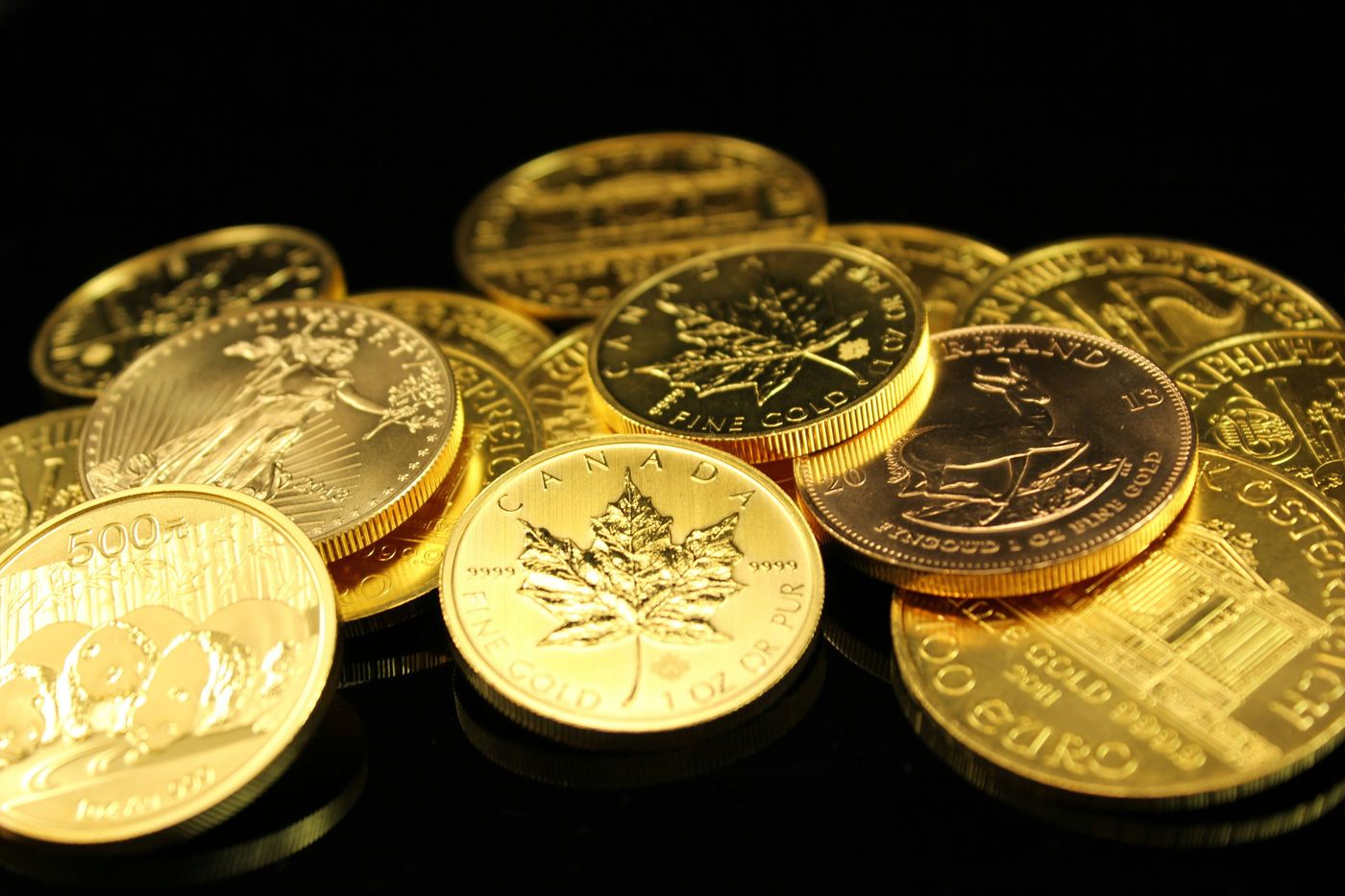
The price of a gold coin is primarily determined by its gold content, based on the live market spot price per troy ounce. However, investors pay a premium above this spot price. This premium covers minting costs, distribution, dealer margins, and the coin's collectible value. Bullion coins, like the Canadian Gold Maple Leaf, are minted for investment and typically carry lower premiums. Collector coins, such as special edition or numismatic coins from the Royal Canadian Mint, often have higher premiums due to their artistic designs and limited mintage. The Royal Canadian Mint produces gold coins in various compositions, but its flagship Gold Maple Leaf is 99.99% pure, or 24-karat gold. Other popular international coins include the American Gold Eagle (22-karat) and the Austrian Gold Philharmonic (24-karat). Smaller denomination coins, like a 1/10 oz Maple Leaf, have a higher premium per gram of gold than a 1 oz coin due to proportionally higher manufacturing costs. Prices from banks are quoted in Canadian dollars, and some may also offer U.S. dollar pricing in-branch.
The Canadian Gold Maple Leaf
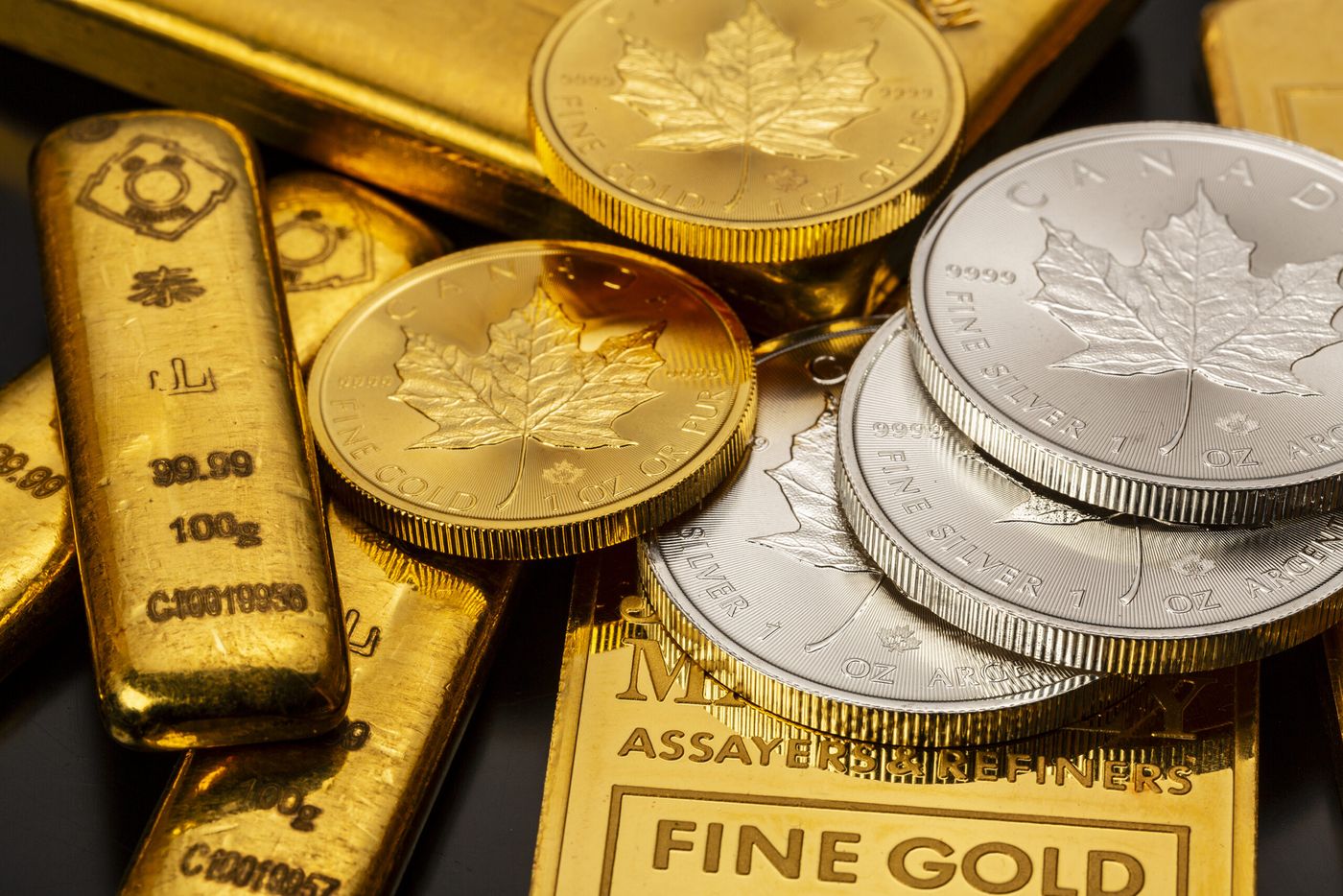
The Canadian Gold Maple Leaf is the official gold bullion coin of Canada, struck by the Royal Canadian Mint. First minted in 1979, it is globally recognized and highly liquid. The coin is guaranteed to contain 31.1 grams (one troy ounce) of 99.99% pure gold for the one-ounce version, with a face value of 50 Canadian dollars. The Royal Canadian Mint incorporates advanced security features to combat counterfeiting. Since 2014, one-ounce Gold Maple Leaf coins have featured DNA anti-counterfeiting technology. This technology involves an encrypted registration code within a privy mark on the coin, which can be authenticated with a special reader. The coins also feature precise radial lines and micro-engraved markings. The Maple Leaf is available in multiple sizes, including 1 oz, 1/2 oz, 1/4 oz, 1/10 oz, and 1 gram, making gold ownership accessible at different investment levels. It is consistently ranked among the top three most traded bullion coins worldwide.
Step-by-Step Purchase Process
Buying gold coins involves a series of clear steps, from research to taking possession. First, determine your investment goals and budget, as this will influence the type and quantity of coins you purchase. Research current gold spot prices and compare premiums from different sellers, including banks and online dealers. Next, select a reputable dealer. For bank purchases, you may need to visit a branch or create an online account on their precious metals platform. When ordering, you will typically pay from a Canadian-dollar chequing, savings, or personal line of credit account. Banks like CIBC allow purchases from U.S. dollar-denominated accounts for in-branch transactions. After placing your order, you must arrange for delivery or pickup. Most sellers offer insured shipping, with deliveries to urban homes or bank branches occurring within three business days. The buyer or an authorized recipient must sign for the delivery. Finally, upon receipt, inspect your coins and consider your storage options, whether at home in a safe or in a professional vaulting service.
Common steps in the purchase process include researching gold prices and dealer premiums, selecting a reputable seller such as a bank, online dealer, or local shop, and choosing the specific coin type and denomination. Investors then place the order and complete payment, arrange for secure delivery or in-person pickup, and verify the coins upon receipt to plan for storage. It is important to note that all confirmed purchases are final, with no option for return or cancellation once the order is processed. Banks like CIBC explicitly state that precious metal collector coin purchases are final and they do not buy them back.
Rules, Limits, and Tax Considerations
Purchasing gold coins in Canada is subject to specific rules and financial limits set by sellers. Banks typically impose a maximum purchase amount within a 24-hour period. For example, CIBC sets a limit of $9,500 CAD, before taxes and shipping fees, for online purchases. There is generally no minimum purchase amount for physical gold coins at banks. When buying, you must pay applicable taxes based on your province or territory of residence. There are usually no transaction fees for buying the metals themselves from banks. Prices quoted online are typically in Canadian dollars and are often reserved for only two minutes during the checkout process, requiring a refresh to get an updated rate. For delivery, shipments are insured and will not be left without a signature. If a courier cannot complete delivery, a notice is left indicating where the shipment is being held for pickup. Only the person who placed the order is authorized to pick it up at a bank branch, and they must present two pieces of valid identification. Delivery specifics are standardized by major institutions, with CIBC delivering within three business days to most urban homes and banking centres, Monday to Friday between 9:00 am and 5:00 pm Eastern Time, with no shipping to post office boxes, business addresses, some remote locations, or internationally.

Storage and Security for Gold Coins
Once purchased, securing your gold coins is a critical consideration. Many investors opt for professional vault storage offered by dealers or third-party custodians to mitigate risks of theft, loss, or damage at home. These secure facilities are often insured and provide peace of mind. If you choose home storage, a high-quality safe bolted to the structure of your home is a minimum requirement. It is also prudent to keep your purchase confidential and maintain detailed records, including serial numbers from assay cards and certificates of authenticity. For modern Canadian Gold Maple Leafs with DNA technology, preserving the assay card is particularly important as it contains the unique registration code needed for authentication with a Royal Canadian Mint reader. Some online dealers partner with global vaulting facilities to offer segregated storage options for clients. The cost of professional storage is an ongoing expense that should be factored into the total cost of ownership for your gold investment.
Selling Your Gold Coins
The process for selling gold coins in Canada differs from buying. Banks that sell coins may also offer buy-back services, but typically only for bullion products, not collector coins. For instance, you can visit a CIBC Banking Centre to sell gold and silver. The bank considers buying back these metals when the products are in good condition and meet their quality standards. They reserve the right to decline any transaction without providing a reason. The price offered upon sale will be based on the current market spot price, minus any fees or spreads, and may be higher or lower than the price originally paid. Many investors choose to sell through online dealers or local bullion shops, which often have straightforward selling processes. These dealers will typically test the gold's purity and weight before making an offer. It is important to have the original assay card or certificate of authenticity, especially for coins with advanced security features like the DNA-marked Maple Leafs, as this can streamline the verification process and potentially result in a better price. Selling to a bank involves specific conditions, with CIBC stating they will consider buying back gold and silver when the products are in satisfactory condition as confirmed by them or their agents, with payment made only after this quality confirmation and the bank's buy-back price not guaranteed and fluctuating with the market.
Common Mistakes and How to Avoid Them
Several common errors can affect the cost and security of a gold coin investment. One mistake is focusing solely on the lowest price without verifying the dealer's reputation. It is essential to buy from accredited sources to guarantee authenticity. Another error is not accounting for the full cost, including premiums, shipping, insurance, and taxes, which all add to the final price. New investors sometimes buy collector or numismatic coins thinking they are a better investment, but these often carry much higher premiums and are less liquid than standard bullion coins. Failing to plan for secure storage is another risk. While home storage is an option, professional vault storage eliminates risks of theft or loss. Overlooking the buy-back policy of a dealer can also be a problem. While banks like CIBC may buy back gold and silver under certain conditions, they do not buy back collector coins, and the repurchase price may be higher or lower than the original purchase price. Finally, not keeping purchase records and certificates of authenticity can complicate future sales. A specific mistake is misunderstanding product types, as the Royal Canadian Mint produces both bullion coins for investment and collector coins for their artistic value, with collector coins sold as final purchases with no buy-back guarantee from banks, and confusing these with standard bullion Maple Leafs can lead to unexpected illiquidity.
Comparing Purchase Channels
| Channel | Key Features | Considerations |
|---|---|---|
| Major Banks (e.g., CIBC, TD) | Purchase in-branch or online. Insured delivery. Authenticity guaranteed. Buy-back possible for bullion. | Product selection may be limited. Maximum purchase limits apply (e.g., $9,500/24h). Prices may include higher premiums. |
| Online Dealers (e.g., Silver Gold Bull Canada) | Wide selection of domestic and international coins. Often competitive premiums. Detailed educational resources. | Requires due diligence on dealer reputation. Shipping and insurance costs apply. Storage partnerships may be offered. |
| Local Bullion Shops | Immediate pickup and inspection. No shipping delays or fees. Personal service. | Geographic limitation. Prices may vary. Inventory depends on local stock. |
Each channel serves different investor needs. Banks provide a high level of trust and convenience, especially for those who already bank with the institution. Their processes are integrated, allowing payment directly from chequing or savings accounts. Online dealers often have lower margins, with some claiming margins up to 50 percent lower than competitors, and provide access to a vast inventory including gold bars, rounds, and coins from multiple world mints. Local shops offer tangibility and the ability to build a relationship with a dealer, which can be beneficial for both buying and future selling. Ultimately, the choice depends on the investor's priorities regarding cost, convenience, selection, and personal preference for the purchasing experience.
Frequently asked questions
Can I buy gold coins from a Canadian bank?
Yes, you can buy physical gold coins from several major Canadian banks. CIBC allows you to purchase gold bullion by visiting a branch or through its online precious metals website. TD Precious Metals also offers gold coins for purchase online or at TD branches. These banks are trustworthy sources that sell authentic coins with guarantees, providing convenient options like free home delivery or branch pickup for your purchases.
What is the most popular gold coin in Canada?
The most popular and trusted gold coin in Canada is the Canadian Gold Maple Leaf. It is the official pure gold bullion coin of the Royal Canadian Mint, struck in 99.99% pure gold. This coin is globally recognized and highly liquid, making it a default choice for investors. It is available in multiple denominations including one ounce, half ounce, quarter ounce, tenth ounce, and one gram, offering options for different investment sizes and goals.
Are there limits on how much gold I can buy?
Yes, there are often purchase limits set by sellers. For instance, CIBC has a maximum online purchase amount of $9,500 CAD before taxes and shipping within a 24 hour period. Purchases exceeding this limit require a visit to a banking centre. Conversely, there is typically no minimum purchase amount for physical gold coins when buying from a bank, making it accessible for various investment levels.
Do I pay tax when buying gold coins in Canada?
Yes, you must pay applicable taxes when buying gold coins in Canada. The taxes are based on your province or territory of residence. The listed purchase price from dealers is before tax, and GST, HST, or PST will be added at the time of checkout. It is important to note that while these taxes apply, there are generally no separate transaction fees charged for the purchase of the precious metals themselves.
How are gold coins delivered, and is it safe?
Gold coins are delivered securely via insured courier services. For example, CIBC offers free and secure home delivery typically within three business days to most urban addresses, or you can choose to pick up your order at a banking centre. Shipments require a signature upon delivery and will not be left unattended. The delivery is fully insured for the value of the purchase, providing safety and peace of mind for the buyer.
Can I return or cancel a gold coin purchase?
No, you cannot return or cancel a gold coin purchase once it is confirmed. Purchases of precious metals from banks and dealers are final sales. CIBC explicitly states that precious metal purchases are final and they do not buy back collector coins. Therefore, it is crucial to be certain of your purchase decision before completing the transaction, as there is no option for a refund or cancellation.
Sources and further reading
- Gold mint.ca
- Buy Gold Bullion, Coins & Bars sprottmoney.ca
- Silver Prices and Rates canadagold.ca
- Where Should I Buy Gold Coins From? goldstockcanada.com
- Precious Metals Purchasing | Investing cibc.com
This article explains how things work and is not financial, tax or legal advice. Rules, limits and rates change, so check the current figures with the Canada Revenue Agency, your province or your financial institution before you act.