The BMO World Elite Mastercard lineup consists of premium credit cards designed for higher-income Canadian consumers. These cards, including the CashBack and Ascend variants, offer high rewards rates on specific purchases, travel perks, and extensive insurance coverage in exchange for an annual fee. Eligibility requires meeting specific personal or household income thresholds. The cards are positioned as tools for maximizing returns on categories like travel, groceries, or recurring bills, while providing supplementary benefits such as lounge access.
Card Overview and Core Positioning
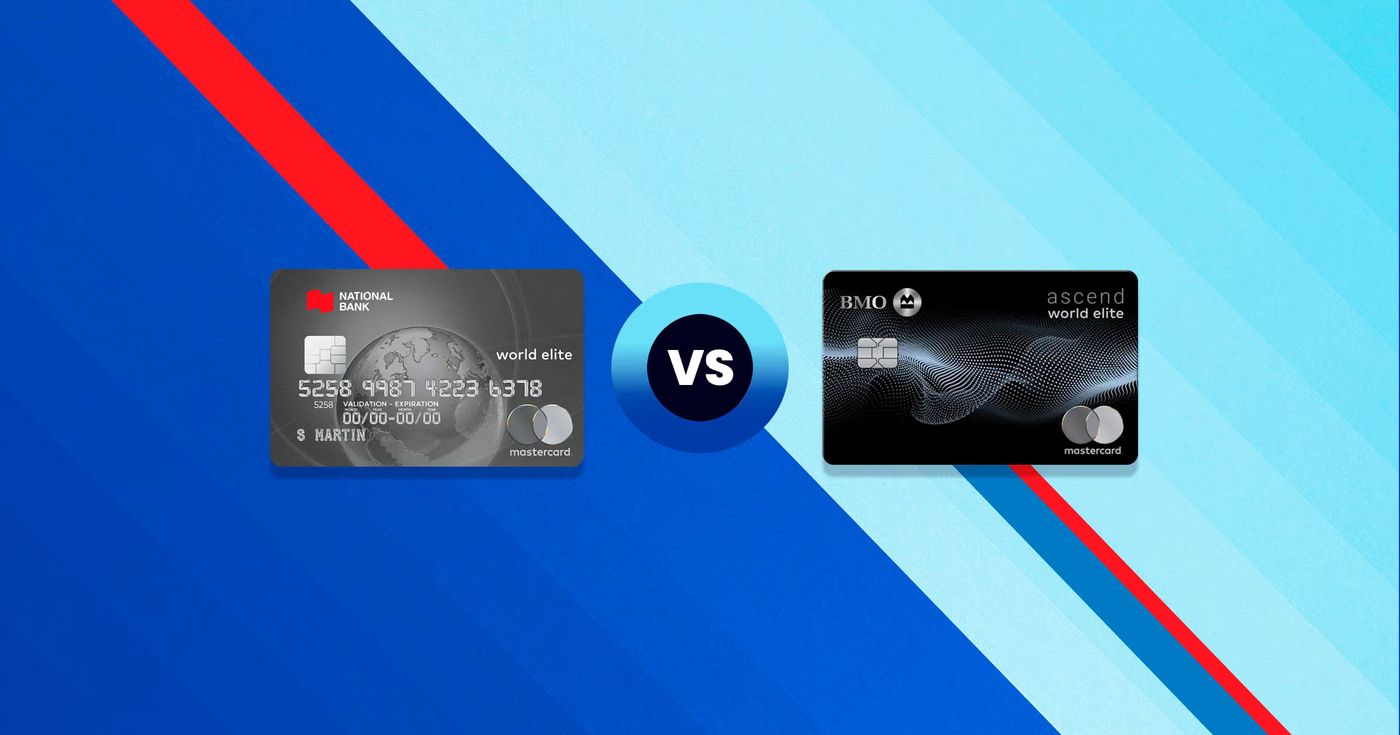
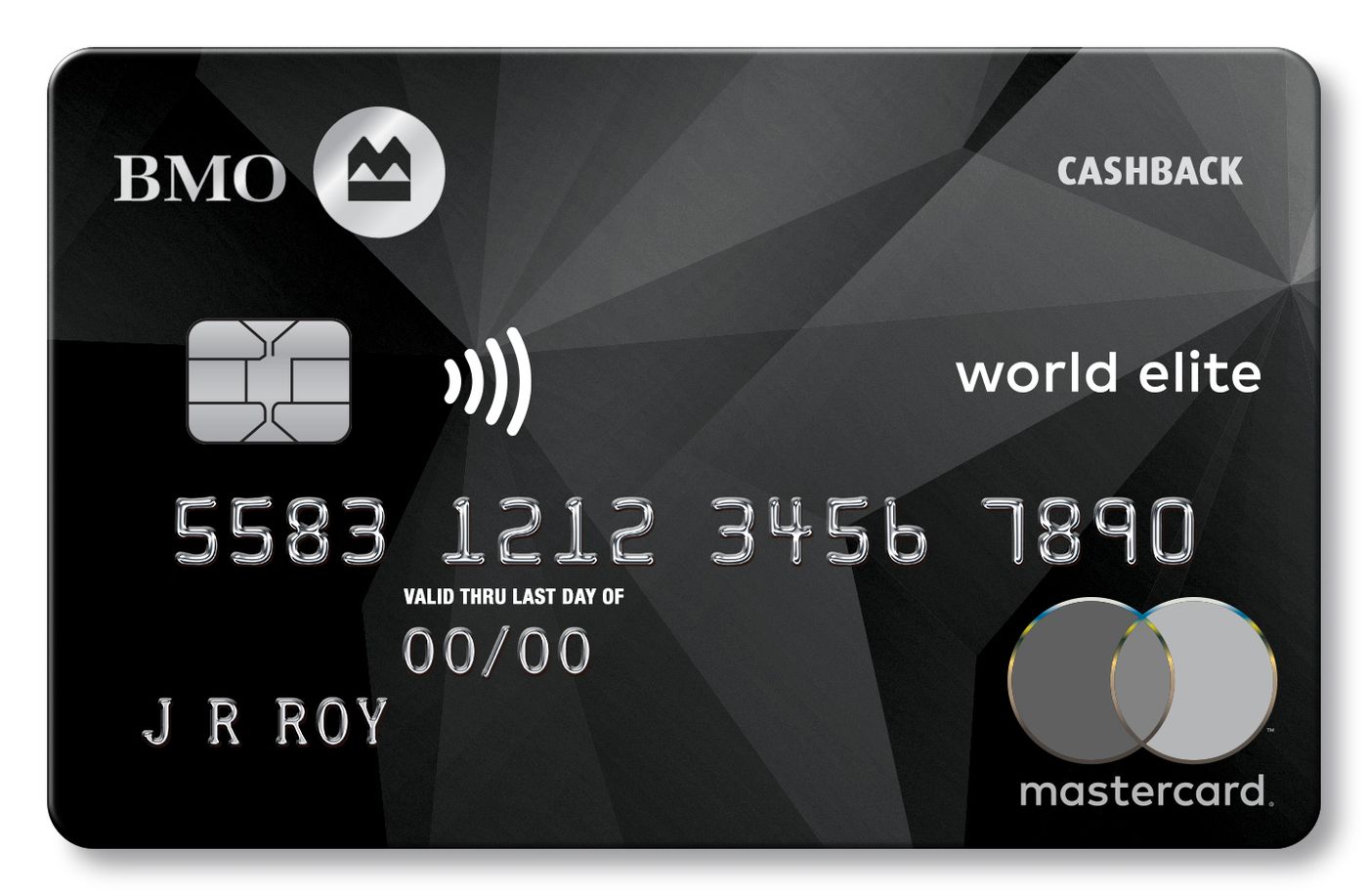
The BMO World Elite Mastercard series represents the bank's premium credit card offerings, targeting Canadians with higher spending capacity. The two primary cards are the BMO CashBack World Elite Mastercard and the BMO Ascend World Elite Mastercard. The CashBack variant is structured as a high-rate cash back card, while the Ascend is a flexible travel rewards card. Both cards come with a suite of perks and extensive insurance packages, which are not typical for all cash back cards. The products are designed to add specific spending lanes or benefits to a consumer's financial toolkit rather than serving as a single, all-encompassing solution. They are often characterized as practical companion cards for those who already use other products for everyday spending or international purchases. The Ascend card in particular is noted for its robust travel insurance coverage and is considered a competent travel card that does not specialize in any single area, fitting a niche for those not ready for a more premium product with a higher annual fee.
Eligibility and Application Requirements
To qualify for any BMO World Elite Mastercard, applicants must meet stringent financial criteria set by the bank. An individual applicant must have a minimum annual personal income of $80,000. Alternatively, a combined annual household income of $150,000 is also acceptable for qualification. All applicants must be at least the age of majority in their province or territory of residence. A key part of the credit assessment involves the applicant's credit history. Individuals who have declared bankruptcy within the last seven years are not eligible. While Canadian issuers like BMO do not publicly disclose a required credit score, approval likelihood generally correlates with higher credit scores. The income thresholds are a defining feature that places these cards out of reach for a significant portion of the Canadian market. These requirements are consistent with the card's positioning for high-income cardholders who want to add flexible travel rewards and insurance to their existing wallet, and they are a standard barrier for World Elite tier cards across the industry.
Rewards Structure and Earning Rates
The rewards systems differ fundamentally between the CashBack and Ascend World Elite cards. The BMO CashBack World Elite Mastercard provides a flat, unlimited cash back rate on all purchases, which is marketed as the bank's best cash back earn rate. In contrast, the BMO Ascend World Elite Mastercard earns BMO Rewards points at variable rates based on spending category. The Ascend card offers five points per dollar spent on eligible travel purchases. It also provides three points per dollar on eligible dining, entertainment, and recurring bill payments. All other eligible purchases on the Ascend card earn one point per dollar. It is crucial to note that the bonus earning categories on the Ascend card have annual spending caps. The 5x travel points are capped at $15,000 in annual spending, while the 3x categories for dining, entertainment, and bills are each capped at $10,000 annually. These caps reset each calendar year on January 1. Once a cardholder reaches the cap in a bonus category, all subsequent spending in that category for the year earns only one point per dollar, which significantly reduces the earning potential for high-spending individuals in those categories.
Fees, Welcome Offers, and Spending Requirements
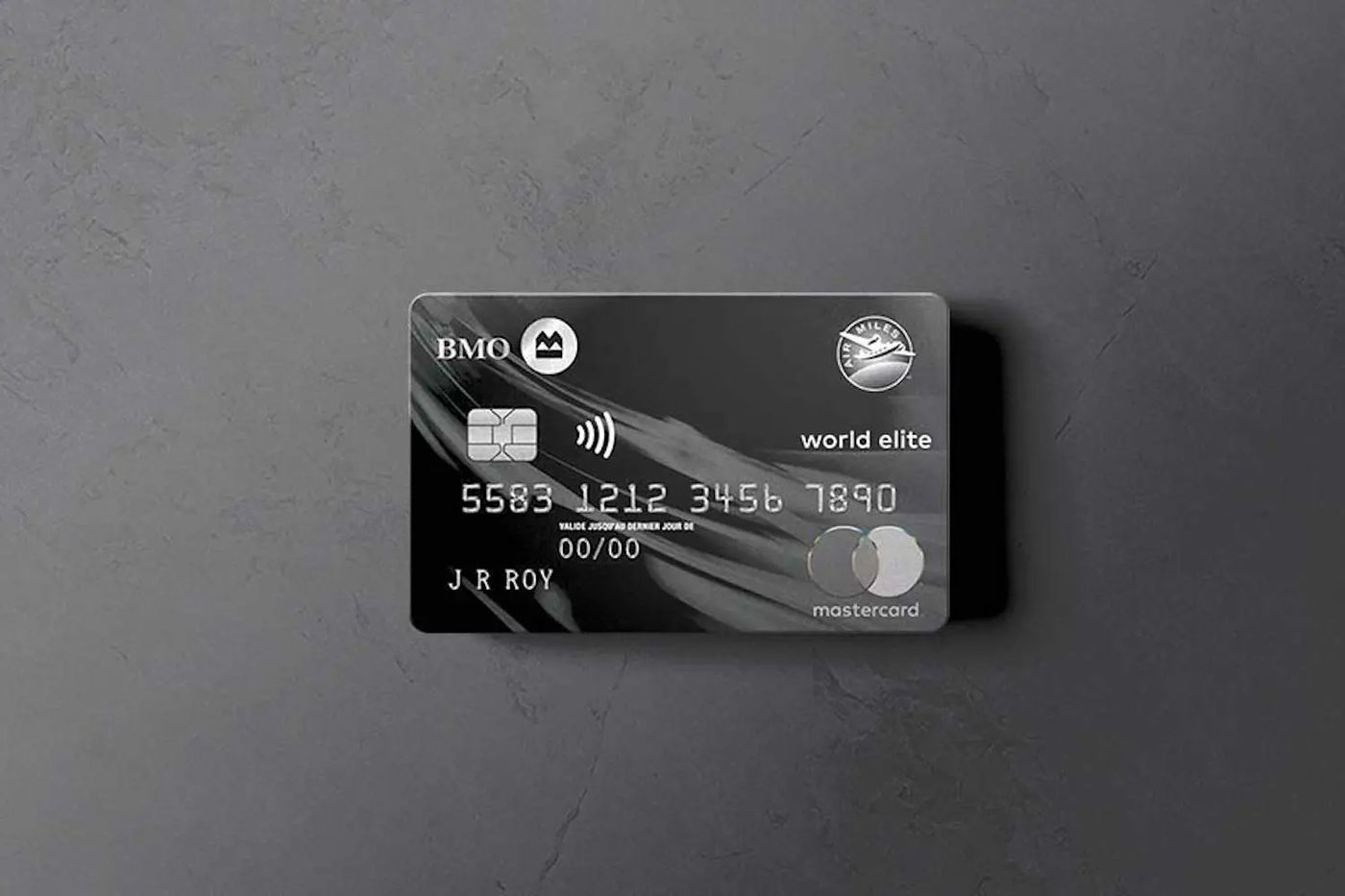
Both World Elite cards carry annual fees, which are frequently waived for the first year as part of promotional welcome offers. The BMO CashBack World Elite Mastercard has an annual fee of $120. The BMO Ascend World Elite Mastercard has a higher annual fee of $150. A significant welcome bonus is often attached to the Ascend card, requiring substantial spending to unlock its full value. A current offer for the Ascend card provides up to 115,000 BMO Rewards points. To earn the full bonus, cardholders must spend $5,000 within the first 110 days for 60,000 points, an additional $10,000 within the first 180 days for another 20,000 points, and a further $20,000 within the first 12 months for the final 35,000 points. This offer has an expiry date of November 30, 2026. Both cards also charge a 2.5% foreign transaction fee on purchases made in a currency other than Canadian dollars. The Ascend card also sometimes includes a 0% introductory interest rate on balance transfers for 12 months with a 2% transfer fee, which is a separate feature from the rewards program.
The BMO Ascend World Elite Mastercard welcome bonus has a tiered structure that requires meeting specific spending thresholds within deadlines. New cardholders can earn 60,000 points after spending $5,000 in the first 110 days. They can earn another 20,000 points after spending $10,000 in the first 180 days. The full 115,000 point bonus requires earning a further 35,000 points after spending $20,000 in the first 12 months. This last tier is a serious commitment that not all cardholders will meet.
- Spend $5,000 in the first 110 days to earn 60,000 BMO Rewards points.
- Spend a cumulative $10,000 in the first 180 days to earn an additional 20,000 points.
- Spend a cumulative $20,000 in the first 12 months to earn a final 35,000 points.
- The full promotional welcome offer expires on November 30, 2026.
- The first year's $150 annual fee for the Ascend card is typically waived during this promotion.
- Some offers also include an Instacart benefit and a $200 NEXUS credit in the first year.
It is essential to meet the welcome bonus spending requirements without changing normal spending habits or carrying a balance to realize its full value. At BMO's travel redemption rate of 150 points per dollar, the full 115,000 points are worth up to about $767 toward eligible travel purchases. To earn this full bonus, you must meet the $20,000 spending tier within the first year. Meeting this tier also typically means you will be liable for the card's $150 annual fee in the second year unless you cancel the card or have it waived through a bank account relationship.
Travel Benefits and Insurance Coverage
The BMO Ascend World Elite Mastercard includes several travel-oriented benefits that form a core part of its value proposition. Cardholders receive a complimentary Mastercard Travel Pass membership, which is powered by DragonPass and provides access to a network of over 1,400 airport lounges globally. Each calendar year, the card comes with four complimentary lounge visit passes, which can be used by the primary cardholder or travelling companions. In the first year, the card offers a statement credit of up to $200 to cover the application fee for a NEXUS membership. The insurance package is robust, featuring up to $5 million in emergency travel medical coverage for eligible trips lasting up to 21 days. Other included insurances are rental car collision damage waiver, trip cancellation and interruption insurance, and various purchase protection plans. These benefits are designed to provide added peace of mind for travellers but have much less value for individuals who rarely travel or already have similar coverage through another card or employer plan. The DragonPass network is extensive, though some exclusive lounges may prioritize airline status customers over those using complimentary passes.
The BMO Ascend World Elite Mastercard provides robust travel insurance that is considered some of the best coverage in Canada for a card at its fee level. Key insurance benefits include up to $5 million in emergency travel medical coverage for eligible trips of up to 21 days. The card also offers rental car collision damage coverage and trip cancellation and interruption insurance. These insurance benefits can easily outweigh the annual fee for someone who takes several trips each year.
| Insurance Type | Coverage Details |
|---|---|
| Emergency Travel Medical | Up to $5 million for trips under 21 days |
| Rental Car Collision Damage Waiver | Coverage for damage or theft of rental vehicle |
| Trip Cancellation & Interruption | Reimbursement for non-refundable trip costs under specific conditions |
| Travel Accident Insurance | Coverage for accidental death or dismemberment while travelling |
| Baggage Delay & Lost Luggage | Reimbursement for essential items and lost baggage |
| Flight Delay | Coverage for overnight delays |
The insurance package on the BMO Ascend World Elite Mastercard is considered some of the best in Canada. However, its practical utility is entirely dependent on the cardholder's personal travel frequency. The benefits have much less value if you rarely travel. The insurance also provides less value if you already get similar coverage through another source, such as employer benefits or other premium credit cards you may hold.
Redemption Options and Point Value
Rewards redemption works differently for each card. Cash back earned on the BMO CashBack World Elite is typically accessible as a statement credit or deposit, offering straightforward value. For the BMO Ascend World Elite, BMO Rewards points are redeemed against eligible travel purchases. The redemption value is fixed, with points worth approximately 0.67 cents each when used for travel, translating to a rate of 150 points per dollar of travel cost. This means the 115,000-point welcome bonus could be worth up to about $767 in travel credit if fully redeemed. This system offers flexibility across many airlines, hotels, and travel providers but does not include the potentially higher-value option of transferring points to airline loyalty programs. The fixed value provides predictability but may not maximize point value compared to systems with transfer partners. The points are straightforward travel rewards without the complexity or potential upside of transferable points currencies found with some other issuers, and the value is fixed at 150 points per dollar rather than offering variable redemption rates.
Practical Use and Cardholder Considerations
Determining the practical utility of a BMO World Elite card involves analyzing personal spending patterns and existing financial setups. The Ascend card's 2.5% foreign transaction fee makes it a weak choice for direct spending in foreign currencies, as the fee can erase the value of points earned on those purchases. Consequently, it is often recommended for use in booking eligible travel before a trip and for accessing its insurance and lounge benefits during travel, while a separate card with no foreign transaction fee is used for spending abroad. The cards can be more attractive for existing BMO Premium Chequing customers, who may qualify for an annual credit card fee rebate, effectively waiving the $120 or $150 fee. The cards are frequently positioned not as a sole financial product but as a supplement to a wallet that already contains strong no-fee cash back cards or a dedicated no-foreign-transaction-fee card for international use. For the right cardholder, the insurance and four annual lounge passes can justify the fee, particularly if the first year is free, making it a fit for those who take a few trips a year.
Common strategic considerations for the BMO Ascend World Elite Mastercard involve using it as a companion card rather than a one-card strategy. It makes sense to use this card specifically for eligible travel purchases, recurring bills, and trips where its insurance and lounge passes are useful. For everyday spending or international purchases, it is better to use another card, such as a strong no-fee cash-back card or a no-foreign-transaction-fee card. The card can also be more attractive for BMO Premium Chequing customers who qualify for an annual credit card fee rebate.
- As a companion card for a wallet focused on cash back, adding a travel rewards and insurance lane without committing to a specific airline program.
- For booking eligible travel purchases in Canadian dollars to earn 5x points, up to the $15,000 annual cap, which is a strong return for pre-trip bookings.
- For paying eligible recurring bills, dining, and entertainment expenses to earn 3x points, subject to category caps of $10,000 each per year.
- To utilize the four annual lounge passes and up to $5 million travel medical insurance on personal trips, which can easily outweigh the annual fee for a frequent traveller.
- To obtain the NEXUS application fee credit in the first year, a benefit worth up to $200 that more than covers the $120 USD application cost.
- To pair with a no foreign transaction fee card when travelling internationally to avoid the 2.5% fee on spending abroad, using the Ascend primarily for its insurance coverage during the trip.
The BMO Ascend World Elite Mastercard is most compelling for higher-income earners who take a few trips a year and will actually use its insurance and lounge access. It is not the best choice for someone who wants one premium card that does everything. The card is also not ideal for frequent international travellers who want one card for all spending abroad, due to its foreign transaction fees. Furthermore, it does not offer airline-specific benefits that some frequent travellers may seek.
Comparison of BMO World Elite Card Features
The BMO CashBack World Elite and BMO Ascend World Elite Mastercards serve different primary purposes, though they share the World Elite designation and income requirements. The CashBack card is designed for consumers who want simple, unlimited cash back on all spending without category management. The Ascend card is tailored for those who spend significantly on travel and specific bonus categories and value travel insurance and lounge access. A key differentiator is the rewards currency: cash versus flexible travel points. The Ascend card includes travel-specific perks like lounge passes and a NEXUS credit, which the CashBack card does not feature. Both cards charge a 2.5% foreign transaction fee, making neither ideal for use outside Canada. The annual fee on the Ascend card is $30 higher than the CashBack card, reflecting its added travel benefits. The choice between them hinges on whether a cardholder prefers immediate cash back or is willing to manage points for future travel redemptions and will use the accompanying travel perks, with the Ascend offering a more rounded package for travellers.
Frequently asked questions
What is the income needed for the BMO World Elite Mastercard?
To be approved for a BMO World Elite Mastercard, you need a minimum personal annual income of $80,000. If applying based on household income, the minimum combined annual income for your household must be $150,000. These are standard requirements for this tier of premium credit card in Canada and are strictly enforced during the application process. Applicants must also be of the age of majority in their province and not have declared bankruptcy in the last seven years.
How much is the annual fee for the BMO Ascend World Elite?
The BMO Ascend World Elite Mastercard has an annual fee of $150. Promotional offers frequently waive this fee for the first year of card membership. Cardholders should be prepared to pay the fee in subsequent years unless they are BMO Premium Chequing customers who may qualify for a fee rebate. The $150 fee is in line with other mid-tier premium travel cards in the Canadian market, and the first year waiver is a common incentive to attract new applicants.
Does the BMO World Elite card have lounge access?
Yes, the BMO Ascend World Elite Mastercard includes lounge access. Cardholders receive a complimentary Mastercard Travel Pass membership and four complimentary airport lounge visit passes each calendar year. These passes provide access to a global network of over 1,400 lounges and can be used by the primary cardholder or guests. The four passes are a defined benefit, not unlimited access, and the membership is provided by DragonPass, which covers many but not all airport lounges worldwide.
What is the welcome bonus for the BMO Ascend World Elite card?
A current welcome offer for the BMO Ascend World Elite Mastercard allows new cardholders to earn up to 115,000 BMO Rewards points. This is achieved through tiered spending: 60,000 points after spending $5,000 in 110 days, another 20,000 points after $10,000 in 180 days, and a final 35,000 points after $20,000 in 12 months. The offer expires November 30, 2026, and the first year's annual fee is typically waived. At the fixed travel redemption rate, these points are worth up to about $767 in travel credit.
Are there foreign transaction fees on the BMO World Elite cards?
Yes, the BMO Ascend World Elite Mastercard charges a 2.5 percent foreign transaction fee on purchases made in another currency. This fee can erase the value of the points you earn on international spending. It makes the card a weak choice for meals, shopping, and other spending once you are outside Canada. For international travel, it is advised to bring a separate card with no foreign transaction fees for daily spending.
What insurance comes with the BMO Ascend World Elite card?
The BMO Ascend World Elite Mastercard includes a comprehensive insurance package. Key coverages are up to $5 million in emergency travel medical insurance for trips up to 21 days, rental car collision damage waiver, and trip cancellation and interruption insurance. The card also offers various purchase protection and extended warranty insurances. This coverage is considered some of the best available on a Canadian credit card, providing significant peace of mind for cardholders who travel several times a year.
Sources and further reading
- BMO Ascend World Elite Mastercard Review: Is It Worth It? nerdwallet.com
- BMO CashBack® World Elite®* Mastercard®* - overview ratehub.ca
- BMO Ascend World Elite Mastercard Review: In-Depth frugalflyer.ca
This article explains how things work and is not financial, tax or legal advice. Rules, limits and rates change, so check the current figures with the Canada Revenue Agency, your province or your financial institution before you act.