The BMO mutual funds list includes over 100 mutual funds managed by BMO Investments Inc. Mutual funds are a simple way for investors to diversify their portfolio and benefit from professional investment management. The list features funds such as the BMO Ascent Balanced Portfolio, the BMO Ascent Conservative Portfolio, and the BMO Ascent Equity Growth Portfolio. It also includes income focused options like the BMO Dividend Fund, which aims to provide a high after tax return from dividends and capital gains. Another example is the BMO Monthly Income Fund, which holds investments like the BMO Core Plus Bond Fund ETF Series. Investors can explore and compare these funds to choose the right one for their goals.
Understanding the BMO Mutual Fund Universe
BMO Global Asset Management offers a wide array of mutual funds through its brand, with BMO Investments Inc. serving as the fund manager. The product list includes more than 100 distinct mutual funds, catering to various investor goals such as long-term growth, regular income, or a balanced approach. These funds are a core component of BMO's investment offerings, separate from its exchange-traded funds (ETFs) which are managed by BMO Asset Management Inc. The mutual fund list is designed to provide diversification, as each fund pools investor money to purchase a portfolio of securities like stocks and bonds. Investors can compare funds through their performance history, price, and other detailed fund facts available from BMO. It is important to note that all BMO mutual funds are sold by prospectus, which must be read before investing.
Common Fund Categories and Objectives
The BMO mutual funds list is organized into categories based on investment objective and asset mix. One prominent category is balanced portfolios, such as the BMO Ascent Balanced Portfolio, which typically mixes equities and fixed income. Conservative portfolios like the BMO Ascent Conservative Portfolio aim for lower volatility with a greater focus on income and capital preservation. For growth-oriented investors, funds like the BMO Ascent Equity Growth Portfolio and the BMO Canadian Equity Fund seek to increase the value of an investment over the long term by investing in equities. Income-focused funds, such as the BMO Monthly Income Fund and the BMO Dividend Fund, have objectives to provide regular income through dividends, interest, and other distributions. The BMO Dividend Fund specifically aims for a high after-tax return combining dividend income and capital gains. Another category includes enhanced income funds that use strategies like covered call overlays, exemplified by the BMO Covered Call Canadian Banks ETF Fund which targets a yield over six percent.
Key Details on Fund Structure and Series
BMO mutual funds are structured as trusts and are available in different series, which may include front-end, back-end, and low-fee series for various investor types. A significant structural note is that certain BMO mutual funds also offer an ETF Series. The ETF Series of a BMO mutual fund trades on a stock exchange like a stock, meaning its market value can fluctuate and it may trade at a discount to its net asset value. This introduces additional risks compared to traditional mutual fund series that are bought and sold at the end-of-day net asset value. All series of a fund, except the ETF Series, typically have distributions automatically reinvested to purchase additional units unless the investor elects to receive cash. The management of these mutual funds is separate from the bank itself, as BMO Investments Inc. is a distinct legal entity from Bank of Montreal. Commissions, trailing commissions where applicable, management fees, and operating expenses are all associated with investing in these mutual funds.

Risks, Costs, and Distribution Policies
Investing in any BMO mutual fund involves understanding the associated risks, costs, and how distributions are handled. Mutual funds are not guaranteed investments, their values change frequently, and past performance is not a reliable indicator of future results. The specific risks for each fund are detailed in its prospectus, which is an essential document for investors. Costs include management fees paid to the fund manager and operating expenses, which are reflected in the fund's management expense ratio (MER). Commissions may be paid to advisors depending on the series purchased. The distribution policy is a critical component for income-seeking investors. Distributions can come from income, dividends, realized capital gains, or return of capital. The distribution yield is calculated using the most recent regular distribution, annualized for its payment frequency, and divided by the current net asset value. It is crucial to understand that distributions are not guaranteed and can fluctuate or be eliminated. If the distributions paid out exceed the fund's actual performance, the investor's original capital will decrease. For tax purposes, distributions from capital gains, income, and dividends are taxable in the year received, while return of capital reduces the investor's adjusted cost base.
How BMO Mutual Funds Differ from BMO ETFs
While both are investment products under the BMO Global Asset Management brand, BMO mutual funds and BMO exchange-traded funds (ETFs) are distinct. BMO mutual funds are managed by BMO Investments Inc., whereas BMO ETFs are managed and administered by BMO Asset Management Inc., a separate legal entity. The primary difference lies in their trading mechanics. Mutual funds are priced and transacted once per day at the net asset value calculated after markets close. Investors buy and sell units directly with the fund company. In contrast, ETFs trade on stock exchanges throughout the trading day like individual stocks, with prices that fluctuate based on supply and demand. Some BMO mutual funds have an ETF Series that blends characteristics of both. Furthermore, BMO's ETF lineup often includes more specialized or tactical products, such as the BMO MSCI Latin America GDP Weighted Index ETF or the BMO Credit Stress Opportunities ETF, which are designed for specific strategies. The company provides separate research and education portals for its ETF products, highlighting their different structures and use cases.
Steps for Researching and Comparing BMO Funds
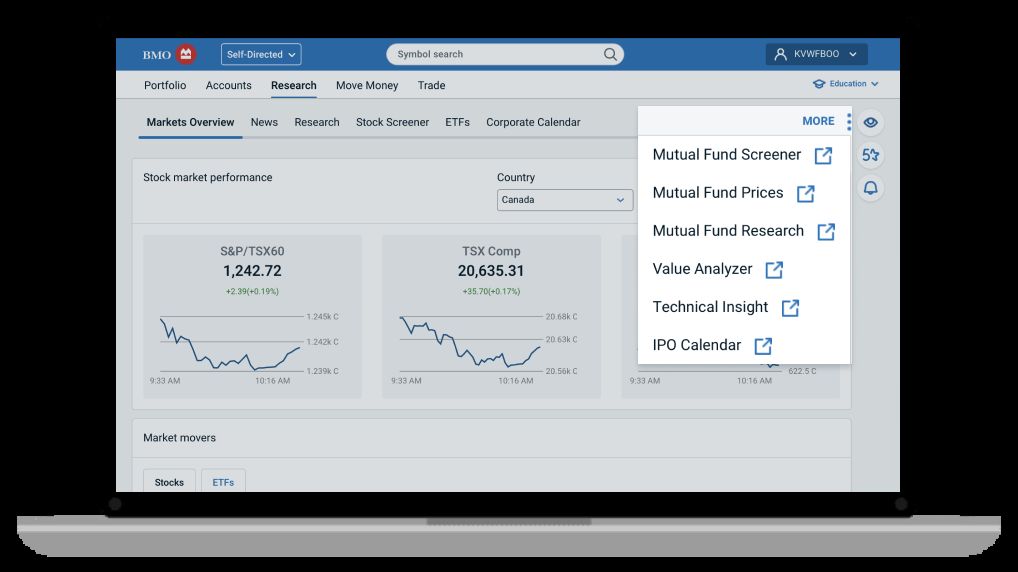
For Canadian investors considering BMO mutual funds, a methodical research process is recommended based on the information BMO provides. The first step is to obtain the official fund list and identify funds that align with a target asset allocation or objective, such as growth, income, or balanced. The next step involves reviewing the fund facts document or simplified prospectus for each fund of interest. This document contains key details including the fund's investment objective, strategy, risk rating, performance history, and fee structure. Investors should then compare funds using the performance data and portfolio holdings information BMO publishes. For example, the BMO Monthly Income Fund's top holdings include other BMO funds like the BMO Core Plus Bond Fund ETF Series and individual stocks like The Toronto-Dominion Bank. It is also critical to understand the tax implications of the fund's distribution policy, as outlined in the prospectus. Finally, investors must ensure the fund is available for sale in their province or territory, as products are only offered where they may be lawfully sold.
- Obtain the official BMO mutual funds list.
- Review the fund facts document and simplified prospectus for target funds.
- Compare performance history, portfolio holdings, and fee structures.
- Analyze the fund's distribution policy and tax implications.
- Confirm the fund is legally available for sale in your jurisdiction.
- Read the prospectus fully before making any investment decision.
Important Regulatory and Legal Considerations
BMO mutual funds are regulated investment products offered under strict Canadian securities laws. The funds are only offered in jurisdictions where they may be lawfully sold, meaning availability can vary by province or territory. The information on BMO's websites and marketing materials is for informational purposes only and does not constitute an offer to sell or investment advice. The prospectus is the sole official offering document. BMO Global Asset Management is a brand name used by BMO Asset Management Inc. and BMO Investments Inc., both of which are separate legal entities from Bank of Montreal. This separation is a standard regulatory requirement to segregate asset management activities from banking operations. The BMO (M-bar roundel symbol) is a registered trademark of Bank of Montreal, used under licence by these asset management companies. All communications regarding fund performance, strategies, and new offerings, such as podcasts recorded in October 2026 discussing market outlooks, are intended for educational purposes and must not be relied upon as the sole basis for an investment decision.
Frequently asked questions
How many mutual funds does BMO offer?
BMO offers over 100 mutual funds for investors to explore and compare. This list includes various portfolios such as the BMO Ascent Balanced Portfolio and the BMO Ascent Conservative Portfolio. The funds are managed by BMO Investments Inc., which is a separate legal entity from Bank of Montreal. Investors can call 1 800 665 7700 for more information.
What is the difference between a BMO mutual fund and a BMO ETF?
BMO mutual funds and BMO ETFs are managed by different legal entities within BMO Global Asset Management. Mutual funds, managed by BMO Investments Inc., are transacted at end-of-day net asset value. ETFs, managed by BMO Asset Management Inc., trade on stock exchanges like shares throughout the day. Some BMO mutual funds also offer an ETF Series.
Are BMO mutual funds guaranteed?
No, BMO mutual funds are not guaranteed. The values of mutual funds change frequently and past performance is not indicative of future results. Mutual funds carry investment risk, as detailed in the fund's prospectus. Investment returns are not assured and may fluctuate.
How are distributions from BMO mutual funds handled?
Distributions from most BMO mutual fund series are automatically reinvested to buy more units unless the investor elects to receive cash. Distributions can come from income, dividends, capital gains, or return of capital. They are not guaranteed and may fluctuate. Different tax treatments apply to each distribution type.
Where can I get the official list and details for BMO mutual funds?
The official list and details for BMO mutual funds are available through BMO Global Asset Management's informational resources. Key documents include the fund facts sheet and the simplified prospectus for each fund. These documents contain important information about the fund's objectives, risks, fees, and performance. The website is for informational purposes and does not constitute an offer or solicitation in unauthorized jurisdictions.
What are the costs of investing in a BMO mutual fund?
Investing in BMO mutual funds involves costs such as commissions, trailing commissions where applicable, management fees, and expenses. These costs are detailed in the fund's prospectus, which should be read before making any investment. Management fees and expenses are all associated with mutual fund investments and they reduce overall returns. BMO Mutual Funds are managed by BMO Investments Inc, which is a separate legal entity from Bank of Montreal. It is important for investors to understand that these funds are not guaranteed, their values change frequently, and past performance may not be repeated. The payment of distributions should not be confused with a fund's performance, rate of return, or yield, as distributions greater than the fund's performance will cause the original investment to shrink.
Sources and further reading
- BMO ETF Dashboard | Home bmoetfs.ca
- Yield > 6% bmofundcentral.com
This article explains how things work and is not financial, tax or legal advice. Rules, limits and rates change, so check the current figures with the Canada Revenue Agency, your province or your financial institution before you act.