No foreign transaction fee credit cards in Canada allow you to make purchases in foreign currencies without paying the typical 2.5% surcharge added by most card issuers. This fee is applied to transactions billed in a currency other than Canadian dollars, such as purchases made while travelling abroad or online shopping from U.S. retailers. For Canadians who frequently spend in foreign currencies, using a card that waives this fee can lead to significant savings over time. While these cards are less common in Canada than in the United States, several options exist, often bundled with travel benefits and rewards programs.
How Foreign Transaction Fees Work
A foreign transaction fee is a charge added by a credit card issuer when you make a purchase in a currency other than Canadian dollars. The process involves two distinct parts. First, the payment network, such as Visa or Mastercard, converts the purchase amount into Canadian dollars using its own daily exchange rate, which is generally close to the mid-market rate. Second, the card issuer adds its own surcharge on top of this converted amount, which for most Canadian credit cards is approximately 2.5%. A no foreign transaction fee credit card waives this issuer surcharge, meaning you pay only the network's conversion rate. This fee applies to a wide range of transactions beyond just travel, including online purchases from foreign merchants and recurring subscriptions billed in a foreign currency. The critical factor is the billing currency, not the physical location of the merchant or cardholder. For example, a purchase from a U.S. online retailer billed in USD will incur the fee even if you are in Canada, while a foreign merchant billing you in Canadian dollars generally will not trigger it.
Benefits and Considerations of No-Fee FX Cards
The primary benefit of a no foreign transaction fee credit card is avoiding the roughly 2.5% surcharge on all foreign currency spending, which can add up quickly for frequent travellers or cross-border shoppers. This saving also applies to domestic online shopping from retailers that bill in U.S. dollars or other currencies. Many cards that offer this waiver are premium travel cards, which often bundle additional benefits such as travel insurance, airport lounge access, and other perks aimed at international use. There is also a predictability advantage, as the final cost in Canadian dollars is based solely on the network's exchange rate without an added, variable fee. However, the main trade-off is that these cards frequently carry an annual fee. For individuals with minimal foreign spending, this annual cost may exceed the potential savings from the waived FX fees. Some cards may also offer weaker rewards on everyday domestic spending compared to other cards, so the overall value depends on your specific spending patterns. A card built for travel may have narrower acceptance at some merchants, particularly for American Express, which is a factor if the card is also your day-to-day option.
Calculating If a No-FX Card Is Worth It
Determining whether a no foreign transaction fee credit card provides net value involves a simple break-even calculation. You divide the card's annual fee by the standard 2.5% foreign transaction fee to find the amount of foreign currency spending required to offset the annual cost. For example, a card with a $150 annual fee requires $6,000 in annual foreign spending to break even, calculated as $150 divided by 2.5%. If your annual foreign currency purchases are below this threshold, the annual fee you pay would be greater than the FX fees you avoid. This calculation helps clarify the financial trade-off. It is important to consider your typical spending habits over a year, including online subscriptions in U.S. dollars and purchases made during travel. The value proposition extends beyond pure fee savings if the card offers other valuable benefits like insurance or lounge access that you would use. For someone spending $5,000 annually in foreign currencies, a standard card would charge about $125 in FX fees, so a no-fee card with a lower annual fee could provide clear savings.
Types of Cards and Current Market Options
In the Canadian market, cards that waive foreign transaction fees are less common than in the United States and tend to fall into specific categories. These include certain travel-focused credit cards designed for frequent international spending, some premium cards that bundle the waiver with other high-end benefits, and certain prepaid or reloadable products aimed at travellers. The features and terms of these products can change, so it is important to verify current details directly with the issuer. Based on available information, several major personal credit cards in Canada currently market no foreign transaction fees as a key feature.
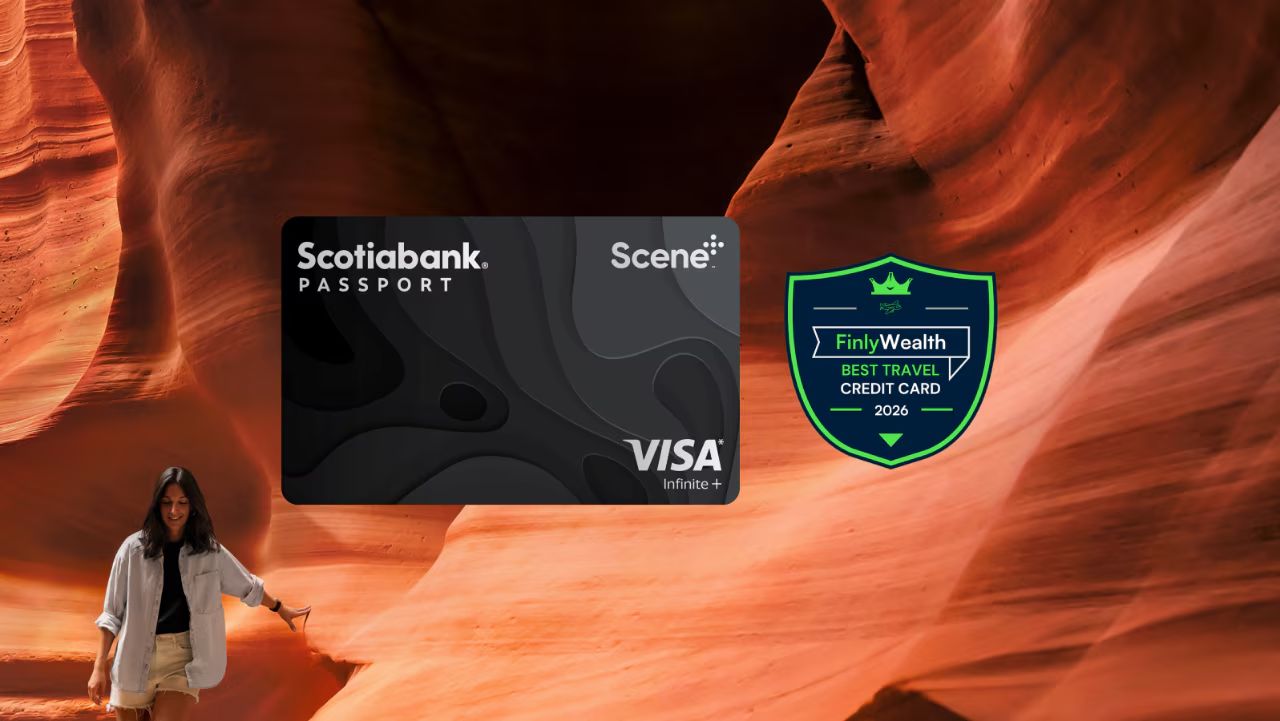
- Scotiabank Passport Visa Infinite Card: A travel-focused card with lounge access and travel insurance, offering six complimentary airport lounge visits.
- Scotiabank Gold American Express Card: Combines no FX fees with strong rewards on groceries, dining, and entertainment, earning Scene+ points.
- Scotiabank Passport Visa Infinite+ Privilege Card: A premium option with 10 lounge passes, a $250 annual travel credit, and extensive insurance.
- Brim Financial Mastercards: A suite of cards (including no-fee and premium options) with no foreign transaction fees, global wifi, and travel insurance.
- Home Trust Preferred Visa: A cash back card with no foreign exchange fees and 1% cash back.
- Wealthsimple Credit Card: Offers cash back with no foreign transaction fees, with a promotional offer for new clients.
- KOHO Prepaid Mastercard: Prepaid option where the Extra and Everything plans include no foreign transaction fees on non-Canadian purchases.
- EQ Bank Card: A prepaid Mastercard that does not charge foreign transaction fees, converting purchases at Mastercard's rate.
- HSBC World Elite Mastercard: Listed among best cards with no foreign transaction fee.
Each no foreign transaction fee credit card has distinct features, rewards structures, and annual fees. This makes them suitable for different user profiles, such as frequent travellers or occasional online shoppers. For example, the Scotiabank Passport Visa Infinite is a travel-focused card with lounge access. In contrast, the Home Trust Preferred Visa is a simpler cash back option. The right card depends on an individual's spending habits and travel frequency.
Important Usage Tips and Common Mistakes
Using a no foreign transaction fee credit card effectively requires awareness of several practices to maximize savings and avoid hidden costs. Always choose to be billed in the local currency when prompted at a foreign point-of-sale terminal or ATM. This process, known as dynamic currency conversion, allows the merchant or ATM operator to perform the conversion, often at an unfavourable rate that includes a markup. By choosing the local currency, you ensure your card network handles the conversion at its typically more favourable rate without the issuer's surcharge. Be aware that the foreign transaction fee is generally not refunded if you return an item purchased in a foreign currency. The refund will be processed in the local currency and converted back at the current network rate, which may differ from the original rate, and the 2.5% fee you avoided initially will not be reinstated, but you also will not be charged it on the refund. Consider that other charges, such as ATM operator fees for cash withdrawals abroad, may still apply independently. Finally, regularly review your card's terms, as benefits and fee structures can be updated by the issuer. Card features and terms change regularly, and new products launch, so verifying the current terms directly with the issuer is crucial before applying.
Comparing Key Card Features and Fees
When evaluating no foreign transaction fee credit cards, it is useful to compare their core attributes side by side. This includes annual fees, rewards earn rates, and travel benefits. Card features and terms change regularly, so specific details should be confirmed with the issuer. A comparison might highlight cards like the Scotiabank Gold American Express for rewards and the EQ Bank Card as a prepaid option. This helps consumers weigh the benefits against the costs.
| Card Name | Key Feature | Notable Perks | Rewards Focus |
|---|---|---|---|
| Scotiabank Gold Amex | No FX fees, Scene+ points | Strong grocery/dining rewards, travel insurance | Earns up to 6x points on groceries, 5x on dining/entertainment |
| Scotiabank Passport Visa Infinite | No FX fees, travel focus | 6 lounge passes, travel insurance | 2x points on dining/entertainment, 1x on other purchases |
| Scotiabank Passport Visa Infinite+ Privilege | No FX fees, premium | 10 lounge passes, $250 travel credit | 6x points on travel via portal, 2x on dining/entertainment |
| Brim Financial Mastercards | No FX fees across suite | Global wifi, travel insurance options | Points per dollar spent, varies by card tier |
| Home Trust Preferred Visa | No FX fees, cash back | 1% cash back, no annual fee option | Flat 1% cash back on purchases |
| KOHO Prepaid Mastercard | No FX fees on certain plans | Prepaid budgeting tools | Cash back varies by plan |
| Wealthsimple Credit Card | No FX fees, cash back | Promotional 5% cash back for new clients | 1% cash back standard, 2% with Wealthsimple Cash account |
This comparison highlights the diversity of options available. Choices range from premium travel cards with high annual fees to simpler cash back or prepaid alternatives. The right choice depends heavily on your foreign spending volume, travel frequency, and which ancillary benefits you value most. For instance, the Scotiabank Gold American Express is a well-rounded rewards earner for families. Other cards, like the Scotiabank Passport Visa Infinite, target frequent travellers with benefits like lounge access.
Specific Card Details and User Profiles
Understanding the specific details of prominent no-FX-fee cards can help identify which may align with different spending habits and needs. The Scotiabank Gold American Express Card is highlighted as a card that combines waived foreign transaction fees with strong rewards on common spending categories like groceries, dining, and entertainment, making it easier to justify even when not travelling. It earns Scene+ points at partner grocery stores like Sobeys and Safeway, and on dining and entertainment purchases. The Scotiabank Passport Visa Infinite Card is described as more travel-focused, pairing the fee waiver with airport lounge access and solid travel coverage, making it a strong fit for frequent travellers. It offers six complimentary airport lounge visits per year. The Scotiabank Passport Visa Infinite+ Privilege Card backs its FX fee waiver with premium perks including 10 complimentary lounge passes, a $250 annual travel credit, and hotel and dining perks, aimed at explorers who travel abroad frequently. A key detail for some Scotiabank cards is that to earn the highest reward rates or receive the travel credit, users must book travel through the Scene+ Travel platform powered by Expedia.
Prepaid and Alternative Options
For those seeking alternatives to traditional credit cards, several prepaid and specialized products in Canada also offer no foreign transaction fees. The KOHO Prepaid Mastercard operates on a reloadable model where the Extra and Everything account plans include no foreign transaction fees on non-Canadian purchases. The EQ Bank Card is another prepaid Mastercard that does not charge foreign transaction fees, so foreign-currency purchases are converted at Mastercard's exchange rate without an added surcharge. These prepaid options can be particularly useful for budgeting while travelling, as you spend money you have already loaded. The Brim Financial suite includes credit cards explicitly designed as international cards, with all tiers waiving foreign transaction fees and offering features like global wifi and travel insurance. The Home Trust Preferred Visa is a credit card that provides 1% cash back with no foreign exchange fees. It's important to note that prepaid cards may have different acceptance levels or reload limits compared to credit cards, and they do not help build credit history.
The Impact on Online and Subscription Spending
A no foreign transaction fee credit card can provide substantial savings for Canadians who frequently engage in online shopping or have subscriptions billed in foreign currencies, primarily U.S. dollars. The 2.5% fee applies each time a transaction in a non-Canadian currency is converted, which includes monthly charges for streaming services, software subscriptions, and purchases from international e-commerce sites. Over a year, these small fees can accumulate into a significant cost. Using a no-FX-fee card eliminates this cost. Furthermore, when shopping online, the final price in Canadian dollars is more predictable as it is based solely on the card network's exchange rate at the time of purchase. This makes it easier to compare the true cost of items from international retailers against domestic options. It is a common misconception that these fees only apply during physical travel, but they are equally relevant to the digital economy.
Frequently asked questions
What is a foreign transaction fee on a credit card?
A foreign transaction fee is a surcharge, typically around 2.5%, added by a credit card issuer when you make a purchase in a currency other than Canadian dollars. It is applied on top of the exchange rate set by the payment network like Visa or Mastercard. This fee can be triggered by purchases made abroad, online shopping from foreign retailers, or subscriptions billed in a foreign currency. The fee is the issuer's markup, separate from the network's currency conversion.
Do no foreign transaction fee cards have any hidden costs?
While these cards waive the issuer's 2.5% FX surcharge, other costs may still apply. These can include the card's annual fee, ATM operator fees for cash withdrawals abroad, and potential markups from dynamic currency conversion if you choose to pay in Canadian dollars at a foreign terminal. The network's exchange rate itself also fluctuates, affecting the final cost. Additionally, some cards may have lower rewards rates on everyday spending compared to cards without the FX waiver.
Should I choose to pay in Canadian dollars or local currency abroad?
You should almost always choose to pay in the local currency when using a no foreign transaction fee card. If you select Canadian dollars, the merchant or ATM operator performs the conversion, often adding a significant markup. By choosing the local currency, your card network handles the conversion at a more competitive rate, and your card's no-FX-fee benefit ensures no extra surcharge is added. This practice, known as avoiding dynamic currency conversion, is a key way to maximize savings.
Are no foreign transaction fee credit cards worth the annual fee?
The value depends on your annual spending in foreign currencies. You can calculate a break-even point by dividing the card's annual fee by 2.5%. If your foreign spending exceeds that amount, the saved fees likely outweigh the annual cost. You should also consider the value of other card benefits, such as travel insurance or lounge access, which may provide additional justification for the fee. For infrequent travellers with low foreign spend, a no-annual-fee card with the FX fee might be cheaper overall.
Can I use a no-FX-fee card for online shopping in U.S. dollars?
Yes, a no foreign transaction fee credit card is effective for online shopping billed in U.S. dollars or other foreign currencies. The fee waiver applies regardless of where the purchase is made, as it is based on the billing currency. This can lead to savings on subscriptions, digital services, and goods purchased from international websites. The card converts the amount at the network's exchange rate without adding the 2.5% issuer surcharge, reducing your final cost.
What happens to the FX fee if I return an item bought in a foreign currency?
The foreign transaction fee is not refunded when you return an item. The merchant issues a refund in their local currency, which is then converted back to Canadian dollars at the current network exchange rate. This amount may differ from your original purchase amount due to rate fluctuations. Since a no-FX-fee card did not charge the 2.5% surcharge initially, you are not out that cost, but you also do not get it 'refunded' as it was never paid. You may receive slightly more or less than your original payment in CAD.
Sources and further reading
- Canada's best no foreign transaction fee credit cards for 2026 ratehub.ca
- No Foreign Transaction Fee Credit Cards in Canada wealthsimple.com
- Best No Foreign Transaction Fee Credit Cards in Canada nerdwallet.com
- No Foreign Transaction Fee Credit Cards in Canada koho.ca
- Best credit cards in Canada with no foreign transaction fee wise.com
This article explains how things work and is not financial, tax or legal advice. Rules, limits and rates change, so check the current figures with the Canada Revenue Agency, your province or your financial institution before you act.