High yield exchange-traded funds (ETFs) in Canada provide investors with a diversified way to access income-generating investments, primarily from dividend-paying stocks. These funds bundle dozens of companies into a single security, offering regular cash distributions on a monthly or quarterly basis. For Canadian investors, they present a straightforward alternative to selecting individual dividend stocks, with the added benefits of diversification and professional management. Understanding how these ETFs generate yield, their different strategies, and key factors for comparison is essential for making informed investment decisions.
What Are High Yield ETFs and How Do They Generate Income
High yield ETFs are pooled investment funds that trade on stock exchanges and hold a diversified basket of income-producing assets, most commonly dividend-paying stocks. The primary objective of these funds is to provide investors with a steady stream of income, which is distributed as cash payments. The income is generated from the dividends paid by the underlying companies held within the ETF portfolio. When those companies distribute profits to shareholders, the ETF collects the payments and aggregates them before distributing a proportional share to each ETF unitholder based on the number of units they own. Some high yield ETFs may also generate additional income through strategies like writing covered call options, which can boost distribution yields but may also limit capital appreciation.
The distribution yield of an ETF is a key metric for income-seeking investors. It represents the total distributions paid over the previous 12 months divided by the ETF's current market price. For example, the Vanguard FTSE Canadian High Dividend Yield Index ETF (VDY) reported a 12-month trailing yield of approximately 3.53% in October 2025. It is crucial to understand that this yield is not fixed and fluctuates with market conditions. If the ETF's market price rises while distributions remain constant, the calculated yield decreases, and conversely, if the price falls, the yield increases. Underlying corporate actions, such as dividend increases or cuts by the constituent companies, also directly influence the level of distributions an ETF can pay.
Most Canadian high yield ETFs follow a regular payout schedule, typically monthly or quarterly, providing predictable cash flow. This feature makes them particularly attractive to retirees and other investors who rely on investment income. Investors who do not need immediate cash flow can often enroll in a Dividend Reinvestment Plan (DRIP). A DRIP automatically uses the cash distributions to purchase additional ETF units, facilitating compound growth over the long term. The decision between taking cash or reinvesting depends entirely on an investor's individual income needs and growth objectives.

Common Strategies and Index Methodologies
High yield ETFs in Canada employ different strategies to select their holdings, which significantly impacts their risk profile, sector exposure, and potential returns. The most common approach is passive indexing, where the ETF aims to replicate the performance of a specific benchmark index composed of high-yield or dividend-growth stocks. For instance, the Vanguard FTSE Canadian High Dividend Yield Index ETF (VDY) seeks to track the FTSE Canada High Dividend Yield Index, which selects Canadian companies characterized by high dividend yield. Another example is the iShares S&P/TSX Canadian Dividend Aristocrats Index ETF (CDZ), which tracks an index of companies that have increased their dividends for five or more consecutive years.
Other ETFs use a more active or enhanced strategy. The TD Enhanced Dividend ETFs, such as the TD Active Global Enhanced Dividend ETF (TGED), combine active stock selection with an options overlay strategy. Managers pick dividend-paying companies and may also write covered calls and cash-secured puts on part of the portfolio to generate extra income. This active approach aims to balance growth and income but introduces manager discretion and the potential for capped upside during strong market rallies due to the option writing. Some ETFs, like the Hamilton Enhanced Multi-Sector Covered Call ETF, employ leverage, using direct cash borrowing to amplify exposure to underlying covered-call ETFs, which magnifies both potential gains and losses.
The index methodology dictates portfolio construction. A yield-focused index, like the one tracked by VDY, often results in heavy sector concentration. For Canadian markets, this frequently means a portfolio with close to 90% of its assets in the financials and energy sectors. Conversely, a dividend-growth index, like the one for CDZ, may offer slightly more sector diversification but still tends to be concentrated, with more than half of its holdings often in financials. Investors must understand that a high distribution yield does not guarantee a high total return, as price depreciation can offset income payments.
Key Factors for Comparing Canadian High Yield ETFs
When evaluating high yield ETFs, Canadian investors should compare several concrete metrics and characteristics beyond the headline distribution yield. The Management Expense Ratio (MER) is the annual fee charged by the fund provider, expressed as a percentage of the fund's average net assets. This fee is deducted from the fund's returns and directly impacts an investor's net gain. While high yield ETFs are generally low-cost, MERs can vary between providers and strategies, with enhanced or active strategies typically carrying higher fees than plain index-tracking funds.
Portfolio concentration is another critical factor. Many high yield ETFs hold a relatively small number of stocks, leading to significant exposure to individual companies or sectors. For example, the Fidelity Canadian High Dividend ETF, which tracks an MSCI index, holds about 20 companies and has more than three-quarters of its portfolio in financials and energy. The iShares S&P/TSX Composite High Dividend Index ETF (XEI) offers broader exposure but may still be heavily weighted toward traditional dividend-paying sectors. Concentration increases idiosyncratic risk, meaning poor performance from a few large holdings can disproportionately hurt the ETF's value.
Investors should also examine the fund's distribution history and composition. Distributions can consist of eligible dividends, other income, capital gains, or return of capital. Each January, providers like Vanguard report the actual breakdown of the prior year's distributions. Return of capital represents a repayment of an investor's principal and can have different tax implications. Furthermore, the stability and growth trajectory of the underlying dividends matter. An ETF tracking a dividend aristocrats index may offer a lower current yield but potentially more reliable and growing income over time compared to a fund focused solely on the highest current yield, which may include companies with unsustainable payouts.
Understanding Risks and Tax Considerations
Investing in high yield ETFs carries specific risks that differ from broad market equity ETFs. The primary risk is dividend sustainability. Companies with very high yields may be under financial stress, and their dividends could be cut or suspended, which would negatively impact the ETF's distributions and likely its unit price. Sector concentration risk is also pronounced, as many Canadian high yield ETFs are overwhelmingly invested in financials and energy. A sector-wide downturn, such as a decline in commodity prices or a banking crisis, could lead to significant losses despite the income received.
For ETFs employing covered call strategies or leverage, additional risks are present. Writing covered calls generates premium income but limits the fund's participation in sharp market rallies, as the upside of the underlying stocks is capped at the call option's strike price. The use of leverage, as seen in some enhanced income ETFs, magnifies losses during market declines and introduces borrowing costs that are not included in the MER. Currency risk is another consideration for ETFs holding foreign assets without currency hedging. For example, the TD Active Global Enhanced Dividend ETF (TGED) holds global stocks with unhedged foreign currency exposure, meaning returns for Canadian investors will be affected by fluctuations in exchange rates.
Tax treatment is an important practical consideration for Canadian investors, especially when holding high yield ETFs in taxable accounts. Distributions classified as eligible dividends from Canadian corporations qualify for the dividend tax credit, which reduces the effective tax rate. Distributions from capital gains are taxed at a lower rate than interest income. Return of capital is not immediately taxable but adjusts the investor's cost base downward, potentially leading to a larger capital gain when the units are eventually sold. Investors should consult the annual tax information slips provided by their ETF issuer and consider their personal tax situation.
How to Access and Purchase High Yield ETFs
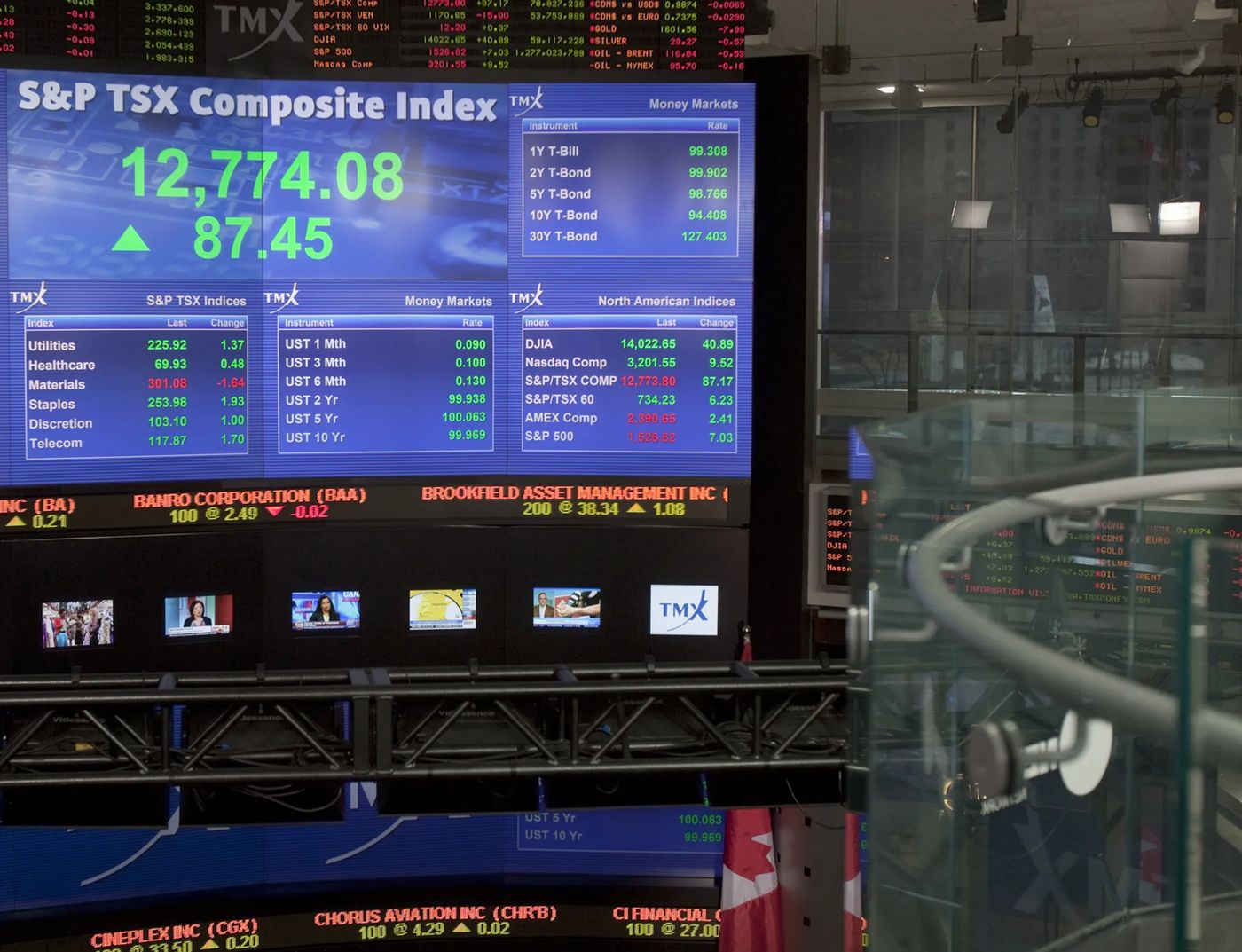
High yield ETFs are bought and sold like stocks on Canadian stock exchanges, such as the Toronto Stock Exchange (TSX). Investors must purchase them through a brokerage account, which can be with a bank-owned brokerage, an online discount broker, or a full-service investment advisor. When buying or selling ETF units, investors transact at the current market price, which may be higher or lower than the fund's net asset value (NAV). Brokerage commissions are typically charged on each trade, though some platforms offer commission-free trading for certain ETFs. There are two primary avenues for acquiring these funds: self-directing investments through an online brokerage or working with a financial advisor who can provide guidance and manage the investment process.
Providers like Vanguard Canada note that their ETFs are available through both online brokerages and financial advisors. Before investing, it is essential to obtain and read the ETF's prospectus and summary document, known as the ETF Facts sheet, which details the fund's investment objective, strategy, fees, risks, and past performance. The ETF Facts sheet is a standardized document designed to help investors compare different funds easily. Once an investment is made, investors can choose how to handle the distributions, either enrolling in a Dividend Reinvestment Plan (DRIP) or receiving cash payments.
Most brokerages offer the option to enroll in a Dividend Reinvestment Plan (DRIP) for the ETF, which automatically uses cash distributions to purchase more units, often without a commission. If an investor requires income, they can opt to receive distributions as cash deposited into their brokerage account. It is important to monitor the investment periodically, as the fund's holdings, strategy, or fee structure could change, and market conditions will cause the distribution yield and unit price to fluctuate over time. Investors should also be aware that ETF units are bought and sold at market price on a stock exchange, and brokerage commissions will reduce returns.
A Comparison of High Yield ETF Characteristics
High yield ETFs in Canada employ different strategies to generate income for investors. Some funds, like the Vanguard FTSE Canadian High Dividend Yield Index ETF, track a broad index of Canadian companies characterized by high dividend yield. Other funds, such as those from TD Asset Management, use an active approach by investing in quality companies and employing option strategies to generate income while maintaining growth potential. The choice of strategy directly influences the ETF's sector mix, yield, and risk profile. Major providers like BlackRock iShares, Vanguard Canada, and BMO Global Asset Management publish clear fact sheets detailing these characteristics.
| ETF Strategy Example | Primary Holdings | Sector Concentration | Key Consideration |
|---|---|---|---|
| Broad High Yield Index (e.g., VDY) | Canadian companies with high forecast dividend yield | Very high in Financials & Energy | High yield focus can lead to heavy sector concentration. |
| Dividend Growth Index (e.g., CDZ) | Canadian companies with 5+ years of dividend increases | High in Financials | May exclude high-yield sectors like Technology and Real Estate. |
| Enhanced Dividend with Options (e.g., TGED) | Actively selected global dividend stocks with option overlay | Diversified, but ~2/3 in U.S. | Option writing can limit upside. Involves active management. |
| Sector-Specific Income (e.g., some covered call ETFs) | Concentrated in a single sector like energy or financials | Extremely high in one sector | High income but exposed to sector-specific downturns. |
| Leveraged Covered Call (e.g., Hamilton Enhanced) | Underlying covered-call ETFs with direct cash borrowing | Varies by underlying funds | Leverage magnifies gains and losses. Borrowing costs apply. |
This comparison illustrates that there is no single best type of high yield ETF. The appropriate choice depends on an investor's tolerance for sector risk, desire for capital growth potential versus immediate income, and comfort with strategies like options or leverage. A fund targeting the highest possible current yield may carry different risks than one focusing on dividend sustainability and growth. Investors should align their selection with their overall portfolio objectives and risk profile, using tools like the ETF Facts sheet for detailed comparison.
Common Investor Mistakes to Avoid
One frequent mistake is focusing solely on the headline distribution yield without considering total return. A high yield can be misleading if the ETF's unit price is declining, as the investor may be receiving income but losing capital. Total return, which combines price appreciation with reinvested distributions, provides a more complete picture of an investment's performance over time. Historical total return data, often available for periods like five or ten years, should be reviewed alongside current yield figures. Funds are sometimes ranked by their total return over the past ten years, or five where a ten-year record isn't available, to assess long-term performance.
Another common error is overlooking portfolio concentration. Many investors choose high yield ETFs for diversification, yet these funds can be heavily concentrated in just a few sectors, primarily financials and energy in the Canadian context. This lack of diversification increases vulnerability to sector-specific economic shocks. Investors should examine the ETF's top holdings and sector breakdown to ensure the concentration aligns with their risk tolerance. Adding a high yield ETF to a portfolio that is already heavily weighted toward Canadian banks and energy stocks may unintentionally double down on sector risk, which is a key consideration highlighted in fund profiles.
Investors sometimes misunderstand the source and sustainability of distributions. Not all cash paid out by an ETF represents profit from dividends. It can include return of capital. While return of capital provides immediate cash flow, it reduces the investor's cost base and does not represent investment earnings. Furthermore, yields derived from aggressive option strategies or leverage may not be sustainable in all market environments. Failing to read the ETF Facts sheet and prospectus to understand the fund's strategy, fees, and risks is a critical oversight that can lead to unexpected outcomes. The prospectus contains important disclaimers noting that ETFs are not guaranteed, their values change frequently, and past performance may not be repeated.
Frequently asked questions
Are dividends from Canadian high yield ETFs tax-free?
Dividends from Canadian high yield ETFs are not tax-free. However, when held in a taxable account, distributions classified as eligible dividends from Canadian corporations qualify for the dividend tax credit. This credit lowers the effective tax rate compared to interest income. The ETF provider issues an annual tax slip that breaks down the distribution into its components for accurate tax reporting.
Can I automatically reinvest the distributions from a high yield ETF?
Yes, investors can automatically reinvest distributions from a high yield ETF. Most brokerages offer a Dividend Reinvestment Plan for ETFs listed on major exchanges. Enrolling in a DRIP means cash distributions are automatically used to purchase additional units of the same ETF. This strategy facilitates compound growth over time.
What is the difference between a high yield ETF and a regular dividend ETF?
A high yield ETF specifically targets companies with above average dividend yields. For example, the Vanguard FTSE Canadian High Dividend Yield Index ETF invests in common stocks of Canadian companies characterized by high dividend yield. In contrast, a regular dividend ETF might follow a broader mandate, such as focusing on dividend growth like the iShares S&P/TSX Canadian Dividend Aristocrats Index ETF which holds companies with five or more years of dividend increases. Both provide income, but their selection criteria and resulting sector concentration differ significantly, with high yield ETFs often heavily weighted in financials and energy.
How often do high yield ETFs pay distributions?
Most Canadian high yield ETFs pay distributions on a monthly or quarterly schedule. Major providers like iShares, Vanguard Canada, and BMO Global Asset Management commonly offer monthly distributions for their income focused ETFs. For instance, the TD Enhanced Dividend ETFs from TD Asset Management are designed to generate growth and income with regular distributions. The specific payout schedule for any ETF is detailed in its official fund facts and distribution history, providing investors with predictable cash flow.
Why are so many Canadian high yield ETFs concentrated in financial stocks?
Many Canadian high yield ETFs are concentrated in financial stocks because banks and financial institutions are traditionally large, stable companies that pay consistent and high dividends. Index methodologies that screen for high yield, such as the FTSE Canada High Dividend Yield Index tracked by Vanguard's ETF, naturally select these companies, leading to heavy weightings. For example, some high yield ETFs have more than three quarters of their holdings in financials and energy. This concentration means the fund's performance is closely tied to the health of the Canadian financial sector.
Sources and further reading
- FTSE Canadian High Dividend Yield Index ETF vanguard.ca
- Best Dividend ETFs in Canada (2026) Yield & Risks questrade.com
- Enhanced Dividends ETFs from TD Asset Management td.com
- Best High Dividend ETFs in Canada wowa.ca
- Fidelity Canadian High Dividend ETF fidelity.ca
This article explains how things work and is not financial, tax or legal advice. Rules, limits and rates change, so check the current figures with the Canada Revenue Agency, your province or your financial institution before you act.