Finding the best currency exchange rates in Canada requires understanding the difference between the mid-market rate and the retail rates offered by banks and exchange services. The most favourable rates are typically found away from traditional bank branches and airport kiosks, through specialized online providers or foreign exchange centres. Canadians exchanging money should compare the total cost, as providers often add a hidden markup to the exchange rate on top of any stated fees. Securing a competitive rate can lead to significant savings, especially on larger transactions like international money transfers or travel cash purchases.
Understanding Exchange Rate Types
Exchange rates in Canada are primarily quoted as the price at which one currency can be purchased or sold for another. The foundational benchmark is the mid-market rate, also known as the interbank or wholesale rate. This is the rate at which large financial institutions trade currencies among themselves and is considered the fairest possible rate. Consumers do not transact at this rate. Instead, they are offered a retail exchange rate by their bank or currency service. This retail rate includes a markup, which is how these institutions generate revenue from currency conversion. The difference between the mid-market rate and the retail rate you are quoted represents your cost of conversion, even if no separate fee is stated. Providers like Wise use the mid-market rate for transfers and charge a separate transparent fee, which contrasts with the common practice of embedding profit within the quoted rate.
The Bank of Canada publishes daily, monthly, and annual average exchange rates for reference, but these are indicative only. They are calculated and published each business day by 16:30 Eastern Time. The Bank also publishes the Canadian Effective Exchange Rate index, a weighted average of the Canadian dollar against major trading partners' currencies. For actual transactions, the rate is set by the service provider at the time the transaction is processed. Rates are highly volatile and fluctuate throughout the day based on global market activity. For services where the bank sets the rate, such as wire transfers or purchasing travel cash, they will quote their applicable rate and the customer can choose to proceed. For card transactions abroad, the exchange rate is set by the card network and will differ from bank-set rates.
Where Canadians Can Exchange Currency
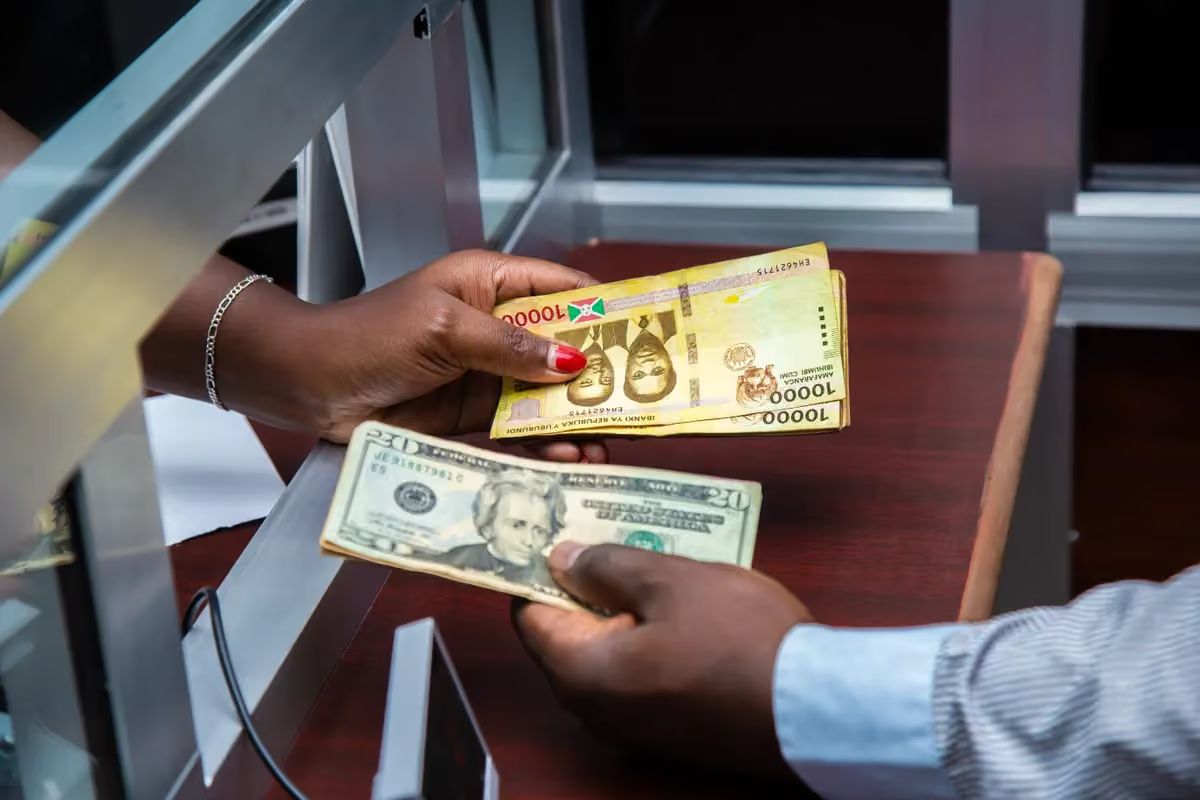
Canadians have several options for exchanging currency, each with different typical rate structures and conveniences. Major Canadian banks like TD, RBC, and Scotiabank offer foreign exchange services through their branches and online platforms. Banks provide competitive rates for services like transferring funds to foreign accounts, exchanging money for travel, or converting currency within an account. For immediate cash needs, US dollars, Euros, and British Pounds are often available at most bank branches, while other currencies can typically be ordered for pickup within three to seven business days. Some banks, such as TD, operate dedicated Foreign Exchange Centres which hold over 50 foreign currencies and precious metals on hand for immediate purchase.
Specialized currency exchange services form another major category. Companies like ICE International Currency Exchange and KnightsbridgeFX operate online and at physical locations, including major airports like Montreal, Toronto, and Vancouver. These services often promote competitive rates and the convenience of online ordering with airport pickup. Online-only currency exchange and international transfer specialists, such as Wise and Interchange Financial, frequently offer rates closer to the mid-market benchmark by using a different fee model. Canadian post offices and certain financial institutions at border crossings also provide currency exchange services, often catering to visitors. The method of obtaining cash, such as branch pickup, airport kiosk collection, or home delivery, can influence the final cost through added fees.
Fees and Hidden Costs in Currency Exchange
The total cost of a currency exchange is rarely just the quoted exchange rate. Most providers add a margin or markup to the mid-market rate, which is a hidden cost that reduces the amount of foreign currency you receive. This markup is the primary way many banks and exchange services earn money on currency transactions, even when they advertise low or zero fees. Some providers also charge a separate, stated transaction fee on top of this embedded markup. For international money transfers, this practice means customers can be charged twice, once with a visible fee and again with a worse exchange rate. When ordering physical cash in advance, additional delivery charges may also apply.
It is crucial to compare the total cost, not just the headline rate. A provider offering a rate very close to the mid-market rate with a small, transparent fee may be cheaper than a provider with a slightly better quoted rate but a larger hidden markup. For cash exchanges at airports or tourist centres, the markup is often significantly higher to cover convenience and overhead costs. When using debit or credit cards for purchases or ATM withdrawals outside Canada, the exchange rate is set by the card network and may include its own margin, plus the card issuer may charge a foreign transaction fee. Reviewing the cardholder agreements is necessary to understand these costs fully.
Steps to Get a Better Exchange Rate
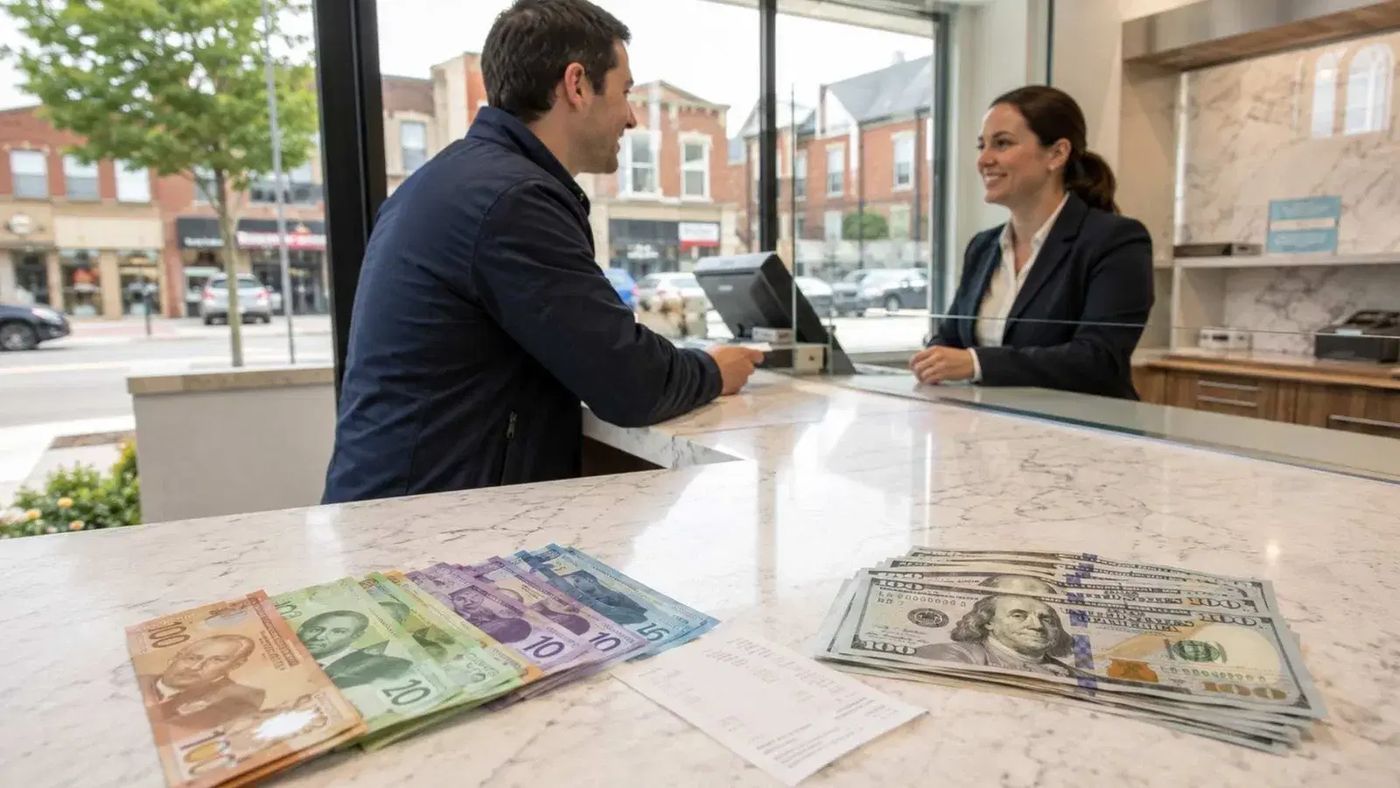
To secure a more favourable exchange rate, Canadians should follow a process of research and comparison. The first step is to identify the current mid-market rate for the currency pair using a reliable independent source, such as the Bank of Canada's published averages or a financial data website. This rate serves as a benchmark for comparison. The next step is to obtain quotes from multiple providers, including your bank, specialized online exchange services, and physical currency exchange outlets. When getting a quote, always ask for the total amount of foreign currency you will receive for your Canadian dollars, including all fees, to enable a true comparison.
After gathering quotes, calculate the difference between each provider's effective rate and the mid-market benchmark. The provider with the smallest difference typically offers the best value. For larger transactions, such as transfers over a few thousand dollars, even a small difference in the rate can have a substantial financial impact. Consider the timing of your transaction, as rates fluctuate. Some services, like Wise, allow you to lock in an exchange rate for 24 hours after you initiate a transfer, which can protect you from market moves. For travel cash, planning ahead to avoid last-minute exchanges at airports or hotels can lead to significant savings. Finally, for recurring needs, investigate whether holding a foreign currency account or using a multi-currency debit card that uses fair exchange rates could be a cost-effective solution.
Common Mistakes to Avoid
One of the most frequent mistakes is exchanging currency at an airport kiosk or hotel without comparing rates. These locations are convenient but typically offer some of the worst exchange rates due to high markups catering to captive travellers. Another common error is assuming your bank always offers the best rate. While banks provide security and convenience, their retail exchange rates often include a significant margin, especially for walk-in cash transactions. Failing to calculate the total cost is a critical oversight. Consumers often look only at the absence of a transaction fee or a seemingly good quoted rate without realizing the cost buried in an unfavourable exchange rate.
Using a credit or debit card abroad without understanding the associated costs is another pitfall. While convenient, these transactions usually involve an exchange rate set by the card network plus a foreign transaction fee, which can add several percent to the cost. Forgetting to order foreign cash in advance can force last-minute exchanges at poor rates. Many banks and services require three to seven business days to deliver less common currencies to a branch. Lastly, not checking the buy-back rate for unspent currency can be costly. When you return from a trip, the rate you receive when selling back foreign cash to a bank or exchange service will be different, and often less favourable, than the rate you paid to buy it, resulting in a second round of exchange costs.
Comparing Provider Exchange Rates
Exchange rates vary considerably between different types of providers in Canada. The following table illustrates how the effective cost can differ for a standard transaction, based on available comparative data. Online specialists often provide rates closest to the mid-market benchmark, while physical convenience locations typically have the largest markup. Banks occupy a middle ground, offering reliability and a wide range of services. It is important to note that the rates for cash transactions and for electronic transfers can differ, even within the same provider. Banks often have one set of rates for non-cash transactions under a certain limit, such as $9,999, and may offer different rates for larger commercial transactions.
| Provider Type | Example Rate for GBP/CAD | Notable Features |
|---|---|---|
| Major Canadian Banks | Retail rate (varies by bank) | Order cash for branch pickup in 3-7 days. |
| International Currency Exchange (ICE) | Competitive retail rates | Over 60 currencies. Airport pickup available. |
| Airport Kiosks & Bureaux de Change | Highest markup | Immediate cash. Highest convenience cost. |
The quoted exchange rate can only be guaranteed at the precise moment the purchase or sale transaction is conducted. Rates can change at any time and are subject to market fluctuations. ICE International Currency Exchange offers a Click and Collect service for ordering travel money online. This service allows customers to pay on pickup at convenient airport locations across Canada. Using this pre-ordering service helps travellers avoid last-minute bank fees.
Rules and Limits for Currency Exchange
Financial institutions in Canada operate under specific rules and set internal limits for currency exchange transactions. For consumer transactions at banks, the published exchange rates often apply only to non-cash transactions up to a certain value, such as $9,999. These rates are provided for information purposes only and are subject to change without notice. The actual rate is guaranteed only at the time the purchase or sale is executed. For larger transactions, or for commercial and corporate customers, banks like Scotiabank offer dedicated platforms such as ScotiaFX for live quotes and trade execution.
There are also practical limits based on logistics. When ordering foreign currency cash, most banks require advance notice. While US dollars, Euros, and British Pounds may be available on hand at many branches, other currencies typically need to be ordered and take three to seven business days to arrive at your selected branch. Providers like ICE Canada offer a Click and Collect service where you can order online and pay on pickup at airport locations. The process for converting funds deposited into your account from a foreign currency is automatic. The bank uses its applicable exchange rate in effect when the deposit is posted to the account.
Frequently asked questions
Where is the best place to exchange currency in Canada?
The best place depends on the transaction type. For international money transfers, online specialists often offer rates closest to the mid-market rate. For travel cash, ordering online from a bank or a service like ICE Canada for branch or airport pickup usually provides better rates than walk-in airport kiosks. Comparing the total amount of foreign currency you will receive from multiple providers is the only way to identify the best deal.
Do banks offer good exchange rates in Canada?
Major Canadian banks offer competitive retail exchange rates for currency exchange services. These rates apply to services like transferring funds or exchanging money for travel. However, the retail exchange rates used by banks include a markup from the mid-market rate. It is advisable for customers to compare the total cost from banks and other providers for large transactions.
What is the mid-market exchange rate?
The mid-market exchange rate is the rate used between large financial institutions in the interbank market. It is considered the fairest possible exchange rate. Retail customers typically do not receive this rate directly from banks or exchange services. These providers add a markup to the mid-market rate to create their own retail exchange rate for customer transactions.
Are there fees for exchanging currency at a bank?
Yes, banks typically charge for currency exchange through a combination of methods. They often embed a profit margin within the exchange rate they quote you, which is a hidden fee. Some transactions may also have a separate, stated service fee. The total cost is the difference between the mid-market rate and the amount of foreign currency you actually receive.
How can I avoid poor exchange rates at the airport?
To avoid high costs at airport exchanges, plan ahead by ordering foreign currency online. You can order from your bank or a currency exchange service for pickup at a branch before your trip. Some services also allow for pre-ordering and pickup at airport locations. Using a debit or credit card with low foreign transaction fees abroad can also reduce the need for cash obtained at poor rates.
How often do exchange rates update?
Exchange rates fluctuate constantly throughout the day based on global market activity. The Bank of Canada publishes a daily average exchange rate each business day. This published rate is an indicative average for information purposes. The actual rate you receive from a bank or exchange service is set at the moment your transaction is processed and is only guaranteed then.
Sources and further reading
- Currency Converter & Live Exchange Rates td.com
- Exchange rates bankofcanada.ca
- Foreign Currency Exchange Rates scotiabank.com
- Best Canadian dollar exchange rate wise.com
- International Currency Exchange, ICE Canada ice-canada.ca
This article explains how things work and is not financial, tax or legal advice. Rules, limits and rates change, so check the current figures with the Canada Revenue Agency, your province or your financial institution before you act.