In Canada, the best travel credit cards are those that align with an individual's specific spending habits and travel patterns. These cards can provide value through rewards points, travel insurance, lounge access, and savings on foreign transaction fees. Selecting a card involves comparing features like annual fees, earn rates on everyday purchases, and the flexibility of redemption options. For Canadians, understanding these details is key to maximizing the benefits available from travel-oriented credit products.
Understanding Travel Credit Card Value
Travel credit cards in Canada offer value beyond simple point accumulation. The primary benefit is earning rewards on everyday purchases, which can later be redeemed for travel expenses like flights, hotels, and car rentals. Different cards are structured to reward different spending categories, such as groceries, dining, or transit. Additional value comes from ancillary benefits like comprehensive travel insurance packages, which can include emergency medical coverage and trip cancellation protection. Some cards also provide access to airport lounges, which can enhance the travel experience. The overall value of a card depends on how well its reward structure and benefits match the cardholder's spending and travel frequency. Cards are often evaluated based on their overall value to consumers, considering factors like annual fees, earn rates, ease of use, welcome offers, and redemption options.
Categories of Travel Credit Cards
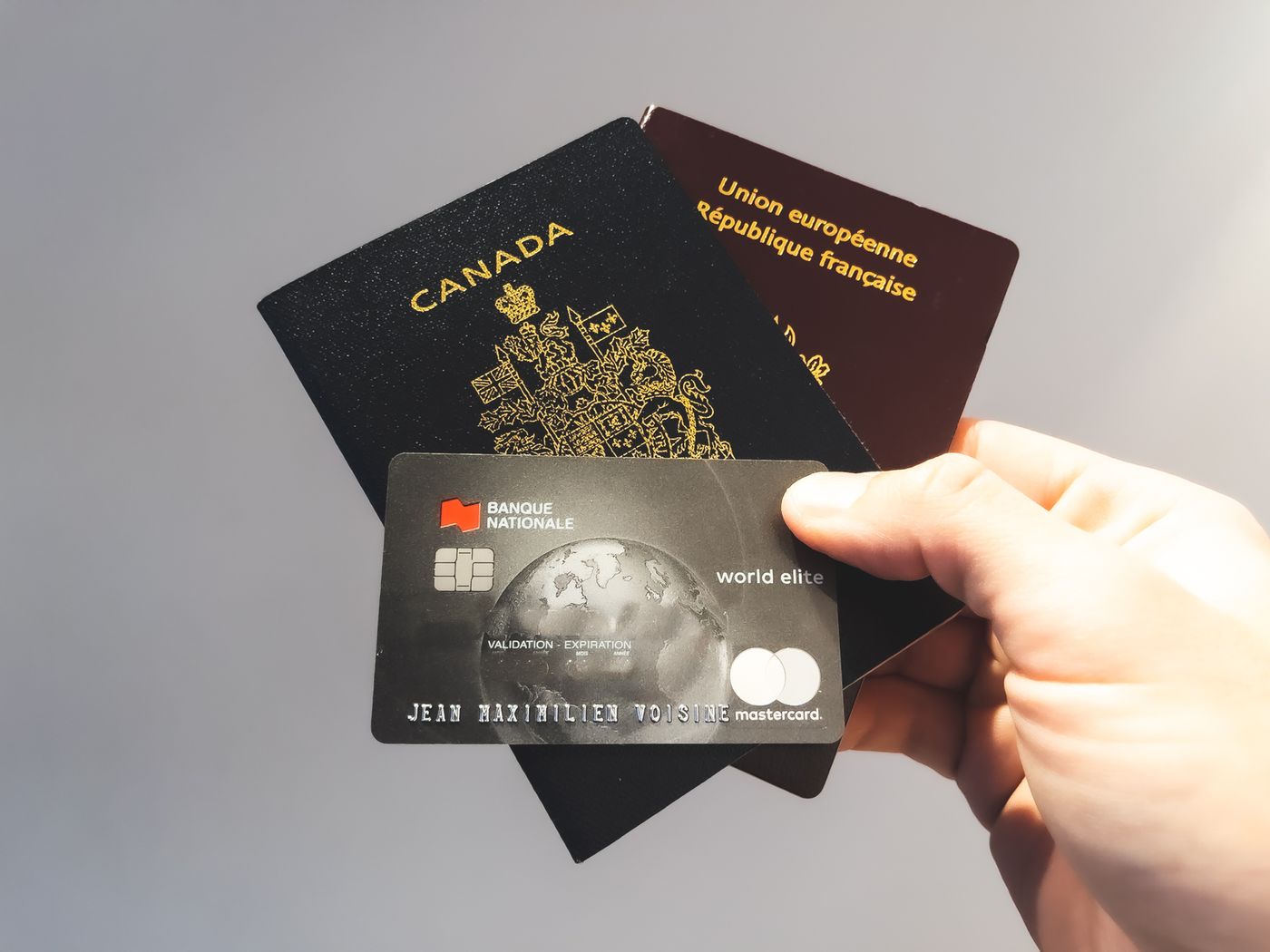
Travel credit cards in Canada can be grouped into several distinct categories based on their primary value proposition. The first category includes cards focused on flexible rewards, which allow points to be transferred to various airline loyalty programs or redeemed for a wide array of travel options. A second category consists of premium travel cards, which carry high annual fees but offer superior perks like unlimited lounge access and hotel status. Another group is designed for airline or hotel loyalty, where points are earned specifically for a single partner's program. Finally, some cards are distinguished by premium travel perks at a mid-tier price, offering a balance of lounge access and strong insurance without an ultra-premium fee. Understanding these categories helps in narrowing down options based on desired benefits.
- Flexible Rewards Cards: Points transfer to multiple airline programs or redeem for broad travel (e.g., American Express Cobalt, RBC Avion Visa Infinite).
- Premium Travel Cards: High annual fee ($799+), unlimited lounge access, elite hotel status (e.g., American Express Platinum Card).
- Airline/Hotel Loyalty Cards: Points are earned directly for a specific airline or hotel chain (e.g., TD Aeroplan Visa Infinite Privilege, United MileagePlus Neo World Elite Mastercard).
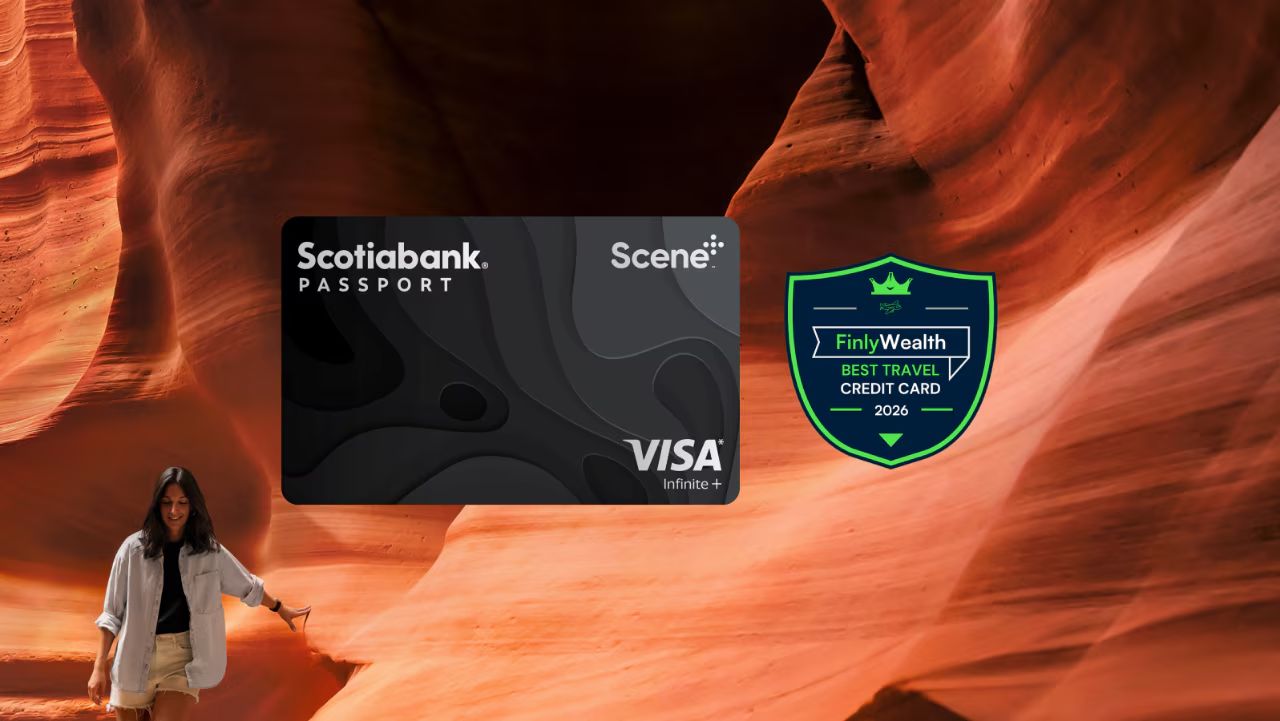
- Cards with Premium Perks: Mid-tier annual fee, includes lounge visits and robust insurance (e.g., Scotiabank Passport Visa Infinite+).
Detailed Comparison of Card Features
When evaluating travel credit cards, several concrete features should be compared side by side. The annual fee is a primary cost, ranging from $0 for basic cards to $799 for premium options like the American Express Platinum Card. The earn rate on purchases dictates how quickly rewards accumulate, with some cards offering up to 6 Scene+ points per dollar spent at partner grocery stores like Sobeys and Safeway. Foreign transaction fees, typically 2.5%, can be a significant cost for international travellers, though cards like the Scotiabank Passport Visa Infinite+ waive this fee. Travel insurance coverage varies greatly between cards, with common inclusions being emergency medical, trip cancellation, and baggage delay. Redemption flexibility is another critical factor, determining whether points can be transferred to airline partners or are locked into a fixed-value system. Other features to compare include welcome offers, which can provide substantial bonus points, and additional perks like NEXUS application fee rebates.
| Feature | Example Range or Detail | Specific Card Example |
|---|---|---|
| Annual Fee | $0 to $799 | $0 (Tangerine), $150 (Scotiabank Passport Visa Infinite+), $799 (Amex Platinum) |
| Purchase Interest Rate | 20.99% to 21.99% | 20.99% (Scotiabank Passport Visa Infinite+), 21.99% (TD First Class Travel Visa Infinite) |
| Foreign Transaction Fee | Typically 2.5% (some cards waive) | Waived on Scotiabank Passport Visa Infinite+ and Scotiabank Gold Amex |
| Lounge Access | 6 complimentary visits to unlimited | 6 visits (Scotiabank Passport Visa Infinite+), Unlimited (Amex Platinum) |
| High Earn Rate Categories | Groceries, dining, food delivery | 5x on eats/drinks (Amex Cobalt), 6x at Scene+ grocers (Scotiabank Gold Amex) |
| Travel Insurance | Emergency medical, trip cancellation, baggage | Up to $2M emergency medical (Scotiabank Passport Visa Infinite+) |
| Welcome Offer Potential | Bonus points after initial spend | Up to 100,000 bonus Scene+ points (Scotiabank cards) |
Earning Structures and Accelerated Categories
Earning travel points typically involves using the credit card for everyday purchases, with accelerated rates applied to specific spending categories. For instance, the American Express Cobalt Card earns 5 Membership Rewards points per dollar on eligible groceries, restaurants, and food delivery in Canada. The Scotiabank Gold American Express Card can earn up to 6 Scene+ points per dollar spent at eligible grocery partners like Sobeys, Safeway, and Foodland. Many cards also offer boosted rates on other categories. Some cards, like the RBC Avion Visa Infinite, offer a simpler flat earn rate of 1.25 Avion points per dollar on travel purchases and 1 point on all other spending. It is crucial to note that accelerated earn rates often have spending caps or are limited to specific merchant categories as defined by the card issuer.
Redemption Options and Flexibility
Points generally do not expire as long as the account remains open and in good standing. Redemption processes vary by card issuer and rewards program. Points can often be redeemed through an online travel portal operated by the bank, such as the Scene+ Travel platform or the CIBC Rewards Centre. A key feature of flexible points programs is the ability to transfer points directly to partner airline loyalty programs like Aeroplan, British Airways Executive Club, or WestJet Rewards, often at a 1:1 ratio. Some programs, like RBC Avion, allow booking any flight from over 500 participating airlines with fixed-points pricing, avoiding surge pricing and blackout dates. Other redemption options include using points for merchandise, gift cards, or as a statement credit, though the value per point may be lower for non-travel redemptions. For cards tied to a specific platform, such as Scene+ Travel, accelerated point earnings may only apply when bookings are made through that specific portal.
Comprehensive Travel Insurance and Protections
Many travel credit cards in Canada include a suite of insurance benefits, which can provide significant value and peace of mind. Common coverages include emergency medical insurance for trips, which can provide up to $2 million in coverage for eligible travellers, as seen with the Scotiabank Passport Visa Infinite+ Card. Trip cancellation and interruption insurance can reimburse non-refundable expenses if a trip is cancelled for a covered reason. Other standard protections include flight delay insurance, which may provide compensation for meals and accommodations, and lost or delayed baggage insurance. Rental car collision and loss damage insurance is also frequently included, often covering the deductible on a personal auto policy. Some cards, like the American Express Cobalt, offer unusually robust travel insurance for a mid-tier card. The specific terms, conditions, and coverage limits are detailed in the benefit guide or insurance certificate for each card, and eligibility requirements, such as paying for the trip with the card, usually apply.
Special Considerations for International Travel
For Canadians who travel outside the country, certain card features become particularly important. The foreign transaction fee, which is usually 2.5% on every purchase made in a foreign currency, can add cost quickly. Cards that waive this fee, such as the Scotiabank Passport Visa Infinite+ and Scotiabank Gold American Express, can result in direct savings. Access to airport lounges can improve the travel experience, with some cards offering a set number of complimentary visits per year, like the six visits with the Scotiabank Passport Visa Infinite+. Global acceptance is another factor, as networks like Visa and Mastercard are widely accepted, while American Express may have more limited acceptance in some regions. Cards geared for international travel often also include robust travel insurance that is valid worldwide, not just within Canada. Some premium cards offer additional international benefits, such as the American Express Platinum Card's $400 annual travel and dining credit and elite status with Marriott Bonvoy and Hilton Honors hotel programs.
A Step-by-Step Guide to Choosing a Card
Selecting a travel credit card involves a methodical review of personal finances and travel goals. The first step is to analyze personal spending habits to identify which categories, such as groceries, dining, or gas, represent the largest monthly expenditures. The second step is to determine which travel benefits are most valued, such as lounge access, comprehensive insurance, or no foreign transaction fees. The third step involves comparing the annual fee against the potential value earned from rewards and utilized benefits to ensure the card is cost-effective. The fourth step is to review the card's eligibility requirements, which often include a minimum personal income and a good credit history. Finally, it is prudent to examine the welcome offer, which often provides a large bonus of points after meeting an initial spending requirement within the first few months. For example, some Scotiabank cards offer welcome offers worth up to $3,000 in value including bonus points.
- Analyze personal spending patterns and categories to match with card bonus earn rates.
- Identify priority travel benefits such as insurance, lounge access, or no foreign transaction fees.
- Compare the annual fee to projected rewards value and benefit usage to assess net value.
- Check eligibility requirements like minimum income and credit score needed for approval.
- Review the welcome offer terms, initial spending requirement, and total potential bonus value.
- Consider redemption flexibility and ease of use for the rewards program.
Understanding Fees, Interest, and Other Costs
Beyond the advertised rewards, travel credit cards come with various fees that impact their overall cost. The annual fee is the most obvious, charged each year for card membership, and can range from $0 on a basic card to $399 on the Scotiabank Platinum American Express Card. Interest charges apply on purchases if the balance is not paid in full by the payment due date, with typical purchase interest rates ranging from 20.99% to 21.99%. Some cards, like the Scotiabank Platinum American Express, may have a lower promotional purchase rate of 9.99%. Balance transfer fees and cash advance fees are other potential costs. For international use, the foreign transaction fee of 2.5% is a common charge on purchases made in a foreign currency, though some cards explicitly waive it. Some premium cards may also offer fee rebates for programs like NEXUS, up to $100, which can offset part of the annual cost. It is important to read the cardholder agreement to understand all potential fees, including any charges for additional cardholders or specific transaction types.
Eligibility and Application Process
Eligibility for travel credit cards in Canada typically depends on an individual's credit history and personal income. Most premium travel cards require a good to excellent credit score for approval. Financial institutions often set minimum personal income requirements, though these thresholds are not always publicly disclosed. For newcomers to Canada within the past three years, some banks, like RBC, may require an in-branch application rather than an online one. The application process itself is usually conducted online and can provide a result in less than a minute. Applicants will need to provide personal information, employment details, and financial data. Approval is not guaranteed and is based on the issuer's assessment of creditworthiness. For those concerned about credit checks, some online tools can show cards and offers one is likely to qualify for without affecting credit or requiring a Social Insurance Number.
Frequently asked questions
Do travel credit card points expire?
Points earned on most travel credit cards in Canada do not expire as long as the credit card account remains open and in good standing. Cardholders can accumulate points over time and redeem them when they are ready to travel. However, if an account is closed, points associated with that account may be forfeited according to the program's terms. It is always advisable to check the specific rewards program rules for the exact expiry policy, as some promotional points may have different conditions.
What is a foreign transaction fee and how can I avoid it?
A foreign transaction fee is a charge, typically 2.5%, applied by credit card issuers to purchases made in a foreign currency. This fee is in addition to the exchange rate and can add significant cost to spending abroad. To avoid this fee, Canadians can use a credit card that specifically waives foreign transaction fees, such as the Scotiabank Passport Visa Infinite+ Card or the Scotiabank Gold American Express Card. Using such a card for spending while abroad can lead to direct savings on every transaction compared to using a standard card.
What kind of travel insurance comes with a credit card?
Travel credit cards often include several types of insurance. Common coverages are emergency medical insurance for trips, which can provide up to $2 million in coverage, trip cancellation and interruption insurance, flight delay insurance, and lost or delayed baggage insurance. Many cards also include rental car collision and loss damage insurance and even hotel burglary insurance. The coverage limits, eligibility requirements, and specific terms vary significantly from card to card, and are detailed in the insurance certificate or benefit guide provided by the issuer. Coverage usually requires that the travel expense be charged to the card.
Can I use travel points for things other than flights?
Yes, many travel rewards programs offer flexibility in redemption options. While points are commonly used for flights, hotels, and car rentals, some programs allow points to be redeemed for merchandise, gift cards, or as a statement credit against travel purchases. Some cards, like those offering flexible points such as American Express Membership Rewards, also allow transfers to airline loyalty programs, which can then be used for a variety of travel-related expenses beyond just airfare. The value per point may be higher when redeemed for travel compared to other options.
Are there travel credit cards with no annual fee?
Yes, there are travel credit cards available in Canada with no annual fee. These cards typically offer a basic rewards structure, such as earning 1 point per dollar spent on all purchases or on specific categories. They may have fewer travel benefits and insurance coverages compared to cards with annual fees. An example is a no-fee Aventura card from CIBC, which provides a straightforward earn rate on purchases. Another is the Tangerine World Mastercard, which offers cash back that can be used to offset travel costs, though it is not a dedicated travel points card.
How do I get airport lounge access with a credit card?
Airport lounge access is a benefit offered by some travel credit cards. The level of access varies. Premium cards like the American Express Platinum Card provide unlimited complimentary access to a global network of over 1,400 lounges. Other cards, like the Scotiabank Passport Visa Infinite+ Card, offer a limited number of complimentary lounge visits per year, such as six. Access is typically granted through a membership program like Priority Pass or by presenting the card and a same-day boarding pass at participating lounges. Some cards only offer discounted access or a free membership where you still pay for visits.
Sources and further reading
- The best travel credit cards in Canada for 2026 ratehub.ca
- Best Travel Credit Cards in Canada nerdwallet.com
- Travel rewards credit cards cibc.com
- Travel Rewards Credit Cards, Apply Online | RBC ... rbcroyalbank.com
- Credit Cards with Travel Rewards | Scotiabank Canada scotiabank.com
This article explains how things work and is not financial, tax or legal advice. Rules, limits and rates change, so check the current figures with the Canada Revenue Agency, your province or your financial institution before you act.