For Canadians planning international travel, certain credit cards offer features specifically designed to reduce costs and provide protections abroad. Key considerations include the absence of foreign transaction fees, comprehensive travel insurance, and flexible rewards programs. Cards are evaluated based on their annual fees, earn rates, welcome offers, and the travel-related benefits they provide. Understanding these features helps travellers select a card that aligns with their spending habits and travel frequency.
Core Features of Travel Credit Cards
Travel credit cards for international use typically function by allowing cardholders to earn points on everyday purchases which can later be redeemed for travel expenses like flights, hotels, or car rentals. A defining feature for international travel is whether the card charges a foreign transaction fee, which is commonly 2.5% on purchases made in a foreign currency. Many cards also bundle a suite of travel insurance benefits, which can include emergency medical coverage, trip cancellation or interruption insurance, and coverage for flight delays or lost baggage. Additional premium perks may include complimentary access to airport lounges, either through a limited number of annual passes or unlimited access, and credits for travel or dining expenses. The value of a card is often assessed against its annual fee, weighing the cost against the potential savings from avoided fees, the value of redeemed points, and the utility of the included insurance and benefits.
Cards with No Foreign Transaction Fees
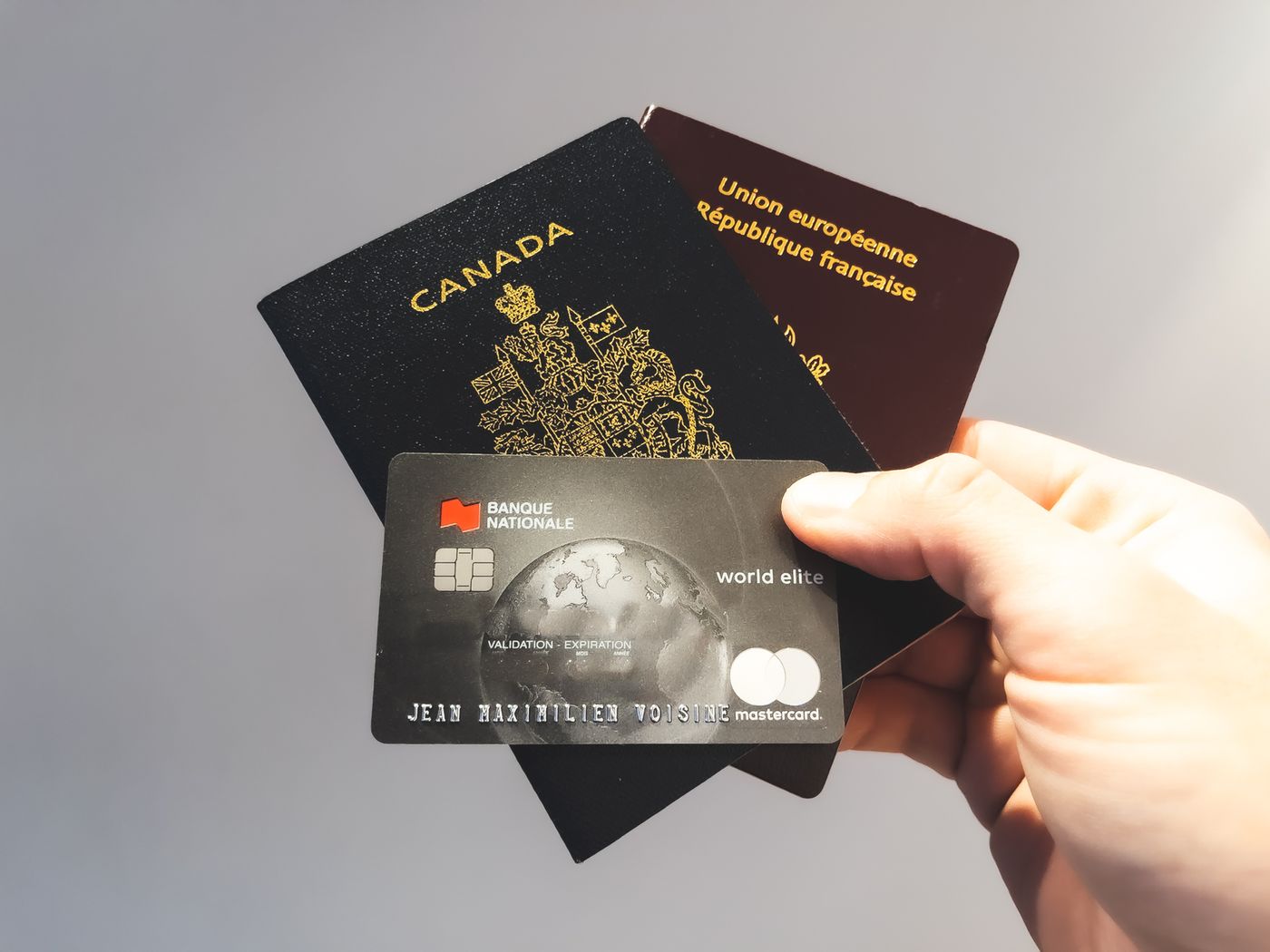
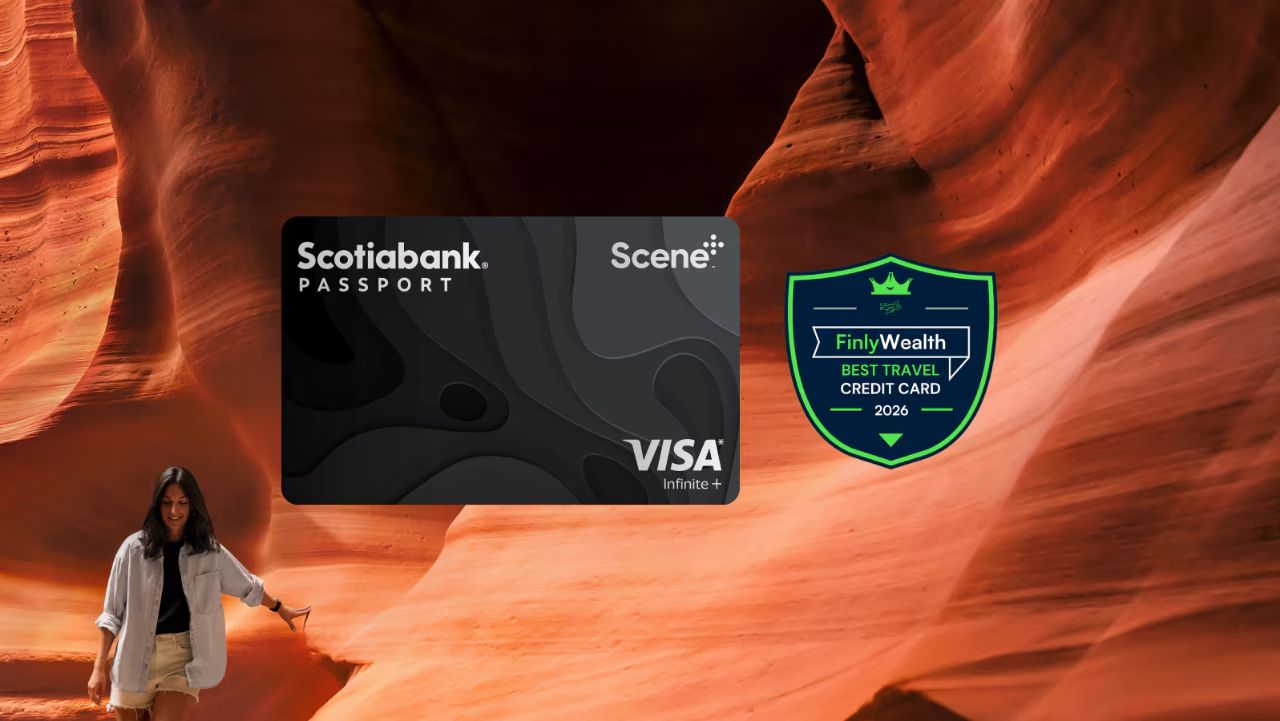
A primary cost-saving feature for international travellers is a credit card that does not charge a foreign transaction fee. The Scotiabank Passport Visa Infinite+ Card is identified as a leading option in this category, as it avoids the standard 2.5% fee on foreign currency purchases. This card also provides six complimentary airport lounge visits each year and includes up to $2 million in emergency medical insurance for eligible travellers. The Scotiabank Gold American Express Card is another card that offers no foreign transaction fees, alongside high earn rates on categories like groceries, dining, and entertainment. For those seeking a premium option without this fee, the American Express Platinum Card provides unlimited airport lounge access and substantial annual travel credits, though it carries a high annual fee of $799. It is important for applicants to review the card agreement for the most current details on exchange rates and any other potential fees associated with international use.
Evaluating Travel Rewards and Points Programs
The structure of a card's rewards program is a critical factor for accumulating travel benefits. Programs generally fall into two categories: fixed-value points systems and transferable points systems. Fixed-value points, such as Scene+ points earned with Scotiabank cards, have a defined monetary value when redeemed for travel, often through a dedicated travel portal. Transferable points, like American Express Membership Rewards or RBC Avion points, offer flexibility by allowing points to be transferred at a 1:1 ratio to airline loyalty programs such as Aeroplan, British Airways Executive Club, or WestJet Rewards. The American Express Cobalt Card is noted for its high earn rate of 5 points per dollar on eligible groceries, restaurants, and food delivery in Canada, with points being transferable to Aeroplan and other programs. When comparing cards, it is essential to consider the earn rates on your predominant spending categories, the ease of redeeming points, and whether blackout dates or surge pricing apply to reward travel bookings.
Key factors in a rewards program's value include the earn rate on different purchase categories and the flexibility of redemption. For example, the Scotiabank Gold American Express Card earns up to 6 Scene+ points per $1 spent and 5 points per $1 on eligible groceries, dining, and entertainment. The American Express Cobalt Card earns 5 Membership Rewards points per $1 on eligible groceries, restaurants, and food delivery in Canada. Common redemption options include using points for flights, hotels, and car rentals through a travel portal. Cards like the RBC Avion Visa and American Express Cobalt also offer the flexibility to transfer points to airline loyalty programs such as Aeroplan, WestJet Rewards, and British Airways Executive Club.
- Earn up to 6 Scene+ points per $1 spent on specific categories with the Scotiabank Gold American Express Card.
- Earn 5 Membership Rewards points per $1 on eligible groceries, restaurants, and food delivery with the American Express Cobalt Card.
- Earn 3 Scene+ points per $1 on hotels, car rentals, and activities booked through Scene+ Travel with the Scotiabank Passport Visa Infinite+ Card.
- Redeem points for any flight from over 500 participating airlines with fixed-points pricing using RBC Avion Visa cards.
- Convert RBC Avion points to WestJet Rewards, British Airways Executive Club, or American Airlines AAdvantage programs.
- Transfer American Express Membership Rewards points 1:1 to Aeroplan and several other airline loyalty programs.
- Use points for merchandise, gift cards, or other non-travel rewards if travel plans are on hold.
Comprehensive Travel Insurance Protections
Travel insurance is a standard inclusion with many mid-tier and premium travel credit cards, providing financial protection against unforeseen events during trips. Common coverages include emergency medical insurance, which can provide up to $2 million in coverage for eligible travellers for a specified number of days per trip. Trip cancellation and interruption insurance can reimburse non-refundable, pre-paid travel expenses if a trip is cancelled or cut short due to a covered reason, such as illness or severe weather. Other standard protections often include flight delay insurance, which may provide a monetary benefit for delays over a set duration, and baggage delay, loss, or damage insurance. Some cards, like the Scotiabank Gold American Express Card, also include rental car collision and loss damage insurance and even hotel burglary insurance. Cardholders must typically charge a portion of their travel expenses to the card to activate these benefits, and they should review the insurance certificate for specific eligibility requirements, coverage limits, and exclusions before travelling.
The scope of insurance can vary significantly between cards. Common travel insurance benefits bundled with Canadian travel credit cards include emergency medical insurance, trip cancellation and interruption insurance, and flight delay insurance. Coverage often extends to baggage delay, loss, or damage insurance, as well as rental car insurance and hotel burglary coverage. For instance, the Scotiabank Passport Visa Infinite+ Card provides up to $2 million in emergency medical insurance for eligible travellers. The Scotiabank Gold American Express Card also includes extensive travel insurance covering these same areas.
- Emergency medical insurance for travellers, with coverage up to $2 million.
- Trip cancellation or interruption insurance.
- Flight delay insurance.
- Lost or delayed baggage insurance.
- Rental car collision and loss damage insurance.
- Hotel burglary insurance.
Annual Fees and Welcome Offers
The annual fee for travel credit cards in Canada ranges from $0 for some basic cards to $799 for premium cards like the American Express Platinum. The fee is a central component in evaluating a card's overall value, as it must be offset by the rewards earned and benefits used. Many cards feature substantial welcome offers to attract new applicants, which can include bonus points after meeting a minimum spending requirement within the first few months. The American Express Platinum Card offers $400 in annual travel and dining credits, which can effectively reduce its net annual cost for cardholders who use them. It is crucial to calculate whether your expected spending and use of card benefits will surpass the annual fee, making the card a financially sensible choice for your travel habits.
Welcome offers and first-year value propositions are major factors in card selection. Promotional offers can include bonus points upon meeting an initial spending requirement. For example, some Scotiabank cards offer welcome bonuses like up to 50,000 bonus Scene+ points. The American Express Platinum Card provides $400 in annual travel and dining credits as part of its value proposition. Other cards may promote first-year savings or rewards values, such as offers to earn up to $3,000 in value within the first 14 months including bonus points.
- Earn up to $1,250 in first year welcome offers, rewards and savings, including up to 35,000 bonus Scene+ points with another Scotiabank offer.
- Earn up to $950 in welcome offers, first year rewards and savings value, including up to 50,000 bonus Scene+ points.
- Earn up to 10,000 bonus Scene+ points within your first 3 months, which is up to $100 towards travel.
- Earn up to 80,000 bonus Scene+ points within your first 14 months, worth up to $800 in value.
- Receive a NEXUS application fee rebate of up to $100 with some CIBC travel credit cards.
Premium Card Benefits and Lounge Access
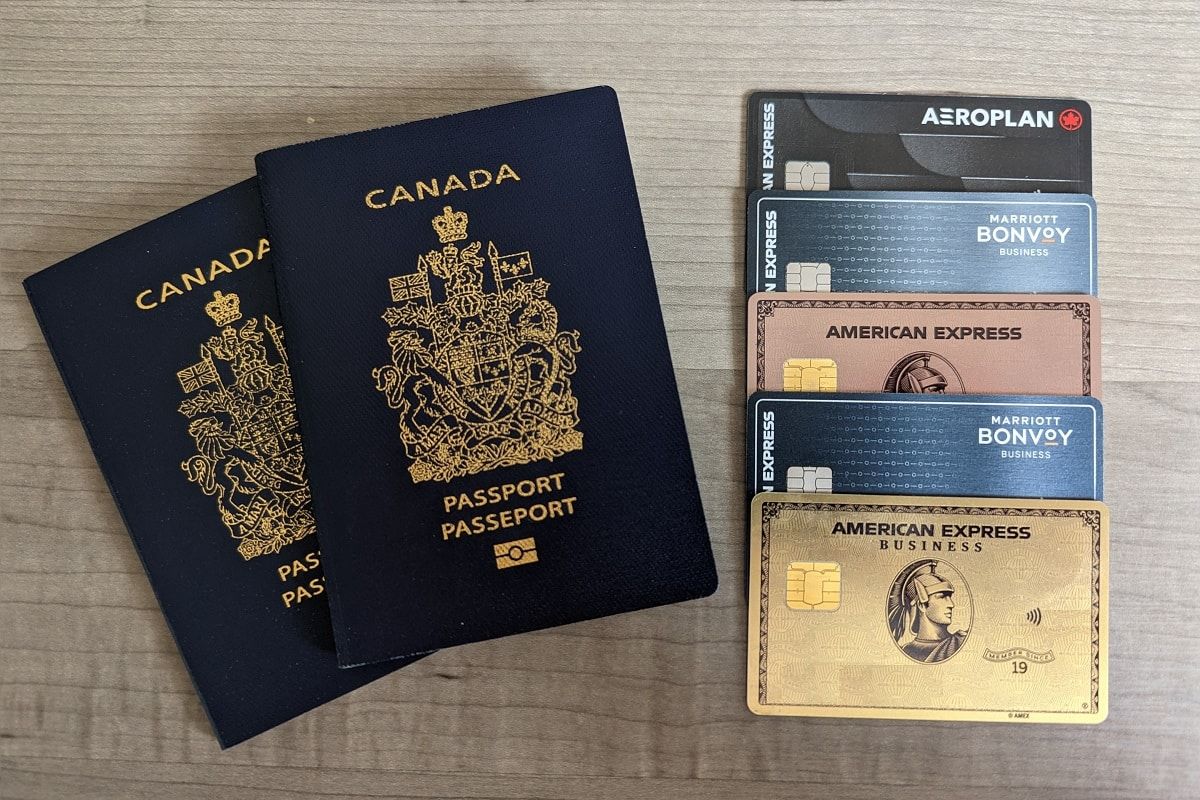
Premium travel credit cards distinguish themselves with a suite of high-value benefits aimed at frequent international travellers. The most notable benefit is often airport lounge access, which ranges from a limited number of complimentary passes to unlimited entry. The American Express Platinum Card provides unlimited access to more than 1,400 airport lounges globally, a significant advantage for those who travel often. In contrast, the Scotiabank Passport Visa Infinite+ Card offers six complimentary lounge visits per year. Other premium benefits can include automatic elite status with hotel loyalty programs like Marriott Bonvoy and Hilton Honors, which provides room upgrades, late checkout, and bonus points. The American Express Platinum Card also includes an annual $400 travel and dining credit, which is applied as statement credits for eligible purchases. These premium features come with correspondingly high annual fees, so their value is directly tied to how frequently and effectively a cardholder can utilize them.
When considering a premium card, it is important to evaluate all included benefits beyond lounge access. The American Express Platinum Card, for instance, offers a valuable annual travel and dining credit and hotel status, while the Scotiabank Passport Visa Infinite+ Card focuses on no foreign transaction fees and a set number of lounge visits. The annual fee for the American Express Platinum Card is $799, and for the Scotiabank Passport Visa Infinite+ Card it is $150, though this fee may be rebated or reduced for some Scotiabank banking customers who meet specific conditions. The BMO Blue Rewards World Elite Mastercard also offers travel benefits through its Blue Rewards program and Mastercard Travel Pass, appealing to those who want a premium Mastercard with lounge access and insurance.
Alternative Options for Spending Abroad
For travellers who prefer not to use a credit card or want to avoid credit checks and annual fees, prepaid multi-currency cards present an alternative. The Wise card is one such option available in Canada. It is not a credit card but a debit card linked to a multi-currency account. Users can hold over 40 currencies and convert money at the mid-market exchange rate, with a separate conversion fee applied instead of a foreign transaction fee. The Wise card is free to order and offers a digital card for immediate use online and in stores, with a physical card available for delivery. It allows for cash withdrawals with no ATM fee on the first CA$100 per month, after which a fee of CA$2.69 plus 2.69% of the amount over CA$100 applies. Unlike rewards credit cards, it does not offer points, travel insurance, or a credit limit, positioning it as a tool for spending existing funds abroad with transparent fees and exchange rates.
The Wise card has specific features and fee structures that differentiate it from traditional credit cards. It is a multi-currency debit card that allows you to spend in more than 40 currencies using the mid-market exchange rate. The Wise card is free to order in Canada and does not charge a separate foreign transaction fee, although conversion fees can apply. It offers features like holding 40+ currencies and compatibility with Google Pay and Apple Pay. However, unlike a credit card, the Wise card does not offer a credit limit, rewards points, or travel insurance benefits.
- It is free to order in Canada and works with Google Pay and Apple Pay.
- The digital card can be used in more than 40 currencies and 150 countries and territories.
- It uses the mid-market exchange rate for currency conversions.
- There is no separate foreign transaction fee, but a conversion fee applies.
- ATM withdrawals are free up to CA$100 per month, then a fee of CA$2.69 plus 2.69% applies.
- The card does not offer a credit limit, rewards points, or travel insurance.
- It allows you to hold 40+ currencies in one account.
Common Application Requirements and Mistakes
Applying for a travel credit card in Canada typically requires meeting specific eligibility criteria, which often includes a minimum personal income threshold and a good to excellent credit score. For instance, premium Visa Infinite or World Elite Mastercard products generally have higher income requirements than standard cards. A common mistake is applying for a card with a high annual fee without a spending plan that will generate enough rewards or utilize enough benefits to justify the cost. Another frequent error is not understanding the card's rewards structure, such as failing to use the card for bonus category spending or misunderstanding point redemption rules and blackout dates. Travellers sometimes overlook the need to activate certain insurance benefits by charging their travel bookings to the specific card, potentially leaving them without coverage. Finally, not informing your card issuer of your travel plans can lead to declined transactions abroad due to fraud prevention measures, so providing travel notifications is a recommended step before departure.
To avoid pitfalls, applicants should be aware of several key steps and requirements in the process. It is important to check the card's eligibility requirements, such as minimum income or credit score, before applying. Applicants should review the annual fee and calculate if the card's rewards and benefits will offset that cost based on their spending habits. Understanding the specifics of the rewards program, including earn rates, redemption options, and point expiration policies, is crucial. Finally, for international travel, verifying whether the card charges foreign transaction fees and the details of its travel insurance coverage is highly recommended.
- Check for a minimum personal income requirement, which is common for premium cards.
- Ensure you have a good to excellent credit score for approval.
- Newcomers to Canada within the past three years may need to visit a bank branch to apply.
- Calculate if your monthly spending will offset the card's annual fee.
- Activate travel insurance by charging your travel tickets or packages to the card.
- Provide your card issuer with travel notifications before your trip.
- Review the card agreement for foreign exchange rates and fees before travelling.
- Understand how to redeem points and check for any blackout dates or restrictions.
Frequently asked questions
What is a foreign transaction fee on a credit card?
A foreign transaction fee is a charge applied by many credit card issuers when you make a purchase in a currency other than Canadian dollars. This fee is typically 2.5% of the transaction amount and can add significant cost to spending abroad. Some travel focused cards are designed to avoid this charge, such as the Scotiabank Passport Visa Infinite+ Card which has no foreign transaction fees. The Scotiabank Gold American Express Card also features no foreign transaction fees. Avoiding this fee is a key consideration for international travellers as it directly reduces the cost of every purchase made in a foreign currency.
Do travel credit card points expire?
With many travel rewards credit cards, as long as the card account is active and in good standing, the accumulated points do not expire. This allows cardholders to save points over time for larger redemptions such as flights or vacation packages. For example, CIBC notes that as long as your travel card is active and in good standing, your points do not expire and you can use them whenever you are ready. However, specific program rules can vary between different issuers and reward programs, so it is always important to check the terms and conditions of your specific card's rewards program for any expiry policies or inactivity clauses.
What travel insurance is usually included with a credit card?
Common travel insurance benefits include emergency medical insurance, trip cancellation and interruption insurance, flight delay insurance, and baggage delay, loss or damage insurance. Coverage limits and eligibility requirements vary significantly by card. For example, the Scotiabank Passport Visa Infinite+ Card offers up to $2 million in emergency medical insurance for eligible travellers along with trip cancellation, interruption, flight delay and baggage coverage. The Scotiabank Gold American Express Card also provides extensive travel insurance covering emergency medical, trip cancellation, flight delays, lost baggage, rental cars and hotel burglary. Premium cards like the American Express Platinum Card include strong travel insurance as part of their suite of benefits.
Is airport lounge access included with travel credit cards?
Some premium travel credit cards include complimentary airport lounge access as a key benefit. This access can range from a limited number of visits per year to unlimited entry. For instance, the Scotiabank Passport Visa Infinite+ Card provides six complimentary airport lounge visits each year. In contrast, the American Express Platinum Card offers unlimited access to more than 1,400 airport lounges worldwide, which is a standout premium perk. Other cards may offer a free membership or a few passes per year, so the level of access is a major differentiator between standard and premium travel card offerings.
Can I use my Canadian travel credit card rewards for any airline?
It depends on the card's specific rewards program structure. Fixed value points cards typically allow redemption through a proprietary travel portal for flights on many airlines. Cards with transferable points offer greater flexibility by allowing conversion to airline loyalty programs. The American Express Cobalt Card lets you transfer Membership Rewards points 1:1 to Aeroplan and several other airline programs. Similarly, RBC Avion Visa cards allow you to convert points to leading loyalty programs like WestJet Rewards, British Airways Executive Club, and American Airlines AAdvantage. This transferability provides maximum flexibility over travel options compared to cards tied to a single airline or fixed portal.
What is the difference between a travel credit card and a multi-currency card like Wise?
A travel credit card is a line of credit that allows you to borrow money for purchases, earn rewards points, and often includes travel insurance and other benefits like lounge access. A multi-currency card like the Wise card is a debit product linked to a prepaid account where you spend money you have already loaded. The Wise card uses the mid market exchange rate for currency conversions and allows you to hold over 40 currencies. Unlike a credit card, the Wise card does not offer a credit limit, rewards points, or travel insurance. It can be useful for travelers who want to spend existing funds and see exchange rates and fees upfront, but it does not provide the earning or protection benefits of a dedicated travel credit card.
Sources and further reading
- The best travel credit cards in Canada for 2026 ratehub.ca
- Travel Rewards Credit Cards, Apply Online | RBC ... rbcroyalbank.com
- Credit Cards with Travel Rewards | Scotiabank Canada scotiabank.com
- Canada's top 5 credit cards for international travelers wise.com
- Travel rewards credit cards cibc.com
This article explains how things work and is not financial, tax or legal advice. Rules, limits and rates change, so check the current figures with the Canada Revenue Agency, your province or your financial institution before you act.