Cash back credit cards return a percentage of your eligible purchases as cash, providing a straightforward way to save on everyday spending. The best card for a Canadian depends on individual spending habits, with options offering higher rates on specific categories like groceries and gas or a flat rate on all purchases. These cards can help offset household expenses, but their value is maximized only when balances are paid in full to avoid interest charges. Understanding the features, fees, and redemption rules is key to selecting a suitable card.
How Cash Back Credit Cards Work
Cash back credit cards operate by returning a percentage of the money spent on eligible purchases to the cardholder. This reward is earned automatically as you use your card for transactions at participating merchants. The cash back accumulates in an account linked to your credit card, and once a minimum threshold is reached, typically between $10 and $25, it can be redeemed. Redemption options commonly include a statement credit to reduce your balance, a deposit into a linked chequing or investment account, or in some cases a physical cheque. The process is designed to be simple, with no points conversions or complex reward charts to manage.
The amount of cash back earned varies significantly based on the specific credit card's terms. Some cards offer a flat rate on all purchases, such as 1% or 2% cash back on every transaction. Other cards are category-based, providing higher rates, like 4% or 5%, on specific types of spending such as groceries, gas, or recurring bill payments, while offering a lower base rate on all other purchases. The cash back you earn is unlimited on most cards, meaning there is no cap on the total rewards you can accumulate over time. However, many category-based cards impose annual spending caps on the higher earn rates, after which purchases in that category revert to the lower base rate.
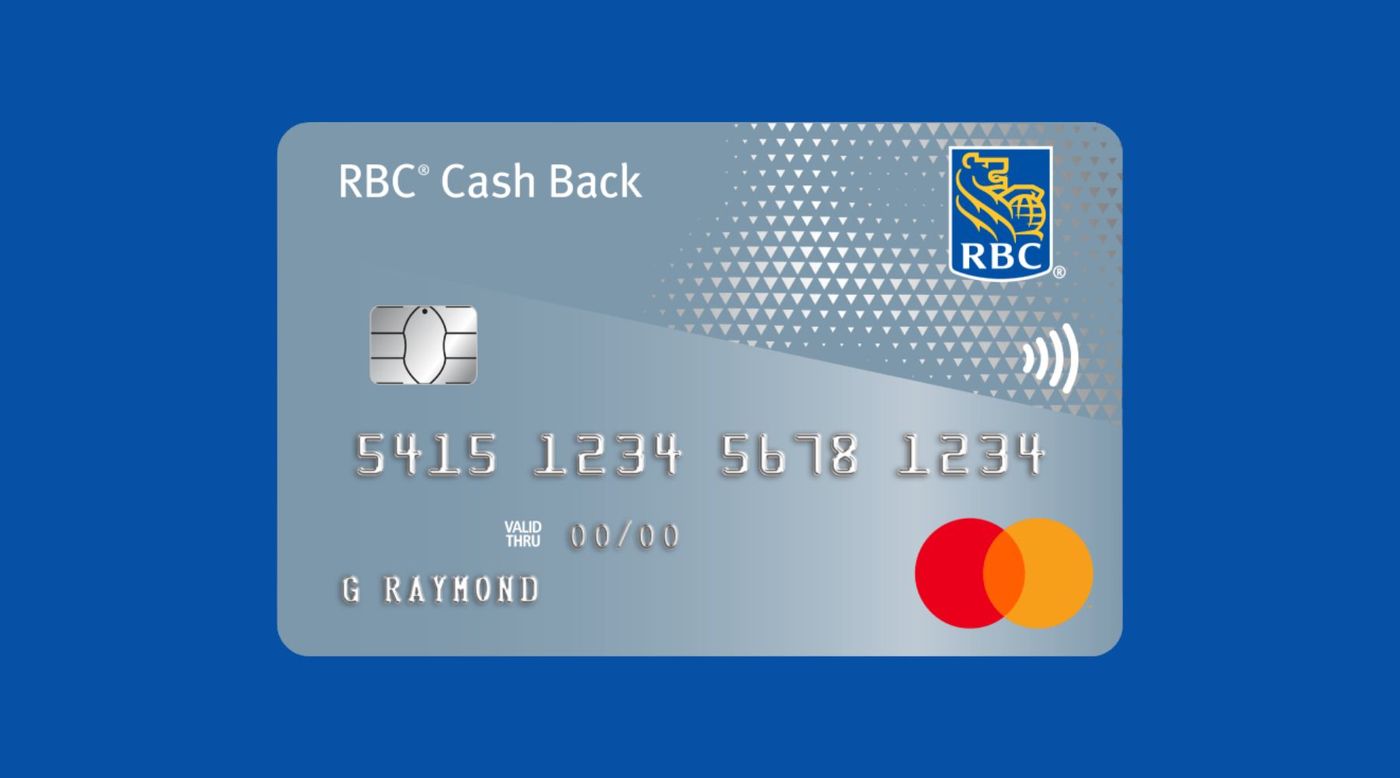
It is important to review your monthly credit card statement or online banking portal to track your accumulating cash back balance. Financial institutions like CIBC and RBC allow you to view your cash back total through their online banking platforms and mobile apps. Your cash back rewards do not expire as long as your account remains in good standing, though specific program rules can vary. For example, the CIBC Costco Mastercard issues an annual cash back gift certificate each January, and if the account is not eligible, the cash back earned in the previous year may be forfeited.
Types of Cash Back Cards: Flat-Rate vs. Category-Based
Canadian cash back credit cards primarily fall into two design categories: flat-rate cards and category-based cards. Flat-rate cards pay the same cash back percentage on every eligible purchase, regardless of where or on what the money is spent. This simplicity makes them easy to use and understand, as cardholders do not need to track spending categories. Examples include cards that offer a straightforward 2% back on all purchases. The main advantage of a flat-rate card is its consistent return, which can be more rewarding for individuals with varied spending patterns that do not concentrate heavily in specific merchant categories.
Category-based cards, also known as tiered cards, offer different cash back rates depending on the type of purchase. These cards are structured to reward spending in common, high-volume categories that many households prioritize. Typical higher categories include groceries, gasoline and electric vehicle charging, dining at restaurants, recurring bill payments, and daily transit. For instance, a card might offer 4% back on groceries, 2% on gas and transit, and 1% on all other purchases. The goal is to align the card's rewards with the cardholder's dominant spending habits to maximize the total cash back earned over the course of a year.
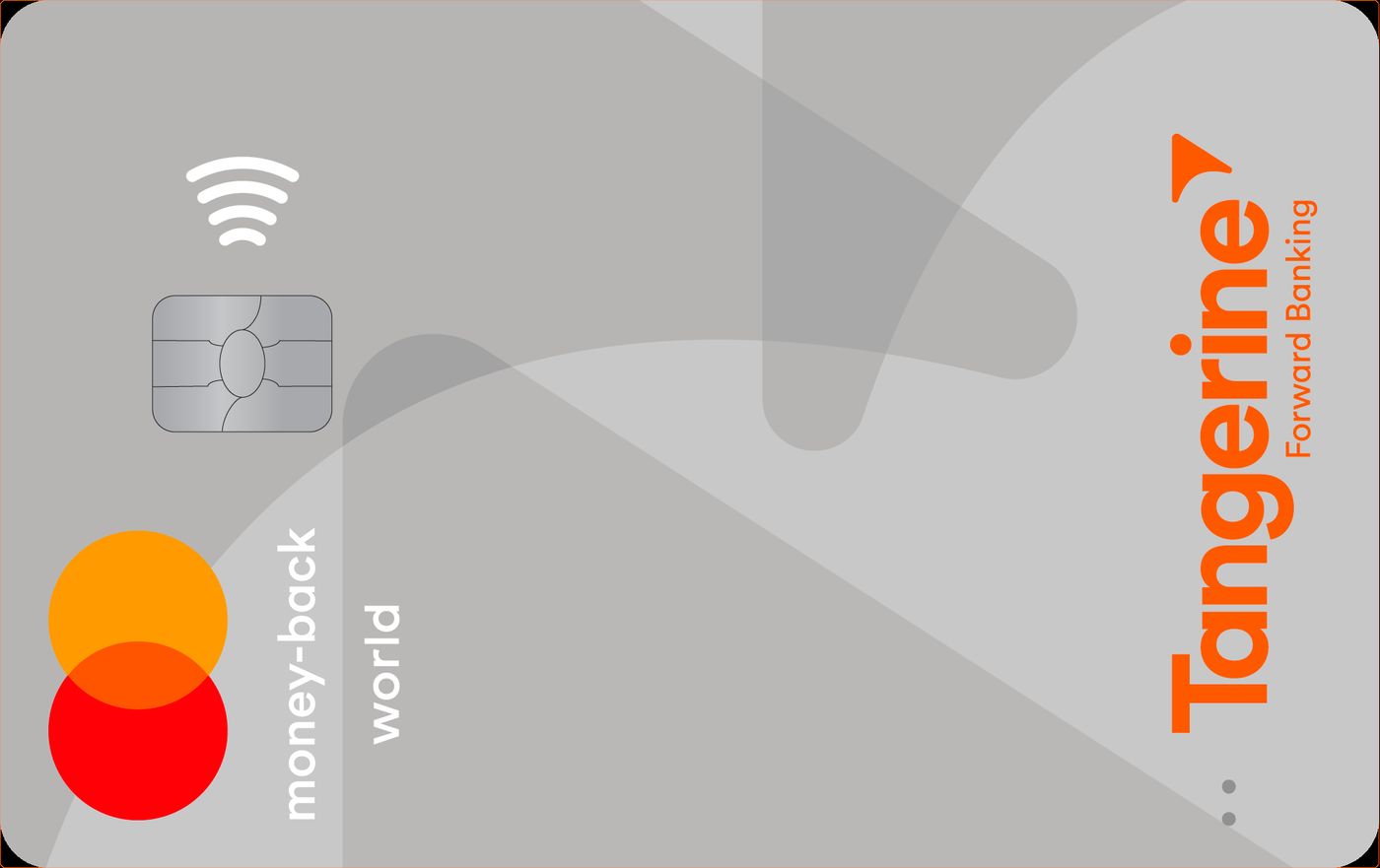
The choice between a flat-rate and a category-based card depends heavily on an individual's spending profile. If a large portion of monthly expenses falls into one or two categories that a card rewards highly, a category-based card will likely generate more cash back. However, it is crucial to check for annual spending caps on the higher categories, as exceeding these caps reduces the card's overall yield. For spending that is spread evenly across many different types of merchants, a flat-rate card often provides a better and more predictable return without the need for active category management. Some card issuers, like Tangerine, allow cardholders to choose their own two or three categories for higher cash back rates, adding a layer of personalization.
Key Factors to Consider When Comparing Cards
Selecting a cash back credit card requires careful evaluation of several factors beyond the advertised earn rates. The annual fee is a primary consideration, as it directly reduces the net value of your cash back rewards. Cards with annual fees, which can range from $0 to over $139, often provide higher earn rates and additional benefits like travel insurance or purchase protection. To determine if a fee-based card is worthwhile, calculate whether the extra cash back you would earn compared to a no-fee card exceeds the cost of the annual fee. For example, earning an average of 2% cash back on $2,000 in monthly spending generates $480 annually before fees.
The structure of cash back earn rates and any associated limits must be scrutinized. Many category-based cards have annual spending caps on their highest reward tiers. Once you exceed a cap, such as $15,000 on 3% grocery spend, subsequent purchases in that category earn at a much lower base rate. This makes flat-rate cards potentially more valuable for high-spending individuals. Furthermore, consider the foreign exchange fee, which is typically 2.5% or more on purchases made in foreign currencies. If you frequently travel abroad or shop on U.S. websites, a card with no foreign transaction fees might save you more than the cash back itself provides.
Redemption flexibility is another critical factor. Some cards allow you to redeem cash back at any time, in any amount above a low minimum like $10, directly to your bank account. Others may only permit an annual redemption as a statement credit or issue a yearly gift certificate, as with co-branded store cards. The ease of accessing your rewards affects their utility. Finally, review the card's additional benefits, such as insurance coverage (like purchase protection or emergency medical), introductory offers on balance transfers, and the standard purchase interest rate, which usually ranges from 19.99% to 22.99%. Carrying a balance will incur interest charges that can quickly negate any cash back earned.
- Analyze your spending patterns from the last three months of statements.
- Calculate whether projected cash back exceeds the annual fee.
- Check for annual spending caps on higher reward categories.
- Consider foreign exchange fees if you spend in other currencies.
- Review redemption options and minimum thresholds.
- Evaluate additional benefits like insurance and introductory offers.
Understanding Fees, Interest, and Welcome Offers
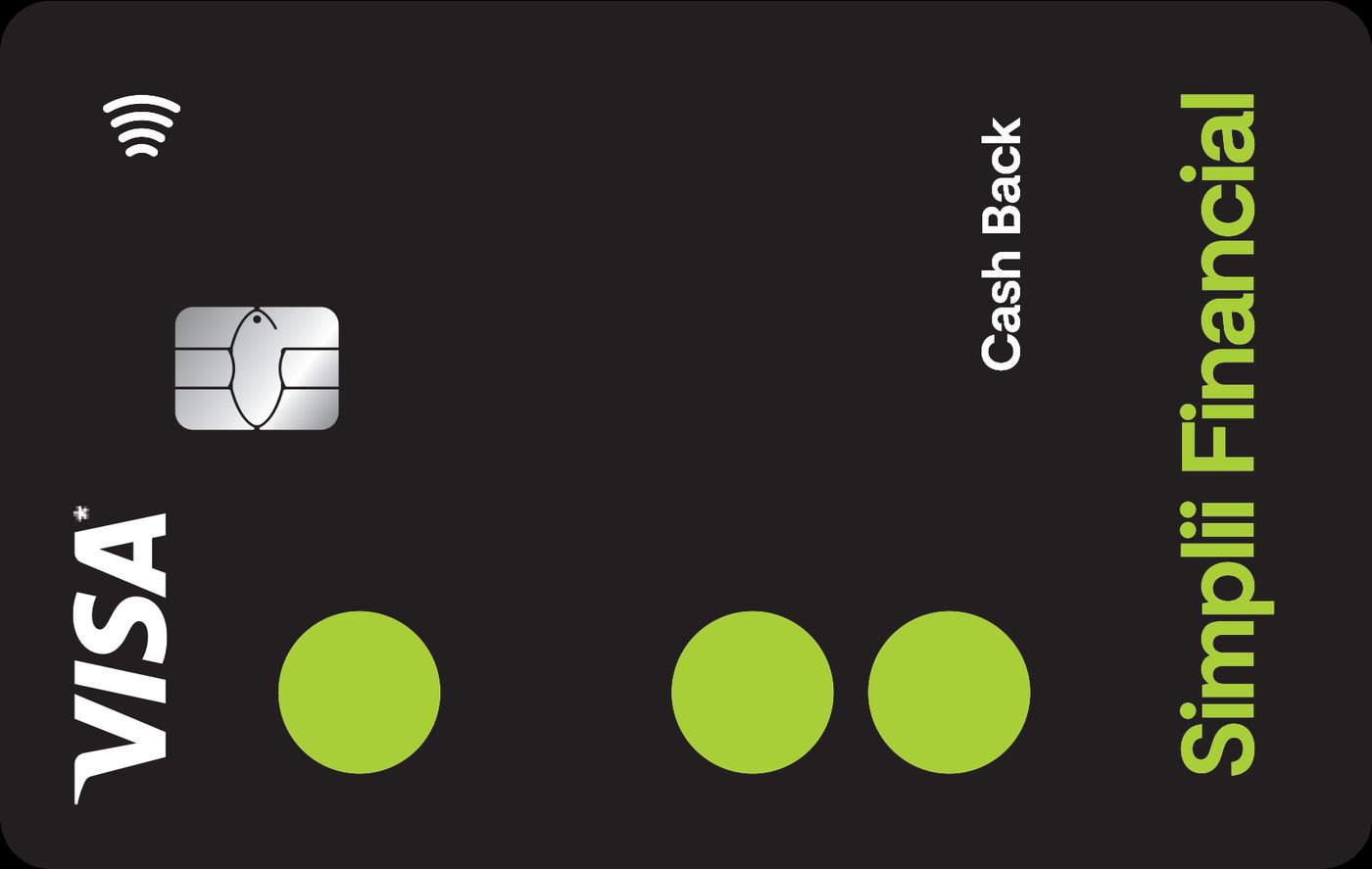
Cash back credit cards involve several financial terms that impact their overall value. The annual fee is a fixed cost charged each year for holding the card, though some cards waive the fee for the first year as a promotional incentive. Premium cards with higher fees, such as the Scotia Momentum Visa Infinite + Card, often justify their cost with higher earn rates and robust insurance packages. In contrast, no-fee cards like the Simplii Financial Cash Back Visa or Tangerine Money-Back World Mastercard provide a cost-free way to earn rewards, making them suitable for those who spend less or wish to avoid ongoing costs. The key is to ensure your annual cash back earnings surpass any annual fee you pay.
The standard purchase interest rate on cash back cards in Canada typically falls between 19.99% and 22.99%. Some cards aimed at clients with stronger credit profiles may offer rates as low as 19.99%, while others might be higher. It is vital to understand that carrying a balance from month to month incurs these interest charges, which can quickly eclipse any cash back earned. Therefore, cash back cards are financially beneficial primarily for cardholders who pay their statement balance in full by the due date each month. The cards are not designed as money-saving tools for those who revolve credit.
Welcome offers and introductory promotions are common tools used by issuers to attract new applicants. These often include a higher cash back rate on all purchases for a limited initial period, such as 5% back for the first three months on up to $2,000 in total spending. Other promotions might feature a low or 0% introductory interest rate on balance transfers for a set period, usually with a fee of around 2% of the transferred amount. These offers can provide significant short-term value but it is important to read the terms carefully, as regular earn rates and interest charges apply after the promotional period ends. The following table outlines common features associated with fees and rates.
| Feature | Typical Range or Example |
|---|---|
| Annual Fee | $0 to $139+ |
| Purchase Interest Rate | 19.99% - 22.99% |
| Foreign Exchange Fee | 2.5% or more |
| Welcome Offer | 5% cash back for first 3 months (on up to $2,000 spend) |
| Balance Transfer Intro Rate | 0% for 9-12 months (with ~2% fee) |
| Cash Advance Interest Rate | 22.99% |
How to Maximize Your Cash Back Earnings
To maximize earnings from a cash back credit card, the first step is to align the card's reward structure with your actual spending habits. Review several months of your bank or credit card statements to identify where you spend the most money. If a significant portion of your budget goes to groceries and gas, a card like the Neo World Elite Mastercard, which offers up to 5% on groceries and 3% on gas, could be advantageous. If your spending is more diversified across dining, bills, and general merchandise, a flat-rate card or one with multiple higher categories, like the Scotia Momentum Visa Infinite + Card with its 4% on groceries and recurring bills, might yield more. The goal is to match the card's strengths to your personal expense profile.
Being mindful of category caps and annual spending limits is essential for optimization. Many cards that offer high rates on specific categories impose an annual maximum on the amount of spending that qualifies for the higher rate. Once you hit that cap, all subsequent spending in that category earns only the base rate, which is often 1% or 0.5%. If you are a high-spending household in a particular category, you may need to either track your progress to avoid surpassing the cap prematurely or consider using a second card for that category once the cap is reached. Some cardholders employ a strategy of using multiple cards to capture the highest possible rate across all their spending categories.
Always use your cash back card for everyday purchases you would make anyway, provided the merchant accepts it and there are no surcharges. This includes recurring bill payments, subscriptions, and pre-authorized payments, which often qualify for rewards. Furthermore, adding authorized users to your account can accelerate cash back accumulation, as their eligible purchases typically pool into your single rewards account. Finally, redeem your cash back strategically. While some cards allow instant redemption for any amount over a low minimum, others offer annual redemptions. Redeeming regularly ensures you actually use the rewards and can help offset your credit card bill or contribute to savings goals.
Common Redemption Rules and Processes
Redeeming cash back rewards is generally a straightforward process, but the specific rules vary by financial institution and card product. The most common redemption method is a statement credit, where the cash back amount is applied directly to your outstanding credit card balance, effectively reducing what you owe. Most issuers require a minimum redemption threshold, which is often $10, $20, or $25. For example, CIBC Dividend cards allow redemption once the balance reaches $10, while some RBC cards require a $25 minimum for a statement credit via phone. Redeeming online or through a mobile app often provides more flexibility and lower minimums.
Alternative redemption options include depositing the cash back into a linked chequing or savings account or, less commonly, receiving a physical cheque in the mail. Some co-branded cards have unique redemption systems. The CIBC Costco Mastercard, for instance, provides an annual cash back gift certificate each January, which can be used digitally or printed for use at Costco warehouses in Canada. It is crucial to maintain your account in good standing and, for co-branded cards, retain an active membership to be eligible for this annual reward. Failure to meet eligibility criteria can result in the forfeiture of accumulated cash back for that year.
To initiate a redemption, cardholders typically log into their online banking portal or mobile app, go to their credit card account details, and select a redemption option. The cash back balance is usually displayed prominently in this section. For cards that only allow annual redemption, the process is often automatic, with the credit appearing on a specific statement. It is advisable to review your cardholder agreement to understand the redemption schedule, any expiration policies, and whether redeemed cash back is considered taxable income, which it generally is not for personal use in Canada. Keeping track of your rewards ensures you benefit from the savings you have earned.
Cash Back vs. Other Reward Programs
Cash back credit cards offer a distinct type of reward compared to travel points or miles cards. The primary advantage of cash back is its simplicity and predictable value: $100 in cash back is worth exactly $100, which can be used for any purpose, from paying bills to funding savings. There is no need to manage complex award charts, search for flight availability, or worry about point devaluation. This makes cash back an attractive option for Canadians who prefer straightforward, flexible rewards on their everyday spending without the commitment to a specific travel brand or redemption schedule.
Travel rewards cards, on the other hand, can potentially offer greater value per dollar spent, but this value is contingent on strategic redemption for high-cost items like international flights or hotel stays. Points may be worth more when transferred to airline or hotel partners or used during promotional offers. However, this requires more effort and planning from the cardholder. Travel cards also often come with robust insurance benefits, such as trip cancellation and emergency medical coverage, which are less common on cash back cards. For frequent travellers who can maximize these perks, a travel points card may provide superior overall value.
The choice between cash back and other rewards ultimately depends on individual lifestyle and financial habits. If your spending is predominantly on daily essentials and you rarely travel, a cash back card will likely provide more consistent, usable savings. If you travel several times a year and are willing to manage a more complex rewards ecosystem, a travel card could be more lucrative. Some cardholders opt to use both types, employing a cash back card for everyday purchases and a travel card for specific spending categories or large purchases to accumulate points for future trips. Evaluating your annual spending, travel goals, and comfort with managing rewards is essential in making this decision.
Frequently asked questions
What is the best cash back credit card in Canada?
There is no single best cash back credit card for all Canadians. The most suitable card depends entirely on your individual spending patterns. For example, if you spend heavily on groceries and gas, a category-based card like the Neo World Elite Mastercard, offering up to 5% on groceries and 3% on gas, could be advantageous. If your spending is more varied, a flat-rate card or one with multiple higher categories, such as the Scotia Momentum Visa Infinite + Card with 4% on groceries and recurring bills, might yield more overall cash back. The key is to match the card's reward structure to where you spend the most money.
Are cash back credit cards worth it?
Cash back credit cards are worth it for Canadians who pay their credit card balance in full each month. By doing so, you avoid interest charges that would otherwise negate the rewards. These cards allow you to earn a return on purchases you would make anyway, such as groceries, gas, and bills. For instance, earning an average of 2% cash back on $2,000 in monthly eligible spending would generate $480 in annual rewards before any annual fees are deducted. However, if you routinely carry a balance, the interest costs, typically between 19.99% and 22.99%, will likely outweigh any cash back earned.
How do I redeem my cash back rewards?
Redemption processes vary by issuer but commonly involve logging into your online banking or mobile app. Once your cash back balance reaches a minimum threshold, often between $10 and $25, you can usually redeem it as a statement credit to reduce your card balance. Other options may include depositing the funds into a linked chequing account or receiving a cheque. Some cards, like the CIBC Costco Mastercard, provide an annual cash back gift certificate each January for use at Costco warehouses. It is important to check your card's specific terms, as some only allow annual redemption, while others permit redemption at any time.
What's the difference between a flat-rate and a category-based cash back card?
Flat-rate cash back cards pay the same percentage on every eligible purchase, offering simplicity and predictability for varied spending. Category-based cards offer higher cash back rates on specific types of spending, such as groceries, gas, or dining, and a lower base rate on all other purchases. Category-based cards can yield more cash back if your spending is concentrated in the rewarded categories, but they often have annual spending caps on those higher rates. Once you exceed the cap, spending in that category earns only the base rate. Your choice should depend on whether your spending is concentrated or spread across many categories.
Do cash back rewards expire?
Cash back rewards typically do not expire as long as your credit card account remains open and in good standing. However, there are exceptions based on specific card programs. For example, with the CIBC Costco Mastercard, you must have an active Costco membership and an account in good standing as of December 31 to receive your annual cash back gift certificate. Otherwise, the cash back earned in the previous year may be lost. It is crucial to review your cardholder agreement to understand any expiry policies or conditions that could cause you to forfeit accumulated rewards.
Can I earn cash back on all my purchases?
Most cash back credit cards in Canada offer unlimited cash back on eligible purchases, meaning there is no overall cap on the total rewards you can earn. However, many cards, particularly category-based ones, place annual spending limits on the higher cash back rates for specific categories like groceries or gas. Once you spend past that limit within a calendar year, subsequent purchases in that category earn at a lower base rate. Additionally, certain purchase types, such as cash advances, balance transfers, fees, and interest charges, are almost universally excluded from earning any cash back. Always check your card's terms for a list of eligible and ineligible purchases.
Sources and further reading
- Canada's best cash back credit cards 2026 ratehub.ca
- Cash Back Credit Cards in Canada cibc.com
- Some of the best cash back credit cards in Canada 2026 wealthsimple.com
- Compare RBC's Cash Back Credit Cards rbcroyalbank.com
- Cash Back Credit Cards scotiabank.com
This article explains how things work and is not financial, tax or legal advice. Rules, limits and rates change, so check the current figures with the Canada Revenue Agency, your province or your financial institution before you act.