Balance transfer credit cards in Canada allow cardholders to move existing high-interest debt to a new card offering a low promotional interest rate for a set period. These offers, which can feature introductory rates as low as 0%, are designed to help consumers pay down debt faster by reducing interest charges. The best card for an individual depends on factors like the length of the promotional period, the balance transfer fee, and the regular interest rate that applies after the promotion ends. Understanding the specific terms, eligibility requirements, and common pitfalls is essential for Canadians considering this debt management strategy.
How Balance Transfer Credit Cards Work
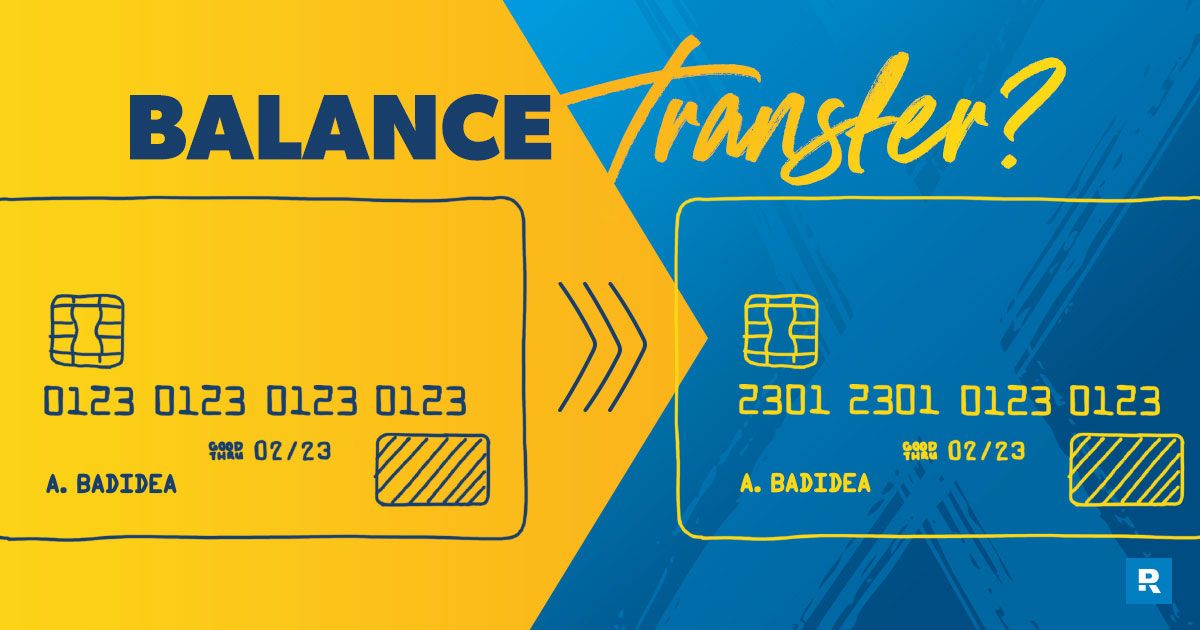
A balance transfer involves moving an outstanding debt from one credit card, often from a different financial institution, to a new credit card account. The primary incentive is the new card's promotional interest rate, which is significantly lower than standard rates and applies to the transferred balance for a limited time. This promotional period, during which rates can be as low as 0%, allows more of your monthly payment to go toward reducing the principal debt instead of paying interest. It is crucial to understand that balance transfers are typically treated as cash advances, not purchases, which means they do not benefit from an interest-free grace period and usually do not earn any rewards points or cash back. Most issuers charge a one-time balance transfer fee, which is a percentage of the amount moved and is added to your new card's balance where it will also accrue interest at the applicable rate. The promotional offer is usually only available for transfers completed within a specific window after account opening, such as the first 90 days, and the low rate will remain in effect for a set number of billing cycles or statement periods from the transaction date.
Key Features and Terms to Compare
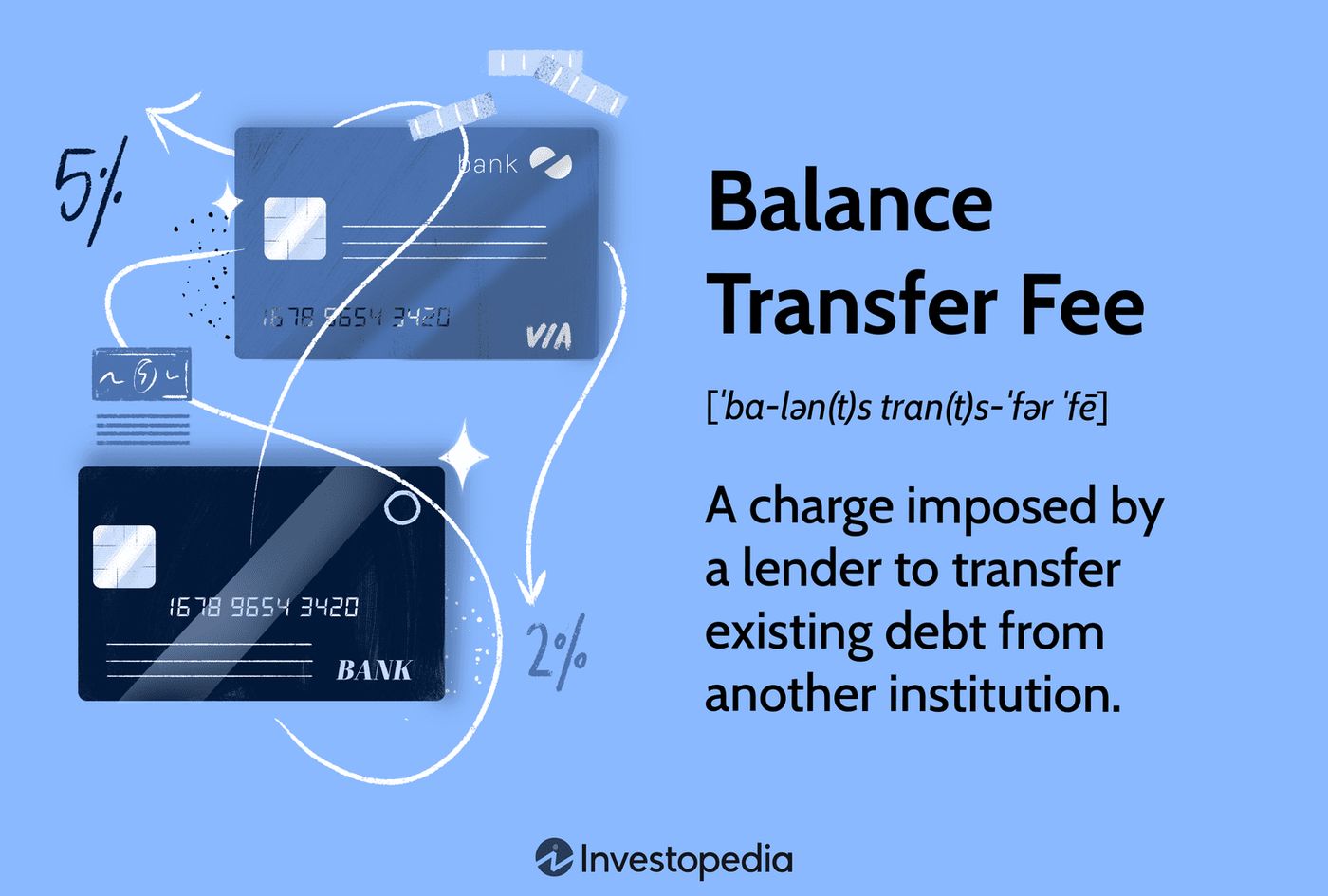
When evaluating balance transfer credit cards, several specific features determine the potential value and total cost of the debt consolidation strategy. The length of the promotional period is often the most critical factor, as it defines how long you have to pay down the debt at the reduced rate before the regular, often much higher, interest rate applies. Promotional periods among Canadian cards currently range from six months to 18 months, with the BMO Preferred Rate Mastercard offering one of the longest at 18 months at 0%. The balance transfer fee is an upfront cost calculated as a percentage of the amount transferred. This fee is added to your new balance and accrues interest, and rates vary from 1% on cards like the CIBC Select Visa to 3% on cards like the MBNA True Line Mastercard. You must also consider the regular purchase interest rate and, more importantly, the regular balance transfer interest rate that will apply to any remaining debt once the promotional period ends.
Other card features, like an annual fee, rewards programs, or welcome bonuses, are secondary considerations for a card used primarily for debt consolidation but can affect the overall cost. For instance, the MBNA True Line Mastercard has a $0 annual fee, while the BMO Preferred Rate Mastercard charges an annual fee. The card's credit limit is also vital, as the total value of balance transfers cannot exceed your authorized credit limit, and if the requested amount is greater, the issuer may only send a partial payment. Some cards may have a separate balance transfer limit within your overall credit limit. It is essential to read the account agreement for all terms and conditions, including how payments are allocated if you also make new purchases on the card and the specific rules that could cause the promotional rate to end early, such as making a late minimum payment.
Common Balance Transfer Offers in Canada
Canadian financial institutions offer a variety of balance transfer cards with different combinations of promotional terms, fees, and ongoing rates designed for different user profiles. Some cards are notable for offering the longest promotional period at a 0% rate, such as the BMO Preferred Rate Mastercard with an 18-month offer and a subsequent regular rate of 15.99%. Other cards focus on minimizing upfront costs, like the CIBC Select Visa Card, which combines a 0% rate for 10 months with a low 1% balance transfer fee and a regular rate of 13.99% after the promo. For those seeking a card with no annual fee, the MBNA True Line Mastercard provides a 0% promotional rate for 12 months with a 3% transfer fee and a regular rate of 17.99% after the promotional period ends.
The Scotiabank Value Visa offers a 0.99% introductory interest rate on balance transfers for the first nine months. This card has a 1% balance transfer fee and a regular interest rate of 13.99% after the promotional period ends. It is noted for having no minimum income requirement, making it a good option for students and newcomers to Canada. Other cards offer promotional rates of 0% for periods ranging from 9 to 18 months.
| Card Name | Promotional Rate & Period | Balance Transfer Fee | Regular Rate After Promo | Annual Fee |
|---|---|---|---|---|
| BMO Preferred Rate Mastercard | 0% for 18 months | Varies | 15.99% | Yes |
| MBNA True Line Mastercard | 0% for 12 months | 3% | 17.99% | $0 |
| CIBC Select Visa Card | 0% for 10 months | 1% | 13.99% | Low |
| Scotiabank Value Visa | 0% for 9 months | 1% | 13.99% | No |
| TD Cash Credit Card | 0% for 15 billing cycles | 2% | 18.49% - 28.49% variable | $139 |
Balance transfer offers are subject to eligibility requirements and transfer deadlines. Typically, balance transfers must be completed within the first 90 days of account opening to qualify for the promotional rate. The promotional interest rate applies for a specified number of billing cycles, such as 12, 15, or 18 months. After that promotional period ends, the standard variable interest rate takes effect on any remaining transferred balance. You should check the current card details and terms before applying.
Eligibility and Application Process
To apply for a balance transfer credit card in Canada, you must be a Canadian resident and have reached the age of majority in your province or territory. Issuers generally require applicants to have a good to excellent credit score, typically considered to be 660 or higher, to qualify for the best promotional rates as these offers are often targeted at consumers with established credit histories. The application itself will trigger a hard inquiry on your credit report, which can cause a temporary dip in your credit score, and this is a standard part of the approval process for any new credit. During the application process, you may have the option to request the balance transfer, providing the details of the account you wish to pay off and the amount, and you should have this information ready including the creditor's name and your account number with them.
If you apply for the transfer during the card application, processing may take up to 15 business days from account opening according to MBNA's guidelines, while TD Bank notes it may take 2 to 4 weeks to process a request after your account is opened. If you apply for the transfer after your new card is activated, processing may take up to 10 business days. It is important to continue making at least the minimum payments on your old account until you confirm the balance transfer has been completed and appears as a credit on that statement, as you remain responsible for payments until the transfer is finalized. Some issuers allow you to initiate transfers through online banking, a mobile app, or by calling customer service, and you can even request funds be deposited to a chequing account to then pay off qualifying loans, though this is also treated as a balance transfer subject to fees and your available credit.
Steps to Complete a Balance Transfer
Successfully executing a balance transfer requires careful attention to timing and details to avoid accruing additional interest or missing payments. The first step is to research and compare cards based on your total debt amount and realistic repayment timeline, focusing primarily on the promotional period length and the balance transfer fee but also considering the regular rate for any residual balance. Once you choose a card and are approved, note the critical deadline by which transfers must be initiated to qualify for the promo rate, which is often within 90 days of account opening, and the specific time frame for the promotional rate itself, such as 12 or 18 billing cycles. You can usually request the transfer during the online application or after your card is activated by logging into your account and handling to a balance transfer section where you will enter the required creditor and amount information.
- Research and select a card based on promotional period, fee, regular rate, and your credit score.
- Apply for the new card, knowing it will result in a hard credit inquiry and potentially affect your credit score temporarily.
- Have the account number, creditor name, and exact balance details ready for the debt you want to transfer.
- Initiate the transfer request either during application or after activation via online banking, a mobile app, or by phone.
- Continue making minimum payments on the old account until the transfer is confirmed as a credit on that account.
- Monitor the new card account for the posted transfer and verify the amount, including the added transfer fee.
- Create a structured repayment plan to pay off the entire transferred balance before the promotional rate expires.
After the balance transfer is complete, you should focus on repaying the debt aggressively. The goal is to pay off the entire transferred balance before the promotional period ends to avoid the higher regular interest rate. You should avoid using the new card for new purchases unless you can pay the full statement balance each month to avoid interest. A balance transfer is an advance of credit and is subject to your available credit limit. The total requested transfer amount may only be partially fulfilled if it exceeds your credit limit, requiring you to manage any remaining old balance separately.

Common Mistakes and Pitfalls to Avoid
One significant mistake is not having a realistic repayment plan. This can lead to a large remaining balance when the promotional rate expires and the regular, often much higher, interest rate applies. Another critical error is using the new card for new purchases while carrying the transferred balance. Unless you pay the full statement balance each month, new purchases may accrue interest immediately at the regular purchase rate. Failing to account for the balance transfer fee is another oversight. This fee, often around 1% to 5%, is added to your new balance and also accrues interest, increasing the total cost.
Some individuals mistakenly believe they can transfer debt between cards from the same financial institution. Balance transfer promotions are generally intended for debt held with other issuers. They often cannot be used to pay off balances with the same bank or its affiliated group. Missing a payment on the new card can trigger an immediate end to the promotional interest rate. This causes the entire transferred balance to revert to the regular high rate. Late payments can also negatively impact your credit score. You should continue to make minimum payments on the old account during the processing period. This avoids late fees and negative marks on your credit report until the transfer is fully processed.
Impact on Credit Score and Financial Health
Applying for a new balance transfer card will result in a hard inquiry on your credit report, which may lower your score temporarily by a few points. Furthermore, opening a new account reduces the average age of your credit accounts, which can also have a minor negative impact on your credit score in the short term. However, if used responsibly, a balance transfer can improve your credit health over the long term by helping you reduce your overall debt load. Successfully paying down a significant portion of your debt lowers your overall credit utilization ratio, which is a major factor in credit scoring models and can lead to a score increase.
Consistently making on-time payments on the new account demonstrates positive payment history, which is the most significant factor in most credit score calculations. The key is to avoid running up new debt on your old, now-zero-balance cards or on the new card itself, as high utilization across multiple cards will harm your score. The goal is to reduce total revolving debt, not to shift it and then accumulate more, which would increase your utilization and hurt your financial health. Managing a balance transfer effectively can be a strategic step in debt reduction, but it requires discipline and a clear plan to be beneficial for your overall financial picture and credit standing over time.
Understanding Balance Transfer Promotional Terms
The specific language used in balance transfer promotions contains important conditions that dictate how the offer works. The promotional annual interest rate or introductory APR applies to eligible transactions, which are typically defined as balance transfers made within a set number of days from account opening, such as 90 days. This rate remains in effect for a specified number of statement periods from the transaction date of each eligible transfer, not necessarily from the account opening date. For example, an offer may state a 0% rate for the first 12 statement periods from the transaction date for transfers made within the first 90 days, after which the standard rate for balance transfers applies.
The terms also outline events that can cause the promotional rate to end early. A common condition is that the promotional rate will increase to the standard rate on the first day of the second statement period following any late minimum payment. This means even one late payment can forfeit the remaining promotional period on that transferred balance. Furthermore, the promotional rate is specific to the transferred amount. New purchases, cash advances, and any other transactions on the card are subject to their own standard rates unless otherwise specified in a separate purchase promo. It is vital to review the account agreement and the specific balance transfer promotion's terms and conditions provided by the issuer to understand these rules fully before proceeding with a transfer.
Frequently asked questions
What is a balance transfer credit card?
A balance transfer credit card allows you to move existing debt from one credit card to another. The new card offers a promotional interest rate on the transferred balance for a set period, often between six and 18 months, which can be as low as 0%. This is intended to help you pay down the debt faster by reducing interest charges. There is usually a fee for the transfer, calculated as a percentage of the amount moved, and the promotional rate applies only to transfers made within a specific time after opening the account.
How long does a balance transfer take to process?
Processing times vary by issuer. If you request the transfer during the credit card application, it may take up to 15 business days from account opening to process according to some issuers. If you request it after your new card is activated, processing may take up to 10 business days. Other banks, like TD, indicate it may take 2 to 4 weeks to process a request after your account is opened. You should continue making minimum payments on your old account until you see the transfer completed as a credit on that account's statement.
What is a typical balance transfer fee?
Balance transfer fees in Canada commonly range from 1% to 5% of the amount transferred. For example, the CIBC Select Visa Card and Scotiabank Value Visa charge a 1% fee, while the MBNA True Line Mastercard charges a 3% fee, and the TD Cash Credit Card has a 2% transfer fee. This fee is added to the balance on your new card and will accrue interest at the applicable rate. It is an important upfront cost to factor into your debt repayment calculations and total potential savings.
Can I transfer a balance between cards from the same bank?
In most cases, no. Balance transfer promotions are generally intended for moving debt from credit cards issued by a different financial institution. The terms and conditions of a balance transfer offer typically state that it cannot be used to pay off or down your account balance or any other balances with the same bank or its affiliated group, such as the TD Bank Group for MBNA cards. You should always check the specific card's agreement for limitations on eligible transfers.
What happens when the promotional period ends?
When the promotional period ends, any remaining portion of the transferred balance will begin accruing interest at the card's regular balance transfer interest rate. This rate is detailed in your account opening terms and conditions. It is often significantly higher than the promotional rate, such as jumping from 0% to a variable rate between 13.99% and 28.49%. The goal is to pay off the entire transferred balance before the promotional period ends to avoid this higher interest.
What credit score do I need for a balance transfer card?
To qualify for the best balance transfer credit cards with promotional low or 0 percent interest rates, you typically need a good to excellent credit score. In Canada, this is generally considered a score of 660 or higher, as these offers are often targeted at consumers with established credit histories. The application process involves a hard credit inquiry on your report, which can temporarily impact your credit score. Meeting these creditworthiness criteria is essential to be approved for the most favourable balance transfer terms and conditions.
Sources and further reading
- Our Best Balance Transfer Credit Cards td.com
- The best balance transfer credit cards in Canada for 2026 ratehub.ca
- Find the Best Balance Transfer Credit Card For You mbna.ca
- Best Balance Transfer Credit Cards and Offers in Canada nerdwallet.com
- Credit Card Balance Transfers cibc.com
This article explains how things work and is not financial, tax or legal advice. Rules, limits and rates change, so check the current figures with the Canada Revenue Agency, your province or your financial institution before you act.