Auto insurance is a mandatory requirement for all drivers in Canada, providing essential financial protection in the event of an accident, theft, or other vehicle-related incidents. The system is regulated provincially, meaning the specific mandatory coverages and rules differ across the country. Understanding your policy, the factors that influence your premium, and the available coverage options is crucial for responsible vehicle ownership. This guide explains how auto insurance works in Canada, covering the mandatory requirements, optional protections, and key considerations for drivers.
Mandatory Insurance Requirements by Province
In every Canadian province and territory, it is illegal to operate a motor vehicle without at least a minimum level of auto insurance. The foundational mandatory coverage across Canada is third-party liability insurance. This coverage is required by law to protect other people and their property if you are found at fault in a collision. It pays for costs associated with injuries to others and damage to their vehicles or property, up to the policy limit. Provincial governments set the minimum required limits for this liability coverage, which drivers must purchase from a private insurer. The Insurance Bureau of Canada is the national association representing the private insurers who provide this mandatory coverage.
Beyond basic liability, provinces mandate additional coverages that form a standard auto insurance policy. These commonly include accident benefits, which provide medical, rehabilitation, and income replacement coverage for you and your passengers regardless of who is at fault in an accident. Another standard mandatory coverage is direct compensation for property damage, which allows you to claim from your own insurer for vehicle repairs if you are not at fault in a collision in certain provinces. Uninsured automobile coverage is also mandatory, protecting you if you are hit by a driver who has no insurance or who flees the scene. The specific combination and limits of these coverages are defined by each province's insurance act. As of July 1, 2026, some accident benefits that were previously included in every Ontario auto insurance policy will become optional, a significant provincial change affecting policy purchases and renewals.

Optional Coverages for Added Protection
While mandatory insurance protects others and provides basic personal coverage, it does not cover damage to your own vehicle. For that, drivers must purchase optional physical damage coverages. The two primary types are collision and comprehensive insurance. Collision coverage pays to repair or replace your vehicle if it is damaged in an accident with another vehicle or object, such as a guardrail or pole. This coverage is often required by lenders if your vehicle is leased or financed. RBC Insurance offers collision coverage as an optional protection, and it is a common component of full coverage policies across all providers.
Comprehensive coverage protects your vehicle from risks other than a collision. This includes damage from events like theft, vandalism, fire, hail, or falling objects. It also typically covers the cost if your vehicle is stolen. With RBC Insurance auto policies, comprehensive coverage is optional but helps protect your vehicle from a wide range of non-collision risks. Both collision and comprehensive coverages are subject to a deductible, which is the amount you pay out of pocket when you make a claim. You can often adjust your deductible amount. Choosing a higher deductible usually lowers your insurance premium. Other common optional coverages include loss of use or rental reimbursement, which can pay for a rental car while your vehicle is being repaired after a covered claim, and increased liability limits beyond the provincial minimums. For older vehicles, insurers may suggest removing optional physical damage coverage as the car's market value decreases and repair costs may exceed its worth.
How Premiums Are Calculated
Insurance companies use a variety of factors to calculate your individual premium, which is the amount you pay for your policy. Your driving record is a primary factor, including any at-fault accidents, traffic convictions, and the number of years you have been licensed. Insurers also heavily weigh your location, as premiums are generally higher in large urban areas due to a greater volume of accidents, thefts, and vandalism claims. The make, model, and year of your vehicle significantly influence the cost, affecting the vehicle's value, repair costs, and safety ratings. Insurers like TD Insurance consider these factors to determine the cost and value of the car, safety features, and repair costs when calculating your premium.
How you use your vehicle also matters. Using a car for business purposes beyond commuting may require commercial auto insurance, and your business may require a higher liability limit. The type and amount of coverage you select directly impact your premium, with more comprehensive protection costing more. Demographic factors such as your age and, in some provinces, your gender can be considered. Many insurers now offer usage-based insurance programs, like my Drive from Intact Insurance, which can personalize your premium based on your actual driving habits as monitored through a mobile app. The insurance industry employs over 6000 people in Canada to manage these complex risk assessments. The total number of people employed by property and casualty insurers in 2025 was a significant figure, reflecting the scale of the industry.
Common Ways to Save on Auto Insurance
Many insurers offer discounts that can substantially reduce your premium. One of the most significant is the multi-policy or bundling discount, where you insure both your home and your vehicle with the same company. Another common discount is for insuring multiple vehicles from the same household on one policy. A claims-free discount rewards drivers who go a year or more without making a claim, with savings increasing the longer you remain claim-free. TD Insurance offers lower premiums starting after your first accident-free year.
- Bundling home and auto policies.
- Multi-vehicle discounts for households.
- Claims-free discounts for safe driving.
- Group discounts through alumni or professional associations (over 750 groups).
- Online purchase discounts, often around 10% for the first term.
- Green Wheel discount for hybrid or electric vehicles.
- Student discounts for occasional drivers.
- Removing collision/comprehensive coverage on older, low-value cars.
Many insurers have partnerships with over 750 alumni, professional, and employer groups to offer preferred rates to members. Purchasing your policy online can also yield an immediate discount, with some companies like Sonnet Insurance offering 10% off your first term for quoting and buying online. For older vehicles with a low market value, you might consider removing optional physical damage coverages like collision and comprehensive, as the cost to repair the car could exceed its worth. Ratehub.ca calculates that drivers who shop for insurance can save 15-25% on average, and Rates.ca reported that drivers who shopped through their service paid 30% less last year.
The Claims and Policy Management Process
After an accident or other incident, you must file a claim with your insurance company to access your coverage. The first step is typically to contact your insurer or broker directly, which can often be done through a mobile app, online portal, or by phone. Major insurers like Intact Insurance aim to answer claims calls within 20 seconds. You will need to provide details of the event, and you may be able to submit photos and documents through the insurer's app or client centre to facilitate the process. Allstate Canada allows clients to chat live with a claim service representative about an existing claim from 8:30 a.m. to 6:15 p.m. in most provinces.
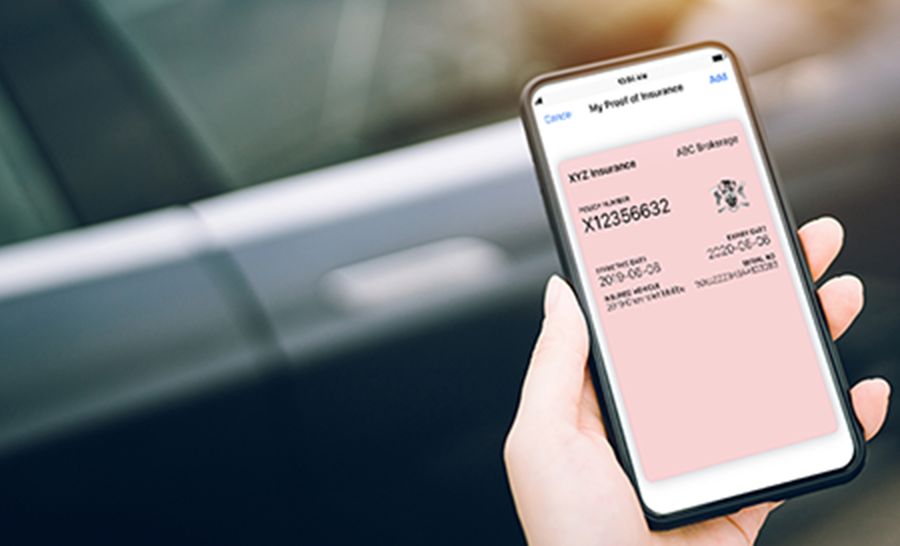
Once a claim is submitted, an adjuster will review it to determine coverage and liability according to your policy terms. If the claim is approved, you will pay your chosen deductible, and the insurer will cover the remaining eligible costs up to your policy limits. For vehicle repairs, using an insurer's preferred vendor or auto centre, like TD Insurance Auto Centres, can offer benefits such as a lifetime warranty on repairs for as long as you own the car and stay insured with them. Policy management has become increasingly digital. You can usually view your proof of insurance, make payments, update information, and track claims through a provider's mobile app or online client centre 24 hours a day. The Intact Insurance app, for example, allows you to access your digital proof of insurance in the Documents section and add it as a widget to your iPhone or Android device.
Provincial Variations and Recent Changes
While the core principles of auto insurance are consistent, the specific regulations and standard policy wordings are set by each province. This leads to differences in mandatory accident benefit levels, tort rules determining the right to sue, and government involvement in the insurance system. For instance, some provinces operate a pure no-fault system for accident benefits, while others have a hybrid model. It is essential to understand the rules that apply in your province of residence. Insurers must confirm your province to show the products and offers available to you, as coverage, discounts, perils, and availability may vary by region and are subject to provincial laws and insurance regulations.
Regulations are periodically updated. A notable upcoming change in Ontario takes effect on July 1, 2026, when certain accident benefits that were previously standard in every policy will become optional coverages that drivers can choose to purchase. This change will affect policy purchases and renewals from that date forward. Drivers should review their policy documents carefully at renewal to understand any changes in coverage or premium. The annual cost of insured catastrophic losses in Canada highlights the financial risks that the insurance system manages. The Insurance Bureau of Canada uses data-driven insights to inform policy positions and advocacy initiatives that influence change within this provincial framework.
Key Providers and the Role of Brokers
The Canadian auto insurance market includes a mix of large national companies, regional providers, and direct-to-consumer insurers. Intact Insurance is Canada's largest property and casualty insurer, protecting one in four Canadians through 6000+ broker offices. Other major national brands include Allstate, TD Insurance, and RBC Insurance. Companies like Sonnet Insurance operate primarily online, offering quotes and policy management digitally. The Insurance Bureau of Canada is the national industry association representing private home, auto, and business insurers. Forbes ranked The Personal as the highest-ranked group home and auto insurer in Canada in its 2025 list.
Many Canadians purchase insurance through brokers. A broker acts as an intermediary, shopping the market on your behalf with multiple insurance companies to find suitable coverage. Intact Insurance, for example, works with over 6000 broker offices across the country. Brokers can provide advice and help you compare different policies. Alternatively, you can purchase directly from an insurance company, either online, over the phone, or through a local agent. Comparison websites like Rates.ca and Ratehub also allow drivers to compare quotes from dozens of insurers, with some reporting that drivers who shop around can save 15-25% on average. Rates.ca enables instant comparison of quotes from 50+ car insurance companies.
Essential Steps When Getting a Quote
Obtaining an auto insurance quote is the first step to securing coverage. The process typically begins by providing basic personal and vehicle information either online, over the phone, or through a broker. You will need details such as your postal code, vehicle make, model, and year, driver's licence history, and information about how the vehicle will be used. Insurers like TD Insurance begin by asking a few questions to recommend appropriate coverage and savings. RBC Insurance allows you to start a free quote online, which takes only a few minutes to complete.
Once you provide initial information, you will review coverage options and select the types and limits you want. During this stage, you can adjust your deductible amounts and change coverage limits to see how they affect your premium. You should also inquire about all available discounts for which you may be eligible, such as bundling, group affiliations, or online purchase discounts. After you are satisfied with your policy selections, you confirm your payment method and complete the purchase process to bind the coverage. For online purchases with providers like Sonnet Insurance, you can go from quote to coverage in minutes. It is important to have your driver's licence and vehicle registration information handy, and to answer all questions accurately to ensure your quote is valid.
Frequently asked questions
Is car insurance mandatory in Canada?
Yes, car insurance is mandatory for all drivers in Canada. The law requires drivers to carry at least third-party liability coverage, which pays for injury or property damage you cause to others. Each province mandates additional standard coverages, such as accident benefits and uninsured automobile protection. Driving without valid insurance can result in significant fines, licence suspension, and vehicle impoundment. All drivers must carry proof of insurance, commonly called a pink card, in their vehicle at all times.
What is the average cost of car insurance in Canada?
The national average price for car insurance in Canada is $1,973 annually, as calculated by Ratehub in 2026. Your actual premium will vary based on your location, driving record, vehicle type, age, and the coverage you select. Drivers in large urban areas typically pay more due to higher claim frequencies. Shopping around and qualifying for discounts can lead to significant savings compared to the average. Some drivers who compare quotes save 15-25% on average, and others have reported saving 30%.
What does comprehensive car insurance cover?
Comprehensive insurance is an optional coverage that protects your vehicle from damage caused by events other than a collision. This includes theft, vandalism, fire, hail, falling objects, and damage from animals. If your vehicle is stolen, comprehensive coverage can help pay to replace it. It is a separate coverage from collision insurance and is subject to its own deductible. With RBC Insurance auto policies, comprehensive coverage is optional but helps protect your vehicle from a wide range of non-collision risks.
How can I lower my car insurance premium?
There are several common ways to lower your premium. Maintaining a clean driving record to qualify for claims-free discounts is very effective. Other methods include increasing your deductible, asking about group discounts through alumni or professional associations, purchasing your policy online for an initial discount, and removing physical damage coverage on older vehicles. Comparing quotes from multiple insurers is also a key strategy, potentially saving 15-25%.
What should I do after a car accident?
After ensuring everyone's safety and calling emergency services if needed, you should exchange information with the other driver and report the accident to your insurance company as soon as possible. You can often start a claim through your insurer's mobile app or by phone. Intact Insurance aims to answer claims calls in 20 seconds. Have your policy number ready and be prepared to provide details of the accident. You can also submit photos and relevant documents through the app to support your claim. Then, you can track the claim status through your client centre or the insurer's mobile app.
What is a pink card in auto insurance?
A pink card, or insurance pink slip, is the standard proof of insurance document in Canada. It is issued by your insurance company and provides details of your policy, including the effective dates, insured vehicle, and coverage types. You are required by law to carry this proof, either in physical form or digitally on your smartphone, and present it to a police officer upon request or when registering your vehicle. The Intact Insurance app allows you to access your digital proof of insurance in the Documents section and add it as a widget to your phone for easy access.
Sources and further reading
- Intact Insurance: Canada's Largest P&C Insurer | Car & Home ... intact.ca
- Insurance Bureau of Canada, Association Representing ... ibc.ca
- Car Insurance: Get an Online Insurance quote tdinsurance.com
- Auto, Property Insurance & More | Allstate Insurance Canada allstate.ca
- Car Insurance: Get Auto Quotes in Canada rbcinsurance.com
This article explains how things work and is not financial, tax or legal advice. Rules, limits and rates change, so check the current figures with the Canada Revenue Agency, your province or your financial institution before you act.