Converting South African rand to US dollars involves understanding the exchange rate between two major global currencies. The ZAR/USD rate is influenced by commodity prices, interest rate differentials, and the economic health of both nations. For Canadians, this conversion is relevant for travel, international business, or managing investments that span these economies. Knowing how the rate is set and the costs involved can help in making informed financial decisions when moving money across borders.
Understanding the South African Rand and US Dollar
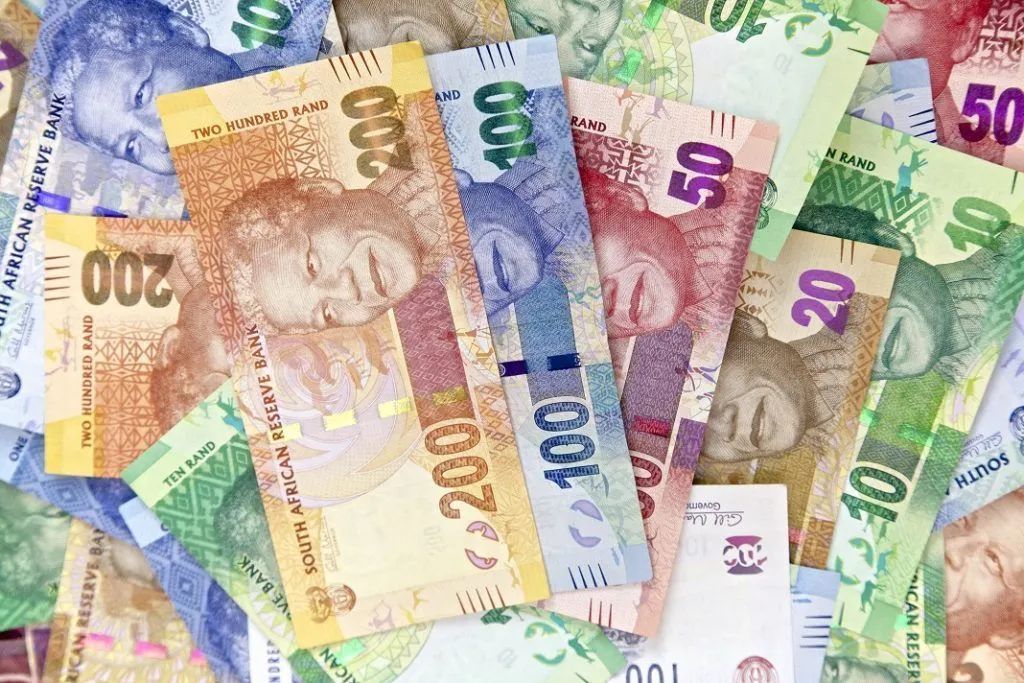
The South African rand is the official currency of South Africa, with the currency code ZAR and the symbol R. It is a freely floating currency that is traded on global foreign exchange markets. The United States dollar, coded USD and symbolized by $, is the world's primary reserve currency and the most traded currency globally. The exchange rate between the rand and the dollar is one of the most watched currency pairs for emerging market investors. The performance of the ZAR/USD pair is often seen as a barometer for risk sentiment towards emerging markets. Commodity exports, particularly precious metals, play a significant role in South Africa's economy and thus influence the rand's value. According to currency rankings, the most popular South African rand exchange rate is the ZAR to USD rate, highlighting its global importance. Similarly, the most popular Canadian dollar exchange rate is the CAD to USD rate, showing the dollar's central role in global finance for Canadian investors as well.
How the ZAR to USD Exchange Rate is Determined
The exchange rate between the South African rand and the US dollar is set by the global foreign exchange market. The price is determined by the continuous buying and selling of currencies by banks, hedge funds, corporations, and governments. The mid-market rate is the midpoint between the buy and sell prices from these global currency markets. This is the rate you see on financial data feeds and is used as a benchmark. Retail customers and travellers do not receive this rate when converting money through banks or exchange services. Financial institutions apply a markup or margin to the mid-market rate, which is how they generate profit from currency conversion. This markup is a key differentiator between providers, with traditional banks typically charging more than specialized online services. The mid-market rate is for informational purposes only, and the actual rate received will always include this provider margin.
Key Factors That Move the Rand-Dollar Rate
Several economic and geopolitical factors cause the ZAR/USD exchange rate to fluctuate. Changes in US Federal Reserve interest rate policy have a major impact, as higher US rates can attract capital away from emerging markets like South Africa. South Africa's own interest rates, set by the South African Reserve Bank, also influence the rand's attractiveness. The prices of key South African export commodities, such as gold, platinum, and palladium, are strongly correlated with the rand's strength. Political stability and economic growth forecasts within South Africa are critical drivers of investor confidence. Global risk appetite significantly affects the rand, which tends to weaken during periods of market stress as investors seek the safety of the US dollar. Trade balances and current account deficits for South Africa also place pressure on the currency's valuation over the long term. The performance of the rand against other major currencies, like the Canadian dollar, can offer comparative insights, with volatility metrics showing how much the rate moves over set periods. For instance, analysis of exchange rate movements shows volatility percentages that quantify the rand's sensitivity to market news and data releases.
Historical Context and Notable Exchange Rate Levels
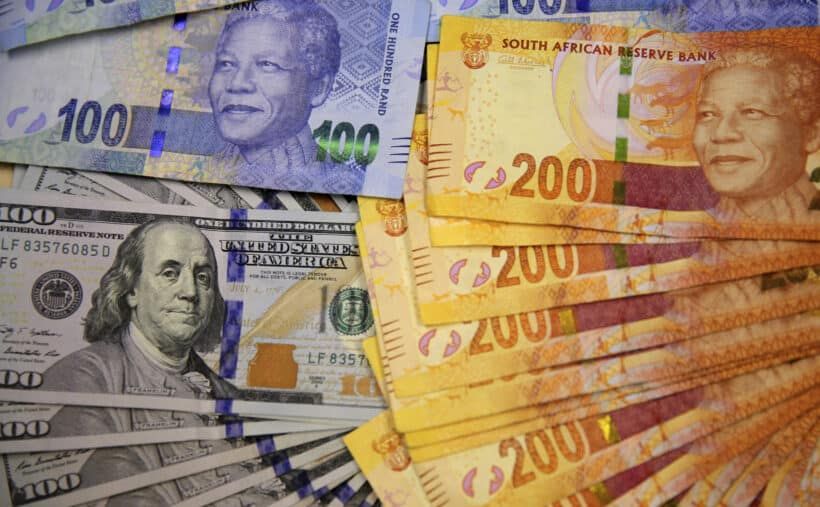
The South African rand has experienced significant volatility against the US dollar since the end of the apartheid era and the currency's reintroduction to international markets. Historically, the rand has been susceptible to sharp depreciations during times of global financial crisis or domestic political uncertainty. The currency reached record lows against the dollar during periods of heightened risk aversion and economic challenges within South Africa. Conversely, periods of strong commodity prices and robust global growth have supported the rand, allowing it to appreciate. The long-term trend for the ZAR/USD pair has generally been one of depreciation for the rand, reflecting various structural economic factors. Analysts often compare the rand's performance to other emerging market currencies to gauge relative strength or weakness. Modern tools allow users to view historical data for up to five years and set alerts for when desired rate levels are reached, which is a common practice for those monitoring this pair. Interactive charts track real-time mid-market rates and show how much your money was worth at any point in time over the last 12 months.
How Canadians Convert Currency and Associated Costs
Canadians looking to convert between South African rand and US dollars have several options, each with different cost structures. Major Canadian banks and credit unions offer currency exchange services both online and at branches. These institutions typically add a significant markup to the mid-market rate, which can range from 2% to 5% or more. Specialized online money transfer services and fintech platforms often provide more competitive rates and lower transparent fees compared to traditional banks. For larger transfers, using a dedicated foreign exchange broker can result in better rates through bulk pricing. It is crucial for consumers to compare the total cost, including all fees and the exchange rate margin, before completing any transaction. Many services promote being free from hidden fees and using the real mid-market rate, but consumers must verify the final delivered amount. Some providers allow you to keep multiple currencies in one account and convert them in seconds, which can be useful for managing funds across different currencies like ZAR, USD, and CAD.
Here is a comparison of typical provider characteristics. It is important to understand these differences to minimize costs on currency conversion. The comparison savings between providers can be substantial, especially on larger transfer amounts. Exact savings depend on the specific amount, currencies, and timing of the transaction. Savings are calculated by comparing the exchange rate including margins and fees provided by each bank and a service like Xe on the same day. These results may not be indicative of actual savings for all transactions.
| Provider Type | Typical Rate Margin | Fee Structure | Best For |
|---|---|---|---|
| Major Banks | High (2-5%) | Fixed fee + margin | Convenience, small amounts |
| Online Transfer Services | Low (often <1%) | Low transparent fee | International money transfers |
| FX Brokers | Very Low (negotiable) | May have minimums | Large transfers, businesses |
Understanding these differences is key to minimizing costs on currency conversion. The comparison savings between providers can be substantial, especially on larger transfer amounts. However, exact savings depend on the specific amount, currencies, and timing of the transaction. Savings are calculated by comparing the exchange rate including margins and fees provided by each bank and a service like Xe on the same day. Different currency exchange amounts, currency types, dates, times, and other individual factors will result in different comparison savings.
Using Banks, Cards, and Transfer Services
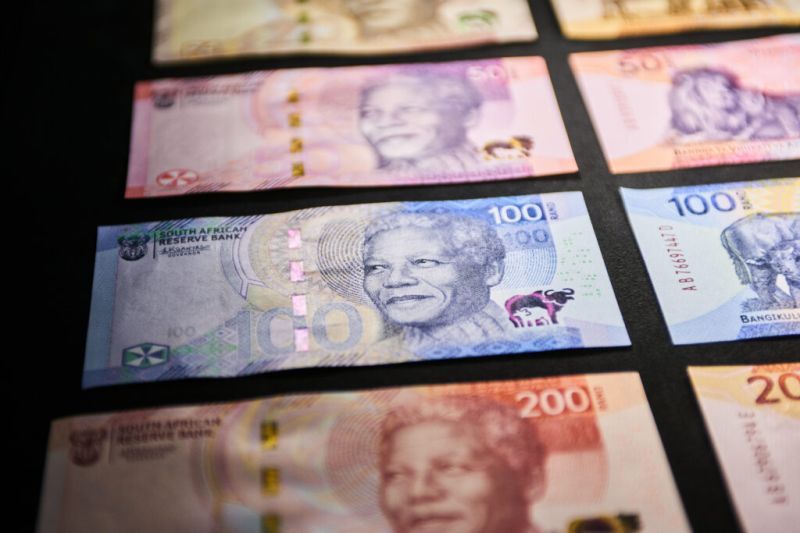
When using a Canadian bank to exchange rand for dollars, the process usually involves ordering the currency in advance or conducting a wire transfer. Bank wire transfers for international payments include a correspondent banking fee in addition to the bank's own exchange rate margin. Canadian credit cards automatically convert foreign currency transactions, like those in rand, to Canadian dollars using the card network's rate plus a foreign transaction fee. Some premium travel credit cards may waive this foreign transaction fee, offering a better effective rate. Online multi-currency accounts allow users to hold and convert between currencies like ZAR and USD at closer to the mid-market rate. These digital services highlight their lack of hidden fees and use of the real exchange rate. For recurring transfers, some services offer rate alert tools to notify users when their desired exchange rate level is reached. Many of these services operate across a wide network, allowing transfers to over 190 countries in more than 130 different currencies, which provides significant flexibility for Canadians with global financial needs.
- Banks apply a markup on the exchange rate and often charge wire transfer fees, with the final rate not being the mid-market rate seen online.
- Debit cards used at foreign ATMs incur cash withdrawal fees and a poor exchange rate, making them a costly option for accessing foreign currency.
- Online transfer services promote bank-beating rates with upfront pricing and reliable delivery estimates for transfers.
- Specialist brokers provide tailored service for large business or personal transfers, often as part of broader FX risk management solutions.
- Multi-currency digital wallets allow holding and converting funds within one account, keeping currencies to hand in one place for whenever you need them.
- Services like Xe make international money transfers simple by showing all pricing upfront and allowing you to track every transfer in real time.
- To start a transfer, you typically use a live quoter on a provider's website to enter details and get real-time exchange rates and estimated delivery times.
Monitoring Rates and Executing Transfers
To convert South African rand to US dollars effectively, start by checking the current mid-market rate to establish a baseline. Then, obtain quotes from several different providers, including your bank, a dedicated FX service, and an online platform. Ensure you are comparing the total amount in US dollars you will receive after all fees and margins are applied, not just the advertised rate. For larger amounts, it may be worthwhile to negotiate the rate with a foreign exchange broker. If time permits, consider using a rate alert to wait for a more favourable exchange rate before executing the transfer. Always verify the recipient details meticulously, especially for international wire transfers, as errors can cause delays and additional charges. Keep records of the transaction confirmation and the exchange rate used for your personal finances or tax records. Interactive charts that use real-time mid-market rates can help you view historical data and understand recent trends, such as 30-day highs and lows and average rates over specific periods. Setting an alert for when the rate gets better is a common strategy used by individuals and businesses to optimize the timing of their currency conversions.
The Role of the Canadian Dollar in Cross-Currency Conversions
While the focus is on ZAR to USD, many Canadians may first convert Canadian dollars to rand or US dollars. The CAD/ZAR and CAD/USD rates are therefore foundational to many transactions. The Canadian dollar's value, often linked to commodity prices like oil, adds another layer of exchange rate risk when dealing with a commodity currency like the rand. Canadians might use a two-step conversion process, going from CAD to USD and then to ZAR, or vice versa, depending on the available rates and fees. Understanding the relationship between all three currencies can reveal arbitrage opportunities or help in choosing the most efficient conversion path. Services that allow you to hold multiple currencies can mitigate some of this multi-step complexity. The performance of ZAR to CAD over recent periods, with its specific highs, lows, and average rates, provides a direct comparison for Canadians assessing the rand's strength relative to their home currency. This information is valuable for making decisions about investments, travel budgets, or the timing of international payments to or from South Africa. The change in the ZAR to CAD rate over 90 days can be positive or negative, reflecting the dynamic nature of these currency relationships.
Frequently asked questions
What is the mid-market exchange rate?
The mid-market rate is the midpoint between the global buy and sell prices for a currency pair. It is the benchmark rate used in financial markets and by data providers. This rate constantly fluctuates based on live trading activity. Consumers do not receive this rate from banks or exchange services, as providers add a margin for profit. It is the rate shown on live currency converters for informational purposes only.
Why do banks give a worse rate than the one online?
Banks and traditional exchange services add a markup or spread to the mid-market rate. This margin is their primary source of revenue for providing currency conversion. The advertised online mid-market rate is a wholesale benchmark, not a retail price. Banks also often charge additional fixed fees for processing international transfers or currency exchanges. The difference between the bank's rate and the mid-market rate is how they make money on the transaction.
Are online money transfer services safe to use?
Reputable online transfer services are regulated financial institutions in the countries where they operate. They use encryption and security protocols to protect user data and funds. It is important to use services that are licensed and provide clear information about their fees and exchange rates. Checking independent reviews and regulatory status is a prudent step before using any service. These services often provide tracking and delivery estimates for added security and transparency.
How can I avoid high fees when converting currency?
To minimize fees, compare the total cost from multiple providers, focusing on the final amount you will receive. Consider using online transfer services that advertise low margins and transparent fees. For travel, using a credit card with no foreign transaction fee can be cost-effective. For large transfers, getting a quote from a specialist FX broker can often secure a better rate. Always look for services that use the real mid-market rate and show all fees upfront before you commit to a transfer.
Can I set an alert for a specific ZAR to USD rate?
Yes, many currency converter websites and financial apps offer a rate alert feature. You can set your desired ZAR/USD exchange rate, and the service will notify you via email or app notification when the market reaches that level. This tool is useful if you are not in a hurry to convert funds and want to wait for a more favourable rate. The alert helps you stay on top of currency shifts without constantly monitoring the markets yourself.
What information do I need for an international money transfer?
For an international wire transfer, you will need the recipient's full name and address. You also need the recipient's bank name, address, and the bank's SWIFT or BIC code. The recipient's account number or IBAN is essential. For some currencies and destinations, you may need to provide a reason for the transfer or other regulatory information. The sending service will guide you through the specific requirements based on the destination country and amount.
Sources and further reading
- South African rand to Canadian dollars today wise.com
- 1 ZAR to CAD, Convert South African Rand to Canadian ... xe.com
- Convert South African Rands to Canadian Dollars currency.me.uk
This article explains how things work and is not financial, tax or legal advice. Rules, limits and rates change, so check the current figures with the Canada Revenue Agency, your province or your financial institution before you act.