Converting Vietnamese dong to Canadian dollars involves understanding the exchange rate between two distinct currencies. The Vietnamese dong is the official currency of Vietnam, while the Canadian dollar is the official currency of Canada. The exchange rate between them is set by global foreign exchange markets and fluctuates constantly based on economic factors. For Canadians sending money to Vietnam, receiving payments, or exchanging cash for travel, knowing how this rate works and the associated costs from banks and transfer services is crucial for managing finances effectively.
Understanding the Vietnamese Dong and Canadian Dollar
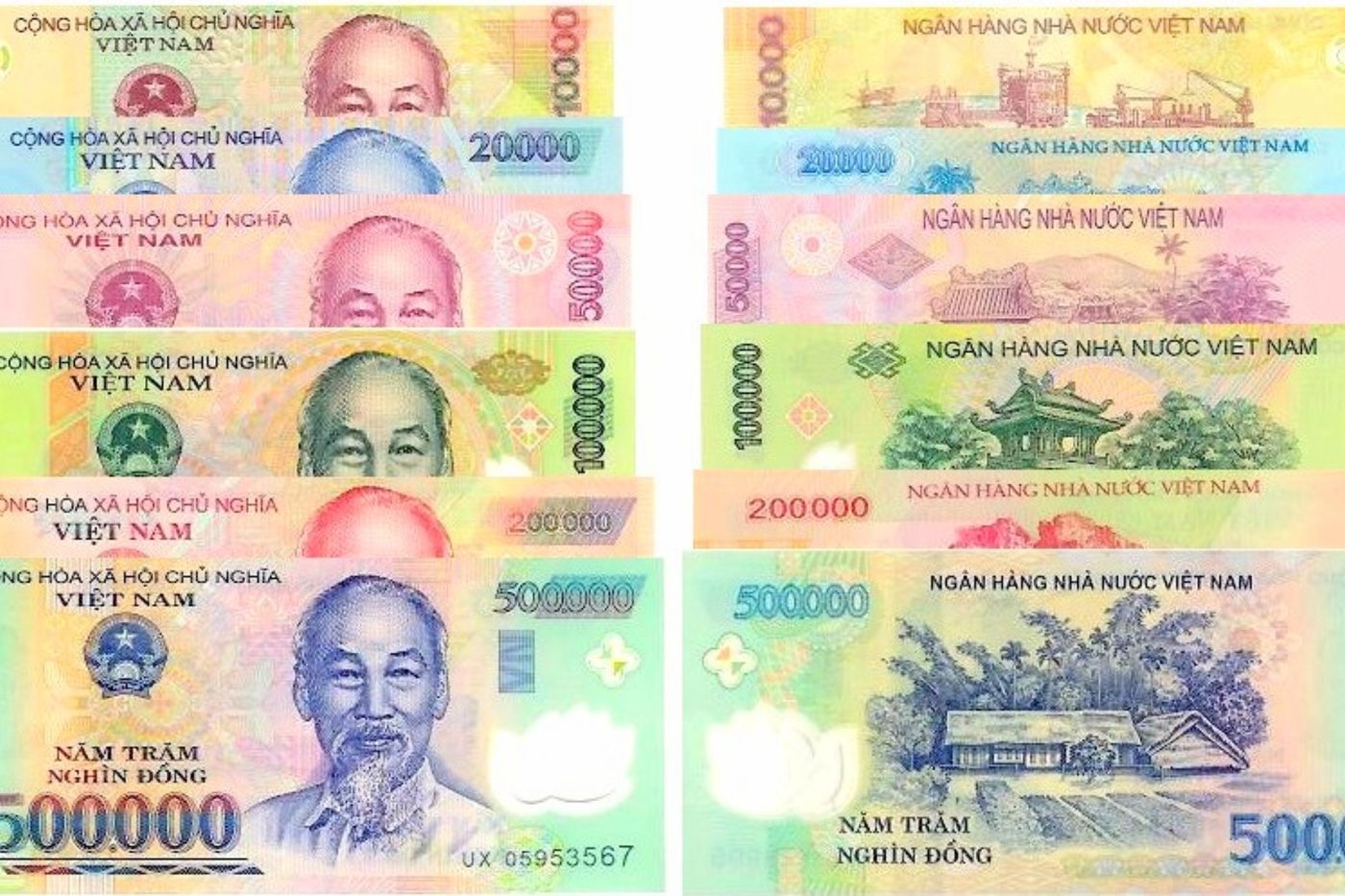
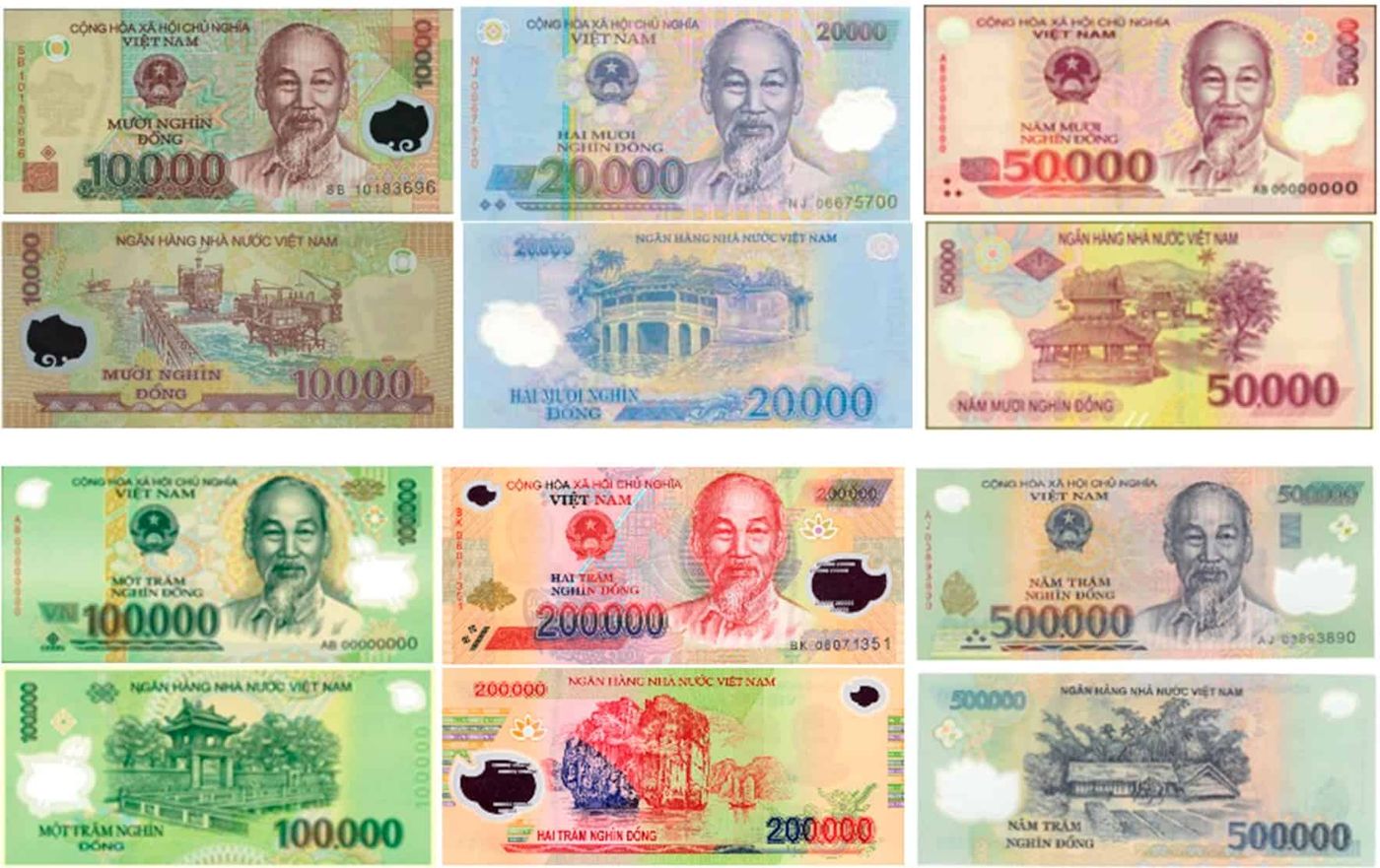
The Vietnamese dong, with the currency code VND and symbol ₫, is the sole legal tender in Vietnam. It is a currency that typically trades at a high quantity relative to major world currencies like the Canadian dollar. The Canadian dollar, code CAD and symbol $, is the official currency of Canada and is one of the world's major reserve currencies. The exchange rate between the dong and the loonie reflects the relative value of one currency against the other in the global marketplace. This rate is not fixed by either government but is determined by the forces of supply and demand in the foreign exchange market. The most common exchange rate comparison for the Vietnamese dong is actually against the United States dollar, but the VND to CAD pairing is directly relevant for financial flows between Canada and Vietnam.
How the VND to CAD Exchange Rate is Set
The primary benchmark for the VND to CAD exchange rate is the mid-market rate. This rate is the midpoint between the global buy and sell prices for the currency pair and is considered the true, fair value of one currency against the other. Financial institutions and money transfer services use this mid-market rate as a reference point. However, the rate offered to consumers for actual transactions, such as converting cash or sending an international transfer, is almost always different. Providers apply a margin or markup to the mid-market rate, which is how they generate revenue on currency conversion. This means when you convert money, you will receive a rate that is less favourable than the pure mid-market rate you might see on financial data websites.
The mid-market rate fluctuates continuously during global trading hours. These fluctuations are driven by a complex mix of macroeconomic factors. Key influences include the relative interest rates set by the State Bank of Vietnam and the Bank of Canada, as higher rates can attract foreign capital and strengthen a currency. Inflation differentials, economic growth reports, trade balances, and geopolitical stability in both countries also play significant roles. Furthermore, broader market sentiment and the relative strength of the US dollar, to which both currencies are often compared, can cause the VND to CAD rate to move. For Canadians, this means the amount of Vietnamese dong received for their dollars can change from one day to the next.
Historical Context and Rate Volatility
The VND to CAD exchange rate has experienced periods of both stability and movement over recent years. Historical data shows that the rate can exhibit low to moderate volatility over short periods. For example, analysis over a 90-day period has shown the rate moving between a high of 0.000055 and a low of 0.000052, with an average of 0.000053 and volatility measured at 0.27 percent. Over a 30-day window, the range has been between 0.000053 and 0.000055 with an average of 0.000054. These figures illustrate that while the absolute numerical change appears small, the percentage change can be meaningful for large transfer amounts. The performance change over a 90-day period has been recorded as 1.48 percent, indicating a gradual shift in value.
Tracking the rate over longer periods, such as 12 months, provides insight into broader economic trends affecting the two nations. The dong has historically been managed by the State Bank of Vietnam with an eye on export competitiveness, which can influence its value against freely floating currencies like the Canadian dollar. Canadians looking to send money to Vietnam or convert large sums may monitor these trends to identify potentially favourable periods for conversion. It is common for transfer services to offer tools like rate alerts, allowing users to set a target rate and receive a notification when the market reaches that level, which can be a strategic way to manage timing.
Methods for Canadians to Convert VND to CAD
Canadians have several options when they need to convert Vietnamese dong to Canadian dollars or vice versa. The method chosen often depends on whether the transaction involves physical cash, an electronic bank transfer, or a payment for goods and services. For converting physical banknotes, options include specialized foreign exchange dealers, some banks, and online services that deliver cash. For electronic transfers, such as sending remittances to Vietnam or receiving payments from there, online money transfer specialists, banks, and certain digital payment platforms are commonly used. Each channel has distinct characteristics in terms of exchange rates offered, fees, speed, and convenience.
Banks in Canada typically offer currency conversion services for both cash and wire transfers. When using a bank, customers should be aware that the exchange rate applied will include a significant markup from the mid-market rate. Additionally, banks often charge explicit wire transfer fees for international transactions, which can be a flat fee or a percentage of the amount sent. The total cost is the combination of this fee and the loss from the unfavourable exchange rate margin. For receiving Vietnamese dong into a Canadian bank account, the funds are automatically converted to CAD at the bank's set rate, which may not be optimal.
Online money transfer services have become a popular alternative. These companies, such as Wise and Western Union, operate digitally and often advertise bank-beating rates. They typically use the mid-market rate and charge a transparent, upfront fee or a small percentage margin. The process usually involves creating an account online or via a mobile app, entering the transfer details, and paying with a Canadian bank account, debit card, or credit card. These services can send money for cash pickup at agent locations in Vietnam or directly to Vietnamese bank accounts, with the conversion happening at the point of payout.
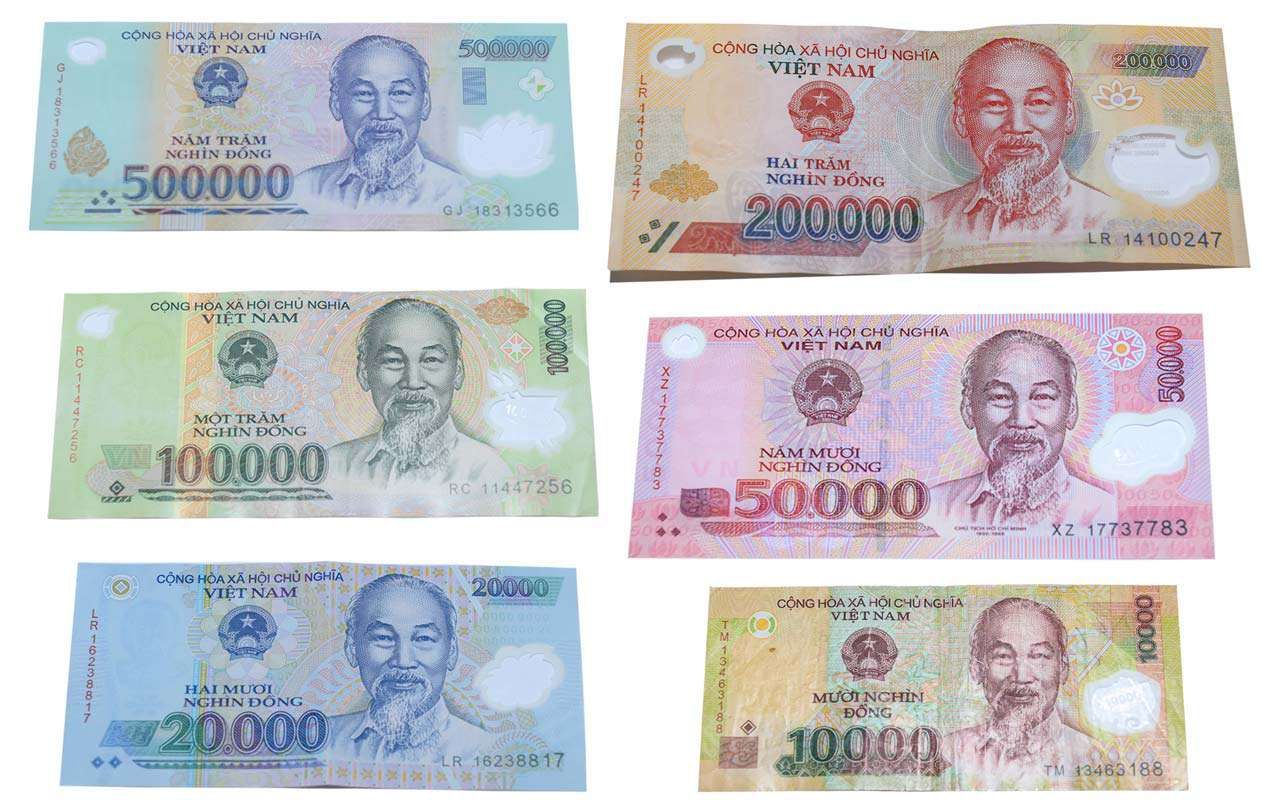
For obtaining Vietnamese dong cash in Canada before travel, dedicated foreign exchange companies provide a specific service. These firms, like Interchange Financial, allow customers to order currency online for delivery by insured courier within two business days or for instant pickup at a physical location. They promote better exchange rates than banks and credit cards, with no foreign exchange fees or service charges. Payment is made in Canadian dollars via Interac Online or e-Transfer. This method is designed for convenience and competitive rates for physical cash, contrasting with the high fees often levied by credit card companies for international transactions.
Fees and Costs Comparison
The total cost of converting Vietnamese dong to Canadian dollars is not just the exchange rate itself. It includes any explicit fees, hidden margins on the rate, and sometimes receiving fees on the other end. Understanding the fee structure of each provider is essential for Canadians to get the best value. Banks generally have the highest cost structure, combining a poor exchange rate with fixed transfer fees.
Online transfer services structure their costs differently. Some, like Wise, charge a small, variable fee based on the amount and payment method but use the real mid-market rate with no markup. Others may offer a zero-fee transfer but apply a larger margin to the exchange rate. It is critical to review the total amount in Vietnamese dong that the recipient will get after all costs, rather than just focusing on the absence of a transfer fee. Specialized cash delivery services highlight having no foreign exchange fees or service charges, with their profit coming from the margin between their buy and sell rates, which they claim are more competitive than banks.
| Provider Type | Typical Cost Components | Notes |
|---|---|---|
| Major Canadian Banks | Significant exchange rate margin + wire transfer fee | Costs are often the highest. Convenient for existing customers. |
| Online Transfer Services (e.g., Wise, Xe) | Small upfront fee + mid-market rate | Promote transparency. Total cost shown before transfer. |
| Money Transfer Operators (e.g., Western Union) | Exchange rate margin + transfer fee | Fees vary by amount, payment method, and payout option. |
| Foreign Exchange Cash Dealers | Built into exchange rate spread. No extra fees | Focus on physical cash. Offer delivery or pickup. |
Western Union fees, for instance, can vary depending on the amount sent, the payment method used, the destination country, and the chosen payout option. They advise customers to review the transfer fee and the CAD to VND exchange rate together to understand the full cost before sending money from Canada. For payments with a credit card through some services, a card-issuer cash advance fee and associated interest charges may apply, making debit cards or bank accounts a cheaper payment method. The key for consumers is to always check the final recipient amount in the target currency as the single best measure of value.
Practical Steps for Conversion and Transfers
When a Canadian needs to convert currency or send money to Vietnam, following a systematic approach can ensure a smoother transaction and better financial outcome. The first step is to determine the exact nature of the need: is it for obtaining physical Vietnamese dong banknotes, sending an electronic remittance, or receiving funds from Vietnam. The next step is to research and compare the total cost from several providers. This involves getting a live quote that shows both the exchange rate being applied and all applicable fees, resulting in the net amount the recipient will receive.
For sending money electronically, the process generally involves a few standard steps. First, you select a provider and create an account if necessary. You then enter the transfer details, specifying the amount to send in either CAD or VND, the recipient's information in Vietnam, and the delivery method. You will then see a final quote showing the exchange rate, fees, and the estimated delivery time. After providing payment from a Canadian bank account or card, you receive a tracking number to monitor the transfer. The funds are converted at the provider's rate and delivered as specified.
- Determine your need: cash, electronic transfer, or receiving funds.
- Compare total costs from multiple providers, not just the exchange rate.
- Get a live quote showing all fees and the final recipient amount.
- Provide payment from a Canadian bank account or debit card to avoid extra charges.
- Review and securely store the transaction receipt and tracking number.
- Use tracking tools to follow the transfer's progress to completion.
If ordering physical currency for travel, the process is similar but focused on delivery. You select a foreign exchange dealer, choose the amount of Vietnamese dong needed, and place an order online. You select a delivery address or pickup location within Canada, make payment via Interac, and the cash is shipped via insured courier, typically arriving within two business days. For receiving Vietnamese dong into Canada, such as for payment for services, it is important to clarify with the sender the exact exchange rate and fees that will be deducted by intermediary banks before the conversion to CAD happens in your account.
Security and Best Practices
Security is a paramount concern when conducting international currency conversions and transfers. Reputable providers employ robust encryption and fraud prevention measures to protect transactions. Whether sending money online, through an app, or at an agent location, it is important to use services from well-known, regulated companies. Customers should always verify the recipient's details carefully before sending funds, as transactions are often irreversible. Keeping the money transfer control number private is also crucial, as this number is the key to tracking the transfer and, in some cases, to receiving the funds.
Canadians should also be aware of common scams related to foreign exchange and international payments. It is advisable to only send money to people you know and trust. Be cautious of unsolicited requests for money transfers, deals that seem too good to be true, or pressure to act quickly. Before confirming any transfer, review all details including the exchange rate, all fees, the total amount the recipient will get, and the estimated delivery date. Using strong, unique passwords for financial accounts and enabling two-factor authentication where available adds an extra layer of security. By following these practices, Canadians can convert Vietnamese dong to Canadian dollars with greater confidence and safety.
Frequently asked questions
What is the best way to convert Vietnamese dong to Canadian dollars?
The best method depends on your specific needs. For physical cash, specialized foreign exchange dealers often offer better rates than banks and can deliver notes to your door. For electronic transfers, online money transfer services typically provide more competitive exchange rates and lower fees compared to traditional bank wire transfers. It is essential to compare the total cost, including all fees and the final amount received, from several providers before deciding.
Do banks charge high fees for converting VND to CAD?
Yes, banks generally have higher costs for currency conversion. They typically apply a significant markup to the mid-market exchange rate and charge an additional wire transfer fee for sending money internationally. This combination often results in a higher total cost compared to online transfer specialists. When receiving Vietnamese dong into a Canadian bank account, the bank will automatically convert it at their own set rate, which also includes a margin.
How long does an international money transfer to Vietnam take?
Transfer times can vary by provider and payout method. Electronic transfers to a Vietnamese bank account can sometimes be completed within one business day, while transfers for cash pickup at an agent location may be available within minutes. Online cash delivery services for obtaining dong in Canada typically quote a two-business-day delivery timeframe. The provider will give an estimated delivery time when you get a quote for your specific transaction.
What is the difference between the mid-market rate and the rate I get?
The mid-market rate is the benchmark exchange rate you see on financial data sites, representing the midpoint between global buy and sell orders. The rate you actually receive from a bank or transfer service is almost always different, as providers add a margin or markup to this rate. This margin, along with any stated fees, is how they make money on the transaction. Therefore, the rate you get will be less favourable than the pure mid-market rate.
Are there hidden fees when converting currency?
Fees can sometimes be hidden within a poor exchange rate. Some providers advertise low or no transfer fees but compensate by offering a less competitive exchange rate. The best practice is to always look at the final amount the recipient will receive in Vietnamese dong after all costs. Reputable online transfer services and some currency dealers show all fees and the applicable exchange rate upfront before you commit to the transaction, ensuring full transparency.
Can I order Vietnamese dong cash online in Canada?
Yes, you can order Vietnamese Dong banknotes online from dedicated foreign exchange companies. Using an online order system, you can order Vietnamese Dong for home delivery anywhere in Canada. You pay for your foreign currency securely with Interac Online or Interac e-transfer in Canadian dollars. The shipment is then delivered by insured Canada Post couriers within two business days. These services often offer better exchange rates for physical currency than banks and credit cards and state they have no foreign exchange fees or service charges.
Sources and further reading
- Vietnamese dongs to Canadian dollars Exchange Rate. ... wise.com
- 1 VND to CAD, Vietnamese Dongs to Canadian Dollars ... xe.com
- CAD to VND | Convert Canadian Dollar to Vietnamese Dong westernunion.com
- Buy vietnamese dong online, Vietnam (VND - ₫) interchangefinancial.com
This article explains how things work and is not financial, tax or legal advice. Rules, limits and rates change, so check the current figures with the Canada Revenue Agency, your province or your financial institution before you act.