The exchange rate between the US dollar and the Turkish lira is a key figure for Canadians involved in trade, travel, or sending money to Turkey. This rate determines how many Turkish lira one US dollar can purchase and fluctuates constantly based on global financial markets. Canadians converting currency face various options, from banks to specialized transfer services, each with different exchange rates and fees. Understanding how the rate is set, what influences its movement, and the costs involved can help manage international financial transactions more effectively.
Understanding the US Dollar and Turkish Lira
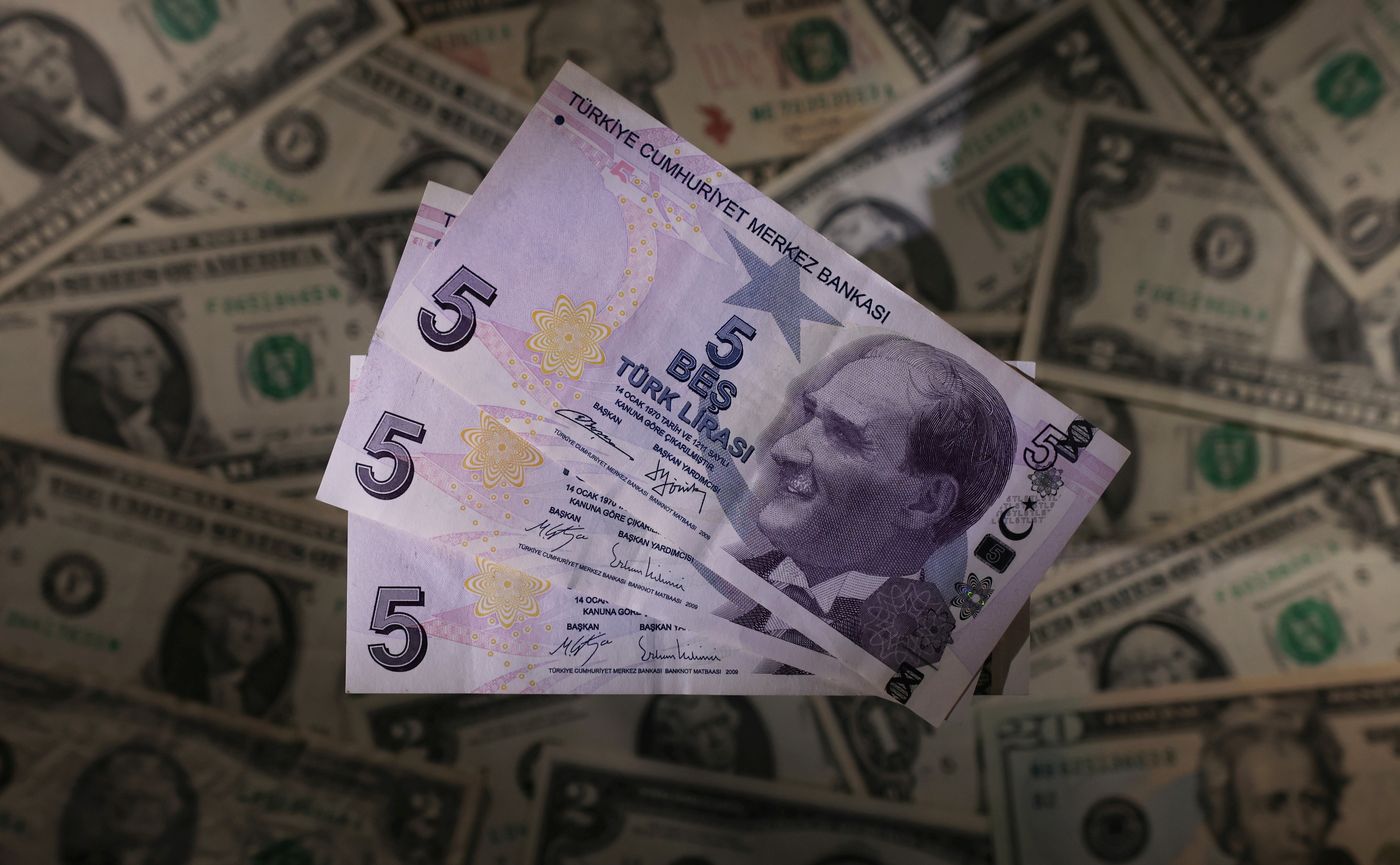
The US dollar, denoted by the code USD and symbol $, is the world's primary reserve currency and the most traded currency globally. It is the official currency of the United States and is widely used in international trade and finance. The Turkish lira, with the currency code TRY and symbol ₺, is the official currency of Turkey. The exchange rate between these two currencies expresses how many Turkish lira are needed to purchase one US dollar. This relationship is vital for cross-border transactions between the two nations and for international investors and travellers. The value of each currency is influenced by the economic conditions and monetary policies of their respective countries.
How the USD to TRY Exchange Rate is Determined
The primary benchmark for the USD to TRY exchange rate is the mid-market rate, also known as the interbank rate. This rate represents the midpoint between the wholesale buy and sell prices traded by large financial institutions in global currency markets. It is considered the most accurate reflection of a currency's true value at any given moment. This rate fluctuates continuously throughout the trading day as currencies are bought and sold. Financial institutions like the Bank of Canada publish indicative rates based on this market activity, but these are for reference only. The mid-market rate serves as the foundation, but the rate consumers and businesses actually receive includes a margin added by banks or money transfer services. This margin, along with any service fees, constitutes the total cost of conversion. The rate you see on a search engine is typically this mid-market rate, while the rate offered by a service provider will be different.
Factors Influencing the USD/TRY Exchange Rate
Several key economic and geopolitical factors cause the USD to TRY rate to move. Central bank monetary policy is a major driver, particularly decisions by the US Federal Reserve and the Central Bank of the Republic of Turkey regarding interest rates. Higher interest rates in a country can attract foreign capital, increasing demand for that currency and potentially strengthening its value. Inflation rates are another critical factor, as high inflation can erode a currency's purchasing power. Political stability and economic performance indicators, such as gross domestic product growth, trade balances, and employment data, also significantly impact investor confidence and currency strength. Market sentiment and global risk appetite play a role, with the US dollar often seen as a safe-haven asset during times of international uncertainty. The supply and demand dynamics within the foreign exchange market itself, driven by trade flows, investment, and speculation, cause the rate to change minute by minute.
Historical Context and Notable Volatility
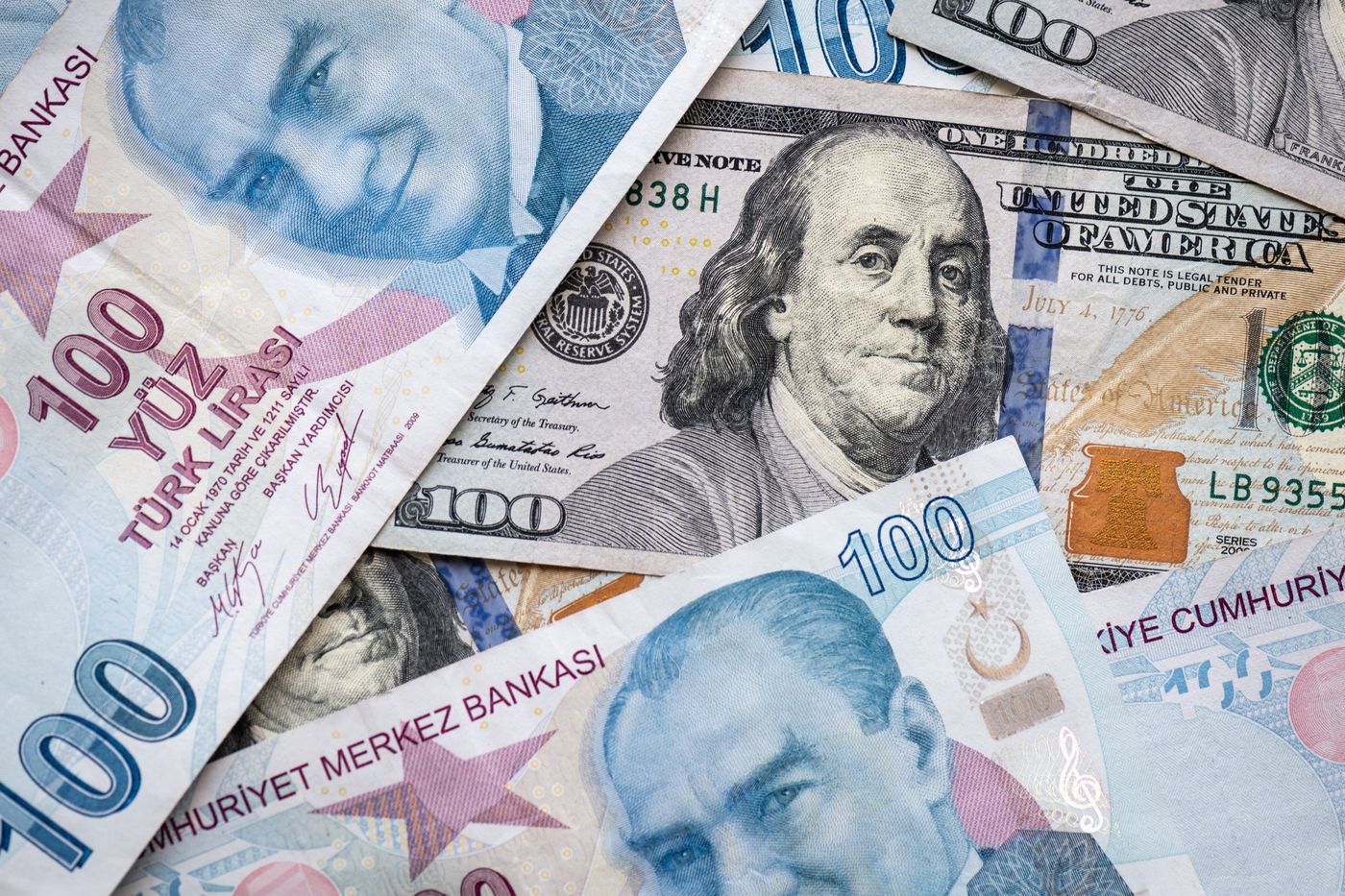
The Turkish lira has experienced significant periods of volatility and depreciation against the US dollar over recent decades, influenced by domestic economic challenges. Despite this stabilization effort, the lira has faced persistent pressure from high inflation and political factors. For instance, the Canadian dollar to Turkish lira pair showed a 90-day high of 35.1791 and a low of 33.4630 in one observed period, with an average of 34.5395 and a volatility of 0.24 percent. Similarly, the Turkish lira to Canadian dollar pair saw a 90-day high of 0.0298 and a low of 0.0283. These ranges highlight the active nature of the market. Tracking such performance over 30 or 90 days shows the change and average rates that characterize the trading environment.
How Canadians Convert USD to Turkish Lira
Canadians have multiple avenues to convert US dollars to Turkish lira, each with distinct processes and cost structures. Major Canadian banks, such as TD Bank Group, offer foreign exchange services where they set a retail exchange rate for transactions. Customers can place orders for foreign currency cash online for branch pickup within three to seven business days, purchase certain currencies like US dollars and euros at most branches, or visit dedicated TD Foreign Exchange Centres for immediate access to over fifty currencies. For incoming wire transfers in a foreign currency, the bank converts the funds using its applicable rate when the deposit is posted. Specialized international money transfer services like Western Union, Xe, and Wise provide alternative platforms for sending money to Turkey. These services often operate online or through mobile apps, allowing users to initiate transfers, see live exchange rates, and track transactions in real time. Many providers enable transfers for cash pickup at agent locations in Turkey or direct deposits to Turkish bank accounts.
Key steps in the conversion process typically involve checking live exchange rates using a currency converter or a money transfer service's website. You should then enter the amount you wish to convert and select the currencies, such as Canadian dollars to Turkish liras. The next step is to review the offered exchange rate and any applicable transfer fees to see the total cost. Finally, you can proceed with the transfer online, through a mobile app, or in person at an agent location.
- Selecting a service provider, such as a bank, online transfer service, or currency exchange kiosk.
- Checking the current offered exchange rate and any associated transfer fees.
- Providing the details of the transaction, including the amount in USD and the recipient information in Turkey.
- Choosing a payment method from Canada, such as a bank account, debit card, or credit card.
- Selecting a payout method in Turkey, like bank deposit or cash pickup.
- Reviewing the final quote showing the total cost, the exchange rate applied, and the estimated Turkish lira amount to be delivered.
- Confirming and paying for the transfer, then receiving a tracking number for monitoring.
It is important to note that using a credit card for such transactions may incur cash advance fees and interest charges from the card issuer. To avoid these fees, you can use a debit card or check other payment methods. The choice between a bank and a specialist service depends on factors like transfer size, speed, and cost comparison. Customers should compare the exchange rates and fees from different providers to find the best option.
Fees, Rates, and Costs for Conversion
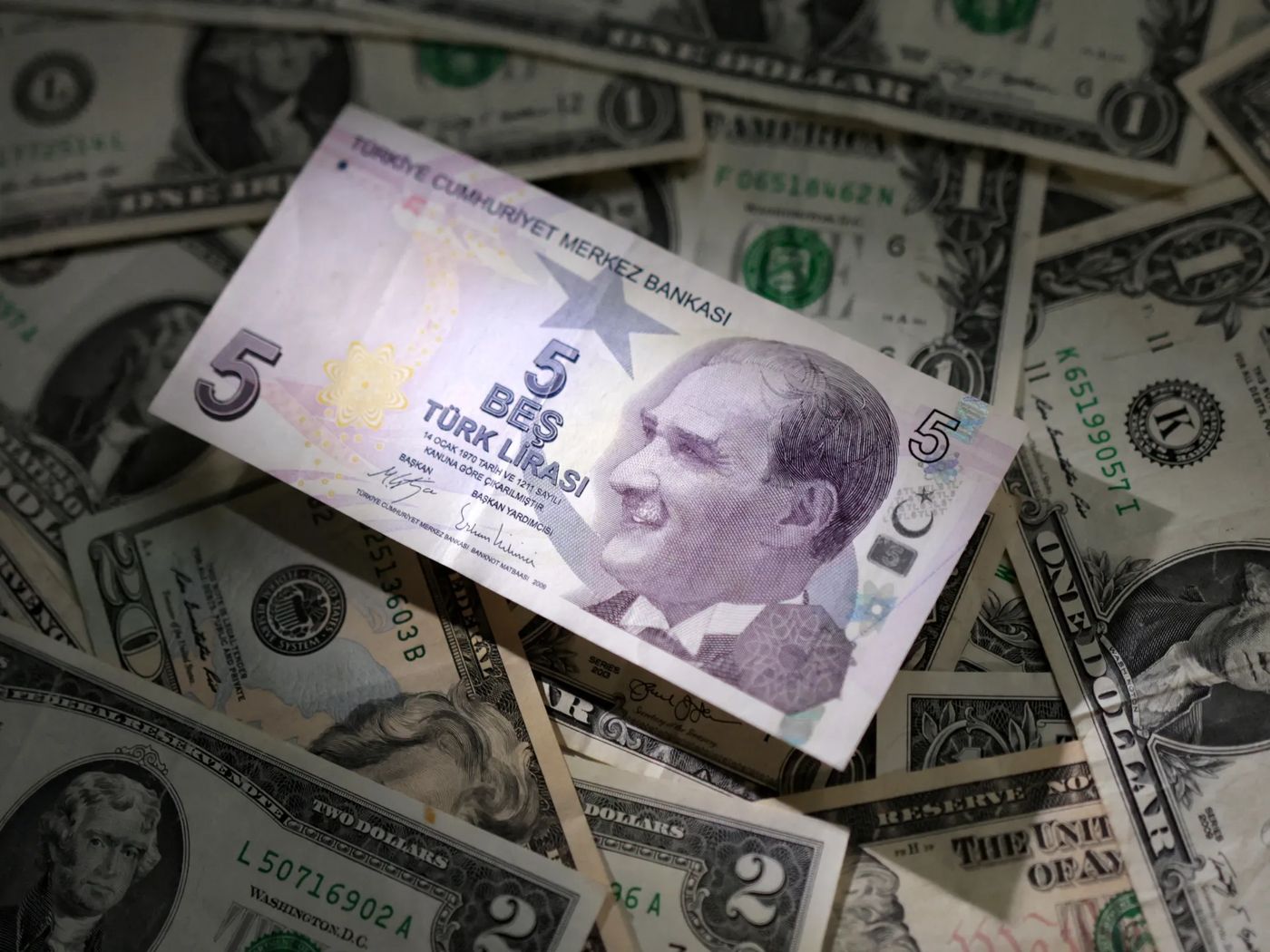
When converting USD to Turkish lira, Canadians do not receive the pure mid-market rate. Financial institutions and money transfer providers apply an exchange rate margin, which is a markup added to the mid-market rate. This margin, combined with any explicit service fees, determines the total cost of the transaction. Providers like Western Union state that their fees can vary based on the transfer amount, payment method, destination, payout option, and the prevailing exchange rate at the time. Online services such as Xe and Wise emphasize transparent pricing, showing all fees upfront and often promoting the use of the mid-market rate without hidden markups. Banks typically quote a retail exchange rate for services like purchasing foreign currency cash, which already incorporates their margin. For other services, like using a debit or credit card abroad for ATM withdrawals or purchases, the exchange rate and fees are governed by the card agreements and are set by the card networks, not the local bank. The table below summarizes the general fee structures across different provider types, though exact amounts vary by transaction.
| Provider Type | Typical Fee Components |
|---|---|
| Major Banks (e.g., TD) | Retail exchange rate margin. Possible order fees for currency cash. |
| Online Transfer Services (e.g., Xe, Wise) | Variable transfer fee. May use mid-market rate with a percentage fee or a marked-up rate. |
| Specialist Transfer Services (e.g., Western Union) | Transfer fee combined with an exchange rate margin. Varies by amount and payout method. |
Customers are advised to review the complete cost breakdown, including the exchange rate and any fees, before confirming any international money transfer. Some services offer rewards programs, like Western Union Rewards, where points can be earned and redeemed for discounts on future transfer fees. For example, 500 points may equal up to a 2 CAD discount on money transfer fees. Comparing the final delivered amount in Turkish lira from multiple providers is the best way to identify the most cost-effective option for a specific transfer.
Tools and Strategies for Tracking Exchange Rates
Given the dynamic nature of currency markets, several tools are available to help Canadians monitor the USD to TRY rate. Most money transfer services and financial websites provide live currency converters that display current mid-market rates. These tools allow users to enter a specific amount in US dollars and see the equivalent in Turkish lira based on live data. Interactive charts are another valuable resource, tracking historical exchange rate data over periods such as 30, 90 days, or even up to five years. These charts show the high, low, and average rates for a given period, along with the percentage change. A particularly useful feature offered by many platforms is the rate alert. Users can set a target USD to TRY exchange rate, and the system will send a notification via email or app when the market rate reaches that level. This helps individuals time their transfers to potentially get a more favourable rate. Monitoring daily market summaries and news can also provide context for rate movements, explaining whether shifts are due to economic data releases, central bank announcements, or geopolitical events.
Security and Considerations for International Transfers
Security is a paramount concern when sending money internationally. Reputable transfer services employ encryption and fraud prevention measures to protect transactions. Providers like Western Union allow users to track transfers in real time using a unique Money Transfer Control Number. It is crucial to send money only to people you know and trust, double-check all recipient details, and keep tracking numbers confidential. Canadians should be aware of common scams and fraud warning signs associated with money transfers. When choosing a service, consider the delivery speed, reliability, and customer support options. For larger transactions or regular transfers, comparing the total cost across multiple providers is essential, as the best rate does not always come from the most familiar institution. Understanding the difference between the advertised mid-market rate and the final rate you pay, which includes margins and fees, prevents unexpected costs. Always review the full pricing upfront before confirming any transfer to Turkey or any other destination.
Frequently asked questions
What is the difference between the mid-market rate and the rate I get from a bank?
The mid-market rate is the benchmark rate used between large financial institutions in global currency markets, representing the midpoint between buy and sell prices. The rate you receive from a bank or money transfer service is a retail rate, which includes a margin added to the mid-market rate. This margin, along with any service fees, is how these institutions generate revenue from currency conversion. Therefore, the rate you actually pay will always be less favourable than the pure mid-market rate.
How can I check the live USD to TRY exchange rate?
You can check the live rate using online currency converters provided by financial institutions, money transfer services like Xe or Wise, and many financial news websites. These tools typically display the current mid-market rate, which is the midpoint between buy and sell prices. For a more accurate estimate of what you will actually pay, use the quote function on a money transfer service's website. This will show the specific rate they are offering for your transaction amount, including their margin and fees.
What fees should I expect when sending money from Canada to Turkey?
Fees vary by provider and depend on factors like the transfer amount, your payment method, the chosen payout method in Turkey, and the current exchange rate. Fees typically consist of a fixed transfer fee, a variable percentage fee based on the amount, and an exchange rate margin. Some online services advertise low or no transfer fees but may use a marked-up exchange rate. Always review the full cost breakdown showing the exchange rate, any transfer fee, and the final amount in Turkish lira before you confirm.
Is it better to use my bank or a specialist service to send USD to TRY?
Both options have their place. Banks offer convenience and security, especially for existing customers, but their exchange rate margins can be higher. Specialist international money transfer services often provide more competitive rates and lower fees, particularly for online transfers. The best choice depends on the transfer amount, urgency, and your preference for service. It is advisable to compare the final delivered amount in Turkish lira from multiple providers for your specific transaction to see which offers the best value.
Can I set an alert for a specific USD to TRY exchange rate?
Yes, many currency converter websites and money transfer apps offer a rate alert feature. You can set your desired target exchange rate on a service's rate alerts page or within its mobile app. The service will then notify you via email or a mobile app notification when the market rate reaches that level. This allows you to time your currency conversion or money transfer to potentially take advantage of favourable market movements.
Are there limits on how much USD I can convert to Turkish lira?
The notes focus primarily on exchange rates and the mechanics of currency conversion. Limits are typically established by individual financial institutions or money transfer services like Western Union or TD Bank. These limits can vary based on factors such as the transaction method, the customer's account history, and the provider's own policies. To understand any specific minimum or maximum amounts for a transaction, you must consult the terms and conditions of your chosen service provider directly.
Sources and further reading
- 1 CAD to TRY, Canadian Dollars to Turkish Lira Exchange ... xe.com
- Turkish liras to Canadian dollars Exchange Rate. Convert ... wise.com
- CAD to TRY | Convert Canadian Dollar to New Turkish Lira westernunion.com
- Currency Converter & Live Exchange Rates td.com
This article explains how things work and is not financial, tax or legal advice. Rules, limits and rates change, so check the current figures with the Canada Revenue Agency, your province or your financial institution before you act.