For Canadians traveling or sending money to Thailand, converting US dollars to Thai baht is a common financial transaction. The exchange rate between these two major currencies is influenced by global economic forces, central bank policies, and market sentiment. Understanding how this rate is set, its historical context, and the costs involved in conversion helps Canadians make informed decisions. This knowledge is essential for managing travel budgets, international payments, and remittances effectively.
The US Dollar and Thai Baht Currencies
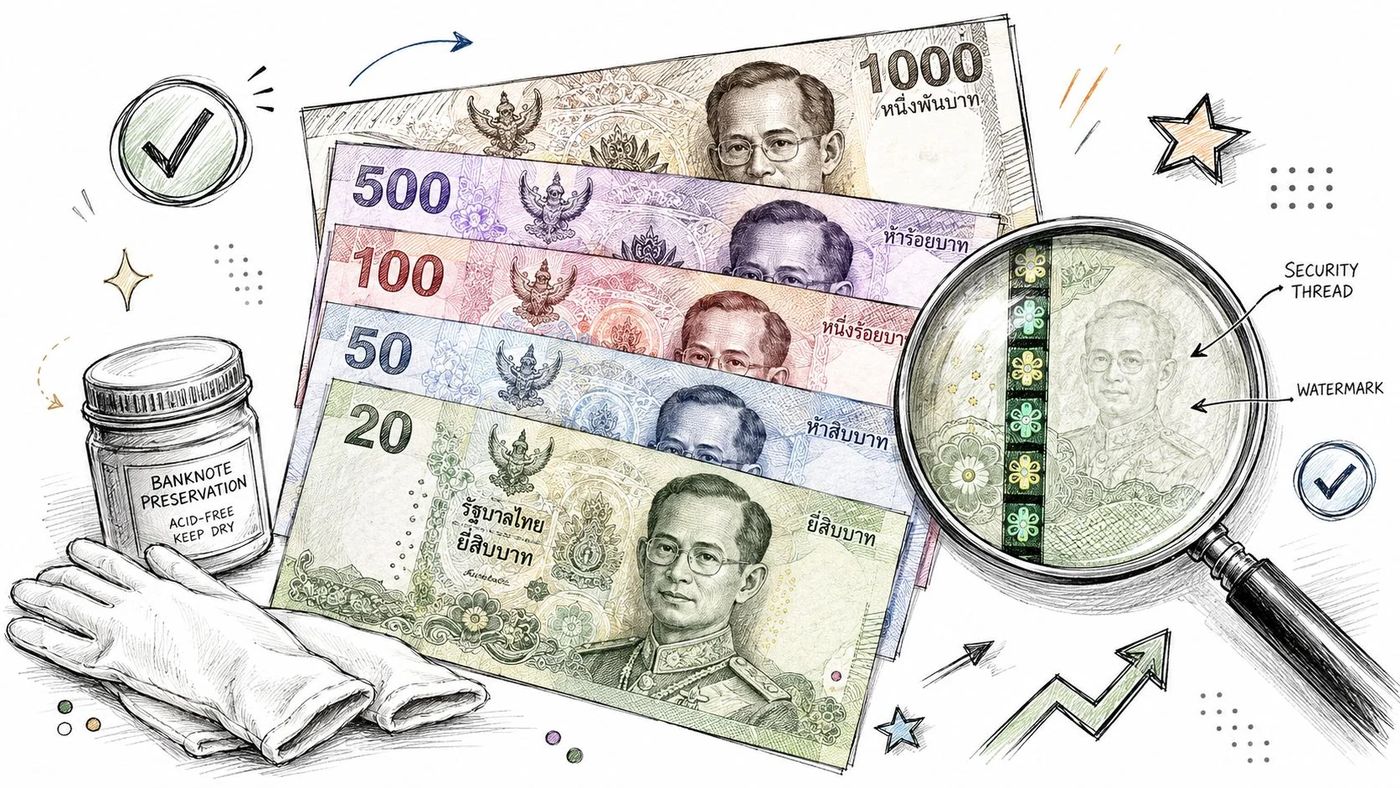
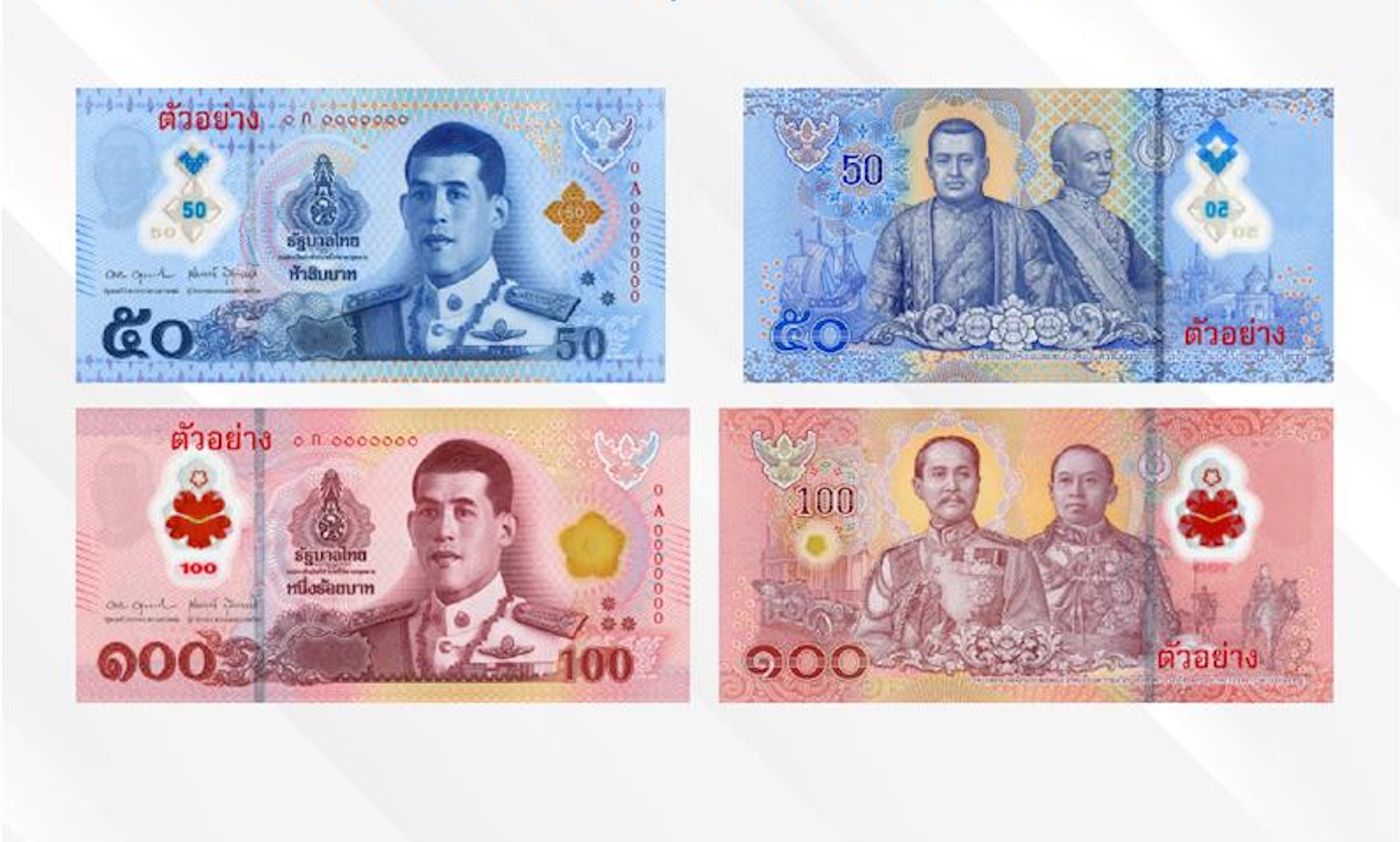
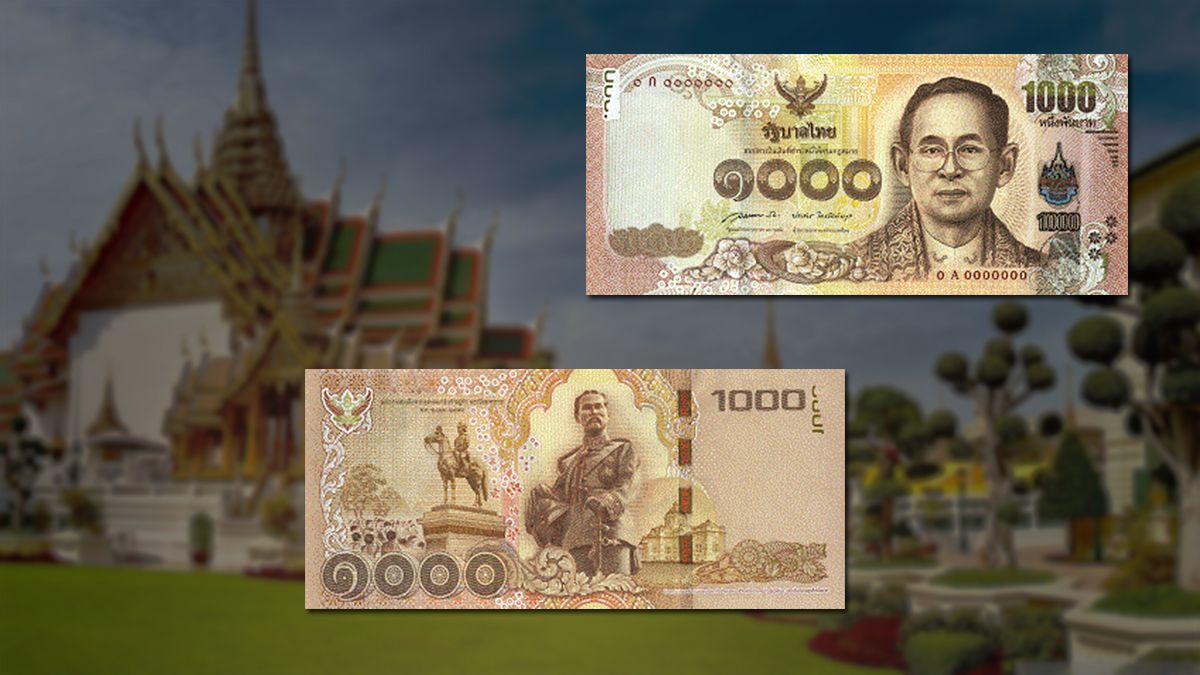
The US dollar is the official currency of the United States and serves as the world's primary reserve currency, widely used in international trade and finance. Its status means that movements in the USD often have significant ripple effects across global foreign exchange markets, including its pairing with the Thai baht. The Thai baht is the official currency of the Kingdom of Thailand, issued and managed by the Bank of Thailand. The baht is subdivided into 100 satang, and its symbol is ฿. Notably, the Thai government maintains a distinction between the onshore baht used for domestic transactions and the offshore baht used for certain external financial activities, which can influence exchange mechanisms. For Canadians, transactions typically involve converting Canadian dollars to US dollars first or using USD directly, making the USD/THB rate a critical reference point. The stability and policies surrounding both currencies directly impact the conversion value received by individuals and businesses.
How the USD/THB Exchange Rate is Determined
This market rate, known as the mid-market rate, is the midpoint between the global buy and sell prices and represents the pure value of one currency against another without any added fees or margins. This rate fluctuates constantly based on the forces of supply and demand among international banks, corporations, investors, and governments. The Bank of Thailand plays an active role in managing the baht's value, occasionally intervening in the market to curb excessive volatility or to align with national economic objectives. Their interventions can include direct currency purchases or sales, which directly affect the available supply of baht and thus the USD/THB rate. Furthermore, the distinction between the onshore and offshore baht creates a regulated environment that can lead to slight differences in how the currency is traded outside Thailand.
Several key factors drive the daily movements in the USD/THB exchange rate. Interest rate differentials between the US Federal Reserve and the Bank of Thailand are a major influence, as higher rates in the US can attract investment into dollar-denominated assets, strengthening the USD against the THB. Thailand's economic health, reflected in indicators like GDP growth, trade balances, and inflation reports, also sways investor confidence in the baht. Global risk sentiment is another crucial driver during times of international uncertainty, investors often flock to the US dollar as a safe-haven currency, which can cause it to appreciate against the baht. Political stability within Thailand and major US economic policy announcements are additional events that can cause significant and sudden shifts in the exchange rate.
Historical Context of the USD/THB Rate
The relationship between the US dollar and the Thai baht has evolved significantly over decades, shaped by regional economic developments and global financial events. Since that crisis, the Bank of Thailand has adopted a more managed float regime, accumulating substantial foreign reserves to act as a buffer against future speculative attacks. This policy shift has generally contributed to greater stability in the baht's value over the long term, though it remains susceptible to periodic volatility from external shocks. In more recent years, the USD/THB rate has experienced fluctuations driven by global events such as the COVID-19 pandemic and shifts in US monetary policy. The pandemic initially caused a flight to safety, strengthening the US dollar, but as tourism a critical sector for Thailand rebounded, demand for baht increased. For instance, analysis might show the rate moving within a defined high and low range over a 90-day period, with an average value and a calculated percentage change indicating the pair's overall direction. These historical patterns and responses to crises provide important context for understanding the potential future trajectory of the exchange rate.
Methods for Converting USD to THB in Canada
Canadians have several avenues to convert US dollars into Thai baht, each with different characteristics in terms of cost, convenience, and speed. The most common methods include using banks, credit or debit cards, specialized currency exchange kiosks, and online international money transfer services. Banks and traditional financial institutions offer currency conversion services both for cash and wire transfers, but they typically apply a markup to the mid-market exchange rate and charge additional transaction or wire fees. Prepaid travel cards loaded with USD or THB can also be used to lock in a rate before travel, though they may come with issuance and reload fees.
Online money transfer specialists have become increasingly popular for sending larger amounts due to their competitive exchange rates and transparent fee structures. These services operate by securing a near mid-market rate and charging a clear, upfront fee for the transfer, which can often result in significant savings compared to traditional banks. They facilitate transfers that can be picked up as cash at agent locations in Thailand or deposited directly into a Thai bank account. For cash conversions before travel, airport kiosks and mall-based currency exchangers offer immediate service but usually provide some of the least favourable rates due to high operating costs and convenience premiums. Canadians should compare the total cost the exchange rate margin plus all fees across these different providers to find the most economical method for their specific needs.
Fees and Costs for Currency Conversion
The total cost of converting US dollars to Thai baht is rarely just the advertised exchange rate it almost always includes various fees and margins that can substantially reduce the amount received. The primary cost is the exchange rate margin or spread, which is the difference between the mid-market rate and the rate actually offered by the provider. This margin is how banks, exchange kiosks, and many transfer services generate revenue from currency conversion. Additionally, fixed transaction fees are common, such as a flat fee for a wire transfer or a percentage-based fee on the total amount being sent or charged on a card. To illustrate the varying cost structures, the following table outlines typical fees associated with different conversion methods. It is important to note that these fees are estimates and can vary based on the provider, amount, and payment method.
| Provider Type | Typical Fee Components |
|---|---|
| Online Transfer Services | Low or transparent margin on exchange rate, flat transfer fee (e.g., $1-$10), no receiving fee. |
| Airport Currency Kiosks | High exchange rate margin (5% or more), possible flat service charge. |
| Prepaid Travel Cards | Card issuance fee, reload fee, ATM withdrawal fee, inactivity fee. |
Beyond these, other potential costs include ATM fees levied by both the Canadian card issuer and the Thai bank for cash withdrawals abroad. Some credit card issuers also treat ATM withdrawals as cash advances, which incur immediate interest charges without a grace period. For wire transfers, intermediary bank fees can sometimes deduct from the final amount if the transfer routing involves multiple institutions. The most cost-effective approach is typically to use services that offer the real mid-market rate with a single, low transparent fee, and to avoid methods with multiple layered charges.
Regulatory Considerations and Practical Tips
Converting and transferring currency internationally involves the regulations of both the sending and receiving countries. Thailand has specific rules governing its currency, most notably the distinction between the onshore baht for domestic use and the offshore baht for external trade. Offshore banks cannot directly exchange the onshore Thai baht with foreign currencies, which can affect the mechanics of large institutional transfers. Thailand also has declaration requirements for bringing large sums of foreign currency into the country, though limits for the Thai baht itself are more restrictive for taking it out of Thailand.
When planning a conversion, practical steps can help secure a better deal and ensure a smooth process. First, monitor the USD/THB rate over time using financial websites or apps that provide live mid-market rates and historical charts. Many services allow you to set up rate alerts to notify you when the pair reaches a desired level. Second, always compare the total cost by calculating how many baht you will ultimately receive after all fees, not just by looking at the offered exchange rate. Third, for larger transfers, consider using a regulated online money transfer service that shows the exchange rate and all fees upfront before you commit to the transaction. Finally, be aware of the delivery time and payout options, as some methods offer instant cash pickup while bank deposits may take one to three business days.
- Monitor live USD/THB rates and set alerts for target levels.
- Calculate the final amount in THB after all fees to compare providers.
- Use services that provide full upfront pricing before you transfer.
- Check payout options: cash pickup locations or bank deposit in Thailand.
- Understand the transfer timeline, which can range from minutes to days.
- Keep receipts and transfer tracking numbers (MTCN) for reference.
- Be aware of cash declaration limits when traveling with currency.
Frequently asked questions
What is the best way to convert US dollars to Thai baht from Canada?
The best method depends on the amount and purpose. For large transfers or sending money, online international transfer services often provide better exchange rates and lower transparent fees compared to traditional banks. For travel cash, comparing rates at local currency exchangers or using a bank order may yield more baht than last-minute airport kiosks. Using a credit card with no foreign transaction fee can be cost-effective for point-of-sale purchases in Thailand.
What is the difference between the onshore and offshore Thai baht?
The onshore Thai baht is the currency used within Thailand for all domestic transactions. The offshore Thai baht is a separate currency instrument used for certain external financial activities and trade outside Thailand. Offshore banks cannot directly exchange the onshore baht due to government restrictions designed to limit currency speculation. This distinction can create different trading environments and slightly different exchange rates for institutional transactions.
Why does the exchange rate I get differ from the rate I see online?
The rate you see online is often the mid-market rate, which is the midpoint between buy and sell prices on global currency markets. Money transfer providers like Western Union apply an exchange rate margin to this mid-market rate. The final rate you receive can vary based on the transfer amount, your payment method, the chosen payout option, and the timing of the transaction. Therefore, you should review the specific rate and any transfer fee together before confirming your international money transfer to understand the total cost.
How can I track the USD to THB exchange rate?
You can track the exchange rate using interactive charts that use real-time mid-market rates and allow you to view historical data. These charts can show data from the last 7 days, 30 days, 90 days, or up to 5 years. You can also set a rate alert to receive a notification when the exchange rate reaches a specific target. Many currency converter tools provide live rates and daily summaries to help you monitor the latest market movements.
Is it safe to send money online to Thailand?
Money transfer services use encryption and fraud prevention efforts to help protect your transactions. You should send money only to people you know and trust, and check receiver details carefully. It is important to keep your Money Transfer Control Number (MTCN) private and stay alert for scam or fraud warning signs. You can easily track your transfer online or with an app using the MTCN after it has been sent for added security and peace of mind.
Sources and further reading
- Canadian dollars to Thai bahts Exchange Rate. Convert ... wise.com
- CAD to THB | Convert Canadian Dollar to Thai Baht westernunion.com
- 1 CAD to THB, Convert Canadian Dollars to Thai Baht xe.com
- Convert Baht to Canadian Dollars | THB to CAD currency.me.uk
- Convert Canadian Dollars (CAD) and Thai Baht (THB) coinmill.com
This article explains how things work and is not financial, tax or legal advice. Rules, limits and rates change, so check the current figures with the Canada Revenue Agency, your province or your financial institution before you act.