Converting US dollars to Philippine pesos is a common financial transaction for Canadians, whether for sending remittances to family, conducting business, or travel. The exchange rate between the US dollar and the Philippine peso is a floating rate determined by global foreign exchange markets, influenced by economic indicators and monetary policies in both countries. Canadians have several options for converting money, including banks, credit cards, and specialized money transfer services, each with its own fee structure and exchange rate margin. Understanding how the rate is set, its historical trends, and the costs involved can help individuals make more informed decisions when moving funds between these currencies.
Understanding the US Dollar and Philippine Peso
The US dollar, denoted by the currency code USD and symbol $, is the official currency of the United States and the world's primary reserve currency. Its widespread use in international trade and finance makes it a benchmark for many currency pairs, including its pairing with the Philippine peso. The Philippine peso, with the currency code PHP and symbol ₱, is the official currency of the Philippines. It is issued and regulated by the Bangko Sentral ng Pilipinas, the country's central bank. The PHP is subdivided into 100 centavos, though centavo coins are less commonly used in everyday transactions today. For Canadians, transactions often involve converting Canadian dollars to US dollars first, or directly to Philippine pesos, depending on the service provider and the available exchange pathways.
How the USD to PHP Exchange Rate is Determined
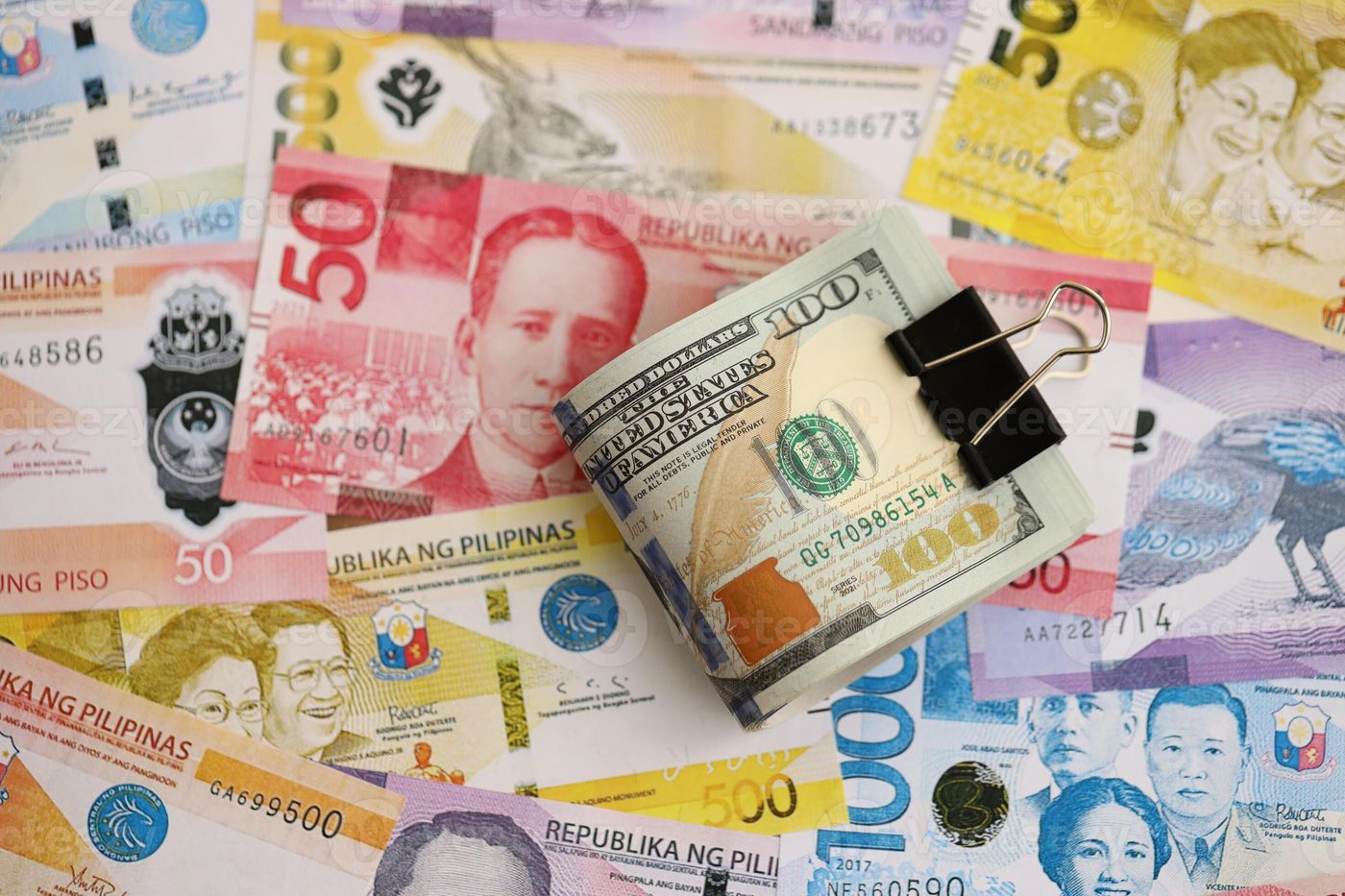
The exchange rate between the US dollar and the Philippine peso is a floating rate, meaning its value is determined by the foreign exchange market based on supply and demand. This rate is not fixed by either government but fluctuates continuously throughout the trading day. The mid-market rate is the midpoint between the global buy and sell prices for the currency pair and is considered the most accurate reflection of its value at any given moment. However, individuals and businesses do not typically receive this rate when converting money, as financial institutions add a margin or markup. The rate Canadians see on money transfer platforms or bank websites is the retail or customer rate, which includes this margin. Several key economic factors drive the movements in the USD/PHP exchange rate.
Interest rate decisions by the US Federal Reserve and the Bangko Sentral ng Pilipinas are primary influencers, as higher interest rates in a country can attract foreign capital, increasing demand for its currency. Trade flows between the two nations also play a role. A trade surplus for the Philippines can increase demand for pesos. Other factors include relative inflation rates, political stability, and broader global risk sentiment, where the US dollar often acts as a safe-haven currency during times of uncertainty. The performance of the Philippine economy, particularly its robust business process outsourcing sector and remittance inflows, significantly impacts the peso's strength against the dollar.
Historical Context and Notable Rate Movements
The USD/PHP exchange rate has experienced significant fluctuations over the decades, reflecting the economic histories of both nations. The rate has seen periods of both strength and vulnerability influenced by domestic political events, changes in sovereign credit ratings, and global financial crises. Remittances from overseas Filipino workers provide consistent support for the peso by ensuring a steady supply of foreign currency, primarily US dollars. For Canadians monitoring the rate for transfer purposes, this volatility underscores the importance of timing and using tools like rate alerts offered by some money transfer services. In more recent years, the exchange rate has been influenced by monetary policy normalization in the United States, the post-pandemic economic recovery, and the Philippines' own growth trajectory.
The following list outlines key economic events that have historically impacted the CAD/PHP pair, illustrating the types of catalysts that can move the rate. Exchange rates are highly dynamic and can change frequently throughout the day as currency values shift with global financial markets. Market rates are influenced by several key factors, including economic indicators and market sentiment. Because rates fluctuate, it is helpful to check live data before sending money.
- Periods of US Federal Reserve interest rate hikes can strengthen the USD.
- Changes in the Philippines' sovereign credit rating affect investment flows.
- Domestic political transitions in the Philippines can influence market sentiment.
Methods for Canadians to Convert USD to PHP
Canadians looking to convert US dollars to Philippine pesos have several avenues available, each with distinct cost structures and convenience factors. Traditional banks offer currency exchange services, but they typically apply a significant markup to the mid-market rate and may charge additional transaction fees. Using credit or debit cards for purchases or ATM withdrawals in the Philippines is another common method. For larger amounts, such as remittances, specialized international money transfer services are frequently used due to their competitive rates and lower fees compared to banks.
Online money transfer operators and fintech companies have become popular choices for sending money from Canada to the Philippines. These services often provide more transparent pricing, showing the exchange rate and any transfer fee upfront before the transaction is confirmed. Many offer the option to send funds directly to a Philippine bank account or for cash pickup at a wide network of agent locations across the country. The total cost for the sender is a combination of the applied exchange rate margin and any fixed transfer fee. It is crucial for Canadians to compare the total amount of Philippine pesos the recipient will receive, rather than just the advertised exchange rate or fee, to identify the best value.
Fees and Charges from Financial Institutions
The cost of converting USD to PHP involves various fees that can significantly reduce the amount received. Financial institutions and money transfer services generate revenue primarily through an exchange rate margin, which is the difference between the mid-market rate and the rate offered to the customer. This margin is often not explicitly stated but is built into the conversion rate. Additionally, many providers charge a fixed transfer fee, which can vary based on the transfer amount, payment method, and speed of delivery. For example, paying with a credit card may incur a cash advance fee and interest charges from the card issuer, on top of the service provider's fees. Banks may also levy wire transfer fees for international transactions.
Money transfer specialists often promote lower fees and more competitive exchange rates compared to traditional banks. Some providers offer promotional rates for first-time users or for transfers above a certain threshold. It is important to read the full pricing disclosure, as fees can depend on the destination country, payout option, and the specific currencies involved. The table below summarizes the common types of fees Canadians may encounter when converting and sending money, though exact amounts vary by provider and transaction details.
| Fee Type | Description | Typical Charged By |
|---|---|---|
| Exchange Rate Margin | Markup on the mid-market rate, built into the offered rate. | All banks, card networks, transfer services. |
| International Transfer Fee | A fixed fee for processing the cross-border payment. | Banks, some money transfer services. |
| Foreign Transaction Fee | Percentage fee on the transaction amount for cross-border purchases. | Credit/Debit card issuers. |
| Cash Advance Fee | Fee for using a credit card to fund a money transfer. | Credit card issuers. |
| Agent Pay-Out Fee | Sometimes charged for cash pickups at agent locations. | Some money transfer services. |
Using Transfer Services and Online Platforms
International money transfer services, both online and through physical agent networks, are designed specifically for cross-border payments. Canadians can initiate transfers through a provider's website or mobile app by entering the amount to send in US dollars or Canadian dollars, selecting the recipient's country as the Philippines, and choosing a delivery method. The platforms typically provide a real-time quote showing the exchange rate being applied, any transfer fee, the total cost in the sending currency, and the estimated amount the recipient will receive in Philippine pesos. This transparency allows for easy comparison between providers. Popular delivery methods include direct deposit to a Philippine bank account or cash pickup, which is often available within minutes for an additional fee.
Security is a paramount concern when sending money internationally. Reputable transfer services employ encryption and fraud prevention measures to protect transactions. Customers are provided with a Money Transfer Control Number for tracking the transfer's progress online or via the app. It is advisable to only send money to trusted recipients, carefully verify all recipient details, and keep the tracking number confidential. Many services also offer rate alert tools, where users can set a target USD to PHP exchange rate and receive a notification when the market reaches that level, allowing them to time their transfer for a more favourable rate.
Frequently asked questions
What is the difference between the mid-market rate and the rate I get?
The mid-market rate is the real, midpoint exchange rate between buyers and sellers on the global foreign exchange market. It is a benchmark rate. The rate you receive from a bank, credit card, or money transfer service includes a margin or markup added by the provider, so it will always be less favourable than the mid-market rate. This margin, combined with any fixed fees, constitutes the total cost of your currency conversion.
How can I find the best exchange rate for sending money to the Philippines?
To find the best value, you should compare the total amount of Philippine pesos your recipient will receive from different providers, not just the advertised exchange rate. Use online comparison tools or get quotes directly from several banks and specialized money transfer services. Pay attention to both the exchange rate margin and any fixed transfer fees. Many online transfer platforms show the full cost upfront before you commit to the transaction.
Are there fees for using a credit card to send money overseas?
Yes, using a credit card to fund an international money transfer can incur multiple fees. The money transfer service may process it as a cash advance, and your credit card issuer will likely charge a cash advance fee and begin accruing interest immediately at a high rate. The card issuer may also add a separate foreign transaction fee. It is often cheaper to use a debit card or bank account to fund the transfer.
How long does it take to send USD or CAD to the Philippines?
Transfer times vary by provider and method. Transfers for cash pickup at agent locations can often be completed within minutes or a few hours. Deposits to Philippine bank accounts may take one to three business days. Online money transfer platforms usually provide an estimated delivery time when you get a quote. Factors affecting speed include the payment method, the recipient's bank, and the time of day the transfer is initiated.
Is it safe to send money online to the Philippines?
Sending money through reputable, licensed money transfer operators is generally safe. These companies use encryption and security protocols to protect your financial information and transactions. They provide tracking numbers so you can monitor the transfer. It is important to use strong passwords, only send money to people you know and trust, and be vigilant against phishing scams or fraud attempts.
Can I set an alert for a specific USD to PHP exchange rate?
Yes, you can set up a CAD to PHP rate alert on a currency converter's rate alerts page or within a money transfer app. You will get a notification when your desired rate is reached and stay on top of currency shifts. This allows you to time your transfer to take advantage of favourable movements in the exchange rate. The mid market exchange rate is highly dynamic and can change frequently throughout the day as currency values shift with global financial markets. Setting an alert helps you monitor these fluctuations without constant manual checking. For example, the CAD to PHP rate in the last 30 days moved between a high of 44.9819 and a low of 43.8632. Using an alert feature ensures you are informed when the rate reaches your target level for a transfer.
Sources and further reading
- Canadian dollars to Philippine pesos today wise.com
- CAD to PHP | Convert Canadian Dollar to Philippine Peso westernunion.com
- 1 CAD to PHP, Canadian Dollars to Philippine Pesos ... xe.com
- Convert Canadian Dollars to Philippine Pesos | CAD to PHP currency.me.uk
This article explains how things work and is not financial, tax or legal advice. Rules, limits and rates change, so check the current figures with the Canada Revenue Agency, your province or your financial institution before you act.