Converting US dollars to Peruvian soles is a common financial transaction for Canadians traveling to Peru, sending remittances, or conducting business. The exchange rate between the USD and PEN is determined by global foreign exchange markets and influenced by economic factors in both the United States and Peru. Canadians have several options for converting their money, including banks, credit cards, and specialized money transfer services, each with different fees and exchange rate margins. Understanding how the rate is set and the costs involved can help individuals get better value when exchanging currency.
Understanding the US Dollar and Peruvian Sol
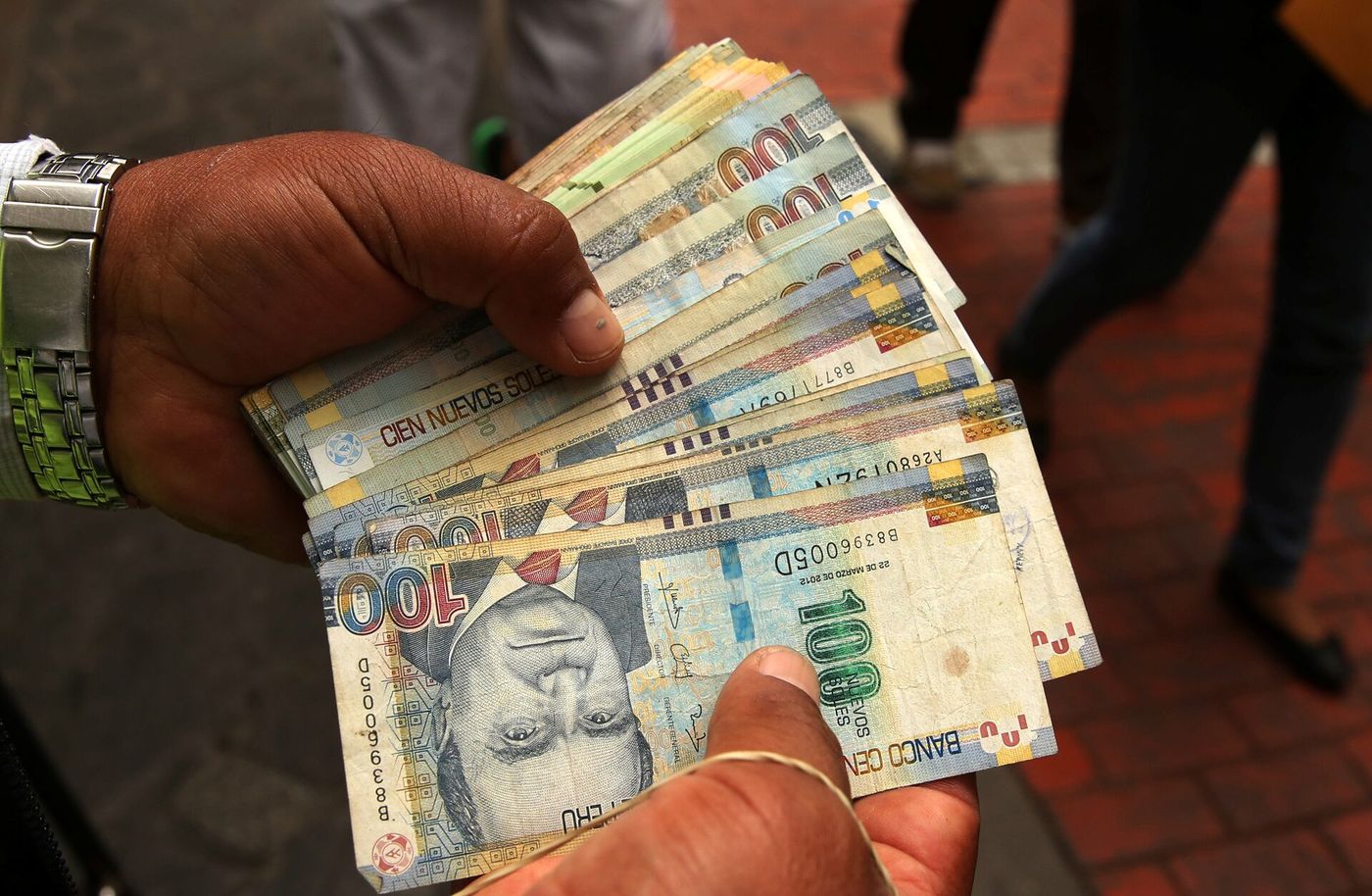
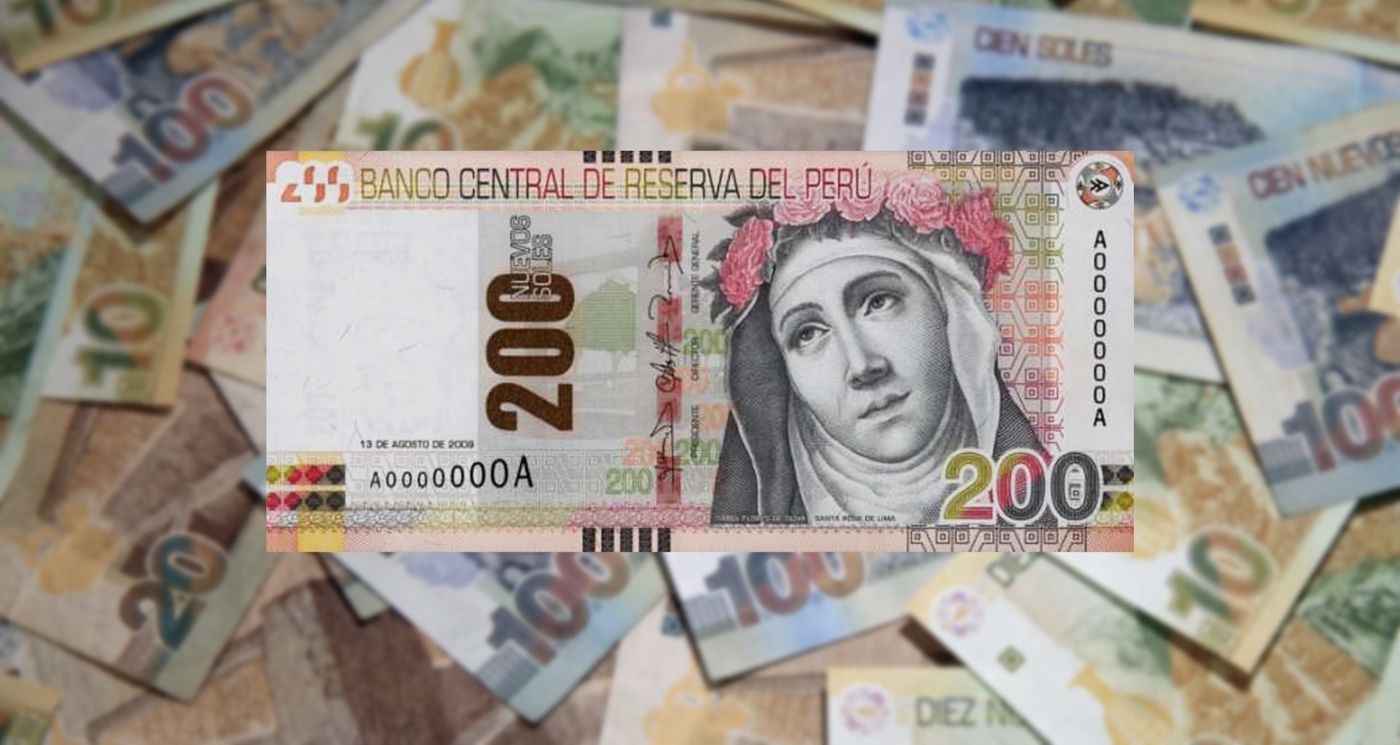
The United States dollar is the world's primary reserve currency and the official legal tender of the United States. Its currency code is USD and it is a freely floating currency, meaning its value is determined by supply and demand in the global foreign exchange market. The Peruvian nuevo sol, with the currency code PEN and symbol S/., is the official currency of Peru. The sol is also a floating currency, though the Central Reserve Bank of Peru may intervene to manage excessive volatility. For Canadians, transactions between USD and PEN often involve a two-step process, either converting Canadian dollars to US dollars first or using a service that handles the cross directly. The most popular Canadian dollar exchange rate is the CAD to USD rate, while the most popular Peruvian sol exchange rate is the PEN to USD rate, highlighting the central role of the US dollar in these conversions.
How the USD to PEN Exchange Rate is Determined
The exchange rate between the US dollar and the Peruvian sol is set by the global foreign exchange market. The most accurate reflection of the currency pair's value is the mid-market rate, which is the midpoint between the buy and sell prices in these wholesale markets. This rate fluctuates constantly throughout the trading day as currency values shift. Retail consumers and businesses do not receive the mid-market rate when converting money. Instead, banks and money transfer services apply a margin or spread to this rate, which is how they generate revenue from currency exchange. The rate you are offered will also vary depending on the amount you are converting, your payment method, and the service provider you use. Providers like Western Union note that their rate may differ from the mid-market rate due to an exchange rate margin and factors like transfer amount and payout option.
Several key economic factors influence the movement of the USD/PEN exchange rate. Changes in interest rates set by the US Federal Reserve and the Central Reserve Bank of Peru can attract or repel foreign investment, affecting currency demand. Peru's economic health, heavily tied to commodities like copper, gold, and silver, impacts the sol's strength when export revenues change. Political stability and inflation rates in both countries also play significant roles in investor confidence and currency valuation. Global market sentiment and the relative strength of the US dollar against a basket of other major currencies can cause broader movements that affect the PEN as well. Market rates are influenced by factors including international trade flows, central bank policies, and geopolitical events, all of which contribute to the dynamic nature of the exchange rate.
Historical Performance and Notable Trends
For example, over a 90-day period, the CAD to PEN rate saw a high of 2.4466 and a low of 2.3950, indicating a range of fluctuation. The average rate over that period was 2.4196 with a change of 0.92. Over a 30-day period, the CAD to PEN rate moved between 2.3950 and 2.4429, with an average of 2.4162 and a change of 1.60. Over the last 7 days, the CAD to PEN rate moved between 2.4119 and 2.4429 with an average of 2.4249 and 0.15% volatility. This historical data, viewable for up to five years through some provider charts, shows that the rate between North American currencies and the Peruvian sol experiences regular, though often moderate, changes driven by the factors mentioned earlier. Interactive charts from providers allow users to view historical data up to the last five years and set rate alerts to be notified when a desired rate level is reached.
Methods for Canadians to Convert USD to PEN
Canadians looking to convert US dollars to Peruvian soles have multiple avenues, each with distinct cost structures. Traditional banks offer currency exchange services, but they typically apply a significant markup to the mid-market rate and may charge additional fees. Using a credit or debit card for purchases or ATM withdrawals in Peru is another common method. Credit card companies often charge a foreign transaction fee, typically between 2.5% and 3%, on top of their own exchange rate margin, and using a credit card for a cash advance incurs even higher fees and immediate interest. Specialized money transfer services like Western Union, Xe, and Wise provide alternatives that can be more cost-effective for larger transfers or cash pickups. Western Union allows sending money to Peru online, via an app, or in person at an agent location for cash pickup, and they offer a rewards program where 500 points can equal up to a 2 CAD discount on money transfer fees.
Online foreign exchange companies such as Interchange Financial allow Canadians to order Peruvian soles online for home delivery anywhere in Canada, often at better rates than banks. These services typically do not charge foreign exchange fees or service charges, contrasting with credit card international transaction fees of 2.5% to 7%. Payment is made in Canadian dollars via Interac Online or e-Transfer, and the foreign cash is delivered by insured Canada Post couriers within two business days. For sending money directly to recipients in Peru, services like Xe offer transfers across 130 currencies to over 190 countries with upfront pricing and tracking. Wise provides a multi-currency account that allows users to hold and convert currencies at the mid-market rate without hidden fees, which can be useful for managing funds for travel or recurring transfers.
Detailed Fee Structures and Cost Comparisons
The total cost of converting USD to PEN is rarely just the advertised exchange rate. It is crucial to consider both the rate margin and any fixed fees. Banks and credit cards often have the widest margins, embedding their profit in the rate they offer you. Money transfer services like Wise advertise using the real mid-market rate with no markup but charge a transparent, upfront transfer fee. Western Union fees vary based on the transfer amount, payment method, destination, and payout option. Before confirming any transaction, it is essential to review the full quote showing the exchange rate applied, any transfer fee, and the final amount in soles that will be delivered. Some providers, like Interchange Financial, offer a Best Rate Guarantee ensuring market-leading rates and no foreign exchange fees, positioning themselves as a more economical alternative to banks.
The exchange rate you see online is often the mid-market rate, which is a reference rate used in global currency markets. The rate you receive from a money transfer provider may differ because providers can apply an exchange rate margin. Fees can vary depending on the amount you send, your payment method, the destination country, and the payout option. Before confirming a transfer, you should review the transfer fee and the exchange rate together to understand the full cost. Different currency exchange amounts, currency types, dates, times, and other individual factors will result in different costs. Credit card companies may charge an additional fee for international transactions.
| Provider Type | Typical Rate Offered | Common Fees &. Notes |
|---|---|---|
| Banks | Mid-market rate plus a significant margin | Possible service charges. Generally poor rates compared to specialists. |
| Credit Cards | Network rate plus margin | Foreign transaction fee (2.5%-3%). Cash advance fees and interest if used for withdrawals. International transaction fees can be 2.5% to 7%. |
| Online FX (e.g., Interchange Financial) | Better than bank rates, market-leading | No foreign exchange fees or service charges. Payment via Interac Online/e-Transfer. Delivery cost may be included. |
| Transfer Services (e.g., Wise) | Real mid-market rate | Transparent upfront transfer fee. No hidden markups on the rate. |
| Transfer Services (e.g., Western Union) | Market rate plus a margin | Variable transfer fee based on amount, payment method, destination. Offers rewards program. |
| Transfer Services (e.g., Xe) | Bank-beating rates | No hidden fees. Upfront pricing. Comparison savings calculated against banks on specific examples. |
To avoid surprises, always use a provider's live quote tool before sending money. This tool shows the exact exchange rate, all fees, the total cost, and the amount the recipient will get. Setting up a rate alert with a service like Xe can also help you monitor the market and execute a transfer when the rate is favorable. Providers note that comparison savings between services and banks are calculated on specific examples and may not include all costs, so individual results will vary based on the transaction details.
Security, Tracking, and Practical Transfer Tips
When sending money internationally, security is a paramount concern. Reputable providers use encryption and fraud prevention measures to protect transactions. After sending a transfer, you will typically receive a Money Transfer Control Number (MTCN) to track the transaction online or via an app. It is important to only send money to people you know and trust, double-check receiver details, and keep your MTCN private. Be aware of common scams and fraud warning signs. For cash conversions within Canada, using insured delivery services for online orders adds a layer of security. When comparing rates, remember that the exchange rate shown on a general search engine like Google is usually the mid-market rate, which is a reference point but not the rate you will receive from a consumer service. Western Union specifically advises that their rate may differ from the Google rate due to margins and other factors, so you should always review the provider's quoted rate and fee together.
Practical steps can streamline the conversion process and improve safety. First, gather the recipient's full name and location details if sending to Peru. Second, compare live quotes from at least two or three different types of providers to see the total cost in PEN. Third, if using a credit card online, be aware that a card-issuer cash advance fee and associated interest charges may apply, so using a debit card or other payment method may avoid these. Fourth, for larger transfers, consider services that specialize in business payments or FX risk management if needed. Fifth, after sending, save the confirmation and MTCN to track the transfer's progress until the recipient confirms receipt. Finally, consider setting up rate alerts if you are not in a hurry, allowing you to act when the market rate is more advantageous for your conversion.
Ordering and Receiving Physical Currency in Canada
For Canadians planning travel to Peru, obtaining physical Peruvian nuevo soles before departure is a convenient option. Services like Interchange Financial operate an online order system where you can select the amount of PEN needed and complete the transaction in Canadian dollars. They offer a large variety of foreign currencies and guarantee better exchange rates than banks and credit cards. The ordering process is conducted from home, and there is no need to order in advance or visit a bank branch to pick up the currency. Payment is made securely using Interac Online or Interac e-Transfer directly from your bank account. Once paid, the foreign cash is shipped via insured Canada Post couriers, with delivery typically occurring within two business days to any address in Canada. This service eliminates foreign exchange fees and the hassle of visiting multiple locations to find the desired currency. Customer testimonials highlight the efficiency and ease of use of such online ordering systems for obtaining foreign cash.
Frequently asked questions
What is the difference between the mid-market rate and the rate I get?
The mid-market rate is the real-time midpoint between global buy and sell orders, used as a benchmark. The rate you receive from a bank, credit card, or transfer service includes a margin or spread added to this rate, which is how the provider makes money. They may also charge separate transaction fees. Always check the full quote showing the final amount in PEN before you confirm. The rate on Google is usually the mid-market rate, but your provider's rate will be different.
How can I get the best USD to PEN exchange rate?
To get a favourable rate, compare quotes from different types of providers, including online foreign exchange specialists and money transfer services, as they often have better rates than traditional banks. For larger amounts, services that use the mid-market rate with a low, transparent fee can be cost-effective. Avoid using credit cards for cash advances due to high fees. Setting a rate alert can help you time your transfer when the market rate is strong. Some online FX companies offer a best rate guarantee against banks.
Are there fees for using my credit card in Peru?
Yes, most credit cards charge a foreign transaction fee, typically between 2.5% and 3% of the purchase amount, on top of the exchange rate set by the card network. If you use your credit card to withdraw cash from an ATM, it is treated as a cash advance, which incurs additional fees and immediate interest charges. Using a debit card or a dedicated travel card with low fees may be more economical. Credit card companies may charge 2.5% to 7% for international transactions.
Can I order Peruvian soles in Canada before I travel?
Yes, you can order Peruvian nuevo soles for delivery within Canada. Online foreign exchange services like Interchange Financial allow you to order currency online and have it delivered to your door by insured courier within two business days. These services often offer better exchange rates than banks and do not charge foreign exchange fees, though you pay in Canadian dollars. You can pay using Interac Online or an Interac e-Transfer from your bank account.
How do I send money from Canada to someone in Peru?
You can send money to Peru using international money transfer services like Western Union, Xe, or Wise. You can initiate transfers online, through a mobile app, or at an agent location. The recipient can often collect the funds in cash at a local agent location. You will need to provide the recipient's details and choose a payment method from options like bank account, debit card, or cash in-store. You will receive an MTCN to track the transfer.
Is it safe to send money online to Peru?
Using established, reputable money transfer services is generally safe. These companies employ encryption and fraud prevention systems. You will get a tracking number (MTCN) to monitor your transfer. For your own security, only send money to people you know, verify recipient information carefully, keep your tracking details private, and be vigilant about potential scams. Providers like Western Union have specific security measures for online, app, and in-person transfers.
Sources and further reading
- 1 CAD to PEN, Convert Canadian Dollars to Peruvian Soles xe.com
- CAD to PEN | Convert Canadian Dollar to Peruvian Nuevo ... westernunion.com
- Canadian dollars to Peruvian nuevo soles today wise.com
- Buy Peruvian Nuevo Sol online, Peru (PEN, S/.) interchangefinancial.com
This article explains how things work and is not financial, tax or legal advice. Rules, limits and rates change, so check the current figures with the Canada Revenue Agency, your province or your financial institution before you act.