Converting US dollars to Nepalese rupees is a common financial transaction for Canadians sending money to family, supporting charitable work, or traveling in Nepal. The exchange rate between the USD and NPR is set by global foreign exchange markets and fluctuates constantly based on economic factors. Canadians have several options for conversion, including banks, credit cards, and specialized money transfer services, each with different fees and exchange rate margins. Understanding how the rate is determined and the costs involved can help individuals get more value when moving money internationally.
The US Dollar and Nepalese Rupee Currencies
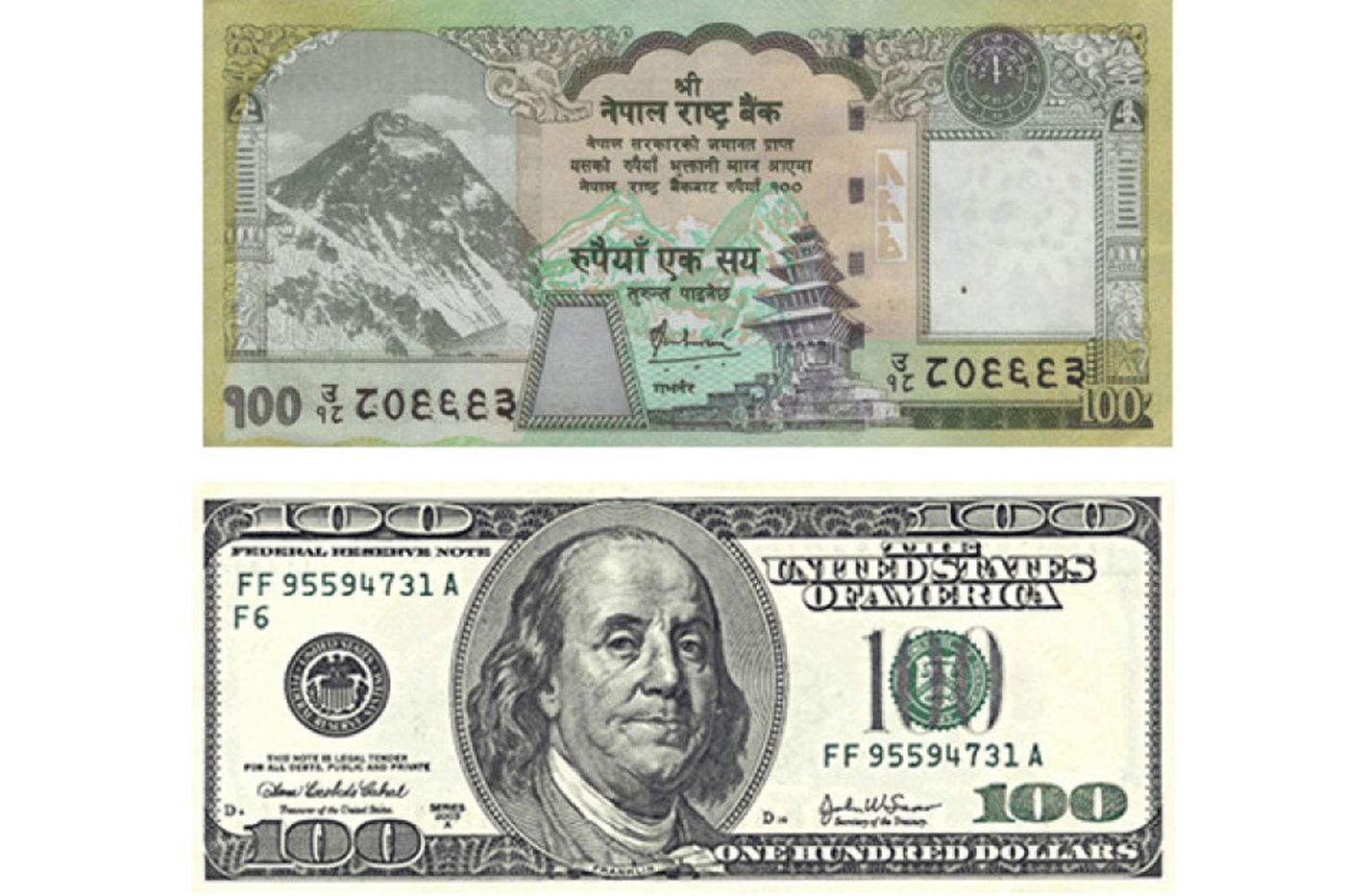
The US dollar is the official currency of the United States and is one of the world's primary reserve currencies, widely used in international trade and finance. Its currency code is USD and it is symbolized by the $ sign. The Nepalese rupee is the official currency of Nepal, with the currency code NPR and the symbol ₨. The Nepal Rastra Bank, the country's central bank, manages the issuance and monetary policy for the Nepalese rupee. For Canadians, transactions involving these currencies often occur when sending remittances to family in Nepal or when converting US dollars held from travel or business. The exchange rate connecting these two currencies is a vital piece of financial information for anyone involved in cross-border payments between North America and South Asia.
How the USD to NPR Exchange Rate is Set
The exchange rate between the US dollar and the Nepalese rupee is primarily determined by the global foreign exchange market. The most commonly referenced rate is the mid-market rate, which is the midpoint between the buy and sell prices in these global markets. This rate is considered the fairest and most accurate reflection of a currency's value at any given moment. It is the rate you would typically see on financial data platforms or in a simple Google search. However, when individuals or businesses actually convert money, they do not receive this pure mid-market rate. Banks and money transfer services apply a margin or spread to this rate, which becomes the final rate offered to the customer. This margin is a primary way these institutions make money on currency conversion.
Several key factors influence the movements of the USD to NPR exchange rate throughout the day. Changes in the relative economic strength of the United States and Nepal play a significant role. Indicators such as inflation rates, interest rate decisions by the Federal Reserve and Nepal Rastra Bank, and economic growth data can cause the rate to shift. Political stability and trade flows between the two nations also affect investor confidence and currency demand. Furthermore, global market sentiment and the performance of other major currencies like the Canadian dollar can have indirect effects. Because these factors are constantly evolving, the USD to NPR rate is highly dynamic and can change frequently, even within a single trading session.
Historical Performance and Rate Volatility
The USD to NPR exchange rate has experienced periods of both stability and movement over time. Historical charts tracking the mid-market rate show the range of values the pair has traded within over set periods. For example, analysis over a 90-day period has shown the rate moving between a high and a low with a calculated average and a measure of volatility. These metrics help illustrate the currency pair's behaviour. The change over a 30-day period can show a percentage decrease, indicating a period where the US dollar weakened against the Nepalese rupee. Conversely, other periods may show appreciation. These fluctuations underscore the importance of timing for individuals looking to convert larger sums of money, as the rate received can significantly impact the final amount delivered in rupees.
Tracking these highs and lows is a common practice for those regularly involved in foreign exchange. The performance over a 7-day window typically shows a narrower range between the highest and lowest observed rates, along with a lower average volatility percentage compared to longer timeframes. This short-term data can be useful for someone planning an imminent transfer. Over a 90-day period, the range between the high and low is naturally wider, reflecting broader economic trends and events. The average rate over such a period provides a benchmark for whether a current live rate is relatively high or low. These historical trends are valuable context, but it is crucial to remember that past performance is not a reliable indicator of future movements in the currency markets.
Methods for Canadians to Convert Currency
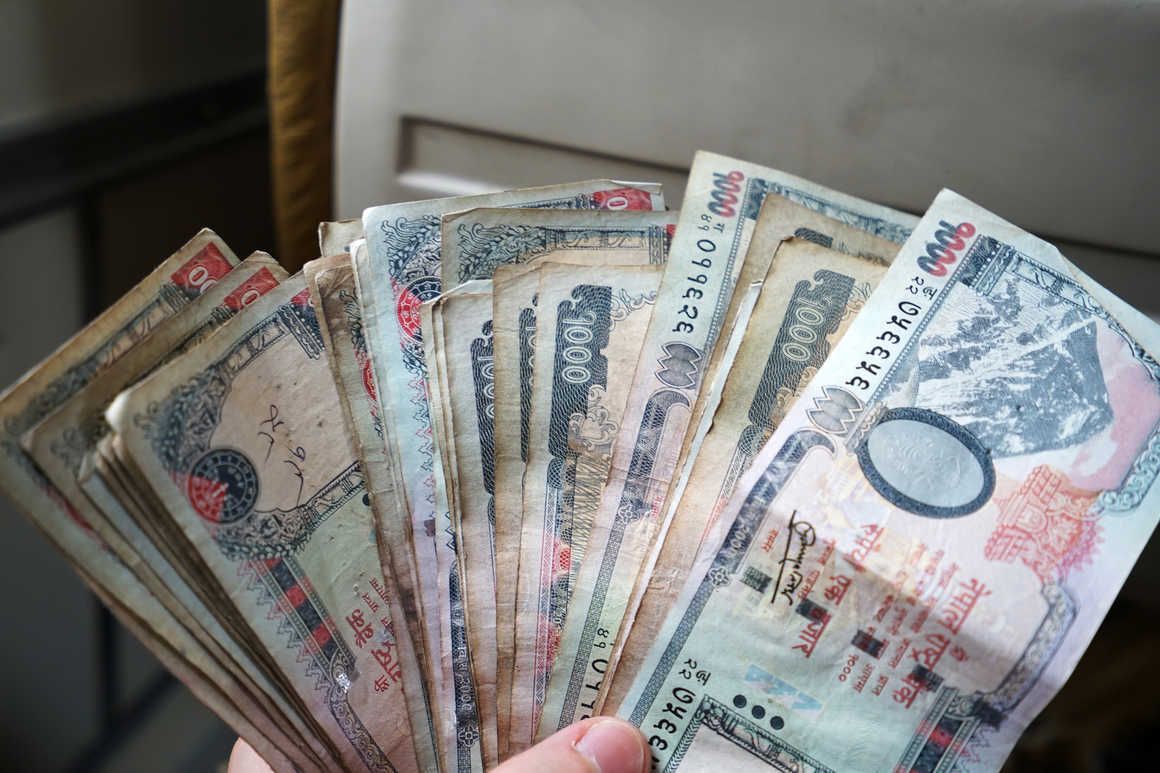
Canadians looking to convert US dollars to Nepalese rupees have several avenues available, each with distinct cost structures and processes. The most common methods include using banks, credit or debit cards, and dedicated online money transfer services. Banks and traditional financial institutions often allow currency exchange for account holders, but the rates offered usually include a significant markup from the mid-market rate, and additional service fees may apply. Using a credit card for transactions in Nepal is another method, where the conversion is handled by the card network. However, card issuers may apply a cash advance fee and associated interest charges if the transaction is processed as a cash advance, which is common for money transfers. Using a debit card can help avoid these specific fees.
Specialized international money transfer services have become a popular choice for sending larger amounts. Companies like Western Union and Wise operate platforms that allow users to initiate transfers online, through a mobile app, or in person at agent locations. The process typically involves entering the amount to send, choosing the currencies (USD to NPR), and reviewing the offered exchange rate and any transfer fees before confirming. The receiver in Nepal can often collect the funds in cash at a wide network of agent locations. These services compete on transparency, speed, and cost, with some advertising the use of the mid-market rate and charging a separate, upfront fee. The total cost for any method is a combination of the exchange rate margin and any explicit transfer fees.
Understanding Fees and Exchange Rate Margins
The total cost of converting USD to NPR is rarely just the advertised exchange rate. Financial institutions incorporate costs through fees and exchange rate margins. The margin, or spread, is the difference between the mid-market rate and the rate actually offered to the customer. This margin can vary significantly between providers. For instance, some online transfer services promote bank-beating rates by using the real mid-market rate and charging a separate, visible fee. Others might offer a promotional rate on a first transfer to attract new customers. It is essential to review both the effective exchange rate and any transfer fee to understand the total cost and know exactly how many Nepalese rupees the recipient will ultimately receive.
Transfer fees themselves are not fixed and can depend on multiple variables. Key factors include the amount being sent, the chosen payment method (such as bank account, debit card, or credit card), the destination country, and the selected payout option (like cash pickup or bank deposit). A provider may charge a lower fee for a transfer funded by a bank account compared to one funded by a credit card. Some services may also have minimum or maximum transfer limits. Promotional discounts on fees may be available through rewards programs, where points earned from transfers can be redeemed for discounts on future transfer fees. Canadians should always seek a full quote that shows the exchange rate, all fees, and the estimated delivery amount in NPR before finalizing any transaction.
Security and Tracking for International Transfers
Security is a paramount concern when sending money internationally. Reputable transfer services employ robust encryption and fraud prevention measures to protect transactions. Whether a transfer is initiated online, via an app, or in person, these security protocols help safeguard financial and personal information. After a transfer is sent, the sender receives a Money Transfer Control Number (MTCN). This unique tracking number is crucial for monitoring the transfer's progress online or through the service's mobile application. The receiver will also need to provide this MTCN, along with valid identification, to collect the funds at a cash pickup location. These steps are standard industry practices designed to ensure that money reaches the intended recipient securely.
Users also play a critical role in the security of their transfers. It is advisable to send money only to people you know and trust. Always double-check the receiver's details, including their full legal name as it appears on their ID, before confirming the transaction. The MTCN should be kept private and shared only with the legitimate receiver. Being aware of common scam warnings, such as unsolicited requests for money transfers or pressure to send funds urgently, is also important. By combining the security features offered by transfer providers with vigilant personal practices, Canadians can reduce risks when converting and sending US dollars to Nepalese rupees.
Comparing Provider Rates and Services
When choosing a service to convert USD to NPR, comparing the total cost across different providers is essential. The cost is a combination of the exchange rate margin and any fixed or variable fees. Some providers prominently advertise that they use the mid-market rate without a markup, instead charging a transparent, percentage-based fee. Others might incorporate their profit into a less favourable exchange rate. A useful practice is to use a live quoter tool on a provider's website, which will show the exact exchange rate, all applicable fees, and the final NPR amount the receiver will get. This allows for an apples-to-apples comparison before committing to a transfer. The table below illustrates how different factors can influence the final cost of a transfer, though the specific numbers will vary by provider, amount, and time of transfer.
| Cost Factor | Typical Impact on Final NPR Amount |
|---|---|
| Exchange Rate Margin | A wider margin reduces the NPR received. |
| Fixed Transfer Fee | A flat fee has a larger percentage impact on small transfers. |
| Payment Method (e.g., Credit Card) | May incur cash advance fees and higher exchange margins. |
| Promotional First-Transfer Rate | Can offer a more favourable rate for new customers. |
| Transfer Speed | Express or instant transfers often cost more than standard options. |
Beyond cost, other service features are worth comparing. These include the speed of transfer, which can range from minutes to several business days, the range of payout options available in Nepal, and the ease of use of the platform or app. Customer support accessibility and user reviews can also inform the decision. Some services offer additional features like rate alerts, which can notify you when the USD to NPR rate reaches a desired level, allowing you to time your transfer strategically. These alerts are available on many currency converter websites and money transfer apps, providing a tool to help you act when the market moves in your favour.
Frequently asked questions
What is the difference between the mid-market rate and the rate I get?
The mid-market rate is the benchmark rate from global currency markets, representing the midpoint between buy and sell prices. When you convert money through a bank or transfer service, you receive a retail rate that includes a margin or spread added to the mid-market rate. This margin is how the service provider makes a profit on the currency conversion. Always check the final rate you are offered, as it will determine exactly how many Nepalese rupees your US dollars will convert to.
How can I send US dollars to Nepal from Canada?
You can send US dollars to Nepal using international money transfer services. The process typically involves signing up with a provider online or via an app, entering the amount in USD, selecting NPR as the receiving currency, and choosing a payout method like cash pickup. You will pay for the transfer using a Canadian bank account, debit card, or credit card. Before sending, you will see the exchange rate, any transfer fees, and the total NPR amount the receiver will get. The receiver can then collect the cash at an agent location in Nepal.
Are there fees for using a credit card to send money?
Yes, using a credit card to fund an international money transfer often incurs additional costs. Many card issuers treat such transactions as cash advances, which trigger a cash advance fee and begin accruing interest immediately at a higher rate. To avoid these fees, using a debit card or directly linking a bank account as the payment method is generally recommended. The money transfer service itself may also charge a different fee based on your chosen payment method.
What affects the USD to NPR exchange rate?
The exchange rate is influenced by factors in the global foreign exchange market. Key influences include the relative economic performance of the United States and Nepal, differences in inflation and interest rates set by their central banks, political stability, and international trade flows. Global market sentiment and demand for currencies also cause daily fluctuations. These factors mean the rate changes continuously, which is why checking a live rate before a transfer is important.
How do I track my money transfer to Nepal?
You can track your money transfer to Nepal using the Money Transfer Control Number provided by your service provider. Western Union states you can easily track your transfer online and with their app using the MTCN. This tracking number is issued after you complete a money transfer. The service allows you to monitor the status of your transfer in real time. You can send money for cash pickup at an agent location near your receiver. The recipient will need this MTCN along with identification to collect the funds.
Can I set an alert for a specific USD to NPR exchange rate?
Yes, you can set an alert for a specific USD to NPR exchange rate. Services like Xe allow you to set up a rate alert on their rate alerts page or within their app. You will receive a notification when your desired rate is reached. This helps you stay on top of currency shifts in the market. Exchange rates are highly dynamic and can change frequently throughout the day. Setting an alert can help you identify a favourable time to initiate a transfer, though the final rate from a provider may include a margin.
Sources and further reading
- CAD to NPR | Convert Canadian Dollar to Nepalese Rupee westernunion.com
- Canadian dollars to Nepalese rupees today wise.com
- 1 USD to NPR, US Dollars to Nepalese Rupees Exchange ... xe.com
- Convert Canadian Dollars to Nepalese Rupees | CAD ... currency.me.uk
This article explains how things work and is not financial, tax or legal advice. Rules, limits and rates change, so check the current figures with the Canada Revenue Agency, your province or your financial institution before you act.