Converting US dollars to Nigerian naira is a common transaction for Canadians sending money to family, supporting businesses, or traveling. The exchange rate between the US dollar and the naira is highly dynamic, influenced by monetary policy, oil prices, and market demand. Canadians have several options for conversion, including banks, money transfer services, and digital platforms, each with different fees and exchange rate margins. Understanding how the rate is set and the costs involved can help ensure you get the best value when transferring funds.
The US Dollar and Nigerian Naira Currencies
The US dollar is the world's primary reserve currency and the most traded currency globally. Its status grants it significant influence over international trade and finance, including transactions involving Nigeria. The Nigerian naira is the official currency of Nigeria, Africa's largest economy by GDP. The naira is subdivided into 100 kobo, though kobo coins are rarely used due to inflation. The Central Bank of Nigeria manages the naira and sets the official exchange rate framework. The currency pair is denoted as USD/NGN, representing how many naira one US dollar can purchase.
How the USD to NGN Exchange Rate is Determined
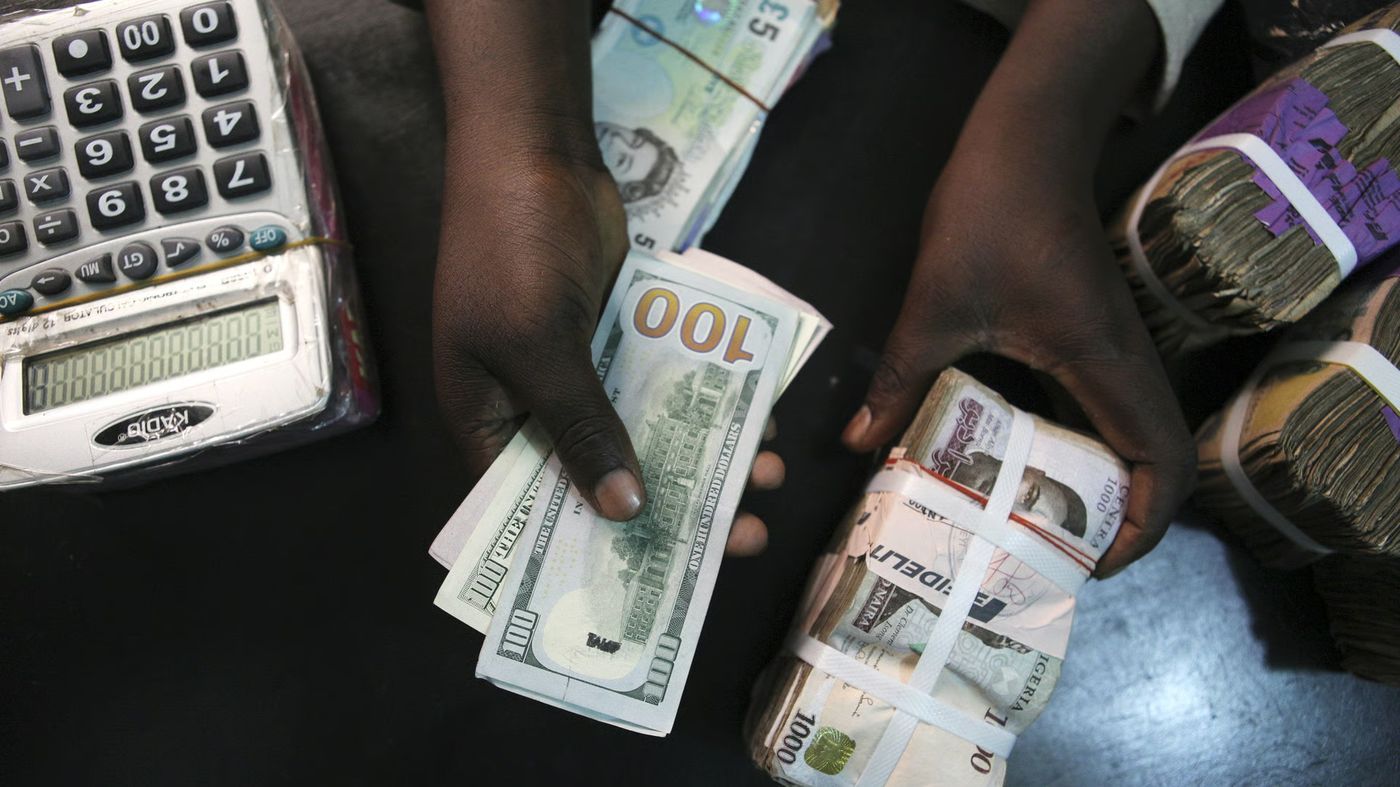
The exchange rate between the US dollar and the Nigerian naira is primarily set by the Nigerian foreign exchange market. The Central Bank of Nigeria operates a managed float regime, where the value is influenced by market forces but with periodic interventions to manage volatility. The rate is quoted as the number of naira needed to buy one US dollar. A higher figure means the naira has weakened, requiring more naira per dollar, while a lower figure indicates a stronger naira. The rate you see on global financial platforms is typically the mid-market rate, which is the midpoint between the global buy and sell prices. This rate serves as a benchmark but is not the rate consumers receive from banks or transfer services.
Several key factors drive movements in the USD/NGN rate. The price of crude oil is paramount, as oil exports are Nigeria's primary source of US dollar revenue. When oil prices fall, dollar inflows decrease, putting downward pressure on the naira's value. Domestic monetary policy, including interest rate decisions by the Central Bank of Nigeria, also affects the currency's attractiveness. High inflation in Nigeria erodes the naira's purchasing power, often leading to depreciation against the dollar. Furthermore, demand for dollars for imports, overseas remittances, and investor sentiment towards emerging markets all contribute to daily fluctuations in the exchange rate.
Historical Context and Rate Volatility
The naira has experienced significant depreciation against the US dollar over recent decades, reflecting economic challenges and policy shifts. Historically, the currency was pegged to the dollar, but various devaluations and a move towards a more flexible exchange rate system have led to substantial changes in its value. Periods of low global oil prices have consistently triggered sharp declines in the naira's exchange rate, as seen during major oil price crashes. The divergence between the official exchange rate and the parallel, or black market, rate has been a persistent feature, often widening during times of dollar scarcity. This volatility means the historical value of one US dollar in naira has risen dramatically from lower double digits to many hundreds of naira. Notable highs and lows in the exchange rate are closely tied to specific economic events and policy announcements. The black market rate frequently reaches highs that are significantly above the official rate, especially when access to dollars through official channels is restricted. These historical shifts underscore the naira's sensitivity to external commodity shocks and domestic foreign exchange management policies.
How Canadians Convert USD to NGN
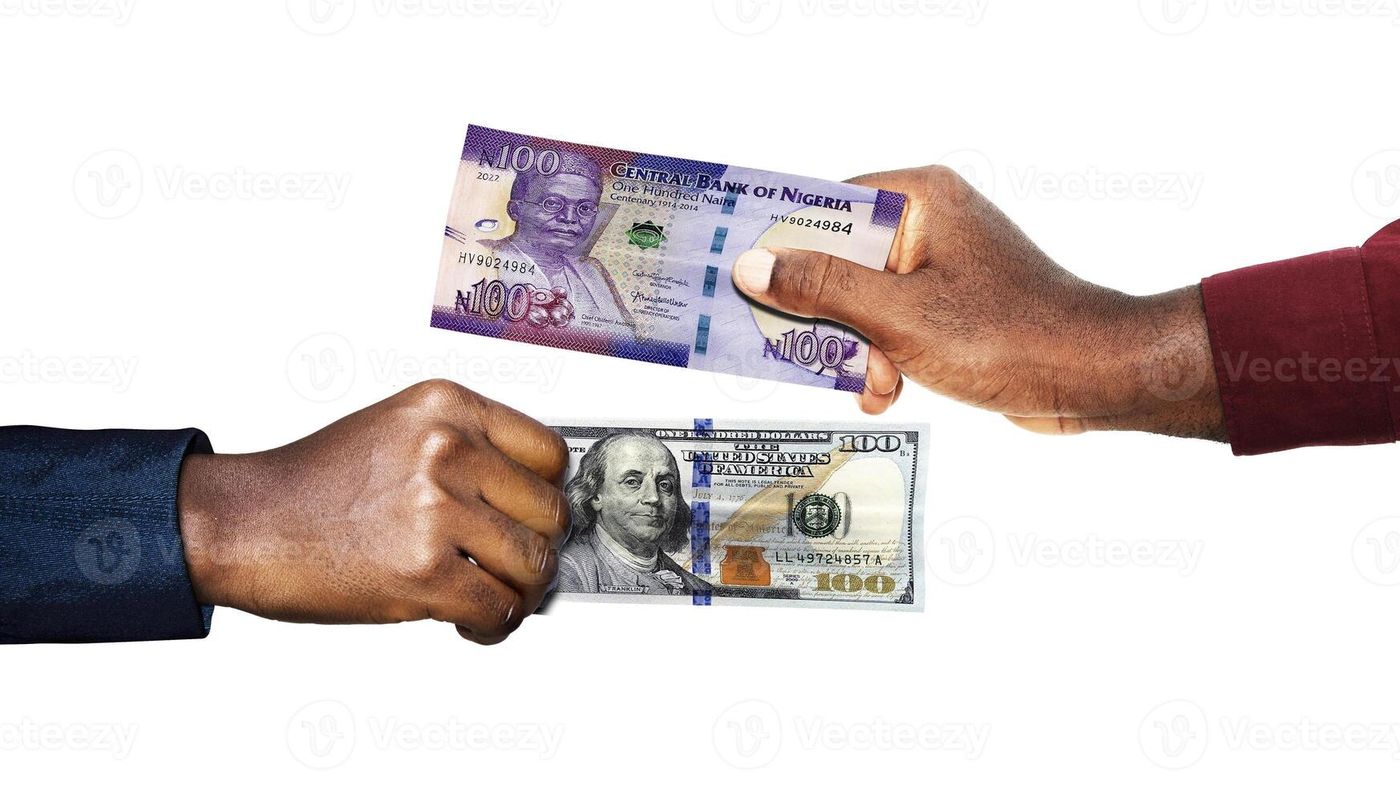
Canadians looking to convert US dollars to Nigerian naira typically do so through financial institutions or specialized money transfer operators. Many Canadians hold US dollars in foreign currency accounts or obtain them through exchange before initiating a transfer to Nigeria. The conversion process almost always involves two steps: first converting Canadian dollars to US dollars if necessary, and then converting those US dollars to naira. Most service providers handle this conversion internally, presenting the customer with a final naira amount based on their own applied exchange rate. It is crucial for senders to compare the total cost, which includes both the exchange rate margin and any fixed transfer fees.
Major Canadian banks offer international wire transfer services that can send US dollars to Nigeria for conversion into naira. However, banks often apply larger exchange rate margins, meaning the rate they offer is less favourable than the mid-market rate, and charge significant wire transfer fees. Online international money transfer specialists like Wise, Western Union, and Remitly are popular alternatives. These services frequently advertise more competitive exchange rates and lower fees compared to traditional banks. Some providers also offer promotional exchange rates for new customers or for transfers above certain thresholds. The recipient in Nigeria can typically receive the funds as a bank deposit or as cash for pickup at a wide network of agent locations.
Fees, Rates and Costs for Conversion
When converting currency, the total cost is comprised of the exchange rate margin and any explicit transaction fees. The exchange rate margin is the difference between the mid-market rate and the rate actually offered to you by the bank or transfer service. This margin is a hidden fee that reduces the amount of naira the recipient gets. In addition to this margin, providers often charge a fixed transfer fee, which can be a flat amount or a percentage of the send amount. Some digital services promote transfers with zero fees, but they still typically earn revenue from their exchange rate margin.
Costs can vary significantly depending on the provider, the transfer amount, the payment method, and the speed of transfer. Using a credit card to fund a transfer may incur cash advance fees and higher interest charges from the card issuer. Funding via a bank debit card or direct bank transfer is usually cheaper. The table below illustrates a generalized comparison of potential cost structures from different types of providers. Note that actual rates and fees change constantly.
| Provider Type | Typical Exchange Rate Margin | Typical Transfer Fee | Common Payout Method |
|---|---|---|---|
| Major Canadian Bank | Wider margin (3-5%) | Higher flat fee ($20-$50) | Bank Deposit |
| Cash Transfer Agent (e.g., Western Union) | Varies, can be moderate | Fee based on amount/destination | Cash Pickup |
It is essential to use a provider's live quote tool before sending money. This tool should show you the exact exchange rate being applied. The tool should also show all fees for the transaction. You should see the total amount to be deducted from your account in Canadian dollars. Finally, the tool should show the final sum the recipient will receive in Nigerian naira. This transparency allows for an accurate cost comparison between different money transfer services.
The Parallel Market and Black Market Rates
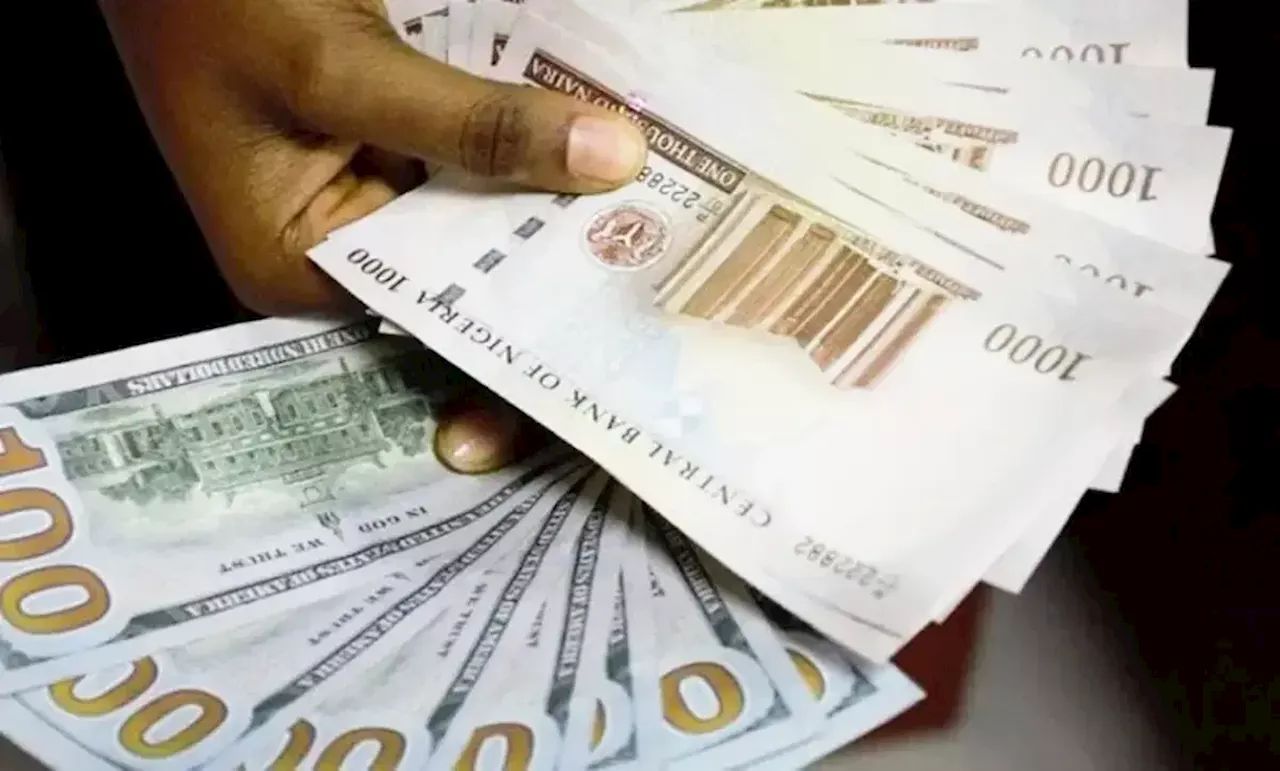
Alongside the official foreign exchange market, a parallel market for US dollars and naira operates in Nigeria. This is often referred to as the black market or parallel market. The exchange rate in this market is typically higher than the official rate, meaning you get more naira for one US dollar. This rate difference exists primarily due to limited access to US dollars through official channels and high demand from individuals and businesses. The black market rate is not regulated by the government and is determined purely by street-level supply and demand. For Canadians receiving quotes from contacts in Nigeria, the black market rate may be cited as a benchmark, but it carries significant risks. Engaging with the black market for currency conversion involves considerable hazards, as transactions are informal and offer no consumer protection, leaving participants vulnerable to fraud, counterfeit currency, or outright theft.
The Nigerian government has periodically cracked down on illegal foreign exchange trading. While the promise of a higher rate can be tempting, the risks generally outweigh the potential gains for most individuals. Reputable international money transfer services provide a secure, traceable, and regulated alternative for getting funds to Nigeria, even if their exchange rate may not match the highest black market quotes on a given day. These services use encryption and fraud prevention measures to protect your transaction and provide a tracking number for peace of mind.
Practical Tips for Sending Money to Nigeria
Before initiating a transfer, research current mid-market rates using a reliable financial data website to establish a benchmark. This knowledge helps you evaluate the competitiveness of the rates offered by service providers. Always compare the total cost from multiple providers, not just the advertised exchange rate. Look at the final amount in naira that your recipient will get after all fees and margins are applied. Consider the transfer speed, as some services offer instant or same-day delivery for a premium, while economy options may take several business days. Ensure you have the recipient's full name, bank details if applicable, and a correct phone number to facilitate the transfer.
Use secure payment methods to fund your transfer. Linking your Canadian bank account directly or using a debit card is usually safer and cheaper than using a credit card. After sending, keep the transaction receipt and any tracking number, such as a Money Transfer Control Number. This allows you and your recipient to monitor the transfer's progress. Be aware of your annual limits for international transfers, which may be imposed by your Canadian financial institution or by Nigerian regulations for the recipient. Finally, only send money to people you know and trust, and be vigilant against any requests that seem like scams, such as urgent demands for payment from unfamiliar parties.
Frequently asked questions
What is the difference between the official and black market exchange rate for USD to NGN?
The official exchange rate is set by the Nigerian foreign exchange market with Central Bank oversight, while the black market rate is determined by unofficial supply and demand on the street. The black market rate is typically higher, offering more naira per US dollar, especially during periods of dollar scarcity. However, using the black market is unregulated and carries risks of fraud. Official channels through banks and licensed money transfer operators provide security and traceability for your funds.
How can I get the best exchange rate when sending US dollars to Nigeria from Canada?
To get the best value, compare the total cost from multiple providers, including online money transfer specialists, banks, and cash transfer agents. Focus on the final naira amount the recipient will receive, as this incorporates both the exchange rate margin and any fees. Online specialists often offer more competitive rates and lower fees than traditional banks. Avoid using credit cards to fund transfers due to potential cash advance fees. Check for any promotional rates offered by services for new customers or large transfers.
Are there limits on how much money I can send to Nigeria?
Yes, there are limits. Your Canadian bank or money transfer service may impose a maximum amount per transaction or per day. Nigerian regulations also limit the amount of foreign currency that can be received into certain types of accounts or withdrawn as cash. For large transfers, it is advisable to check the specific limits with your chosen service provider and ensure the recipient is aware of any local receiving limits in Nigeria to avoid complications with the funds being credited.
How long does a money transfer from Canada to Nigeria usually take?
Transfer times vary by provider and payout method. Transfers for cash pickup at an agent location can sometimes be completed within minutes or hours. Transfers sent directly to a Nigerian bank account may take one to three business days, depending on the banks involved. Some online services offer expedited transfers for an additional fee. The quoted transfer time is usually provided when you get a live estimate before confirming the transaction.
What information do I need to send money to Nigeria?
You will need the recipient's full legal name as it appears on their identification. For bank deposits, you need their bank name, account number, and possibly a bank code. For cash pickups, the recipient's name and a valid phone number are essential. You will also need your own payment details to fund the transfer from Canada, such as your bank account or debit card information. The service provider will guide you through the specific requirements during the setup process.
Is it safe to send money to Nigeria using online transfer services?
Yes, using licensed and reputable online money transfer services is generally safe. These companies use encryption and fraud prevention measures to protect transactions. They provide a tracking number so you can monitor the transfer's status. To enhance safety, only send money to people you know, double-check all recipient details, keep your transaction reference confidential, and be aware of common scam tactics. Established providers are regulated and offer more security than informal or black market channels.
Sources and further reading
- Canadian dollars to Nigerian nairas today wise.com
- CAD to NGN | Convert Canadian Dollar to Nigerian Naira westernunion.com
- 1 CAD to NGN, Canadian Dollars to Nigerian Nairas ... xe.com
- 1 Canadian Dollar (CAD) to Naira Black Market Rate Today abokiforex.app
- Nigerian Naira to Canadian Dollar Today. Best exchange rate ... pesa.co
This article explains how things work and is not financial, tax or legal advice. Rules, limits and rates change, so check the current figures with the Canada Revenue Agency, your province or your financial institution before you act.