Converting US dollars to Mexican pesos is a common financial transaction for Canadians traveling to Mexico or sending money there. The exchange rate between the US dollar and the Mexican peso is a critical figure that determines how much local currency one receives. This rate is influenced by global economic forces, trade relationships, and monetary policies in both the United States and Mexico. Understanding how the rate is set, its historical context, and the costs involved helps Canadians make informed decisions when converting their money.
The US Dollar and Mexican Peso Currencies
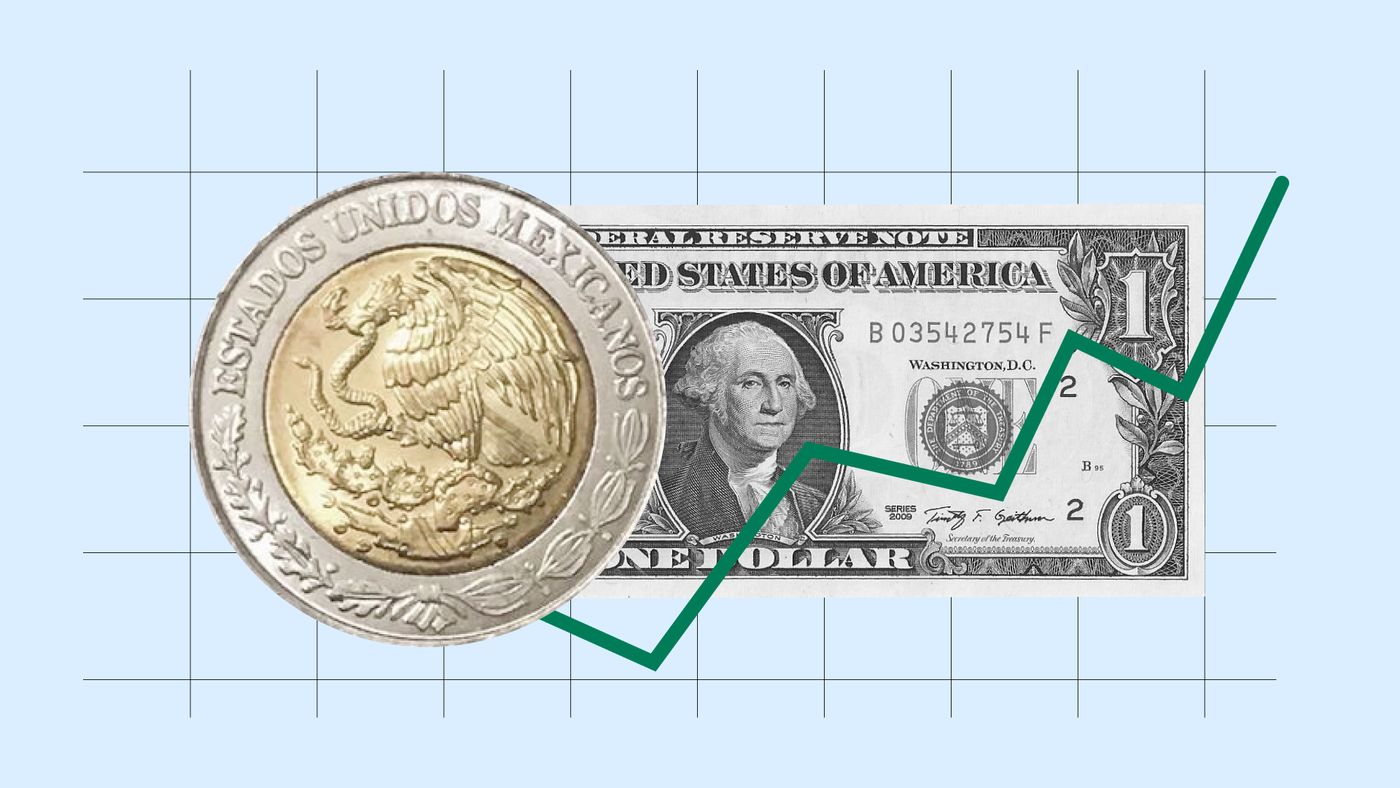
The US dollar is the official currency of the United States and is one of the world's primary reserve currencies. Its status grants it significant influence in global financial markets, including its pairing with the Mexican peso. The Mexican peso is the official currency of Mexico and is the most traded currency in Latin America. Both currencies use the dollar sign ($), which is distinguished by the currency codes USD and MXN. For Canadians, transactions often involve converting Canadian dollars to US dollars first or directly to Mexican pesos, but the USD to MXN pair remains a fundamental benchmark due to the close economic ties between the United States and Mexico. The popularity of the MXN to USD exchange rate underscores its importance in international trade and finance.
How the USD to MXN Exchange Rate is Determined
The exchange rate between the US dollar and the Mexican peso is set in the global foreign exchange market. The price is determined by the forces of supply and demand among a vast network of banks, financial institutions, corporations, and investors. The mid-market rate is the midpoint between the buy and sell prices in these global markets and is considered the most accurate reflection of the currency's value at any given moment. It is important to note that this is a reference rate. Consumers and businesses do not typically receive the pure mid-market rate when converting money through banks or transfer services. These providers apply a margin or service fee, resulting in a rate that differs from the mid-market benchmark. The rate you see on a search engine is often this mid-market rate, while the rate offered by a money transfer provider will include their margin. For instance, services like Xe and Western Union use the mid-market rate for their converters for informational purposes but apply their own send rates for actual transactions.
Factors Influencing the Exchange Rate
Several key economic and political factors cause the USD to MXN rate to fluctuate. Interest rate decisions by the US Federal Reserve and the Bank of Mexico are primary drivers, as higher interest rates in a country can attract foreign capital and strengthen its currency. Economic data releases, such as inflation reports, employment figures, and gross domestic product growth from both nations, constantly reshape market expectations. The trade relationship between the United States and Mexico, governed by agreements like the USMCA, directly impacts currency flows. Commodity prices, particularly oil, are significant for Mexico as a major exporter, meaning peso value can correlate with oil market movements. Political stability and fiscal policies within each country also affect the rate. Global risk sentiment influences the peso as well, with investors often moving funds into perceived safe-haven currencies like the US dollar during times of market uncertainty, which can weaken the peso. Market rates are influenced by several key factors including relative economic strength, interest rate differentials, and geopolitical events.
Historical Performance and Notable Trends
The USD to MXN exchange rate has experienced considerable volatility over the years, reflecting the economic cycles of both countries. For example, over a 90-day period, the CAD to MXN pair, which often moves in correlation with USD to MXN, saw a high of 13.1299 and a low of 12.2054, with an average of 12.4483. This represents a change of 5.58 over that timeframe. Over a 30-day period, the same pair moved between 12.2731 and 13.1299, averaging 12.7633 with a change of 6.98. These figures demonstrate that even in short periods, exchange rates can swing by several percentage points. Longer-term trends are shaped by major events such as financial crises, shifts in monetary policy, and changes in the terms of trade between North American nations. The performance of CAD to MXN in the last 30 days saw a 30 day high of 13.1299 and a low of 12.2731, with an average of 12.7633. Over the last 7 days, CAD to MXN moved between 12.7899 and 13.0761 with an average of 12.9976 and 0.43 percent volatility.
Methods for Canadians to Convert Currency
Canadians have multiple avenues to convert US dollars or Canadian dollars into Mexican pesos. Traditional banks offer currency exchange services both for cash and for transfers, but they typically apply higher margins on the exchange rate. Specialist currency exchange companies, such as Interchange Financial, operate online and in physical locations, often advertising better exchange rates than banks and with services like home delivery of foreign cash within two business days. International money transfer services like Western Union and Xe allow for sending money directly to recipients in Mexico, with options for cash pickup or bank deposit. Digital multi-currency accounts, such as those offered by Wise, provide a platform to hold and convert currencies at the mid-market rate, though a fee may apply for the conversion service. Credit and debit cards are commonly used for spending in Mexico, but card issuers usually apply a foreign transaction fee and their own exchange rate margin on each purchase. You can send money to Mexico the way that's convenient for you online, with an app, or in person at an agent location. Services like Remitly offer dependable exchange rates for CAD to MXN with no hidden fees and sometimes promotional rates on first transfers.
Fees and Charges from Financial Providers
The total cost of converting currency involves more than just the quoted exchange rate. Most providers add a margin to the mid-market rate, which is a hidden cost that reduces the amount of foreign currency received. Additionally, explicit fees are common. Banks and transfer services often charge a fixed transfer fee or a percentage-based fee on the transaction amount. Some services, like Interchange Financial, promote having no foreign exchange fees or service charges, instead earning revenue solely from the exchange rate margin. It is critical for consumers to review the full cost upfront, which includes both the applied exchange rate and any transfer fees, before confirming a transaction. Many online platforms now show this total cost estimate clearly during the process. Western Union fees can vary depending on the amount you send, your payment method, destination country, payout option, and the exchange rate at the time of transfer. Credit card issuers may also apply a cash advance fee and associated interest charges if used for a money transfer, so using a debit card or other payment method is advised to avoid these.
Detailed Comparison of Service Provider Models
Different types of service providers have distinct fee structures and delivery methods for currency conversion. For example, Western Union allows you to send money online, with their app, or in person at an agent location. Interchange Financial offers online ordering for foreign cash with delivery in two business days to any address in Canada. Some providers, like Xe, use the mid-market rate for their converter, which is for informational purposes only, and you will not receive this exact rate when sending money.
| Provider Type | Typical Fee Model | Delivery/Speed | Key Feature |
|---|---|---|---|
| Banks | Exchange rate margin + possible transfer fee | Branch pickup or account transfer | Convenience for existing customers |
| Online Currency Exchanges (e.g., Interchange) | Margin on rate, often no separate fee. Best Rate Guarantee | Home delivery via Canada Post in 2 business days | Order online, pay by Interac e-Transfer |
| Money Transfer Services (e.g., Western Union, Xe) | Variable fee + exchange rate margin. Promotional first-transfer rates | Electronic transfer or cash pickup at agent locations | Send to 190+ countries. Trackable with MTCN |
| Multi-Currency Accounts (e.g., Wise) | Percentage fee on conversion at mid-market rate | Instant digital conversion and holding | Hold and convert 40+ currencies. Mid-market rate |
| Credit/Debit Cards | Foreign transaction fee (2.5%-7%) + issuer's margin | Real-time for purchases and ATM withdrawals | Widely accepted for spending abroad |
| International Transfer Specialists (e.g., Remitly, OFX) | Exchange rate margin, sometimes with no hidden fees | Bank deposit or cash pickup in recipient's country | Focus on larger transfers. Live rate charts |
Each model suits different needs, from obtaining physical cash for travel to sending larger amounts to family or businesses abroad. The choice often depends on the required speed, the form of the currency, and the total cost. Online currency exchanges highlight savings over bank exchange rates and the absence of foreign exchange fees. Money transfer services emphasize their extensive networks, encryption for security, and rewards programs for frequent users.
Steps for Sending Money and Security Measures
When sending money internationally, a standard process is followed by most transfer services. First, you create an account or log in to an existing one with a provider like Western Union or Xe. You then enter the transfer details, including the amount to send in CAD or USD and the recipient's information in Mexico. The service will show you an estimated exchange rate, the transfer fee, and the total amount in Mexican pesos that will be delivered. After choosing a payment method such as a bank account, credit card, or debit card, you review and confirm the transaction. You will receive a money transfer control number for tracking. The funds are then converted and made available for pickup at an agent location or deposited into a bank account. For security, reputable services employ encryption and fraud prevention efforts to protect your transfers. It is advisable to only send money to people you know and trust. Key security steps include carefully checking receiver details, keeping your money transfer control number private, and staying alert for potential scams. For cash conversions, using insured delivery services for online orders adds a layer of safety. Western Union's security measures are designed to help protect international money transfers whether you send money online, through the app, or at an agent location.
Tools and Features for Managing Currency Risk
Several tools are available to Canadians to help manage the cost and timing of currency conversion. Rate alerts are a primary feature offered by platforms like Xe, where you can set a target CAD to MXN or USD to MXN rate and receive a notification when the market reaches it. This allows you to time your transfer to potentially get more pesos for your dollars. Live charts and historical data trackers are also common, showing mid-market rate movements over the past day, month, or up to five years, helping users understand trends. Currency converters provide instant estimates based on current mid-market rates, useful for quick calculations. Multi-currency digital accounts allow you to hold a balance in Mexican pesos or US dollars, enabling you to convert funds when rates are favourable and spend directly from the account later, avoiding repeated conversion fees. Some services offer forward contracts for businesses or individuals making large, planned future payments, locking in an exchange rate for a later date. These tools collectively help mitigate the impact of exchange rate volatility on personal finances and business operations. You can set up a CAD to MXN rate alert on a rate alerts page or within an app to get a notification when your desired rate is reached and stay on top of currency shifts.
Frequently asked questions
What is the difference between the mid-market rate and the rate I get?
The mid-market rate is the real benchmark rate between the buy and sell prices in global currency markets. When you convert money through a bank, exchange service, or transfer provider, you will not receive this exact rate. These institutions apply a margin to the mid-market rate, which is how they make money on the transaction. The rate you are offered is the mid-market rate plus or minus this margin, and it may also come with additional transfer fees. The mid-market rate is for informational purposes only in consumer transactions.
How can I get the best exchange rate for USD to MXN?
To secure a favourable rate, compare the total cost from multiple providers, including online currency exchanges, banks, and dedicated transfer services. Specialist currency exchanges often advertise better rates than traditional banks and may offer a Best Rate Guarantee. Look for services that are transparent about all fees and margins. Using a rate alert tool can help you monitor the market and execute a transfer when the rate moves in your favour. Avoid converting currency at airports or hotels, as they typically offer poor rates.
Are there fees for using a credit card in Mexico?
Yes, using a Canadian credit card for purchases in Mexico usually incurs costs. Most card issuers charge a foreign transaction fee, which is typically a percentage of the purchase amount, with notes indicating a range of 2.5% to 7% for international transactions. Additionally, the credit card network applies its own exchange rate, which includes a margin over the mid-market rate. It is important to check with your card issuer to understand their specific fees before traveling. Using a debit card or a card designed for travel may reduce these fees.
Can I order Mexican pesos online for delivery in Canada?
Yes, several currency exchange services in Canada allow you to order Mexican pesos online. You select the amount, pay via Interac Online or e-transfer, and the foreign cash is delivered by insured Canada Post couriers, often within two business days, to any address in Canada. This service typically offers exchange rates that are better than those provided by banks. Companies like Interchange Financial provide this service with no foreign exchange fees or service charges.
How do international money transfer services work?
Services like Western Union or Xe allow you to send money from Canada to Mexico. You initiate a transfer online or via an app, specifying the amount in CAD or USD to be sent. The service converts your money to Mexican pesos at their offered exchange rate and charges a transfer fee. The recipient can then collect the funds in cash at an agent location or receive it directly into a bank account, with tracking provided via a money transfer control number. These services move money to over 200 countries and territories.
Why does the exchange rate change constantly?
Exchange rates change by the second due to the continuous trading in the global foreign exchange market. Prices are driven by the instantaneous supply and demand for each currency, which in turn reacts to new economic data, geopolitical events, central bank announcements, and shifts in investor sentiment. This makes the currency market highly dynamic and volatile over short periods. The performance data shows volatility percentages like 0.63% over 30 days, reflecting these constant fluctuations.
Sources and further reading
- 1 CAD to MXN, Canadian Dollars to Mexican Pesos ... xe.com
- Canadian dollars to Mexican pesos today wise.com
- CAD to MXN | Convert Canadian Dollar to Mexican Peso westernunion.com
- Buy Mexican Pesos Online, Mexico (MXN $) interchangefinancial.com
This article explains how things work and is not financial, tax or legal advice. Rules, limits and rates change, so check the current figures with the Canada Revenue Agency, your province or your financial institution before you act.